Why some watch bands attract attention while others go unnoticed
Why Some Watch Bands Stand Out in a Crowd
At a crowded gathering, one person’s watch catches the light and draws glances from across the room, while another’s goes largely unnoticed, even if both watches are visible and worn on the same wrist. This difference is not just about the watch face—often, it’s the watch band that makes the first impression or fades quietly into the background. Understanding why certain watch bands attract attention while others do not can help you choose the right band for the impression you want to make, whether at work, in social settings, or during daily activities.
Visual Factors That Draw the Eye
Several visual aspects of watch bands can make them more noticeable. These include color, material reflectivity, texture, width, and contrast with the wearer’s clothing or skin tone. The combination of these factors determines whether a watch band serves as a subtle accent or a statement piece.
Color Impact
Bright, bold, or highly saturated colors tend to stand out more than neutral or muted tones. For example, a bright blue or red band will generally attract more attention than one in black, brown, or gray. However, the degree of contrast with the wearer’s outfit significantly affects how much a band stands out. A white silicone band worn with a dark sleeve, for instance, will pop visually, while a navy fabric band paired with a similar navy shirt will blend in.
Reflectivity and Material Choice
The material of the band plays a major role in how much light it reflects, which directly influences visibility.
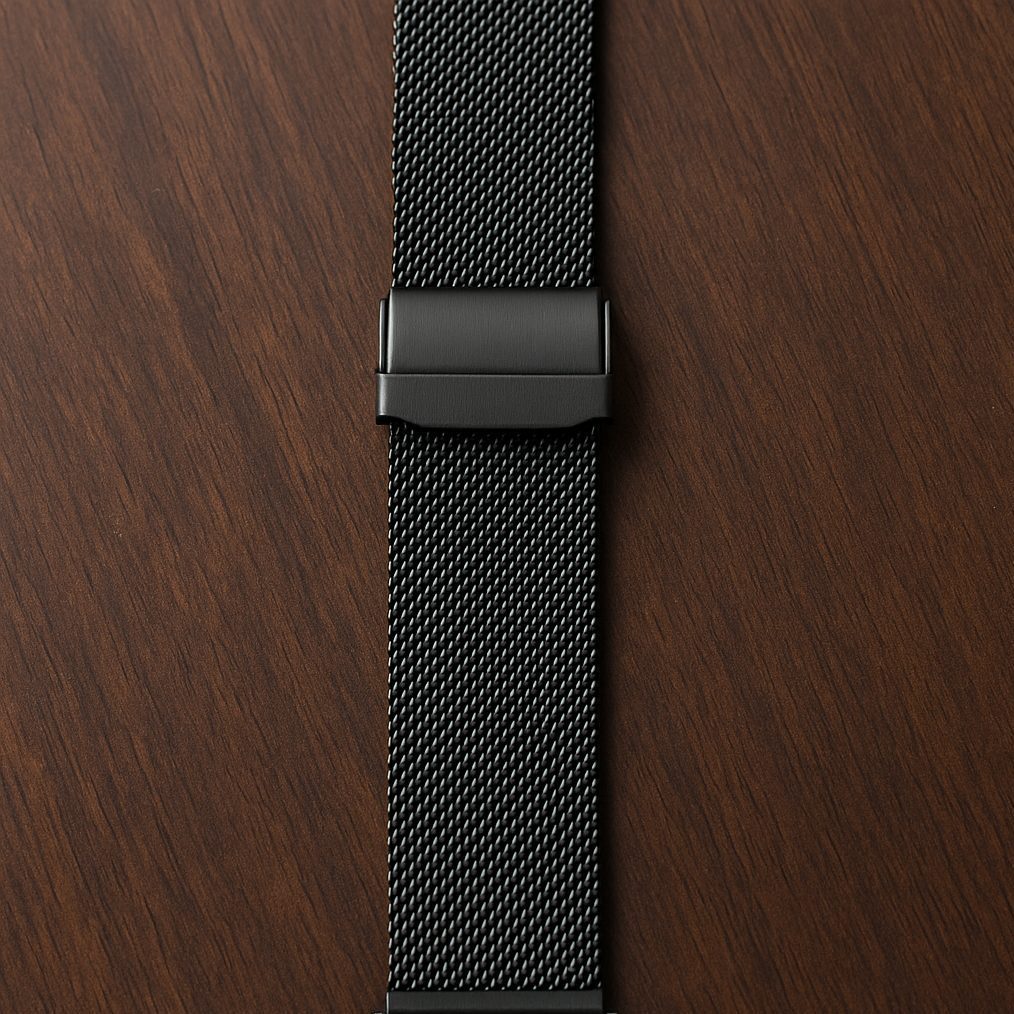
- Metal bands: Bands made from stainless steel or other metals typically have a polished or brushed finish, which can catch and reflect light. This creates flashes or glimmers that naturally draw the eye, especially under artificial lighting or sunlight. Stainless steel is the most common metal used because it resists corrosion and maintains its shine over time.
- Leather bands: Leather tends to have a matte or gently lustrous finish, making it less likely to catch the eye from across a room. However, glossy, brightly dyed, or textured leather can become more noticeable.
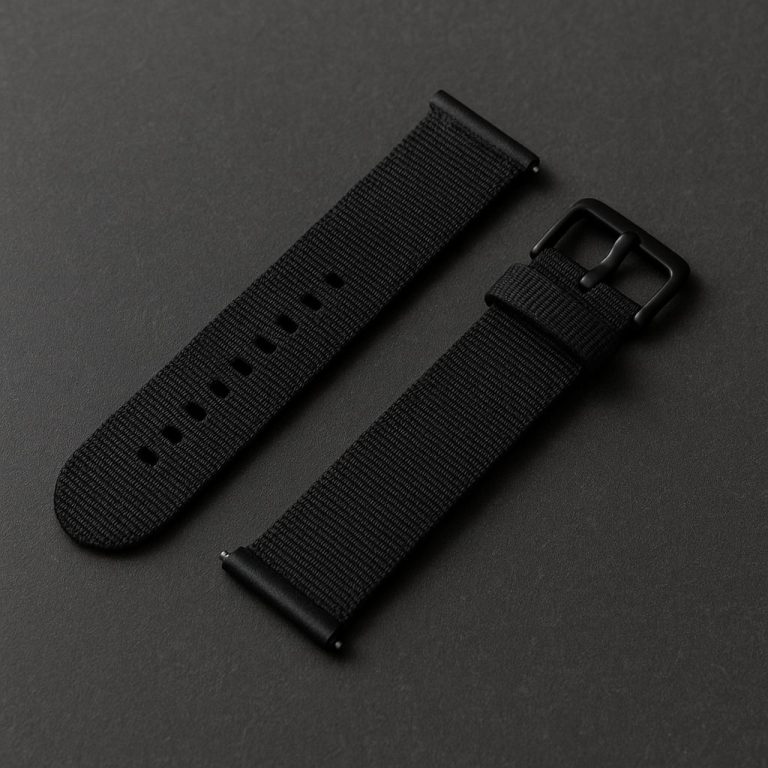
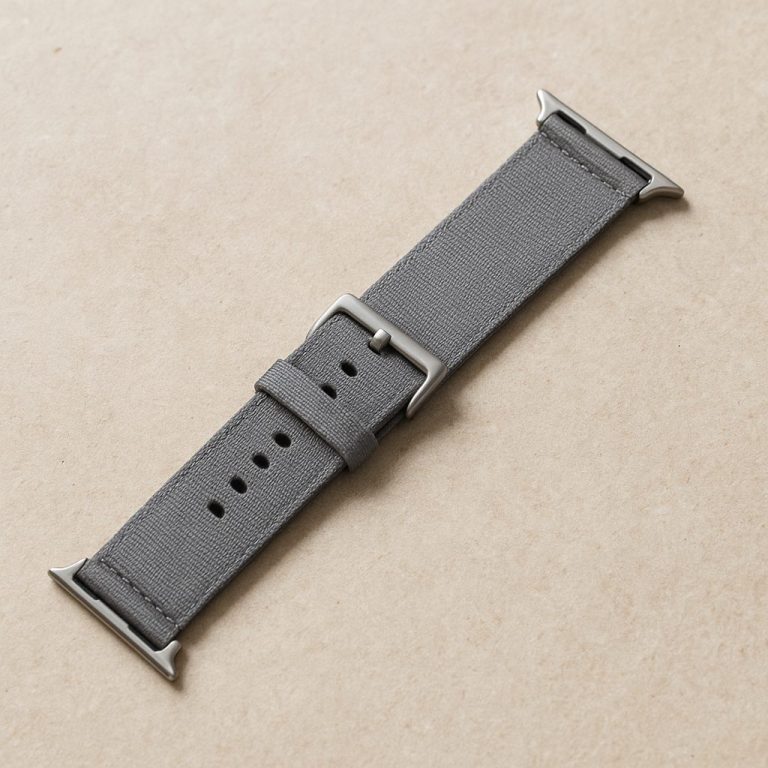
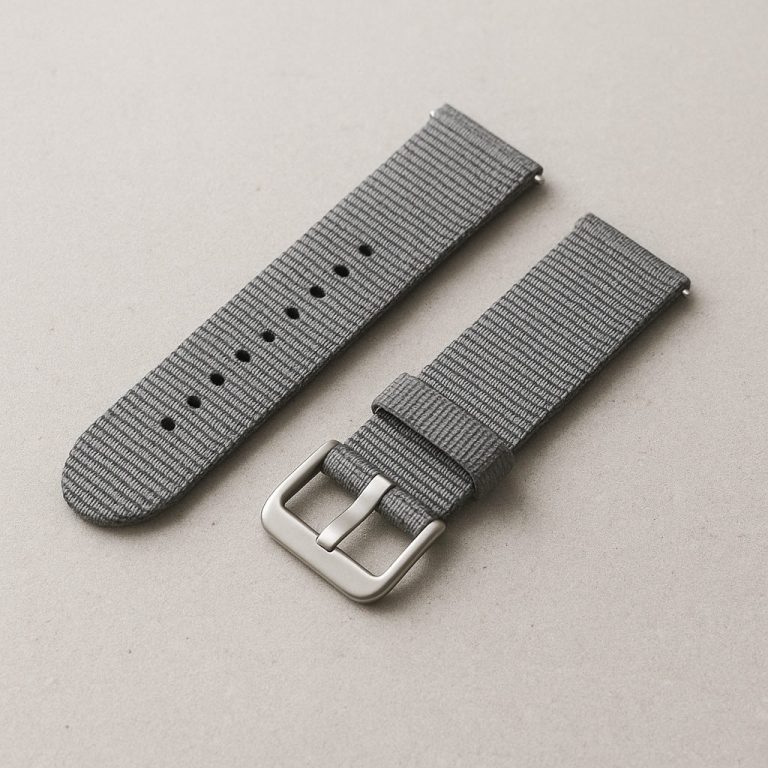
- Fabric bands: Most fabric bands are woven from nylon or nylon blends, with variations in weave density, thickness, and surface texture. Densely woven or brightly colored fabric bands are more visible, while thinner, matte, or neutral-toned fabric bands blend in more easily.
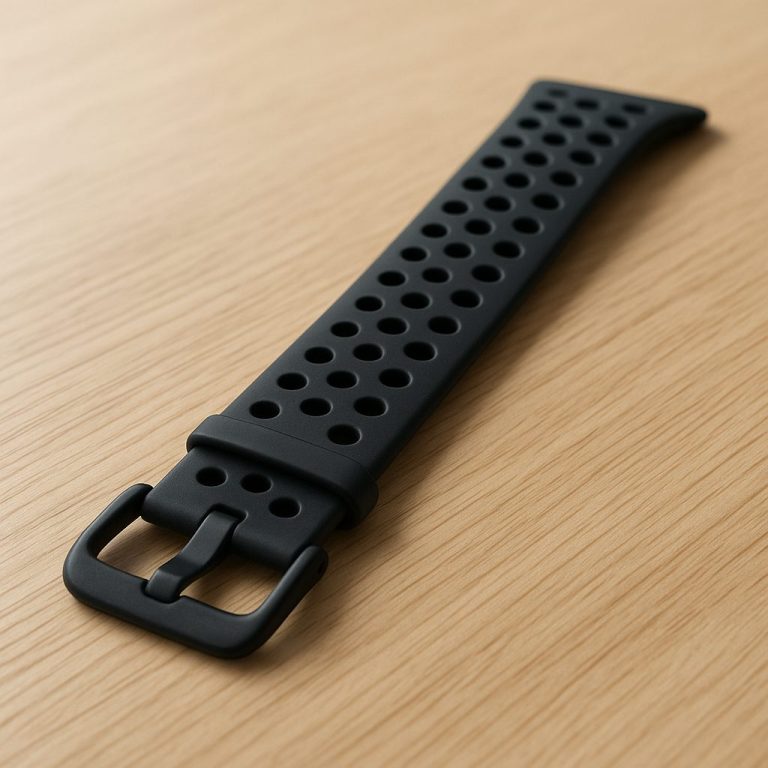
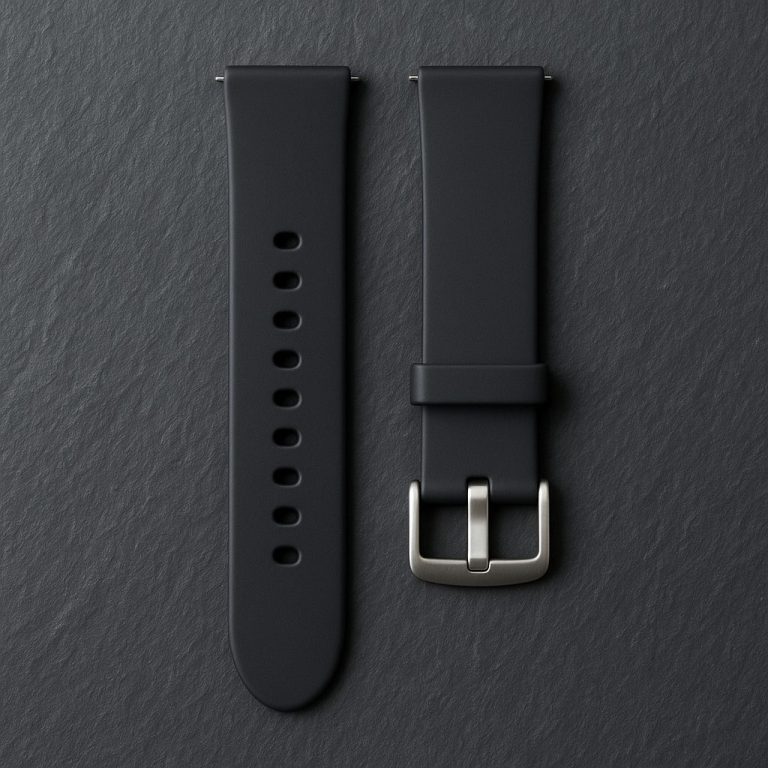
- Silicone bands: Silicone bands have a smooth, uniform appearance and typically a matte or semi-matte finish. Vivid colors can make these bands highly noticeable, but neutral or skin-tone silicone bands tend to be less prominent.
| Band Material | Typical Visual Effect | Attention Level |
|---|---|---|
| Metal (e.g., stainless steel) | Reflective, catches light | High |
| Leather | Matte or gentle shine | Medium–Low |
| Fabric (nylon blends) | Variable, can be matte or textured | Medium |
| Silicone | Matte, smooth surface | Depends on color |
Design and Detail
Beyond color and material, the design of the watch band itself can either attract or deflect attention. Bands with intricate patterns, stitching, embossing, or unusual shapes are more likely to catch the eye. For example, a fabric band with a distinctive weave or a metal bracelet with a unique link design stands out more than a simple, unadorned strap. Clasp types and visible hardware can also make a difference—large buckles or decorative closures can serve as focal points.
Band Width and Proportion
Wider watch bands often appear bolder, especially on smaller wrists. A very slim band usually seems more discreet, while a wide band can dominate the wrist and attract notice. The visual effect depends on the proportion between the band, the watch case, and the wearer’s arm.
Context and Contrast
The environment and what the wearer is doing also play a role in how much attention a watch band receives. In formal settings, a brightly colored silicone or fabric band might stand out against a suit, while in a casual or athletic environment, the same band may blend in with sportswear. Lighting makes a difference, too: artificial lighting can amplify the effect of reflective metal bands, while natural light highlights color contrasts more strongly.
Matching and Mismatching
A band that matches the wearer’s outfit or skin tone can appear understated. In contrast, a band that sharply contrasts with clothing or accessories will be more visually striking. This principle applies across all materials—pairing a tan leather band with a tan shirt makes it less noticeable, while a black leather band with a white shirt will stand out.
Movement and Attention
Motion is a key factor in attracting glances. Bands that move or catch the light when the wearer gestures—such as loose metal bracelets or flexible fabric bands—are more likely to be noticed. A metal bracelet that shifts and glimmers as someone reaches for a cup can draw more attention than a fixed or snug silicone band that remains static.
Practical Example: Choosing a Band for the Desired Effect
Someone who wants their watch to be a focal point at an event might choose a reflective stainless steel bracelet or a bold, wide fabric strap with a distinctive pattern. On the other hand, a person seeking a low-profile look for everyday wear might opt for a matte black silicone band or a thin, densely woven nylon band in a neutral color. Considering what will be worn and the expected environment helps in deciding whether to go for subtlety or visibility.
How Watch Band Features Influence Attention
The attention a watch band attracts depends on a combination of material, color, finish, design, and the context in which it is worn. Reflective metals, bright colors, bold patterns, and wide proportions naturally draw more eyes, while matte finishes, neutral colors, and minimalist designs blend in. Choosing the right combination of these elements allows you to decide whether your watch band will serve as a statement piece or a subtle accessory in any situation.