How to identify genuine leather versus synthetic leather watch bands
Recognizing Genuine Leather and Synthetic Leather Watch Bands
When selecting a watch, the choice of band can be just as important as the timepiece itself. Many people prefer leather bands for their classic look and comfort, but distinguishing between genuine leather and synthetic leather can be challenging. Understanding the differences can help ensure that you make an informed choice that suits your preferences and lifestyle.
Understanding the Basics
Genuine leather is made from animal hides, typically cowhide, and is known for its durability and natural feel. On the other hand, synthetic leather, often referred to as faux leather, is made from plastic materials designed to mimic the appearance and texture of real leather. Each type has its pros and cons, and being able to identify them can enhance your watch-wearing experience.
Visual and Tactile Inspection
One of the most straightforward methods for differentiating between genuine and synthetic leather is through visual and tactile inspection. Here are some key characteristics to observe:
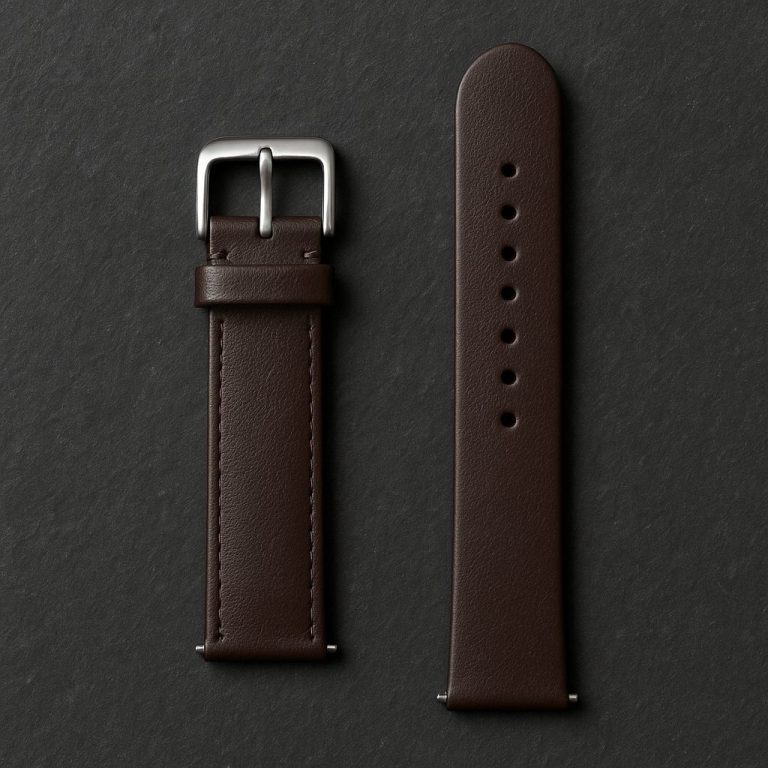
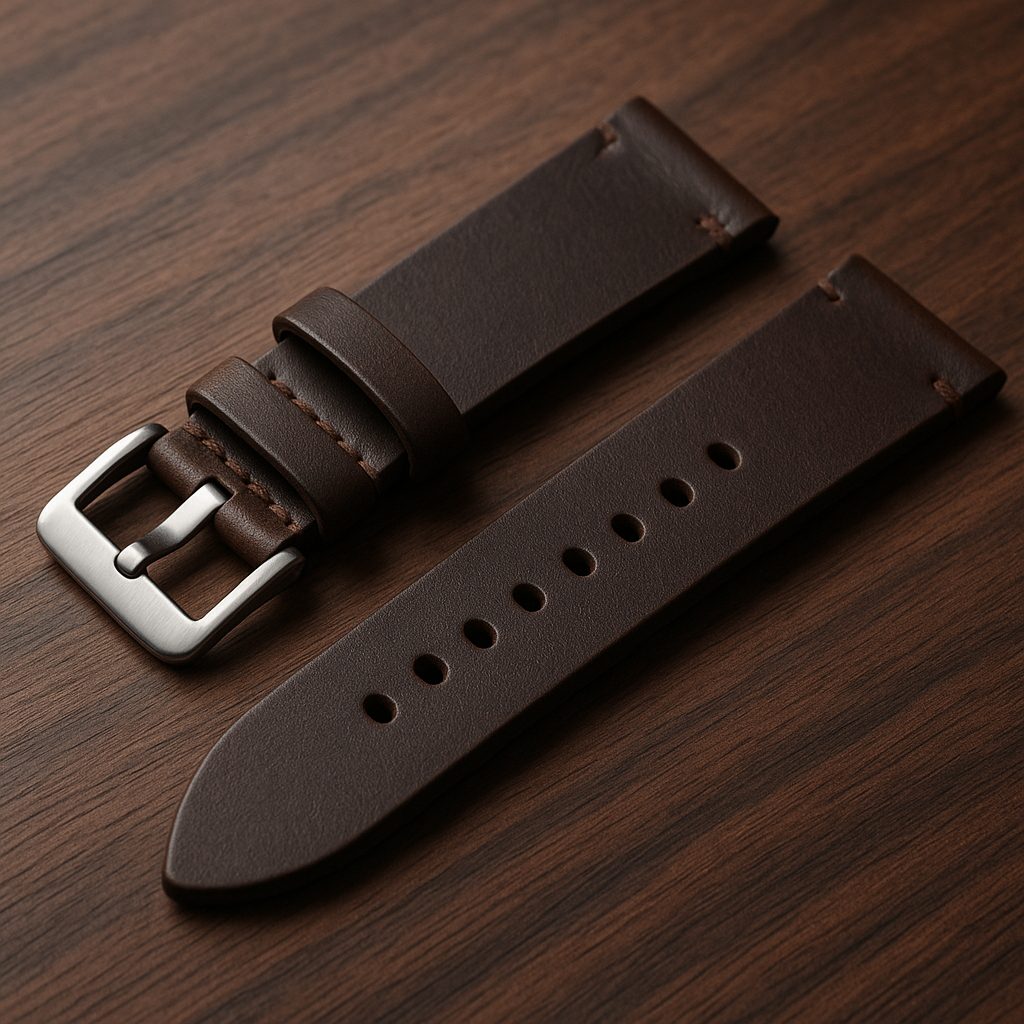
- Texture: Genuine leather has natural imperfections, such as scars or grain patterns, which add to its uniqueness. Synthetic leather often has a more uniform texture and lacks these natural variations.
- Grain: The grain of real leather is irregular, whereas synthetic leather often features an embossed pattern that can appear overly repetitive.
- Flexibility: Genuine leather tends to be more flexible and may develop a patina over time, enhancing its character. Synthetic leather might feel stiffer and less pliable, especially when new.
Smell Test
The smell can also be a telling factor. Genuine leather has a distinctive, rich aroma that many people associate with high-quality leather goods. In contrast, synthetic leather often has a chemical odor due to the materials used in its production. When examining a watch band, take a moment to smell it closely; if it smells like plastic, it is likely synthetic.
Water Test
Another practical approach is the water test, which can help you determine the material’s nature. Genuine leather is porous and will absorb water, causing the material to darken slightly. Synthetic leather, being waterproof, will not absorb water and will remain unchanged. However, this test should be conducted carefully to avoid damaging the band, especially if it is attached to a watch.
Price and Brand Considerations
While price alone is not a definitive indicator of quality, genuine leather is generally more expensive due to the costs associated with sourcing and processing animal hides. If a watch band is offered at a significantly lower price than others marketed as leather, it may be synthetic. Observing the branding can also provide clues; many manufacturers will specify the materials used, so checking the description may help clarify the type of leather.
Long-Term Performance and Care
Understanding the long-term characteristics of both materials can guide you in making a suitable choice for your lifestyle. Genuine leather, while durable, requires regular maintenance to keep it looking its best. This includes conditioning with leather creams and avoiding exposure to excessive moisture. In contrast, synthetic leather is often easier to clean and maintain, as it typically requires only a simple wipe-down with a damp cloth.
For example, if you frequently wear your watch while engaging in outdoor activities, a synthetic leather band may be more practical due to its resistance to water and easier cleaning. Conversely, if you are looking for a more classic and timeless look for formal occasions, genuine leather may be the better choice.
Environmental Considerations
When considering materials, it’s also worth noting the environmental impact. Genuine leather production involves livestock farming, which has environmental implications, including land use and greenhouse gas emissions. Synthetic leather, while free from animal products, often involves petroleum-based materials and can pose challenges regarding biodegradability. Understanding these factors might influence your decision based on personal values and environmental concerns.
Conclusion
Identifying genuine leather versus synthetic leather watch bands involves a combination of visual inspection, smell, texture, and a few simple tests. By paying attention to these characteristics, you can make an informed decision that aligns with your preferences and lifestyle. Whether you opt for the durability and character of genuine leather or the practicality of synthetic leather, knowing what you’re choosing ensures a satisfying and stylish addition to your watch collection.