Why people sometimes keep old watch bands they no longer wear
Why Old Watch Bands Stay in the Drawer
A person cleaning out a dresser drawer might come across a handful of old watch bands—leather straps with worn edges, a stainless steel bracelet with a broken clasp, a faded fabric strap, or a silicone band that no longer suits their taste. Even after swapping to a new band or getting a different watch, these unused bands often remain tucked away rather than being thrown out. This tendency raises the question: why do people keep old watch bands they no longer wear?
Attachment Beyond Function: Sentimental and Personal Reasons
For some, old watch bands carry sentimental value. A leather strap might have been part of a gift or worn during a memorable event. Even after the band becomes unusable, it can serve as a physical reminder of a specific time, place, or relationship. This is especially true for bands that show visible wear—creases in the leather, imprints, or slight discoloration—each mark adding to personal history.
Others hold onto bands from significant milestones, such as a first real job or a graduation gift. The practice is similar to keeping ticket stubs, postcards, or other small mementos. The band itself becomes less about utility and more about preserving a connection to the past.
The Practical Side: Reuse and Backup
Practicality is another reason old watch bands end up stored rather than discarded. Even a band that is out of style or slightly worn can serve as a backup if a current band breaks or gets lost. This is particularly true for items like metal bracelets, which may be expensive to replace, or fabric bands, which may be harder to find in a specific color or weave.
Some people keep bands with the expectation of future repairs. For example, a stainless steel bracelet with a broken clasp could be fixed if the right part is found, or a favorite leather strap might be restored with a new buckle. Holding onto these items allows for the possibility of bringing them back into use rather than purchasing a replacement.
In households where several watches share similar lug widths, swapping bands between watches is common. An old fabric or silicone band may be moved from one watch to another, depending on the activity or occasion. Having a selection of old bands on hand makes it easier to change up the look or function of a watch without having to buy new accessories.
Material Matters: Why Certain Bands Are Saved
The material of a watch band often influences whether it is kept or discarded. Below is a brief overview of why people are more likely to save certain types:
| Material | Common Reason for Keeping |
|---|---|
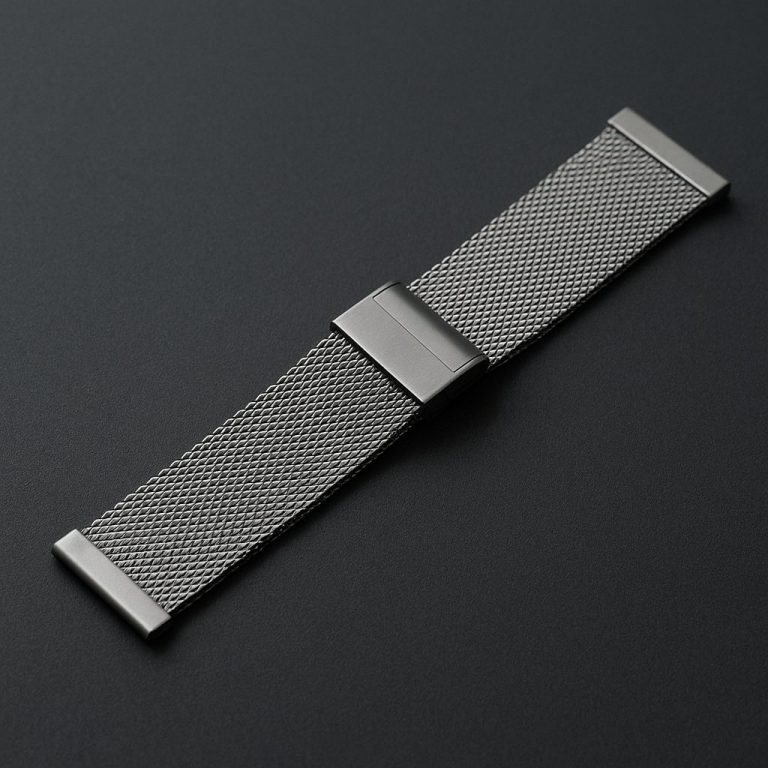
| Metal (usually stainless steel) | Durable, repairable, higher replacement cost |
| Leather | Sentimental value, potential for restoration |
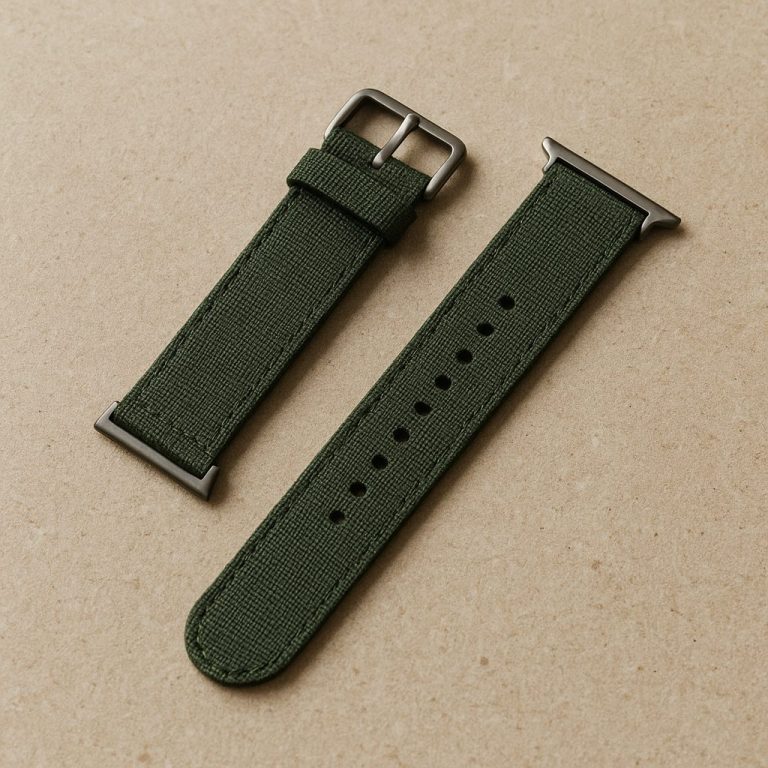
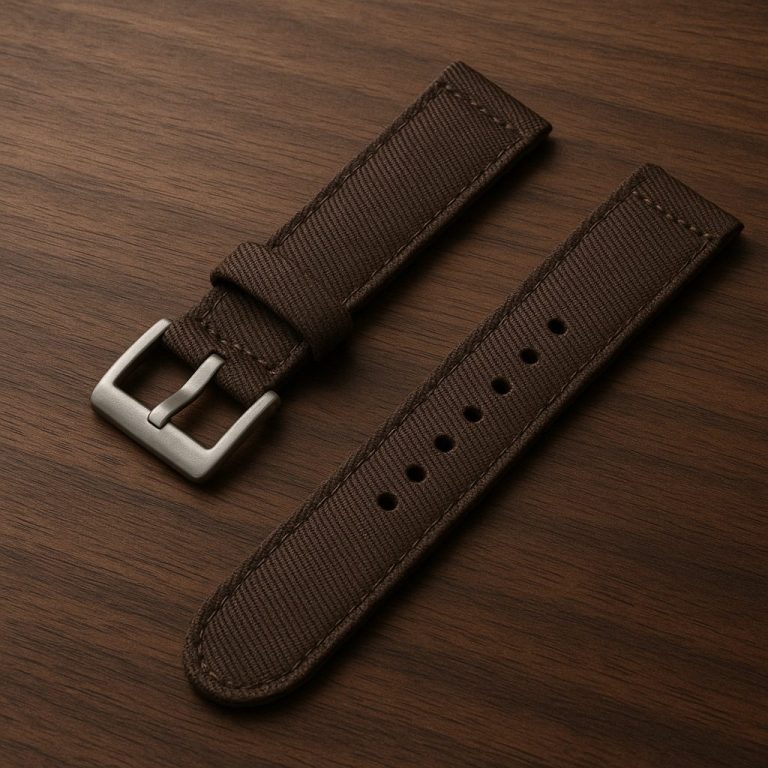
| Fabric (mainly nylon blends) | Unique color or pattern, easy to reuse |
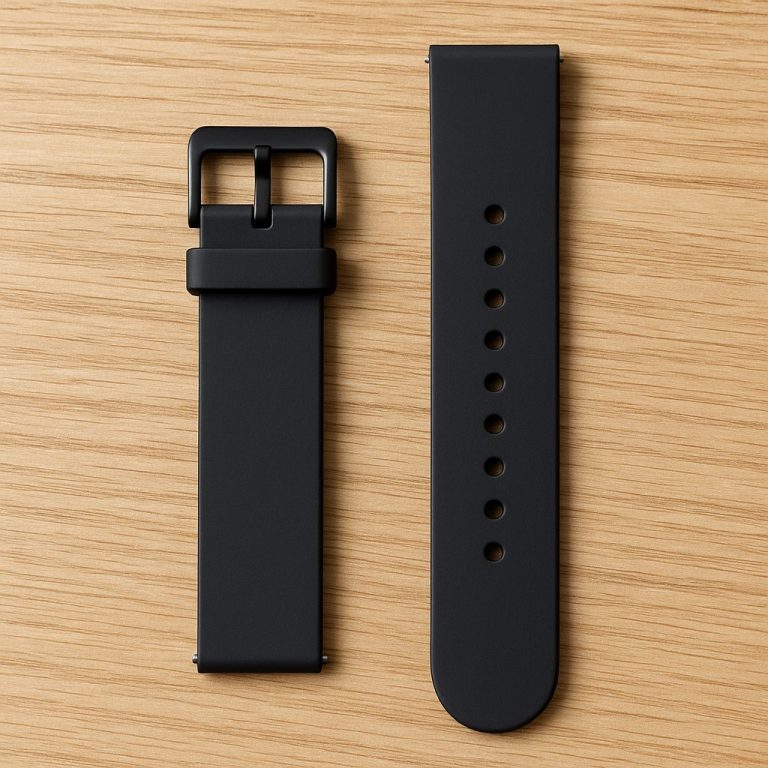
| Silicone | Useful for sports or rough activities, backup for waterproof needs |
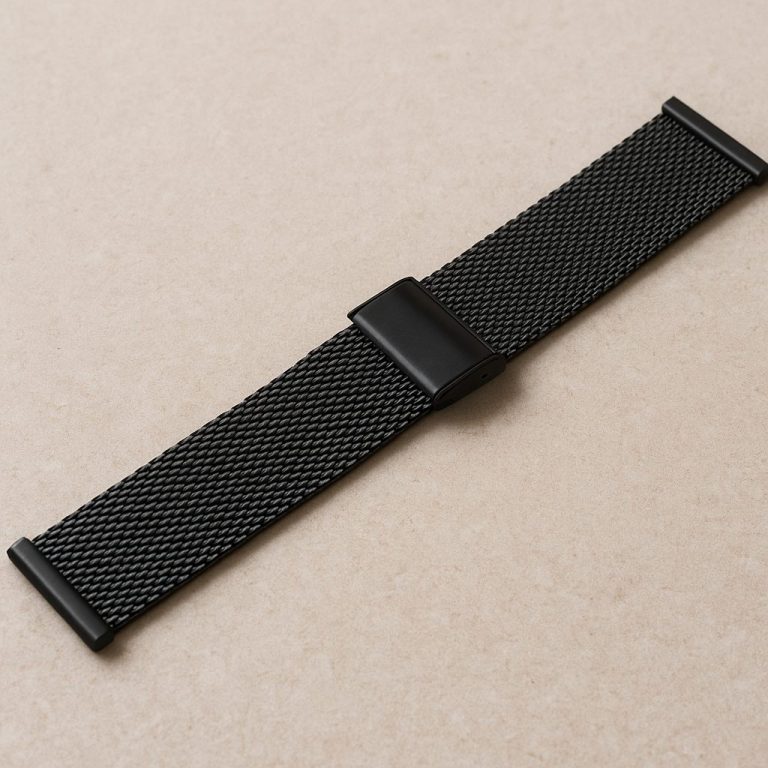
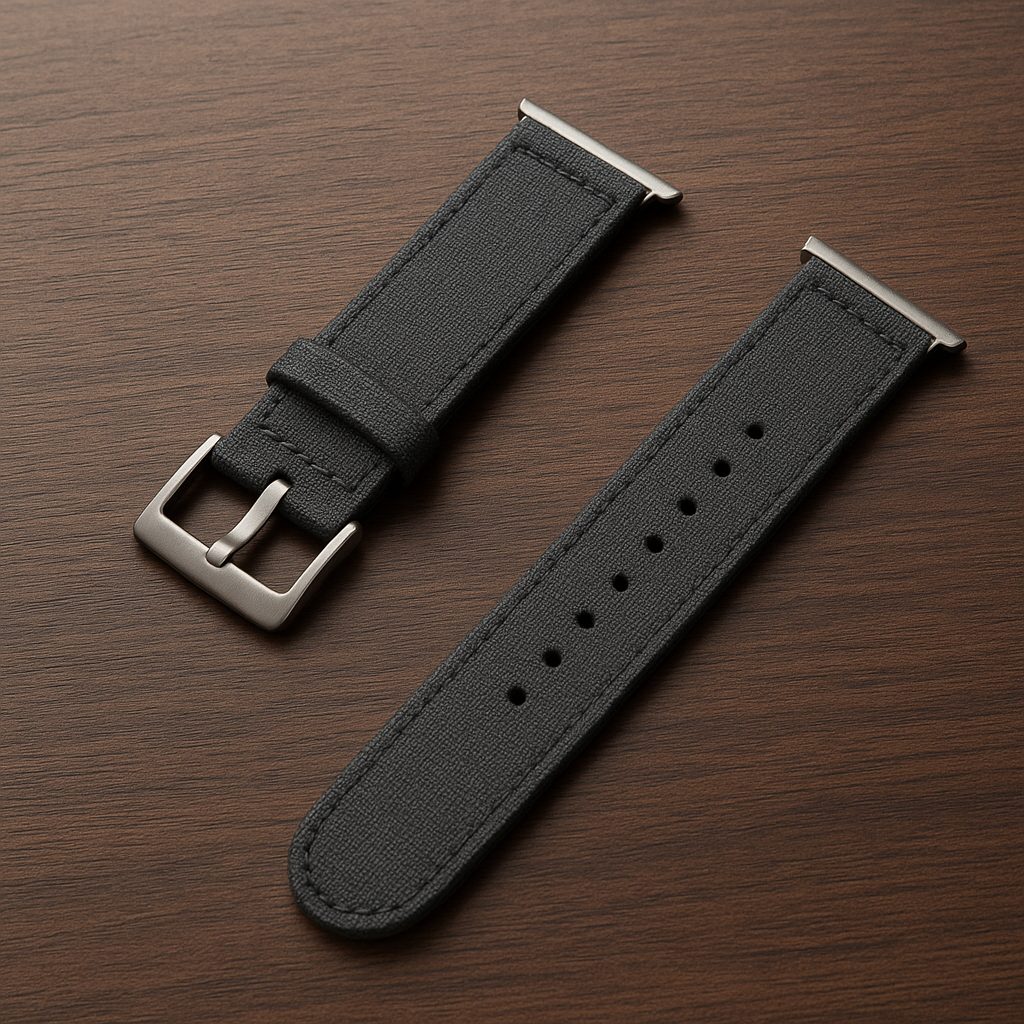
Stainless steel is the most common metal used for watch bands because of its durability and resistance to corrosion, making these bands candidates for repair or reuse even after years of wear. Leather bands, while more prone to visible aging, often carry personal value and can sometimes be cleaned or refurbished. Fabric bands, usually made from nylon or similar blends, vary in weave density and thickness, and are often kept for their distinctive colors or textures that may not be easily found again. Silicone bands are lightweight and water-resistant, so people may keep them as backups for activities where a dressier band is less practical.
Potential for Repurposing
Even if a band will never return to a wrist, it might serve another purpose. Some people repurpose old bands for crafts or as parts in repair projects—using a section of leather for a keychain or salvaging a clasp to fix another strap. Metal links might be saved as spares in case one is lost from a functioning bracelet. A silicone band could be cut up and used as a protective strap for another small item.
For those who enjoy tinkering, having a small supply of old bands means spare spring bars, buckles, or loops are always available. This can be especially handy for watches that use standard attachment mechanisms, as these small parts can be interchanged between different bands and models.
Style Changes and Seasonal Preferences
Personal style and needs change over time. A brightly colored fabric band may fall out of favor but become appealing again later, especially if it matches a new outfit or is suitable for a seasonal change. Leather bands might be rotated in during cooler months, while silicone bands are kept for summer activities or workouts. Saving old bands allows for flexibility without needing to buy new ones each time preferences shift.
Occasionally, a previously retired band fits a specific need—such as a rugged nylon strap for hiking or a simple silicone band for the gym. Having a selection of bands from past years provides options for different situations.
Practical Considerations: Storage and Organization
Because watch bands are compact and easy to store, there is little pressure to dispose of them immediately. A small box or drawer can hold several bands without taking up much space. Unlike larger items, the inconvenience of keeping old bands is minimal, making it easy to justify holding onto them “just in case.”
Some people organize their bands by material or style, making it easier to find a suitable backup or rediscover a forgotten favorite. For those who like to change their watch’s appearance to suit different occasions, having a variety of bands on hand makes this process much more convenient.
What This Means for Daily Life
Keeping old watch bands is often a blend of practicality and sentimentality. Whether as backups, mementos, or spare parts, these bands serve roles beyond their original purpose. This habit allows for flexibility, personal expression, and a way to preserve memories—all with minimal effort or expense. For anyone wondering whether to hold onto that old strap, the answer often depends on the possibility of future use, personal meaning, and the simple convenience of having options ready when needed.