Understanding the Care Requirements of Leather Watch Bands
Care for Leather Watch Bands: Essential Insights
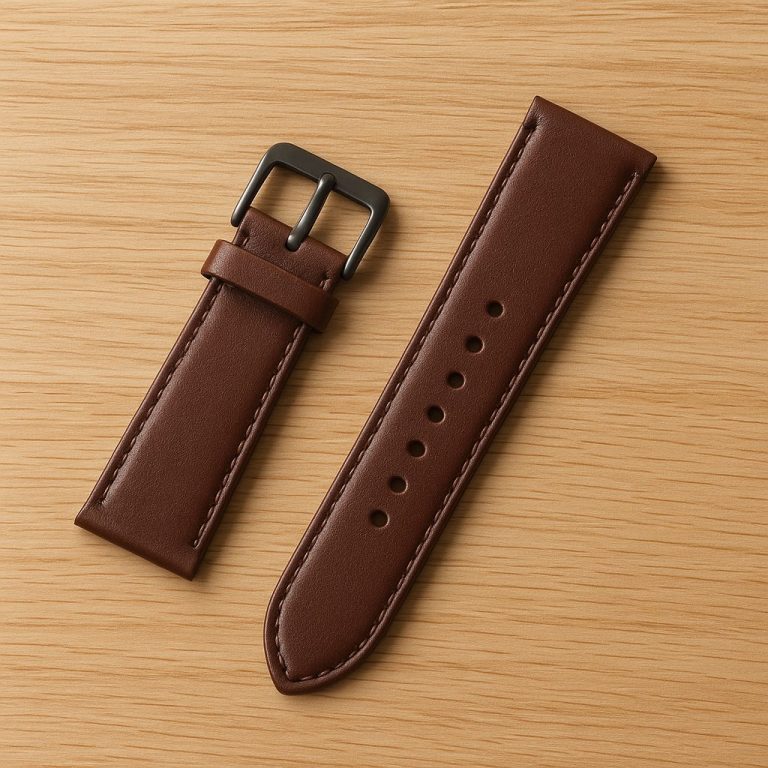
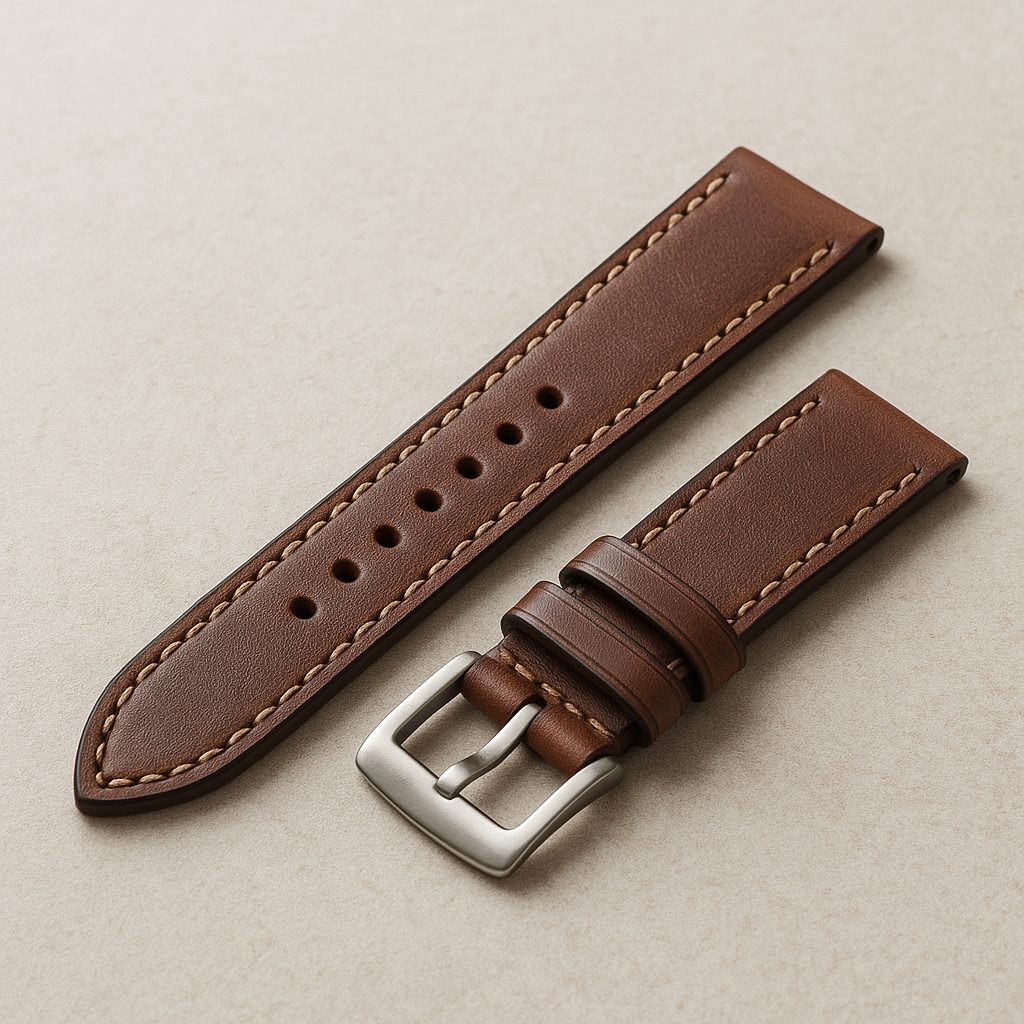
Leather watch bands are a popular choice for their timeless appeal and versatility. However, they require specific care to maintain their appearance and longevity. Understanding the care requirements of leather watch bands is essential for anyone looking to keep their accessory in prime condition. Proper maintenance can help prevent wear and prolong the life of the band, ensuring it remains a stylish addition to any watch.
Why Care for Leather Matters
Leather is a natural material known for its unique texture and durability. However, it is also susceptible to damage from moisture, dirt, and oils from the skin. Neglecting proper care can lead to discoloration, cracking, and loss of flexibility, ultimately diminishing the band’s aesthetic and functional qualities. Taking the time to care for a leather watch band can enhance its lifespan and preserve its look over time.
Basic Care Practices
Maintaining a leather watch band involves a few straightforward practices. Here are some essential tips to keep in mind:
- Regular Cleaning: Dust and dirt can accumulate on leather, leading to dullness. Use a soft, dry cloth to gently wipe the band regularly.
- Avoid Excess Moisture: Leather is not water-resistant. Remove the watch before swimming or showering, and if it gets wet, dry it with a soft cloth and let it air dry away from heat sources.
- Conditioning: Leather can dry out over time. Applying a leather conditioner every few months can help maintain its suppleness and prevent cracking.
- Storage: When not in use, store the watch in a cool, dry place away from direct sunlight to prevent fading and drying out.
Specific Cleaning Techniques
For a more thorough cleaning, consider the following methods:
- Soap and Water: For stubborn stains, mix a few drops of mild soap with water. Dampen a cloth with the solution, wipe the band gently, and then use a separate damp cloth to remove any soap residue.
- Leather Cleaner: Specialized leather cleaners are available and can be effective for tough stains. Follow the manufacturer’s instructions for application.
Dealing with Stains and Damage
Accidents happen, and leather can be stained or damaged. Here are some common issues and how to address them:
- Oil or Grease Stains: Sprinkle a small amount of cornstarch over the stain and let it sit for several hours to absorb the oil. Brush it off gently afterward.
- Water Stains: If the band has water stains, use a slightly damp cloth to wipe the area and let it air dry. Avoid heat sources that can cause the leather to crack.
- Scratches: Minor scratches can often be minimized by gently rubbing the area with a soft cloth or using a leather conditioner to help blend the scratch.
Understanding Different Leather Types
Leather watch bands come in various types, each requiring slightly different care methods:
- Full-Grain Leather: This is the highest quality leather, retaining its natural texture and grain. It ages beautifully but needs regular conditioning to maintain its suppleness.
- Top-Grain Leather: Slightly less durable than full-grain, top-grain leather has a more uniform appearance. It also benefits from conditioning but may not develop the same character over time.
- Genuine Leather: This is a lower quality leather often made from multiple layers. It requires regular care but may not be as durable or age as gracefully as higher-quality options.
Considerations for Climate and Environment
The environment can significantly impact the care needs of leather watch bands. High humidity can lead to mold and mildew, while dry climates can cause the leather to crack. Adjust care routines based on your local climate:
- Humid Environments: Consider using a leather protector spray to help repel moisture and prevent mildew.
- Dry Climates: More frequent conditioning may be necessary to keep the leather hydrated and prevent brittleness.
Alternatives to Leather Bands
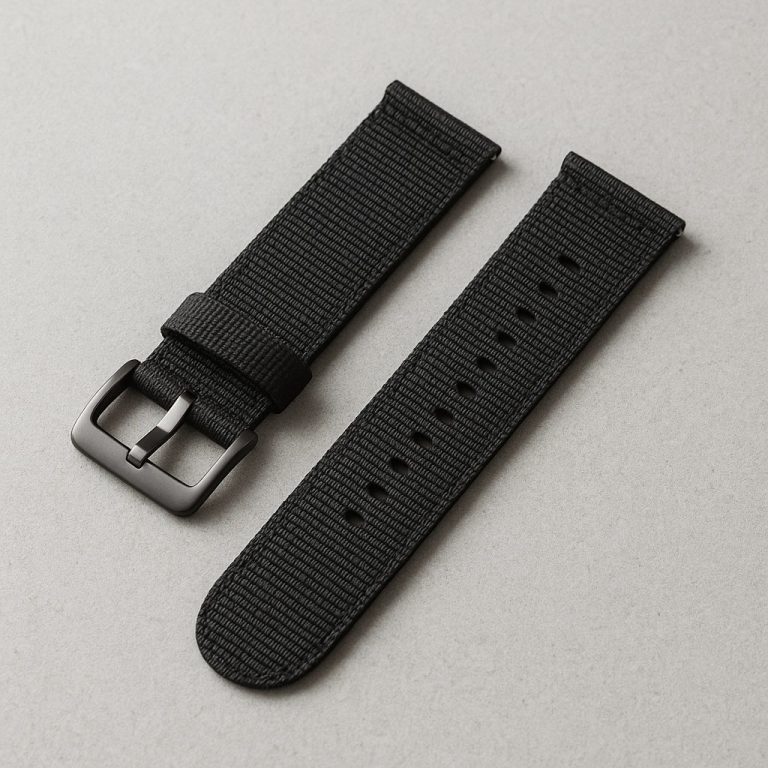
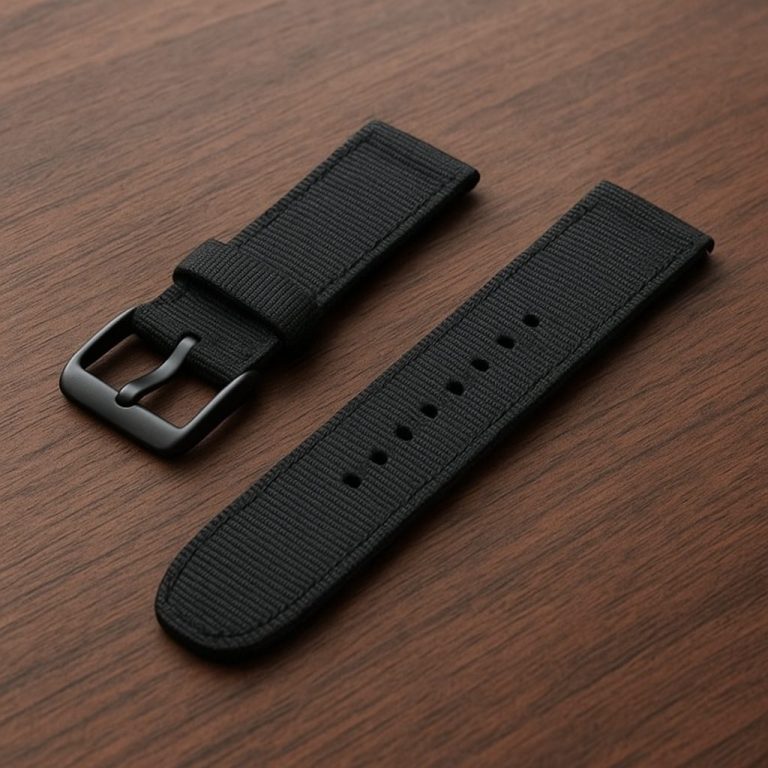
For those seeking alternatives, fabric watch bands are common, typically made from nylon. Styles such as canvas, braided, stretchy, or woven bands differ in weave, thickness, and texture, affecting their appearance and feel. Metal bands, often made from stainless steel, also offer a durable option but come with their own maintenance requirements, mainly focused on cleaning and polishing to prevent tarnishing.
Conclusion
Understanding the care requirements of leather watch bands is vital for ensuring their longevity and maintaining their visual appeal. Regular cleaning, conditioning, and proper storage are key components of care. By following these guidelines and considering the type of leather, environmental factors, and potential alternatives, watch owners can make informed decisions about maintaining their timepieces effectively.