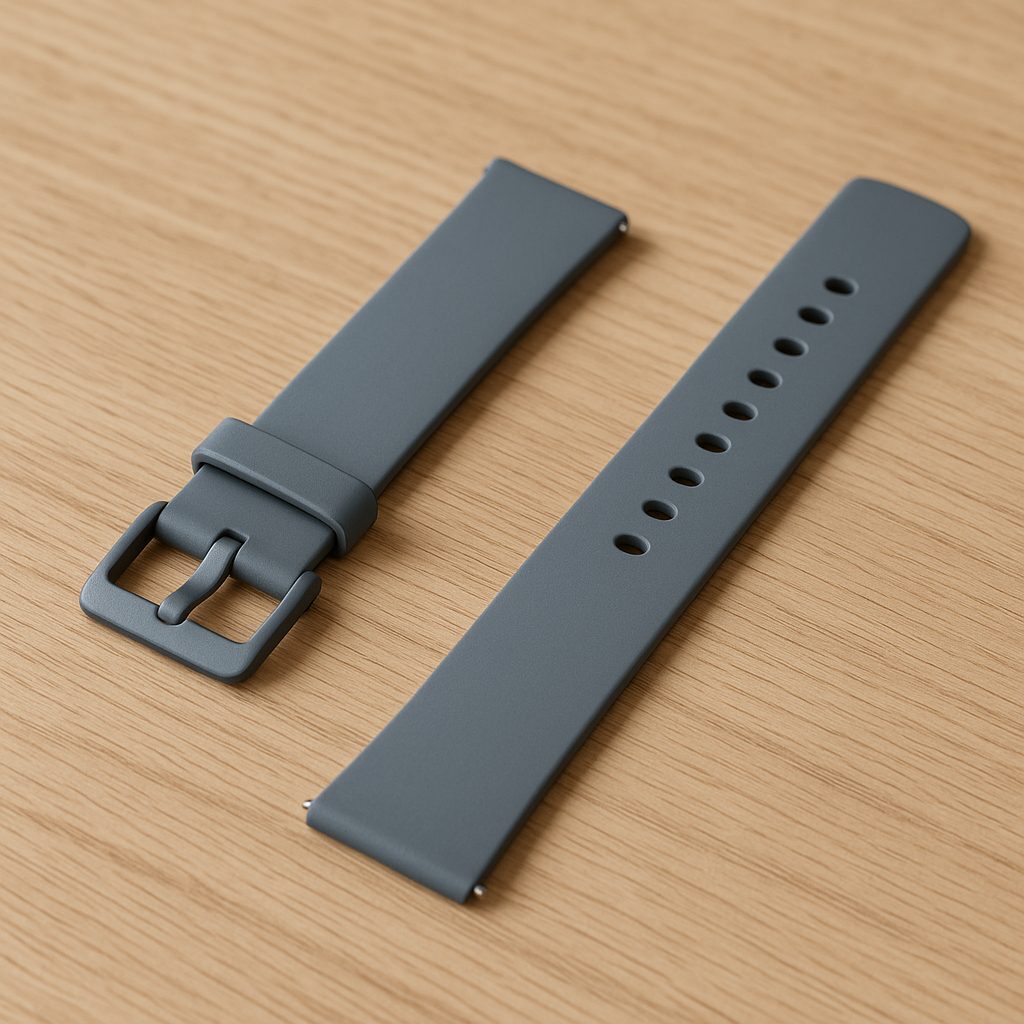
How daily temperature changes affect watch band fit and flexibility
Why Watch Bands Feel Tighter or Looser Throughout the Day
After stepping outside on a chilly morning, you may notice your metal watch band feels a little loose—only for it to become snug again when you return indoors or after walking in the sun. For those wearing a leather strap, the fit might seem perfect before lunch but leave a slight imprint by the afternoon. These daily changes in how a watch band fits and feels are often tied to fluctuations in temperature and environmental conditions.
How Temperature Changes Affect Watch Band Fit
Temperature directly influences both the materials used in watch bands and the wearer’s wrist. As the day progresses, shifts between air-conditioned environments, outdoor heat, or even strenuous activity create noticeable differences in band fit and flexibility. Understanding why this happens can help you choose the right adjustment or material for your needs.
Wrist Size Fluctuations and Their Impact
The human wrist can subtly expand or contract due to temperature and activity. Cold conditions tend to constrict blood vessels, causing the wrist to slim slightly. Heat or physical activity dilates blood vessels, leading to mild swelling. These changes are generally minor—often just a few millimeters—but can make a watch band feel notably tighter or looser, especially with non-stretchy materials.
Material-Specific Responses to Temperature
Different watch band materials behave in unique ways as temperatures rise or fall. The table below summarizes how common band types respond to daily temperature changes:
| Band Material | Response to Temperature Change | Flexibility Impact | Fit Impact |
|---|---|---|---|
| Metal (Stainless Steel) | Expands slightly with heat, contracts in cold | Minimal change; remains rigid | Can feel looser in cold, tighter in heat |
| Leather | May stiffen in cold, soften in heat/humidity | Less flexible in cold, more supple in warmth | Can feel rigid or snug in cold, more comfortable in warmth |
| Fabric (Nylon/Nylon Blends) | Slightly contracts in heat, can hold moisture | Some weaves loosen in warmth, others remain firm | Fit can vary with weave and thickness |
| Silicone | Becomes softer in heat, firmer in cold | Noticeably more pliable when warm | Fit feels tighter when warm, looser if cold |
Metal Watch Bands and Temperature
Most metal watch bands are made from stainless steel because it resists corrosion and handles daily wear well. Like all metals, stainless steel expands when heated and contracts when cooled. While the size change is small, a metal bracelet may feel looser on a cold morning and become snug as your body and surroundings warm up. The band’s rigidity means it doesn’t adapt to subtle wrist changes, so a good initial fit is especially important during temperature swings.
Some metal bands use small links and micro-adjustment options in the clasp. Adjusting the clasp by one notch can help accommodate daily expansion and contraction, especially if you regularly move between hot and cold environments.
Leather Straps: Stiffness and Comfort
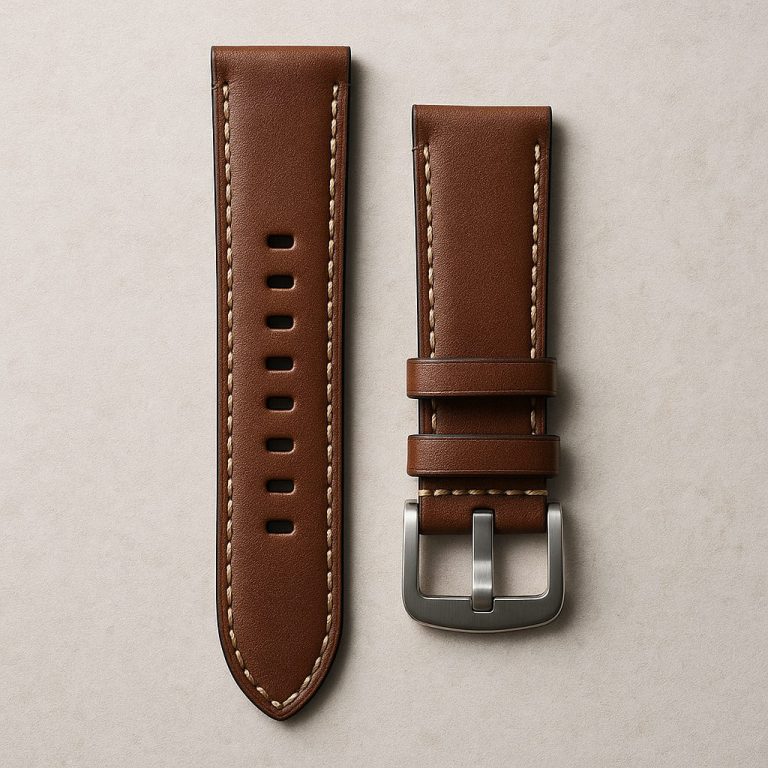
Leather is sensitive to both temperature and humidity. In cold, dry conditions, a leather strap can become stiff and less flexible, making it harder to fasten or adjust. As temperatures rise or humidity increases, leather absorbs moisture from the air and your skin, becoming more pliable and comfortable. However, this added flexibility can also make the strap stretch slightly, causing it to feel looser by the end of the day.
Leather’s natural fibers may also absorb sweat, especially in warm weather, which can lead to gradual stretching over time. If a leather strap feels tight in cold weather, waiting until you’ve warmed up indoors before adjusting it can prevent over-tightening.
Fabric Bands: Nylon and Nylon Blends
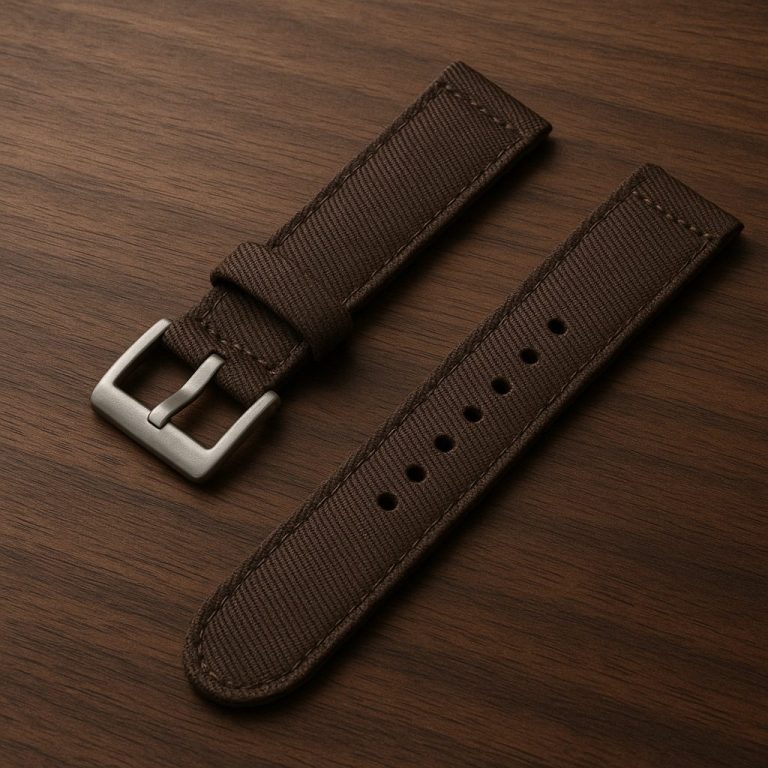
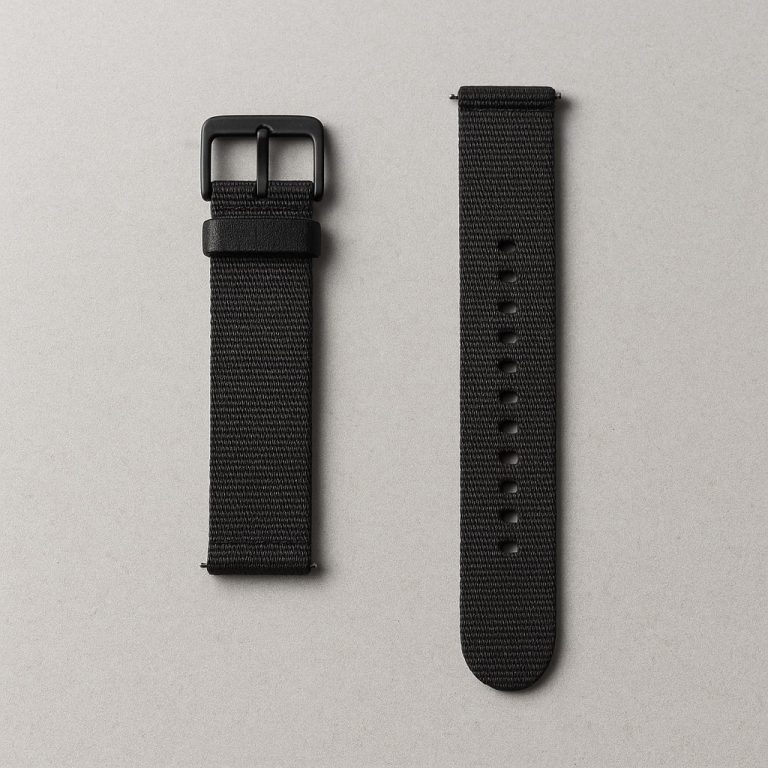
Most fabric watch bands are made from nylon or blends with similar synthetic fibers. These materials are popular for their lightness and resilience. The weave density, thickness, and elasticity of a fabric band can influence how it responds to temperature changes. For example, a densely woven nylon strap may hold its shape well, while a stretchier, more open weave could loosen slightly as it warms against the skin.
Fabric bands tend to absorb moisture, which can make them feel tighter after sweating or exposure to humidity. In cooler, dry air, the material may contract slightly, leading to a firmer fit. For those who wear a fabric band tightly, loosening it by one hole or choosing a more elastic weave can help accommodate these daily shifts.
Silicone Bands: Flexibility and Fit in Different Conditions
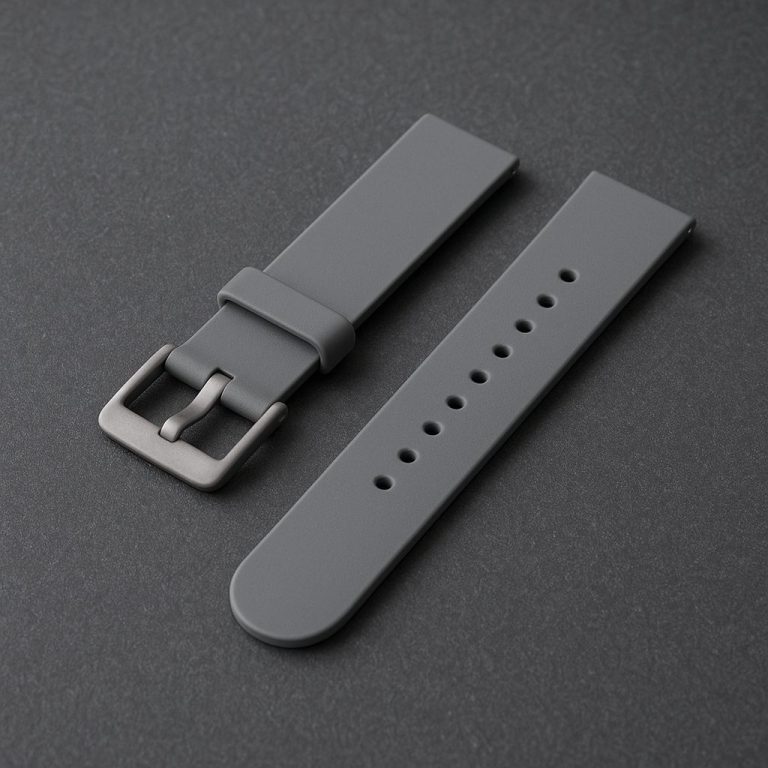
Silicone bands are widely used for their comfort and flexibility. Temperature has a noticeable effect on silicone, which becomes softer and stretchier in warmth and firmer when cold. In hot weather or during exercise, a silicone band may feel more snug as it hugs the wrist closely and adapts to minor swelling. Conversely, in cold conditions, silicone firms up and may feel slightly less comfortable, particularly if worn tightly.
To avoid discomfort, wearing a silicone band with a small amount of slack can help accommodate both temperature-driven material changes and natural wrist expansion.
Daily Adjustments and Practical Tips
Attachment mechanisms also play a role in managing daily changes. Spring bars and quick-release pins secure the band to the lugs of the watch case but do not affect fit throughout the day. Instead, the type of clasp, buckle, or fastener on the band is what allows for on-the-go adjustments.
- For metal bracelets with micro-adjustment clasps, a minor adjustment during the day can offset changes in wrist size or band expansion.
- Leather and fabric bands with multiple holes offer the flexibility to change fit in a matter of seconds. If a strap feels tight due to heat or swelling, loosening it by one hole can quickly improve comfort.
- Hook-and-loop closures on some fabric bands make small adjustments very easy as conditions shift.
- Silicone bands often use pin-and-tuck or traditional buckle systems, which also allow for quick size changes.
Checking your watch fit at different times—such as after being outside or following physical activity—can help you catch discomfort before it becomes a distraction.
Material Behavior Across a Typical Day
From morning chills to afternoon warmth, temperature plays a quiet but significant role in watch band comfort. The degree of change depends on the band material, the environment, and even your own physiology. By understanding how leather, metal, fabric, and silicone respond to daily temperature swings, you can anticipate when to make small adjustments—or choose materials and styles that better match your routines.