How Tight Should a Watch Band Be for Comfort and Accuracy?
Finding the Right Fit for Your Watch Band
Choosing the right tightness for a watch band is essential for both comfort and accuracy. A well-fitted band ensures that the watch stays securely on the wrist, while also allowing for proper functioning of features such as heart rate monitors or other sensors. Understanding how tight a watch band should be can enhance the overall wearing experience and improve the performance of the watch.
Comfort: The Key to Enjoying Your Watch
Comfort is a major consideration when determining how tight to wear a watch band. A watch band that is too tight can cause discomfort, restrict blood flow, and result in skin irritation. Conversely, a band that is too loose may not stay in place, causing the watch to slide around, which can be both distracting and annoying.
How to Assess Comfort
Here are some tips to help assess whether your watch band is comfortable:
- When wearing the watch, you should be able to slide one or two fingers underneath the band without excessive force.
- The watch should rest comfortably against your wrist, without digging into the skin.
- Pay attention to any pressure points or areas of irritation after wearing the watch for a while.
Accuracy: The Importance of a Secure Fit
A watch that is too loose may not provide accurate readings, especially for timepieces equipped with sensors. For instance, fitness watches often rely on skin contact for tracking metrics such as heart rate or activity levels. If the watch is not snug against the wrist, the readings may be affected.
How Tight is Too Tight?
A watch should be snug enough to remain in place but not so tight that it causes discomfort. Here are some guidelines to help find the right balance:
- The watch should not shift significantly when you move your wrist.
- It should not leave deep indentations on your skin after being removed.
- Wearing the watch should feel natural, without any pinching or pressure.
Watch Band Materials and Their Impact on Fit
The material of the watch band can significantly influence how it feels on the wrist. Different materials have unique properties that affect comfort and fit.
Leather Bands
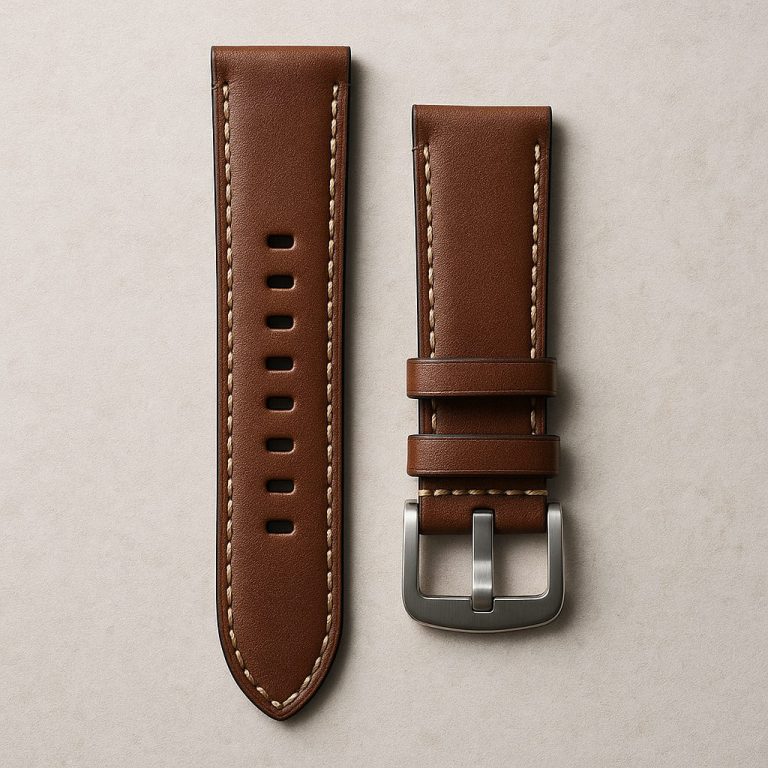
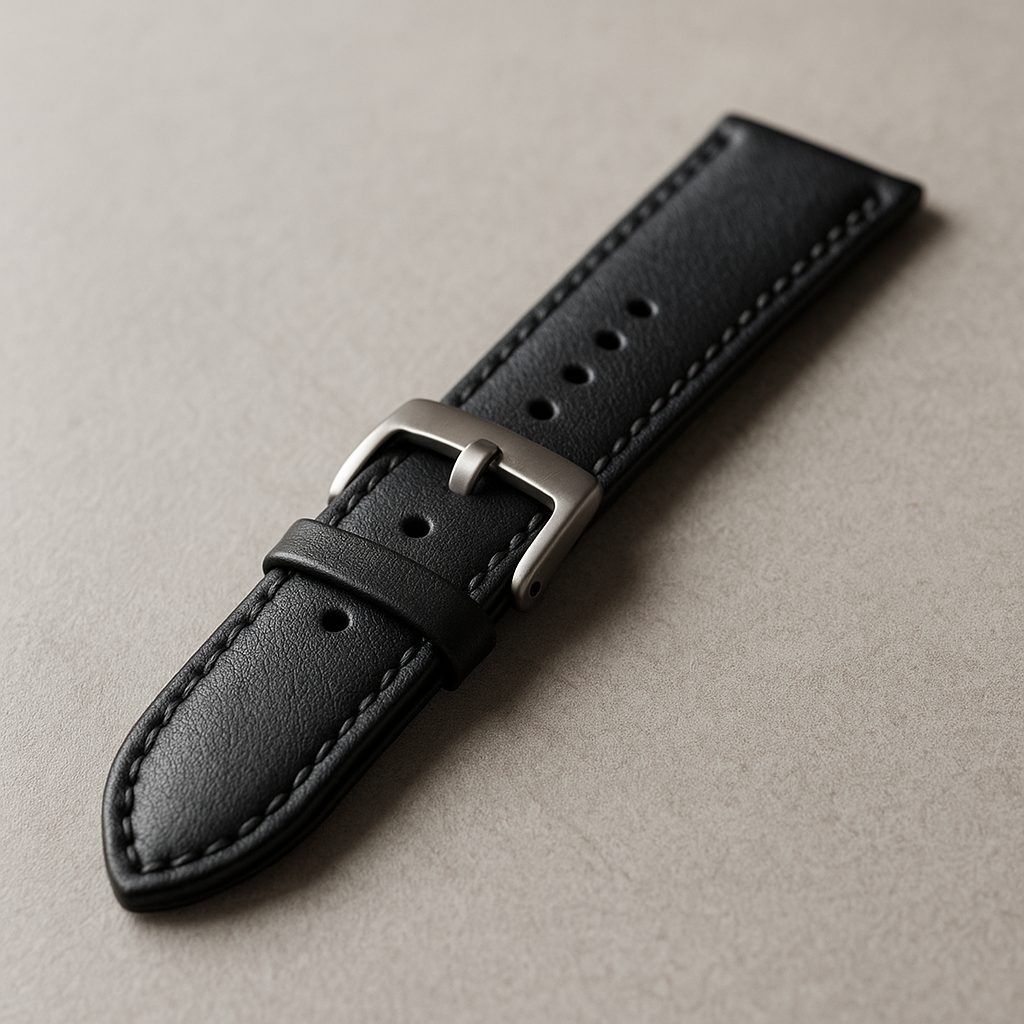
Leather watch bands tend to soften over time, making them more comfortable with wear. However, they can also stretch, which may lead to a looser fit as time goes on. It’s important to find a balance that feels comfortable initially, keeping in mind that the fit may change as the leather ages.
Metal Bands
Metal bands, commonly made from stainless steel due to its durability and corrosion resistance, can often be adjusted for a more customized fit. Links can be added or removed to achieve the right tightness. A well-fitted metal band should feel secure without pinching the skin.
Fabric Bands
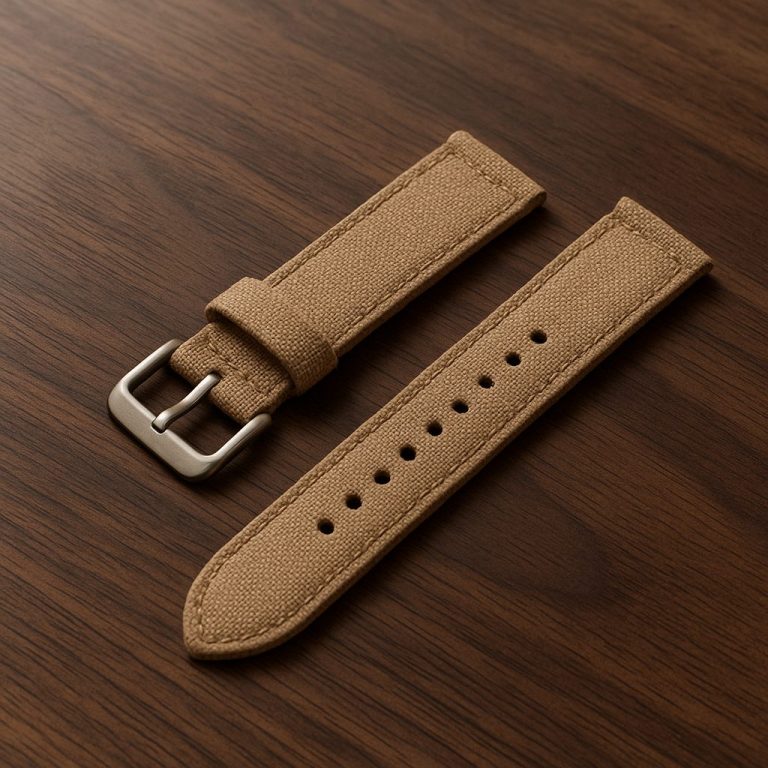
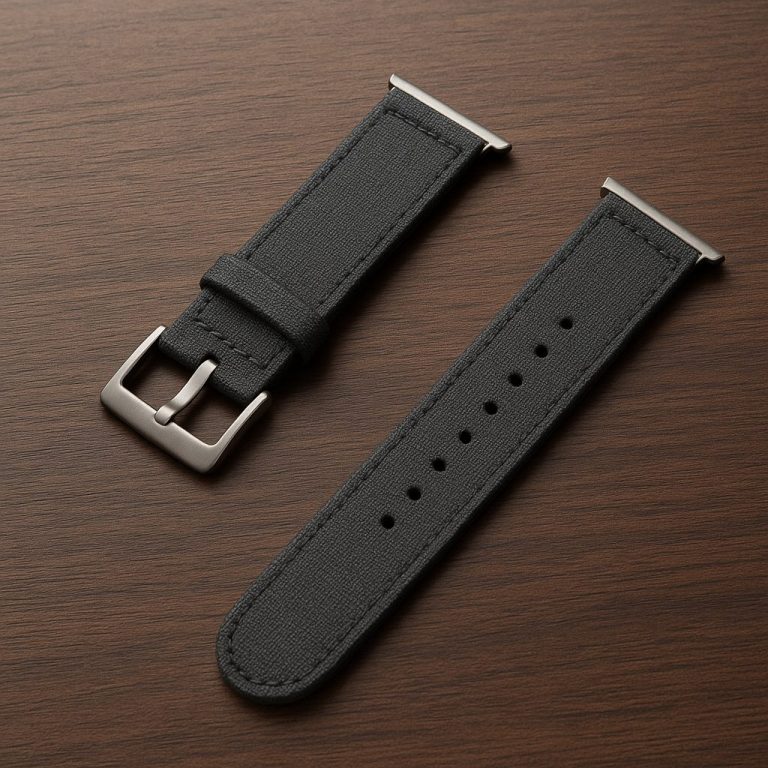
Most fabric watch bands are made from nylon. Styles such as canvas, braided, stretchy, or woven bands differ in weave, thickness, and texture, which affects how they feel against the skin. These bands can offer a comfortable and breathable option, but it’s important to ensure they are not too tight, as this can lead to discomfort during prolonged wear.
Adjusting Your Watch Band
Many watch bands come with adjustable features, allowing wearers to find their ideal fit. Here are some common adjustment methods:
- **Pin and buckle**: This is common in leather and fabric bands, where the pin can be inserted into different holes for a snug fit.
- **Link removal**: For metal bands, links can often be removed to shorten the band.
- **Sliding clasps**: Some fabric and metal bands feature sliding clasps that allow for easy adjustments.
When to Reassess Your Watch Band Fit
Over time, factors such as weight changes, swelling, or variations in temperature can affect how a watch band fits. It is a good practice to reassess the tightness of your watch band periodically, especially after significant changes in your body or lifestyle. Additionally, if you notice that the watch is shifting or if you experience discomfort, it may be time to make adjustments.
Conclusion
Finding the right tightness for a watch band is crucial for both comfort and accuracy. A snug fit allows for accurate readings and prevents the watch from moving excessively on the wrist, while also ensuring comfort throughout the day. Understanding different materials and the methods for adjusting watch bands can help in achieving the ideal fit, enhancing the overall experience of wearing a watch.