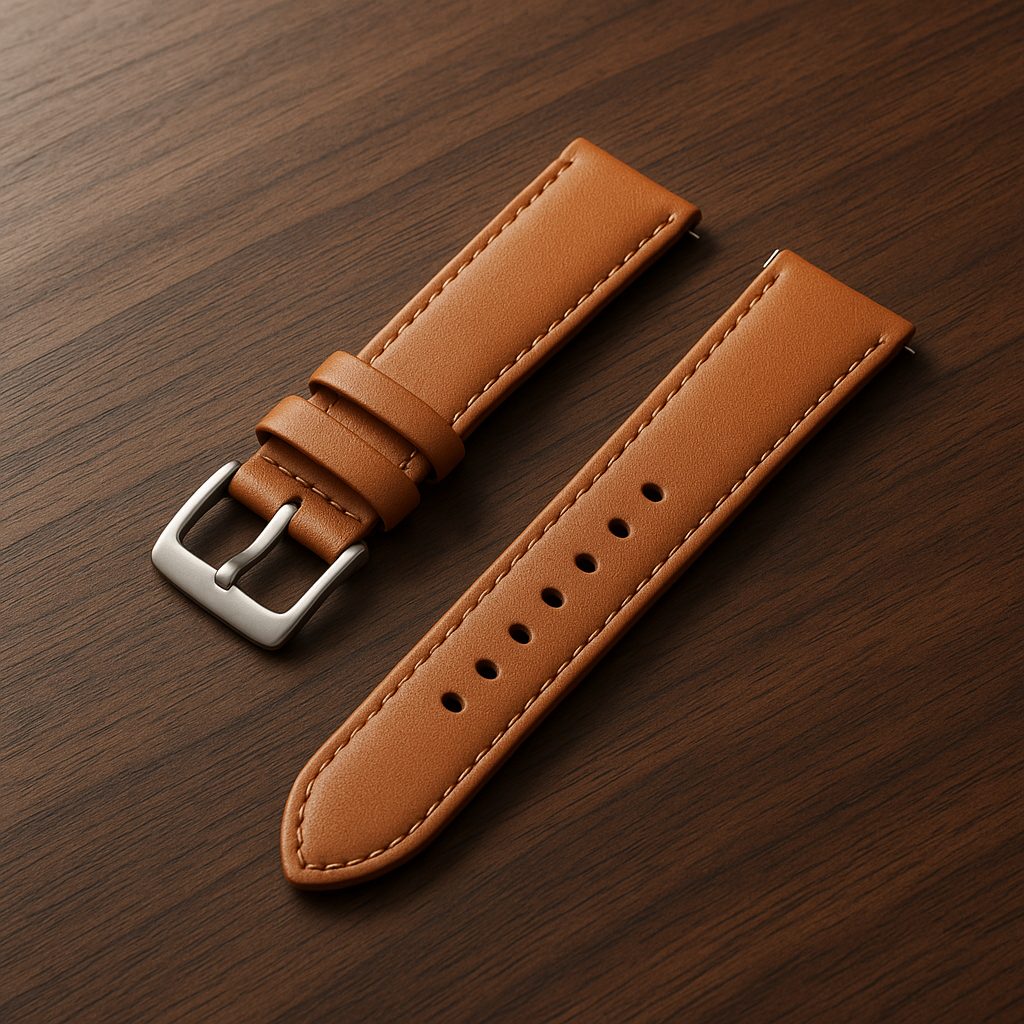
How to choose a watch band that transitions well between casual and formal use
Adapting Your Watch for Both Everyday and Formal Occasions
Imagine you have a favorite watch—perhaps it’s the one you reach for before heading to work, but you also want it to look appropriate at a family celebration or a more formal gathering. Instead of switching to a different watch, you consider changing the band to suit both casual and formal settings. Choosing a watch band that transitions well between these environments can make your watch versatile and practical, but not every band fits the bill.
Factors That Influence Versatility
Several aspects determine how well a watch band can move between relaxed and refined situations. The material, color, texture, and even the attachment style all play a role in how the band complements various outfits and events. A band that feels at home with jeans and a T-shirt but also looks polished with a suit strikes the right balance.
Material: The Foundation of Style
The choice of material has a major impact on both appearance and comfort. Here’s an overview of the main types, with a focus on how each suits both casual and formal use:
| Material | Casual Suitability | Formal Suitability | Transition Versatility |
|---|---|---|---|
| Leather | High | High (especially smooth, dark leather) | Excellent, if understated |
| Metal | Medium-High (especially brushed finishes) | High (polished finishes preferred) | Good, depending on finish and design |
| Fabric (mostly nylon blends) | High | Low-Medium (if subtle and fine weave) | Limited, but some exceptions |
| Silicone | High | Low | Poor for formal settings |
Leather Bands: A Classic Choice
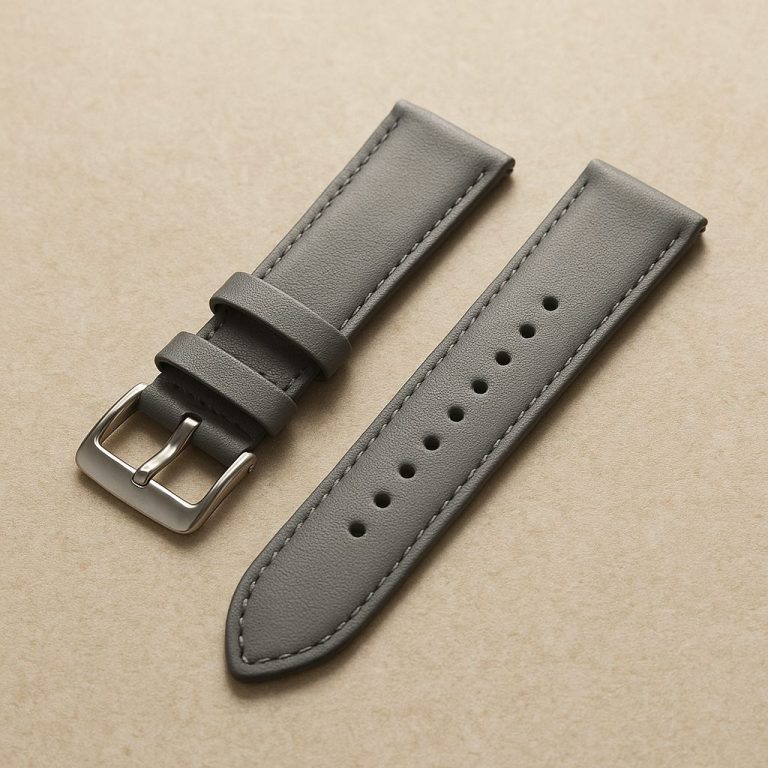
Leather is often seen as the most adaptable material for transitioning between different occasions. Smooth, understated leather bands in dark shades such as black, deep brown, or navy offer a refined appearance suitable for formal attire, but also pair well with casual clothing. Texture matters: highly textured or brightly colored leather can appear too casual for formal events, while glossy or patent leather may look out of place in a relaxed setting. A matte or lightly polished finish without heavy stitching provides the most flexibility. When in doubt, a simple, smooth leather band in a neutral color is a reliable option.
Metal Bracelets: Durable and Refined
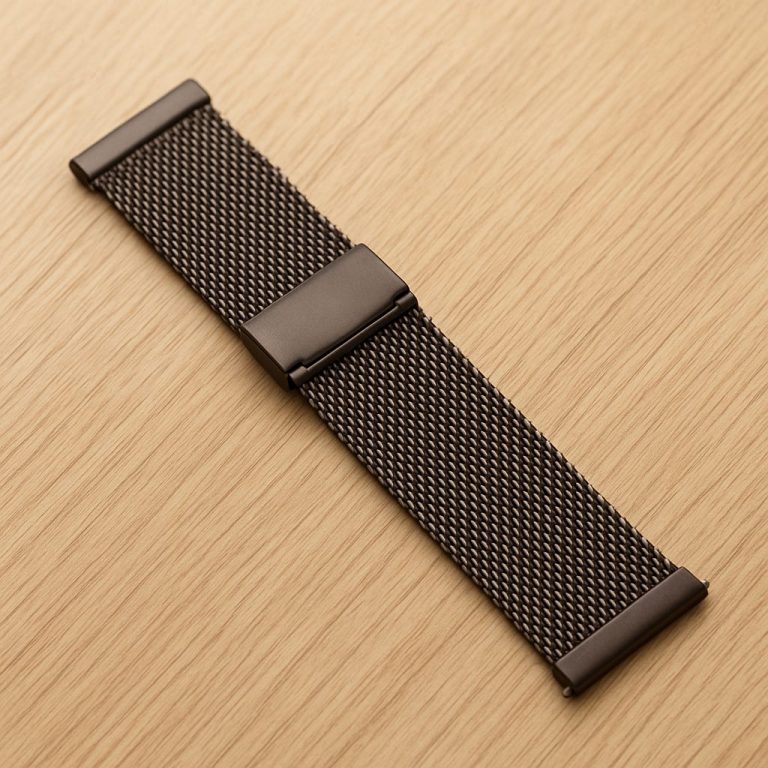
Metal watch bands, most commonly made from stainless steel due to its durability and corrosion resistance, can suit both formal and casual situations depending on their design. A finely finished, slim metal bracelet with a moderate sheen often works well with dress shirts and blazers, while chunkier or highly brushed bracelets lean more casual. If you want a metal band that fits both settings, choose one with a moderate link width and a finish that isn’t overly shiny or matte. Avoid elaborate textures or oversized links for greater versatility. A metal band can feel heavier than others, so consider comfort if you plan to wear it for long stretches.
Fabric Bands: Subtlety Is Key
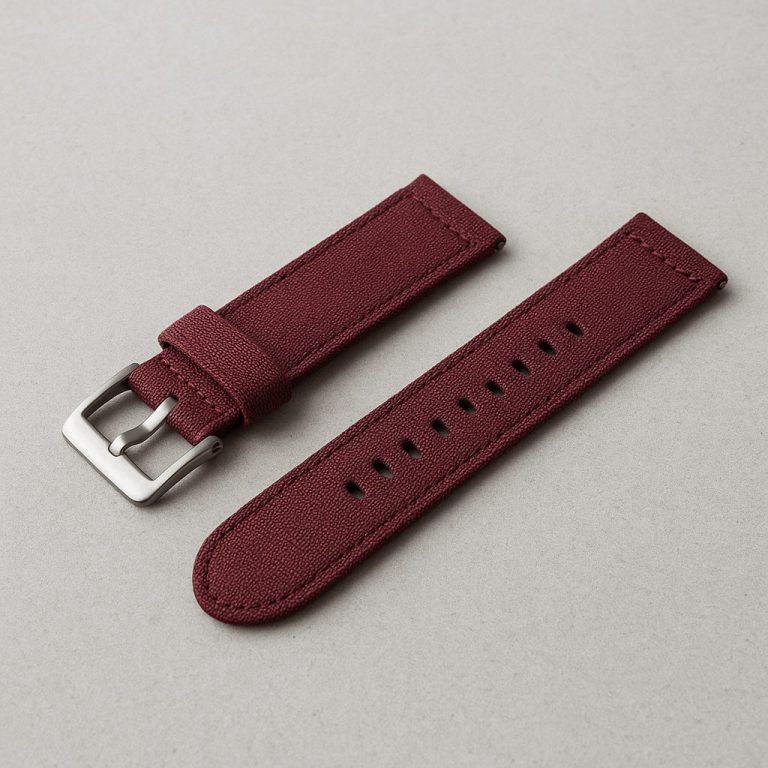
Fabric watch bands, most frequently made of nylon or nylon blends, are known for comfort and a wide range of colors. Weave density, thickness, and texture vary significantly. Thinner, closely woven fabric bands in muted colors can occasionally transition to less formal business settings, particularly if the weave is smooth and the color is understated. However, most brightly colored or heavily textured fabric bands are best reserved for casual use. For those who want a lightweight feel, a tightly woven, subtle nylon strap in dark gray or navy offers the best chance of blending into semi-formal wear.
Silicone Bands: Best for Casual Wear
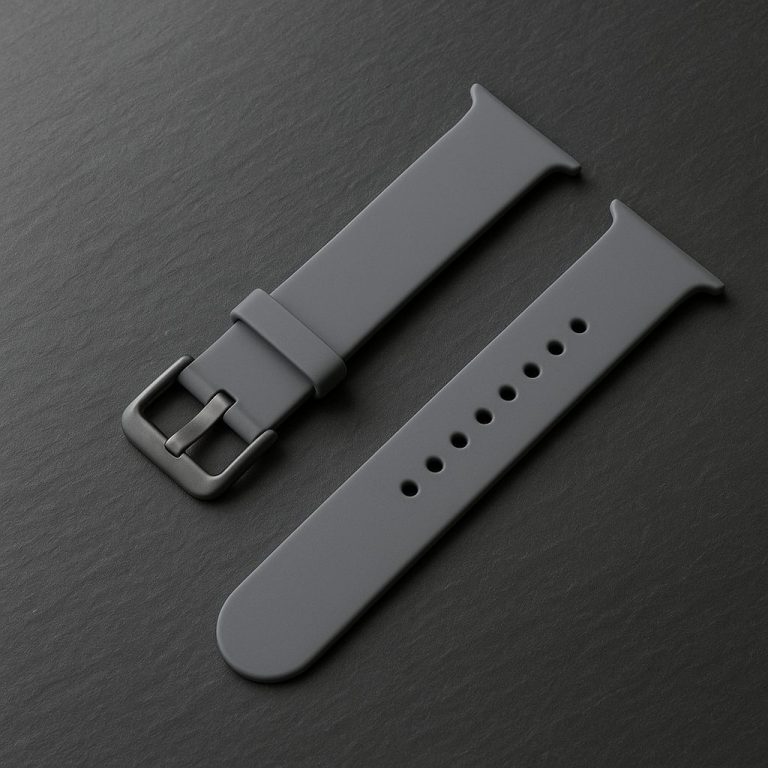
Silicone bands are valued for their flexibility, water resistance, and comfort, especially during active or outdoor use. However, the matte finish and distinctly sporty look of silicone usually make it ill-suited for formal occasions. Even in dark colors, silicone tends to stand out in dressy environments. If you need a band for both an office setting and weekend activities, silicone may not provide the sophistication required for more formal events.
Color and Finish: Matching Multiple Settings
Color choice has a strong influence on a band’s versatility. Neutral colors—black, brown, navy, gray, or silver—are easier to coordinate with both casual and formal outfits. For leather and fabric bands, avoid bold or contrasting stitching if you want the band to remain subtle. For metal bands, a brushed or lightly polished finish is less likely to clash with different styles.
Glossy or highly reflective finishes tend to look more formal, while matte textures are more relaxed. A moderate shine offers the best of both worlds. If your wardrobe is mostly in cool tones, a gray or black band will blend smoothly; for warmer wardrobes, a rich brown can look equally appropriate in many situations.
Band Width and Profile: Proportion Matters
The width and thickness of the band should suit both the watch case and your wrist size, but also the overall style you’re aiming for. Slimmer bands are generally more formal, while thick or padded bands feel casual. Aim for a band that is in proportion to the watch case—usually, a width that is about half the case’s diameter. A low-profile or gently tapered band is less likely to look out of place in either setting.
Attachment Method: Ease of Change
Some people prefer to swap bands based on the occasion. Quick-release pins make it easy to change bands without tools, while traditional spring bars require a small tool for removal. The lugs on the watch case hold the band in place, but the attachment mechanism determines how easily the band can be swapped. If you foresee changing bands often, look for a band with quick-release pins for convenience.
Practical Considerations for Everyday Transition
Daily activities might involve commuting, meetings, social outings, and the occasional formal event. A band that resists sweat and minor splashes, but still looks polished, is ideal. For example, a smooth leather band with a water-resistant lining offers both comfort and resilience. Metal bands are less likely to absorb moisture and are easy to clean, but may show scratches over time. Fabric bands dry quickly but can fade or fray with heavy use. If you expect to encounter varied conditions, choose a band that balances durability with appearance.
Summary Table: Choosing a Versatile Watch Band
| Feature | What to Look For | Why It Matters |
|---|---|---|
| Material | Leather or moderate-finish metal | Most balanced for both settings |
| Color | Neutral: black, brown, navy, gray, silver | Blends with casual and formal attire |
| Finish | Matte or light sheen | Not too flashy, not too plain |
| Width | Moderate, in proportion to case | Does not overpower or underwhelm |
| Attachment | Quick-release pins or traditional spring bars | Allows for easy changes if needed |
Making the Right Choice
A watch band that moves easily between casual and formal settings is typically understated, neutral in color, and made from leather or a modestly finished metal. It should feel comfortable for daily wear and look appropriate with both relaxed and dressy clothing. Paying attention to material, color, finish, and attachment method ensures your watch remains a reliable companion, no matter the occasion.