What causes uneven wear on one side of a watch band over time
Common Reasons for Uneven Wear on One Side of a Watch Band
It’s not uncommon to notice that a watch band—whether metal, leather, fabric, or silicone—wears out more quickly on one side than the other. For example, someone might see that the underside of their leather strap is cracking, or that the links on the 6 o’clock side of a metal bracelet appear more polished or stretched than those near the 12 o’clock side. Understanding why this happens can help prevent premature damage and extend the life of the band.
How Everyday Habits Affect Watch Band Wear
Most uneven wear results from the way the watch is worn and handled during daily use. The following factors play a significant role:
- Dominant Hand Placement: People typically wear their watch on their non-dominant wrist. Activities involving frequent wrist movement—such as typing, lifting, or using tools—can cause one side of the band to come into regular contact with surfaces. For example, if a watch is worn on the left wrist, resting the wrist on a desk may put more pressure on the band’s lower half, leading to increased abrasion or deformation.
- Wearing Style and Fit: A watch that is worn loosely may slide around the wrist, causing the band to flex unevenly. This repeated bending can put more strain on one side, especially if the clasp or buckle is always adjusted to the same point. A snug fit generally distributes wear more evenly, while a loose fit increases the likelihood of localized stress.
- Taking the Watch On and Off: Removing a watch in the same way every time can create stress points. For instance, pulling the band over the hand at an angle might stretch the attachment mechanism or put extra tension on one side of the band, particularly with fabric or silicone styles.
Material-Specific Factors That Contribute to Uneven Wear
The material of the watch band plays a critical role in how and where wear develops. Each material responds differently to daily stress, sweat, environmental exposure, and movement.
Metal Bracelets
Most metal watch bands are made from stainless steel due to its strength and resistance to corrosion. However, uneven wear still occurs. The links closest to the clasp or the case can stretch or loosen more quickly if the wrist naturally rests on one side, such as when typing or using a mouse. Friction with clothing, desk edges, or other hard surfaces can also cause micro-scratches and dulling, typically visible on the side that faces outward or downward during daily activities.
Leather Straps
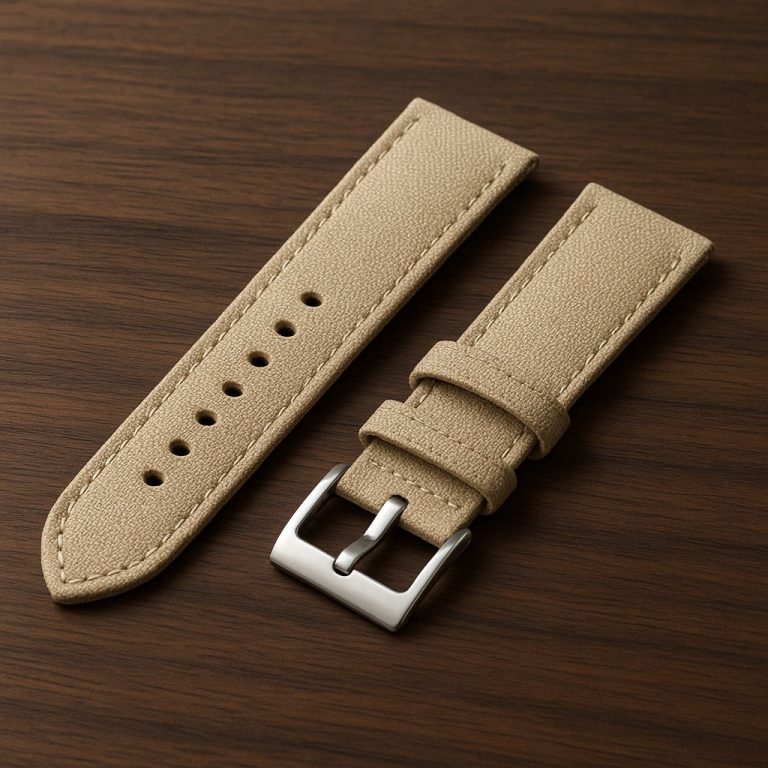
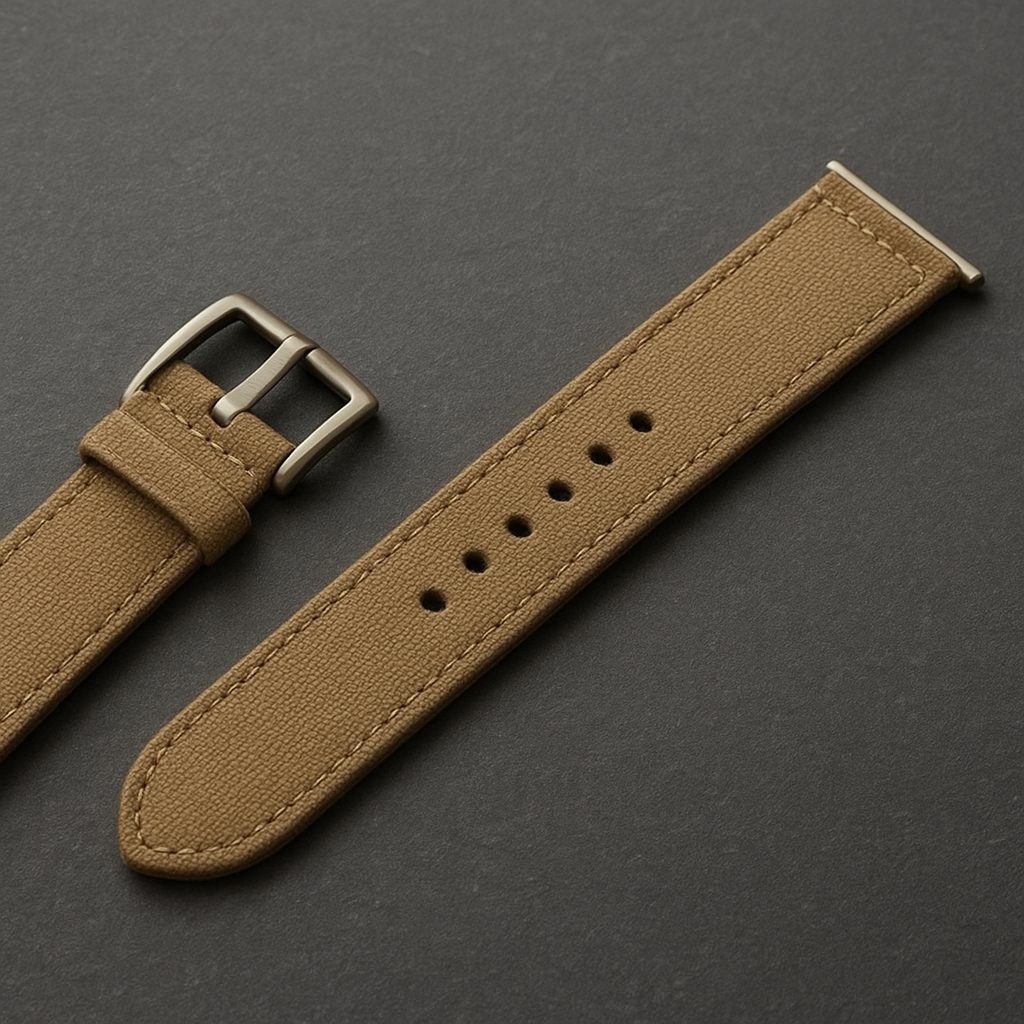
Leather is prone to absorbing sweat and moisture, especially where the band curves around the underside of the wrist. If a watch is worn tightly, the leather may crease or crack on the same side over time. Additionally, the repeated action of bending the strap to fasten the buckle can thin or weaken the material near the pinholes or the end of the strap, especially if the same hole is used daily. Environmental factors, such as exposure to sunlight or humidity, can also cause uneven fading or hardening.
Fabric Bands
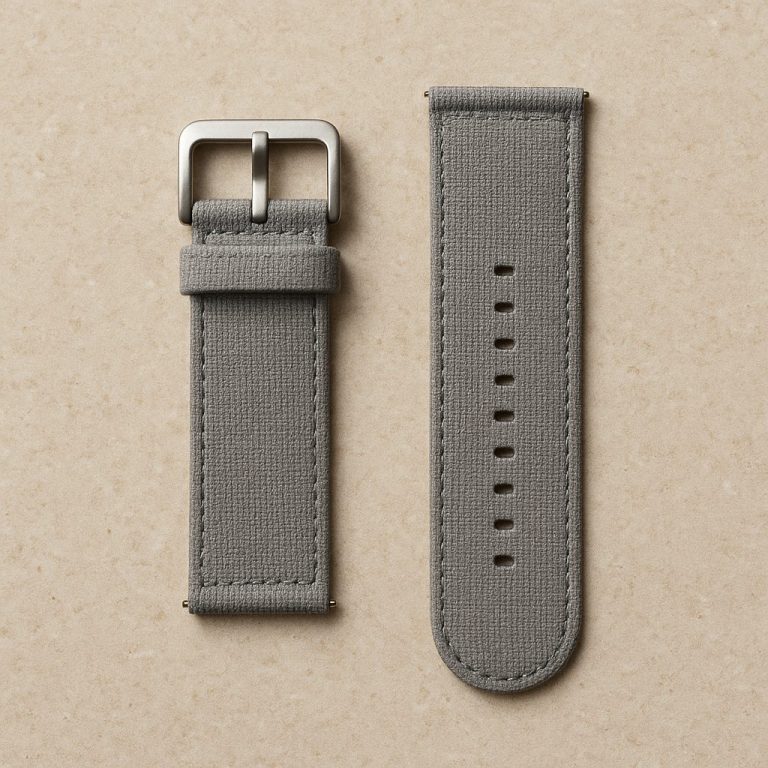
Most fabric watch bands are made from nylon or blends that vary in weave density, thickness, and elasticity. The denser or thicker areas may resist wear, while thinner sections can fray or stretch more quickly. If the band is adjusted frequently, the area near the buckle or clasp may show more wear on one side due to repeated pulling and friction. Exposure to sweat and water can cause discoloration or weakening, especially where the band makes the closest contact with the skin or is compressed between the wrist and a desk.
Silicone Bands
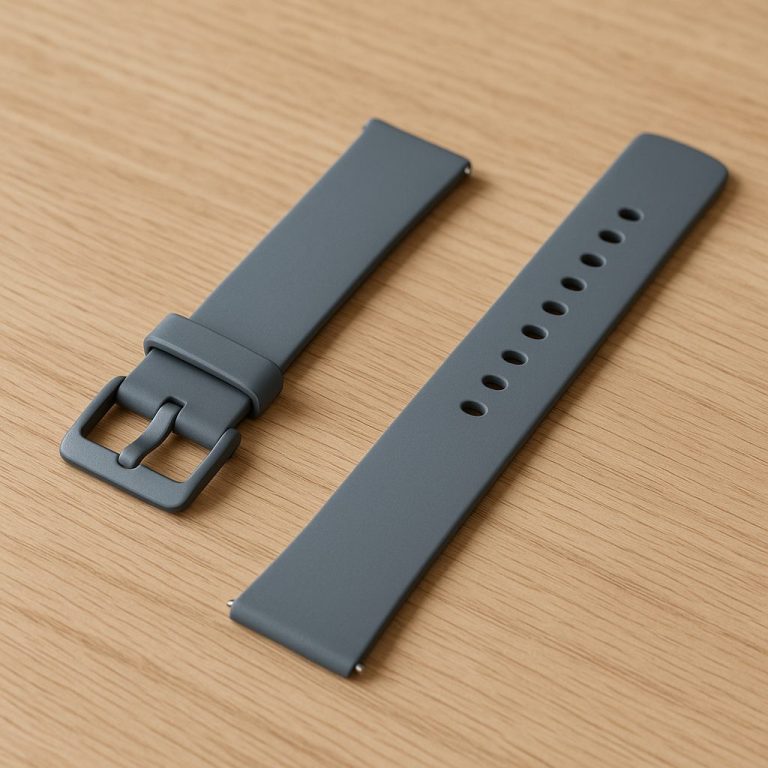
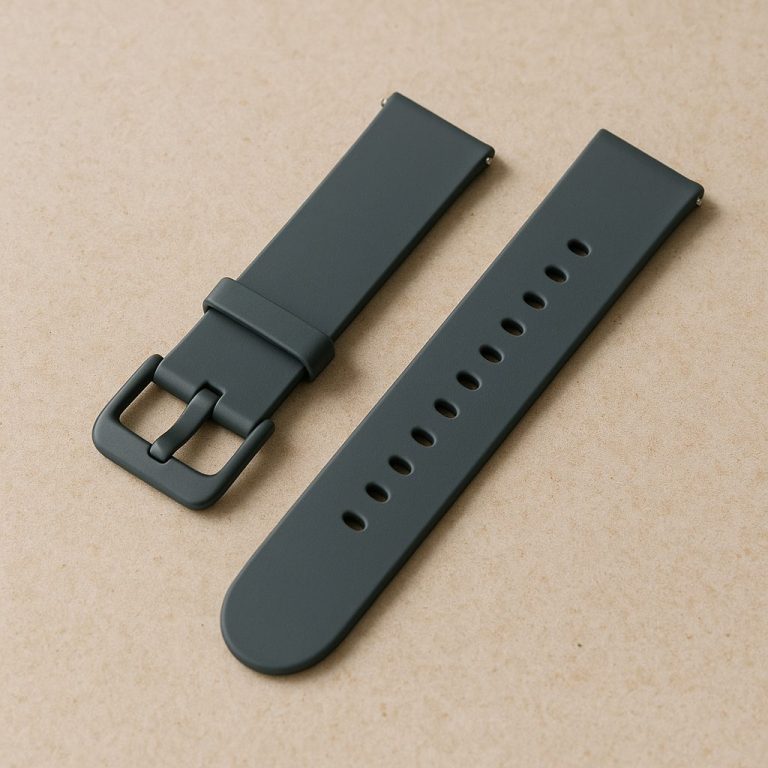
Silicone bands are appreciated for their flexibility and water resistance, but uneven wear often appears as discoloration, stretching, or the development of small tears. These issues are most common on the side of the band that flexes most during removal or where the pinholes are repeatedly stressed. Wearing a silicone band too tightly can also cause permanent deformation and thin out the section that bears the most tension.
Attachment Points and Mechanisms
How the band attaches to the watch case can influence wear patterns. Most bands are secured to the lugs of the watch case using spring bars or quick-release pins. If a band is not seated correctly, or if the spring bar is bent, the band can shift slightly during movement. This shifting concentrates stress on one side of the band or at a single attachment point, accelerating wear. In some cases, the repeated movement can even cause the attachment mechanism to fail prematurely.
Environmental and External Influences
- Moisture and Sweat: Prolonged exposure to sweat, water, or humidity can cause certain materials—leather and fabric in particular—to deteriorate unevenly. If one side of the wrist is more exposed (for example, if the palm is often down), moisture can accumulate there, causing the underside of the band to wear faster.
- Sunlight and UV Exposure: Direct sunlight can cause fading or drying, particularly on leather and fabric bands. If one side of the wrist consistently faces outward, that side may experience more discoloration or brittleness.
- Contact with Surfaces: Regular contact with rough surfaces, such as a desk, can cause abrasion on the lower side of the band, especially with metal or silicone materials. Even soft surfaces, like sleeves or cuffs, can contribute to gradual wear if the band rubs against them repeatedly.
Summary Table: Key Factors Affecting Uneven Wear by Material
| Material | Common Uneven Wear Causes | Typical Signs |
|---|---|---|
| Metal (usually stainless steel) | Friction with surfaces, clasp position, link stretching, resting on one side | Polishing, scratches, loosened links, discoloration |
| Leather | Sweat absorption, tight fit, repeated bending, sun exposure | Cracking, creasing, fading, hardening |
| Fabric (nylon blends) | Friction at clasp, sweat exposure, stretching, uneven pressure | Fraying, discoloration, thinning, loss of elasticity |
| Silicone | Frequent flexing, pinhole stress, tight fit, surface abrasion | Stretching, small tears, discoloration, permanent bends |
Reducing and Preventing Uneven Wear
While some wear is inevitable, small adjustments to daily habits can help minimize uneven damage:
- Alternate which wrist wears the watch, if possible, to distribute wear over time.
- Check the fit regularly—a secure but not overly tight band reduces unnecessary stress.
- When removing the watch, avoid excessive pulling or twisting of the band.
- Clean the band periodically to remove sweat, dirt, and debris, especially for leather, fabric, and silicone bands.
- Inspect attachment mechanisms (spring bars or quick-release pins) for proper seating to prevent shifting or excessive movement.
- Store the watch in a way that avoids bending or compressing the band on one side.
For example, if you notice that one side of a nylon strap is fraying more quickly, try adjusting the position of the clasp or rotating the strap so that wear is distributed more evenly. If a silicone band is developing thin spots near the pinholes, loosening the fit slightly may prevent further stretching.
Takeaway
Uneven wear on one side of a watch band usually results from a combination of daily habits, material characteristics, and how the band interacts with both the wearer and the environment. By understanding these factors and making small adjustments, it’s possible to extend the life of any watch band and maintain its appearance and function for longer.