How to choose a watch band that balances flexibility and structure
Finding the Right Balance: Flexibility and Structure in Watch Bands
For many people, a watch is more than a way to tell time—it’s a daily companion that needs to feel comfortable all day, whether at work, at the gym, or out for the evening. A common problem arises when a watch band feels too stiff and restrictive, making it uncomfortable, or too floppy and loose, causing the watch to move around awkwardly. Choosing a watch band that strikes the right balance between flexibility and structure can make a significant difference in daily comfort and functionality.
What Flexibility and Structure Mean for Watch Bands
Flexibility refers to how easily a watch band bends and conforms to the shape of your wrist. A flexible band can adapt to movement and wrist changes throughout the day. Structure, on the other hand, is the amount of support and shape a band provides. Structured bands hold their form, keep the watch in place, and can make a watch feel more secure. Too much flexibility can cause the watch to slide or twist, while too much structure may lead to discomfort, especially during wrist movement.
Common Situations Where Balance Matters
Consider someone who wears a watch both for office work and light exercise. During the workday, a structured band keeps the watch in place and looks tidy. However, during exercise, wrist movement can make a stiff band uncomfortable. In this situation, a band with moderate flexibility—enough to move with the wrist but structured enough to keep the watch centered—offers the best experience.
How Different Materials Affect Flexibility and Structure
The material of a watch band has the biggest impact on its balance between flexibility and structure. Each type of material brings its own qualities, and understanding these can help in making the right choice.
| Material | Flexibility | Structure | Typical Use |
|---|---|---|---|
| Metal (mainly stainless steel) | Low to moderate (depends on link design) | High | Business, formal, everyday wear |
| Leather | Moderate to high (softens with wear) | Moderate | Casual, business, dress |
| Fabric (usually nylon blends) | High (varies by weave and thickness) | Low to moderate | Sport, casual, outdoor |
| Silicone/Rubber | High | Low to moderate | Sport, active, water activities |
Metal Bands
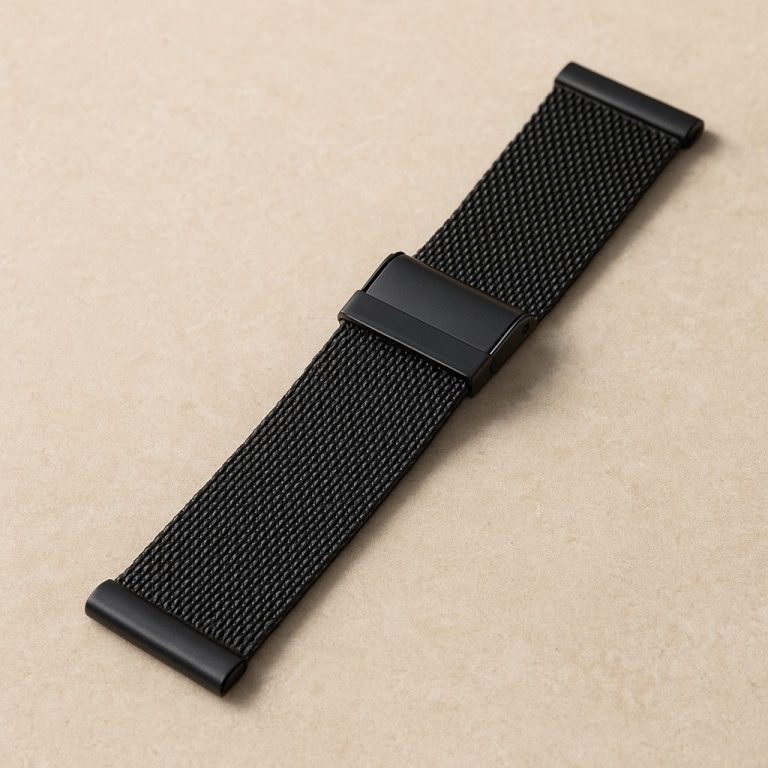
Metal bands, most commonly made from stainless steel due to its durability and resistance to corrosion, offer strong structure. They keep the watch stable on the wrist and are less likely to stretch or lose shape over time. However, metal bands can feel rigid, especially when new. The structure mainly comes from the interlocking links, which allow some flexibility but prevent the band from sagging or shifting much. Some metal bands with smaller links or mesh designs add a bit more flexibility, but the overall feel remains structured.
Leather Bands
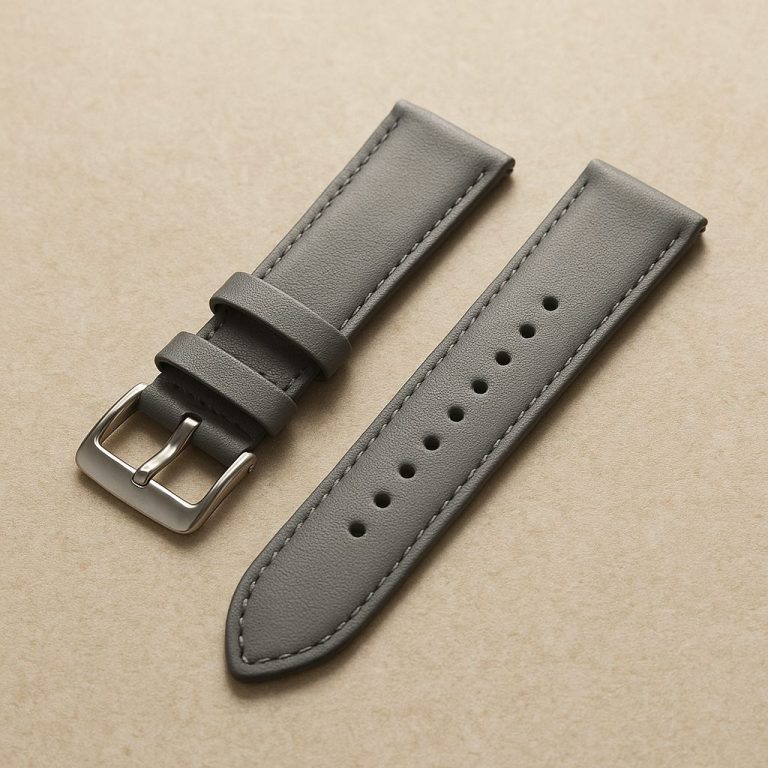
Leather bands offer a balance between flexibility and structure. When new, leather can feel slightly stiff, but it softens with wear and shapes itself to the wrist over time. This break-in period leads to a comfortable fit that adapts to movement without feeling floppy. Thicker leather bands are more structured, while thinner or more supple leathers provide greater flexibility. This makes leather a versatile choice for those seeking both support and comfort.
Fabric Bands
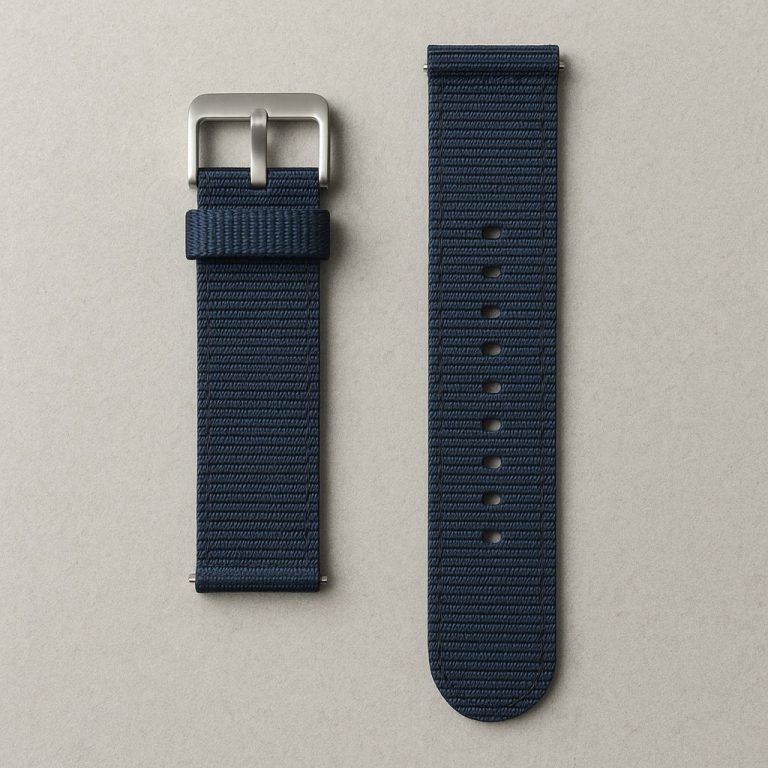
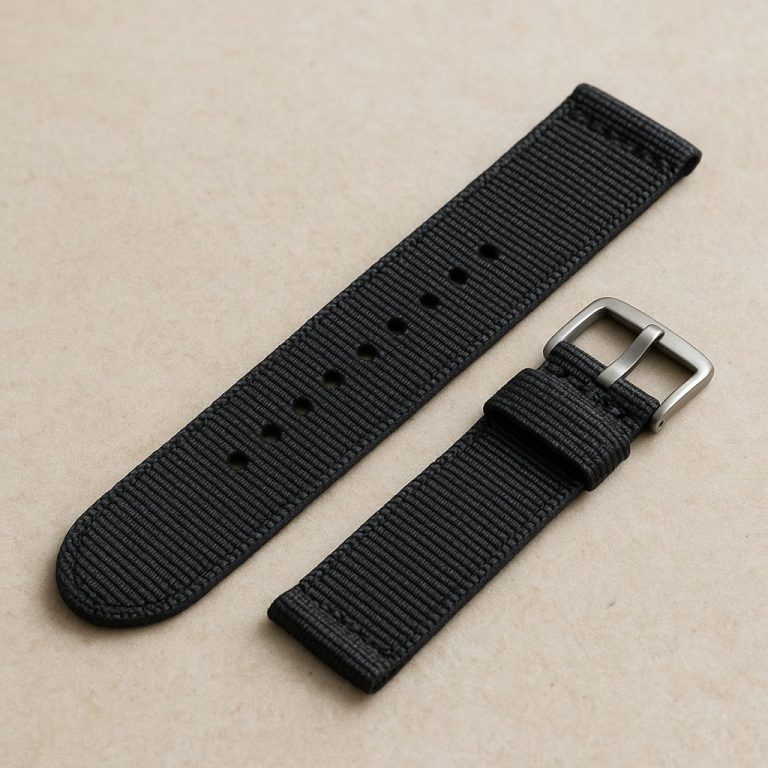
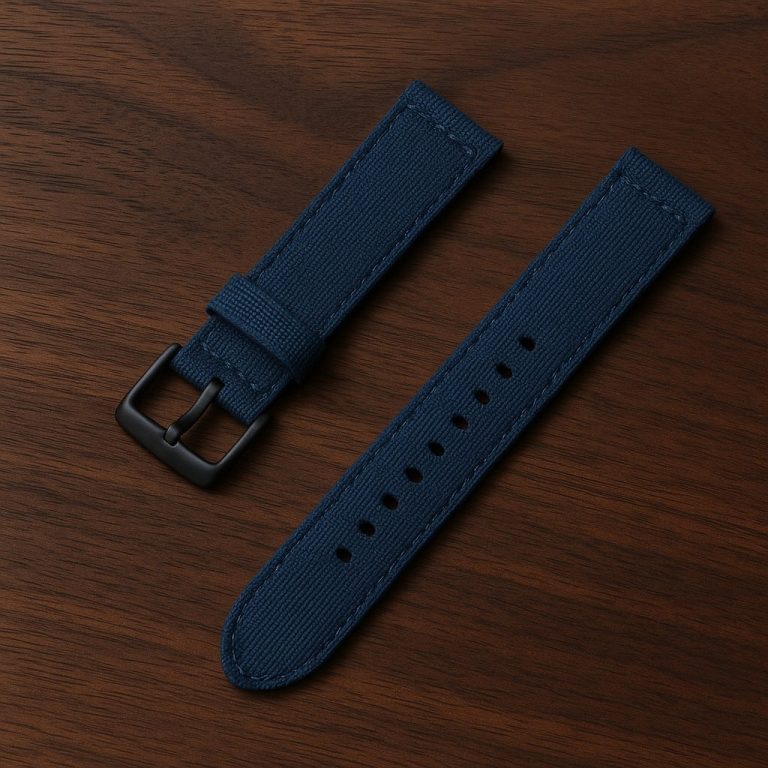
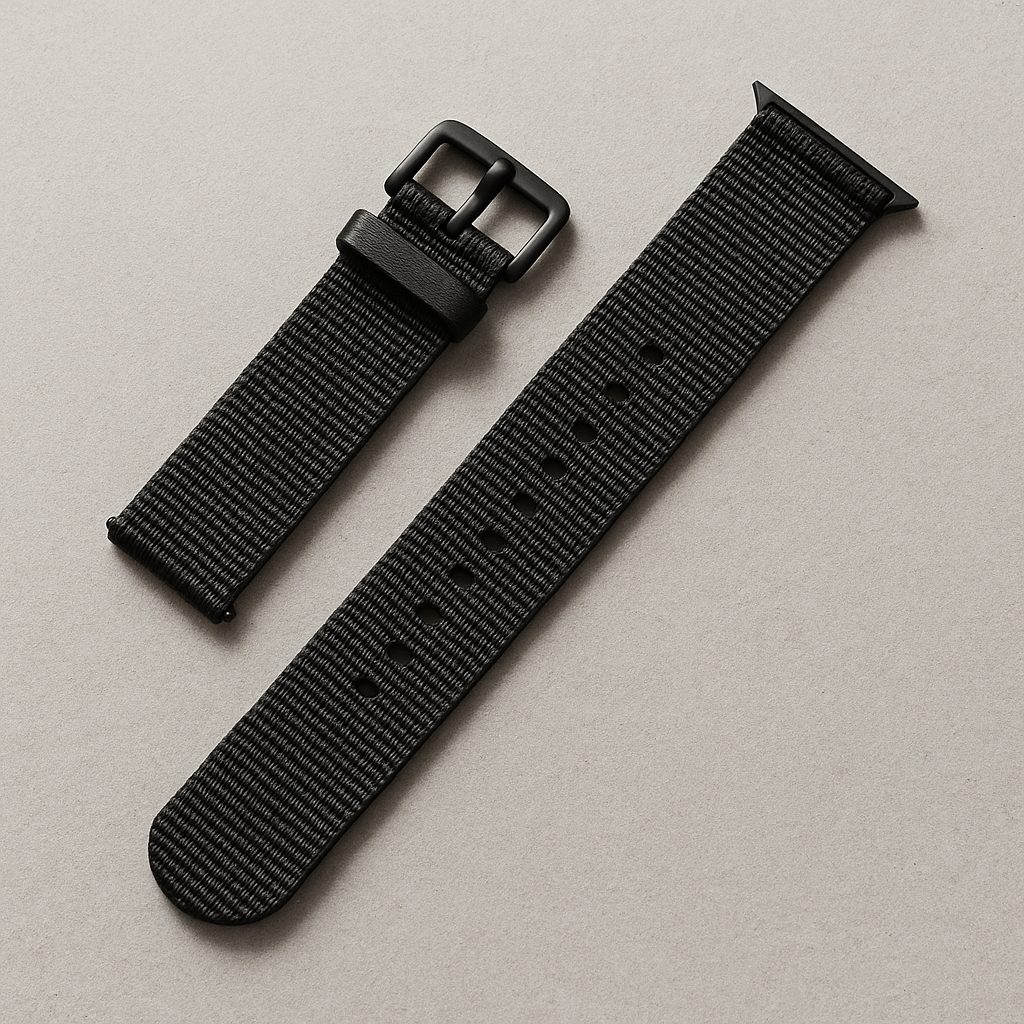
Fabric watch bands, typically made from woven nylon or nylon blends, are valued for their flexibility and lightweight feel. The properties of fabric bands depend on the weave density, thickness, and elasticity of the material. A tightly woven, thick nylon band will offer more structure and less stretch, while a thinner or stretchier weave feels softer and more flexible. Some fabric bands use layered construction for added support, but they generally prioritize movement and airflow, which can cause the watch to shift more if the band is too loose.
Silicone and Rubber Bands
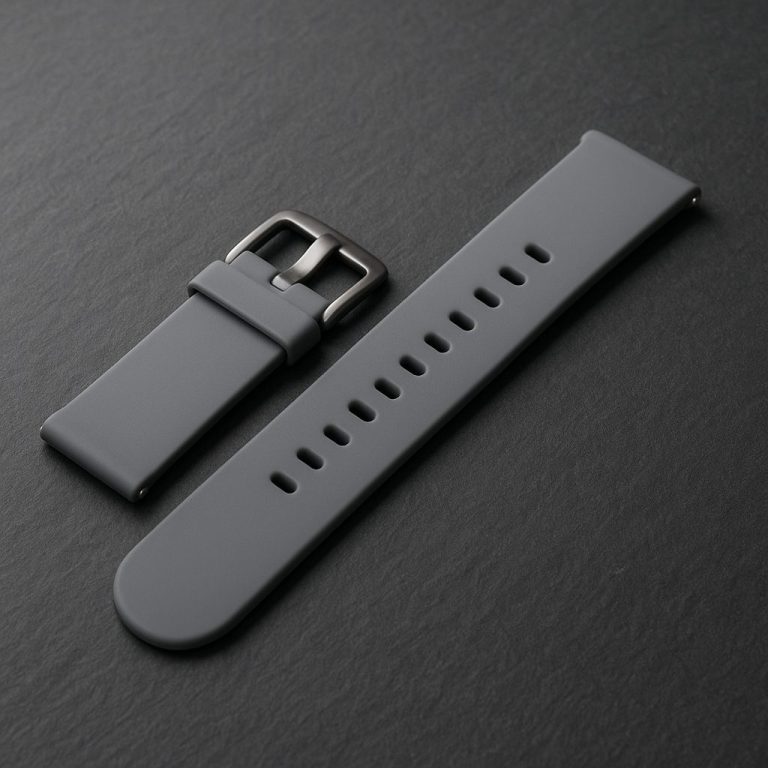
Silicone and rubber bands deliver high flexibility and are often chosen for sports or outdoor use. These bands bend and stretch easily, conforming to wrist movement, and are comfortable even during vigorous activity. However, silicone and rubber tend to provide less structure, so the watch may slide if the band isn’t adjusted snugly. Some designs add a molded pattern or reinforced edges to increase structure without sacrificing flexibility.
Factors That Affect the Feel of a Watch Band
Beyond material, several factors influence how flexible or structured a watch band feels on your wrist:
- Design and Thickness: Thicker bands, regardless of material, feel more structured. Bands with special stitching, double layers, or padding can also add support.
- Band Width: Wider bands distribute weight and resist twisting, adding to the sense of structure. Narrow bands are usually more flexible.
- Attachment Points: The way a band connects to the watch case (using lugs and spring bars or quick-release pins) can influence how freely the band moves at the ends. Some attachment designs allow more natural movement, while others hold the band at a set angle.
- Closure Mechanism: Buckles, deployant clasps, hook-and-loop closures, and other fasteners affect adjustability and how securely the band holds its shape around the wrist.
Choosing Based on Your Needs and Activities
The ideal balance of flexibility and structure depends on how and where you use your watch. Here are practical considerations for common scenarios:
- Everyday Wear: For daily use, many people prefer a moderate amount of flexibility combined with enough structure to keep the watch from rotating on the wrist. Leather or a carefully chosen metal band with smaller, articulated links can work well.
- Exercise and Activity: For active use, a flexible band that can move with your wrist is essential. Silicone, rubber, or a soft, tightly woven nylon band offers comfort during movement. It’s important, however, not to sacrifice all structure—ensure the band can be adjusted securely to prevent the watch from sliding around.
- Outdoor or Warm Conditions: Breathable materials like certain nylon weaves or ventilated silicone bands provide flexibility and help with sweat evaporation. Choose a fabric with a denser weave if you need more support, or a stretchier weave for greater flexibility.
- Formal Events: Structure is often valued for its tidy appearance, so a well-fitted metal or leather band is typically preferred. These materials help keep the watch centered and in place, even when moving the wrist during handshakes or other gestures.
Adjusting Fit for Balance
Finding the right material is only part of the process—how you adjust the band matters as well. A structured band worn too loosely can feel awkward, while a flexible band worn too tightly may lose its comfort advantage. Many bands, especially those with traditional buckles or modern quick-release pins, offer multiple adjustment points. For metal bands, removable links allow for precise sizing. Some fabric or silicone bands with hook-and-loop or sliding clasp systems offer even finer adjustments. Experimenting with fit can help you achieve the ideal combination of support and comfort for your daily routine.
Summary Table: Matching Band Types to Flexibility and Structure Needs
| Band Type | Best For | Flexibility | Structure |
|---|---|---|---|
| Stainless Steel Metal | Formal, stable fit | Low–Moderate | High |
| Leather | Everyday, versatile | Moderate–High | Moderate |
| Nylon Fabric | Active, breathable | High | Low–Moderate |
| Silicone/Rubber | Sport, high movement | High | Low–Moderate |
Key Takeaway
The balance between flexibility and structure in a watch band directly affects comfort, stability, and suitability for different activities. By considering material, band design, attachment, and fit, you can select a band that meets your daily needs—whether you prefer the secure feel of a structured metal band, the adaptability of leather, the lightweight give of nylon, or the easy movement of silicone.