Why Watch Bands Develop Odor and How to Clean Them Properly
The Causes of Odor Development in Watch Bands
Watch bands are a practical accessory worn daily, but over time, many wearers notice an unpleasant odor emanating from them. Understanding why this occurs is essential for maintaining both hygiene and the longevity of the watch band.
Factors Contributing to Odor
Several factors can contribute to the development of odor in watch bands, including:
- Moisture: Sweat and humidity can accumulate on the band, creating an environment conducive to bacterial growth.
- Skin Oils: Natural oils from the skin can mix with sweat, leading to a buildup that produces odor.
- Materials Used: Different materials can affect how odor is absorbed and retained. For instance, porous materials may trap moisture and bacteria more effectively than non-porous ones.
- Environmental Factors: Dust, dirt, and other contaminants from the environment can also contribute to unpleasant smells.
Material Types and Their Impact on Odor
The material of a watch band plays a significant role in its tendency to develop odor. Common materials include fabric, leather, rubber, and metal.
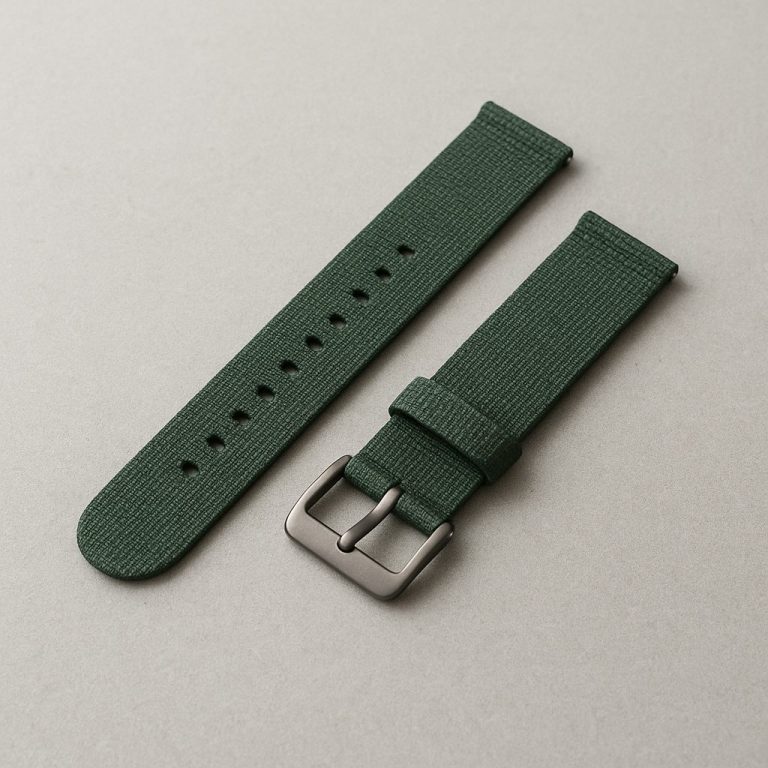
Fabric Watch Bands
Most fabric watch bands are made from nylon, which is lightweight and strong. Styles such as canvas, braided, stretchy, or woven bands differ in weave, thickness, and texture, impacting their appearance and feel on the wrist. While fabric bands offer comfort, they can absorb sweat and moisture, leading to odor if not cleaned regularly.
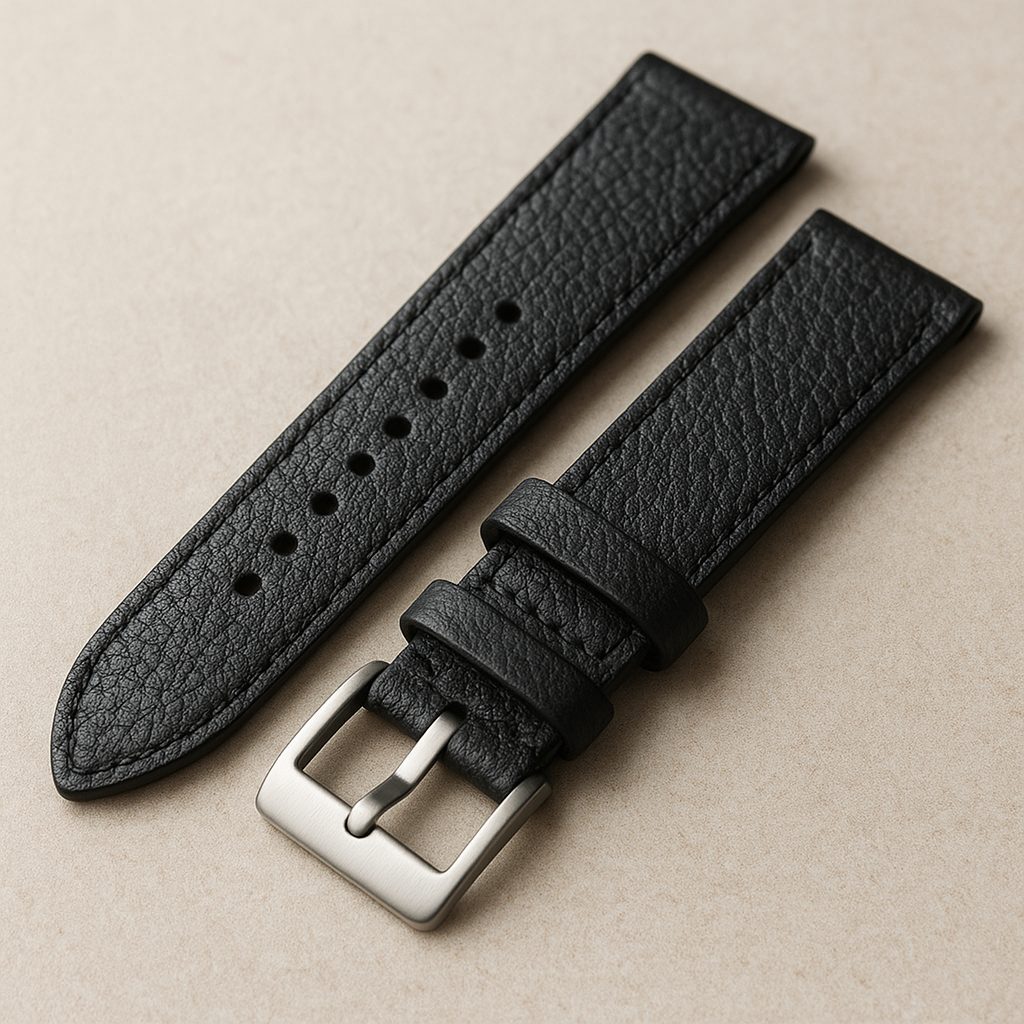
Leather Watch Bands
Leather is a popular choice due to its classic look and comfort. However, leather can absorb moisture and oils from the skin, making it prone to odor development. Regular cleaning and conditioning are essential to maintain its appearance and prevent smells.
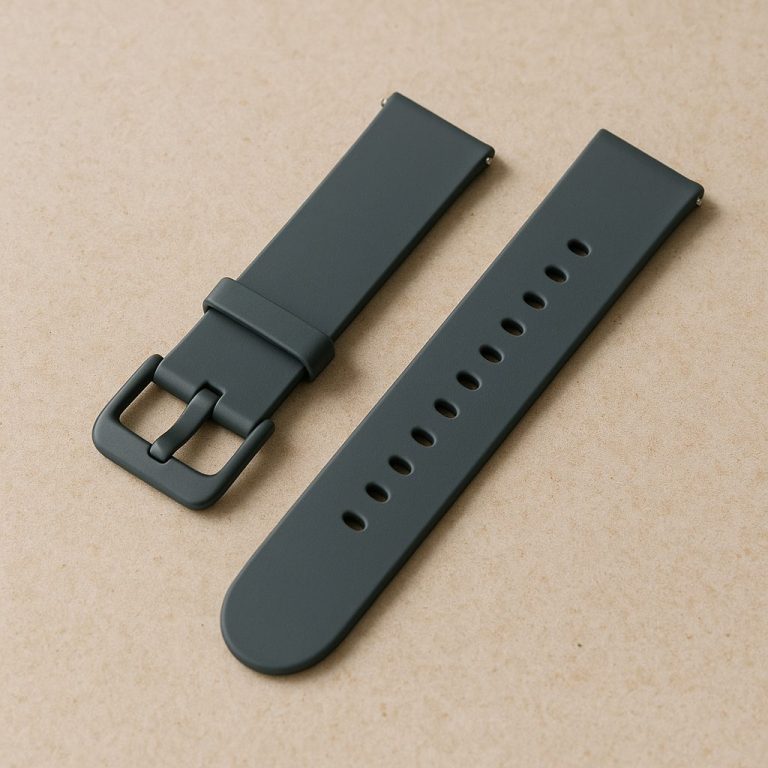
Rubber and Silicone Bands
Rubber and silicone watch bands are often favored for their durability and water resistance. They are less likely to absorb moisture compared to fabric and leather but can still develop odors if not cleaned. Over time, the buildup of sweat and dirt can cause these materials to smell.
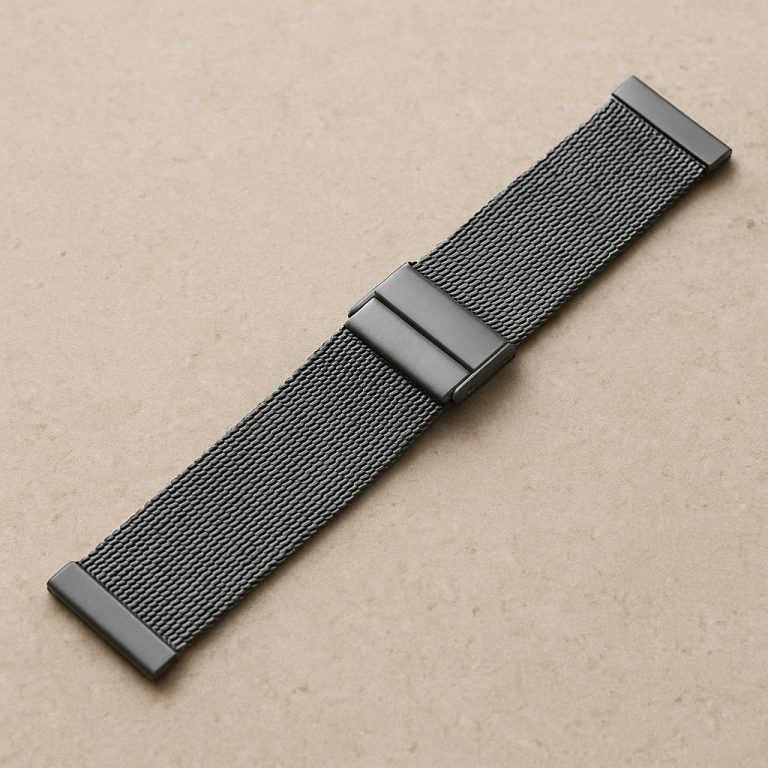
Metal Watch Bands
Metal bands, commonly made from stainless steel, are less prone to odor compared to other materials. They do not absorb moisture or oils, but they can accumulate dirt and grime, which may lead to a musty smell if not properly maintained.
How to Clean Different Types of Watch Bands
Regular cleaning is crucial to minimize odor and extend the life of watch bands. Here are some effective cleaning methods for various materials:
Cleaning Fabric Bands
For nylon and other fabric bands:
- Remove the band from the watch.
- Soak in a mixture of mild soap and warm water for about 15-30 minutes.
- Gently scrub with a soft brush or cloth to remove any dirt and odor.
- Rinse thoroughly with clean water and allow to air dry completely before reattaching.
Cleaning Leather Bands
To clean leather watch bands:
- Wipe the surface with a damp cloth to remove surface dirt.
- Use a leather cleaner specifically designed for leather care, applying it with a soft cloth.
- Condition the leather afterward to keep it supple and prevent cracking.
- Avoid soaking the leather as it can damage the material.
Cleaning Rubber and Silicone Bands
For rubber and silicone bands:
- Remove the band from the watch.
- Wash with warm, soapy water using a soft cloth or sponge.
- Rinse thoroughly with clean water and dry with a soft towel.
Cleaning Metal Bands
To clean stainless steel or metal bands:
- Use a soft cloth to wipe away dust and debris.
- If necessary, soak the band in warm soapy water for a few minutes.
- Gently scrub with a soft brush to remove grime from crevices.
- Rinse with clean water and dry thoroughly to prevent water spots.
Preventing Odor Development
In addition to regular cleaning, there are several preventive measures that can help inhibit the development of odors in watch bands:
- Rotate Bands: Using different bands can reduce wear and exposure to moisture.
- Drying After Use: Wipe the band dry after sweating or exposure to water.
- Storage: Store the watch in a cool, dry place to prevent moisture accumulation.
- Regular Maintenance: Establish a cleaning routine based on usage to keep the band fresh.
Understanding the causes of odor in watch bands and how to clean them properly can significantly enhance the wearing experience. By taking proactive steps in maintenance, it’s possible to keep your watch band looking and smelling its best.