Why does my watch keep flipping to the underside of my wrist
Why Watches Sometimes Twist to the Wrong Side of the Wrist
After fastening a watch securely, you might notice that it slowly rotates until the dial sits on the underside of your wrist. This often happens during daily activities like typing, walking, or carrying objects. The repeated shifting can feel frustrating, especially if you need to check the time frequently or if the watch case digs into your skin in uncomfortable ways. Understanding the reasons behind this movement can help you address the problem directly and wear your watch more comfortably.
How Watch Movement Occurs on the Wrist
A watch flipping to the underside of your wrist is caused by a combination of gravity, wrist movement, band fit, and the interaction between the materials of the watch and your skin. Several mechanical and anatomical factors can influence this behavior, and each plays a distinct role:
- Balance of Weight: The weight of the watch case compared to the band can cause it to rotate if not balanced well on the wrist.
- Band Fit and Tension: A watch band that is too loose allows the watch to slide and twist during movement.
- Band Material: The slipperiness, flexibility, and friction of the band against your skin can encourage or resist movement.
- Wrist Shape and Size: The natural taper and contours of your wrist affect how the band and watch case sit and move.
- Attachment Method: How the band connects to the watch case—using lugs with spring bars or quick-release pins—can affect the alignment and movement of the watch.
Weight Distribution: The Role of Watch Case and Band
The balance between the watch case and the band is a key reason why a watch may flip. If the case is heavy and the band is lightweight or flexible, gravity tends to pull the case downwards, especially during movement. A metal bracelet, for example, often balances the weight of a stainless steel case well because both components are hefty and rigid. In contrast, a large, heavy watch head paired with a thin fabric or silicone band can exaggerate the tendency to rotate.
Watches with larger or thicker cases—especially those with added features like chronograph mechanisms—are more likely to flip if the band does not provide enough counterbalance or grip. This effect is amplified if the watch is worn loosely.
Band Fit and Adjustment
Band fit is often the most immediate factor. If a watch band is not snug enough, the case has room to move and rotate around the wrist. However, wearing a band too tightly can cause discomfort or restrict circulation. The ideal fit is secure but comfortable, allowing for minimal movement but not pinching the skin.
Some adjustment systems, such as those found on metal bracelets, allow for fine-tuning by adding or removing links or using micro-adjustments in the clasp. Leather straps, fabric bands, and silicone bands typically rely on pre-set holes or a sliding buckle, which may not offer as precise a fit. When a band falls between two hole settings, it may be tempting to choose the looser option for comfort, but this can encourage the watch to flip.
How Different Band Materials Affect Watch Movement
The material of the band plays a significant role in how securely the watch stays in place. Each major type of band material interacts differently with the skin, affecting friction, flexibility, and grip:
| Band Material | Common Characteristics | Impact on Watch Movement |
|---|---|---|
| Metal Bracelet | Usually stainless steel; rigid, smooth, adjustable | Less likely to slip if well-fitted; weight can balance the watch case |
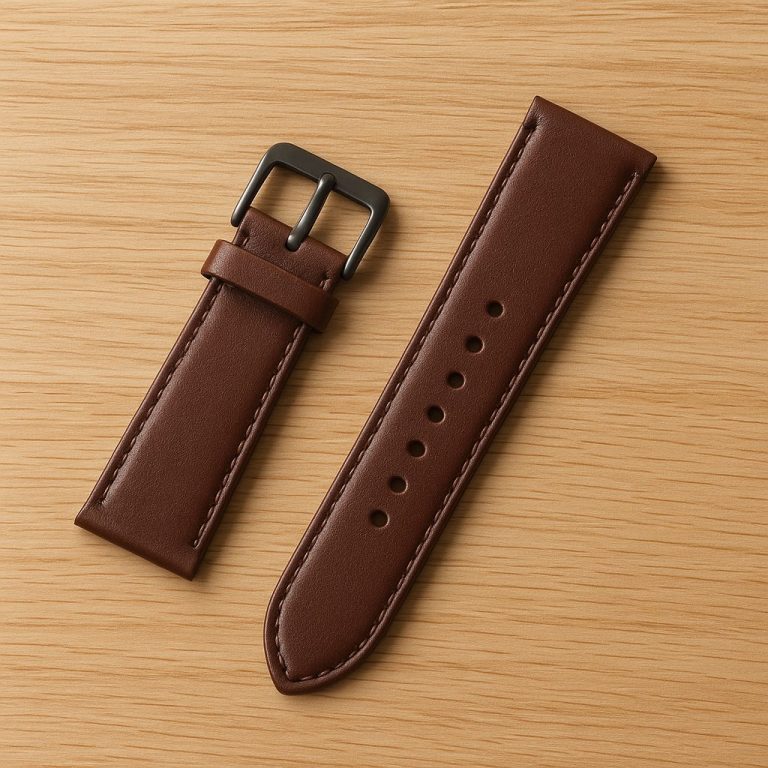
| Leather Band | Supple, conforms over time, moderate friction | Secure when new; may stretch, causing looseness over time |
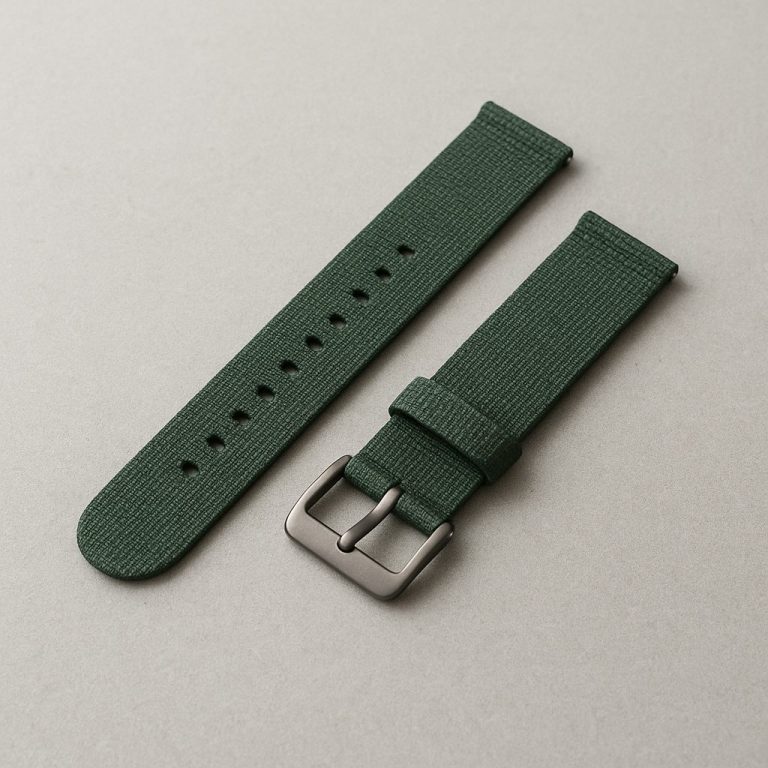
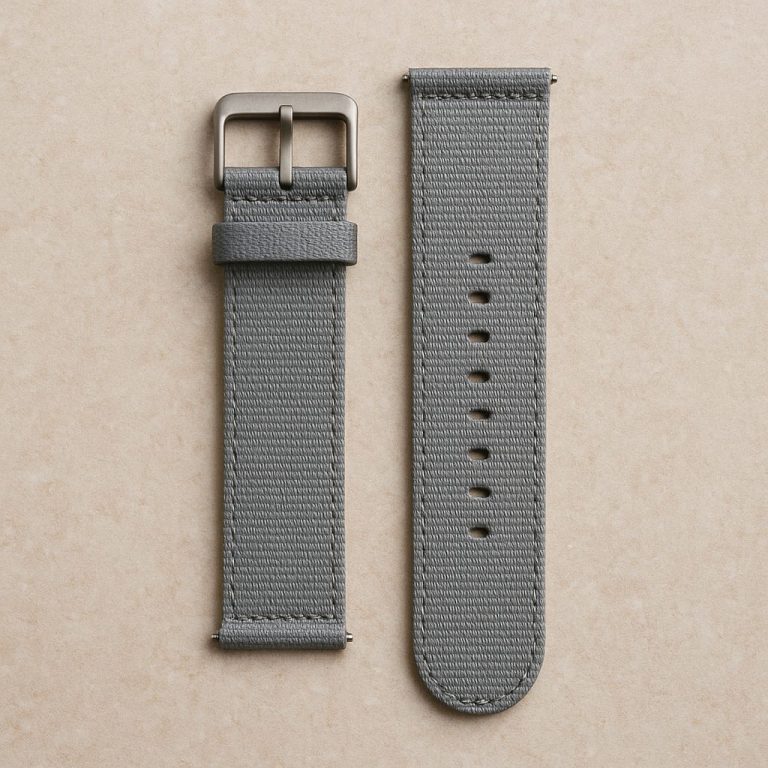
| Fabric Band | Usually nylon or blends; can vary in weave, thickness, and elasticity | Higher friction can improve grip; looser weaves or stretchy bands may allow more movement |
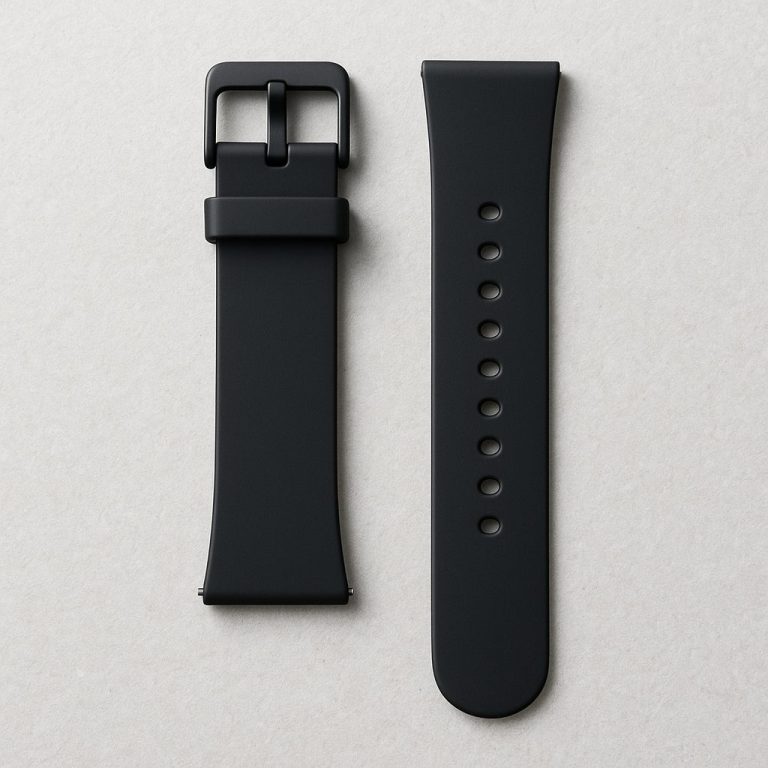
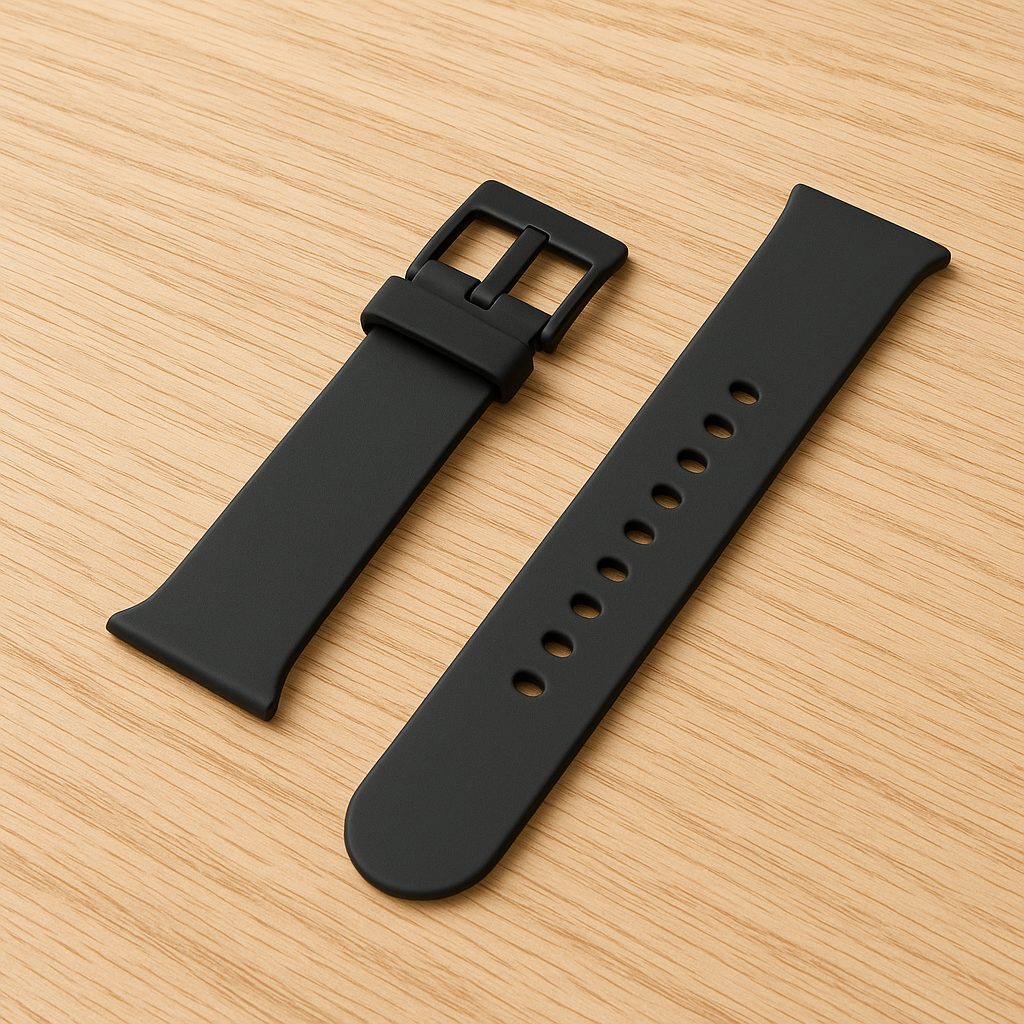
| Silicone Band | Flexible, water-resistant, moderate to high friction | Often grips skin well; excess sweat may reduce friction and cause slipping |
For example, a silicone band can usually grip the skin tightly, but if sweat builds up, it may become slippery and allow the watch to twist more easily. Leather bands often start out firm, but as they break in and absorb moisture, they can stretch and become looser. Fabric bands made from nylon or blends can offer good grip if the weave is dense and the fit is snug, but looser, thicker, or more elastic designs may allow the watch to shift position during activity.
Wrist Anatomy and Daily Movements
The shape and size of your wrist can influence how a watch sits. Wrists are not perfectly cylindrical; they tend to be slightly oval and taper near the hand. This variation means that even a well-fitted band may not have uniform contact all around, especially if the band is stiff or the wrist is smaller compared to the watch case. During activities like typing, lifting, or rotating your forearm, the watch can be nudged out of position by muscles, tendons, or movement against surfaces.
For instance, when the back of the wrist presses against a table while typing, the watch case may be pushed to one side, and a loose or slippery band will not provide enough resistance to keep it centered. Over time, the repeated motion causes the watch to settle on the underside.
Attachment Methods and Watch Alignment
The way a band is attached to the watch case affects its stability. Most watches use a pair of lugs extending from the case and secure the band with spring bars or quick-release pins. If these attachment points are not aligned with the natural curve of your wrist, or if the band is too flexible at the attachment, the watch may be more prone to twisting. Some designs angle the lugs or shape the end of the band to fit the wrist more closely, which can help reduce unwanted movement.
Practical Steps to Reduce Watch Flipping
Addressing the issue of a watch flipping to the underside of the wrist usually involves small adjustments:
- Check that the band is snug but not tight. Adjust links, holes, or buckles as needed for a better fit.
- If a leather or fabric band has stretched, consider replacing it or adding a secondary strap keeper to hold excess length in place.
- Clean the band and your wrist regularly to reduce sweat and oils that may cause slipping, especially with silicone bands.
- For activities that involve frequent wrist movement or pressure (such as typing), try positioning the watch slightly higher on the forearm where the wrist is wider.
- If your watch case is much heavier than the band, swapping to a heavier band material may help balance the weight and reduce flipping.
Minimizing Watch Rotation for Daily Comfort
A watch that keeps flipping under the wrist can often be fixed with careful attention to band fit, material choice, and daily habits. Even small changes in adjustment or cleaning routines can make a noticeable difference. By understanding how weight, friction, and wrist shape interact, you can keep your watch comfortably on top of your wrist where it belongs.