Why a watch band can make a watch feel more expensive or less expensive
How Watch Bands Shape First Impressions
Glancing at someone’s wrist, the first thing that often stands out is not the watch face, but the band that holds it. A watch with a simple dial can suddenly appear refined or casual based on the strap it’s paired with. Even when two watches use the same case, a change in band can dramatically shift the overall impression—making it feel more luxurious, sporty, or utilitarian.
The Role of Materials in Perceived Value
The material of a watch band plays a significant role in how expensive or refined a watch appears. Each material carries cultural associations and visual qualities that influence perception.
Metal Bands
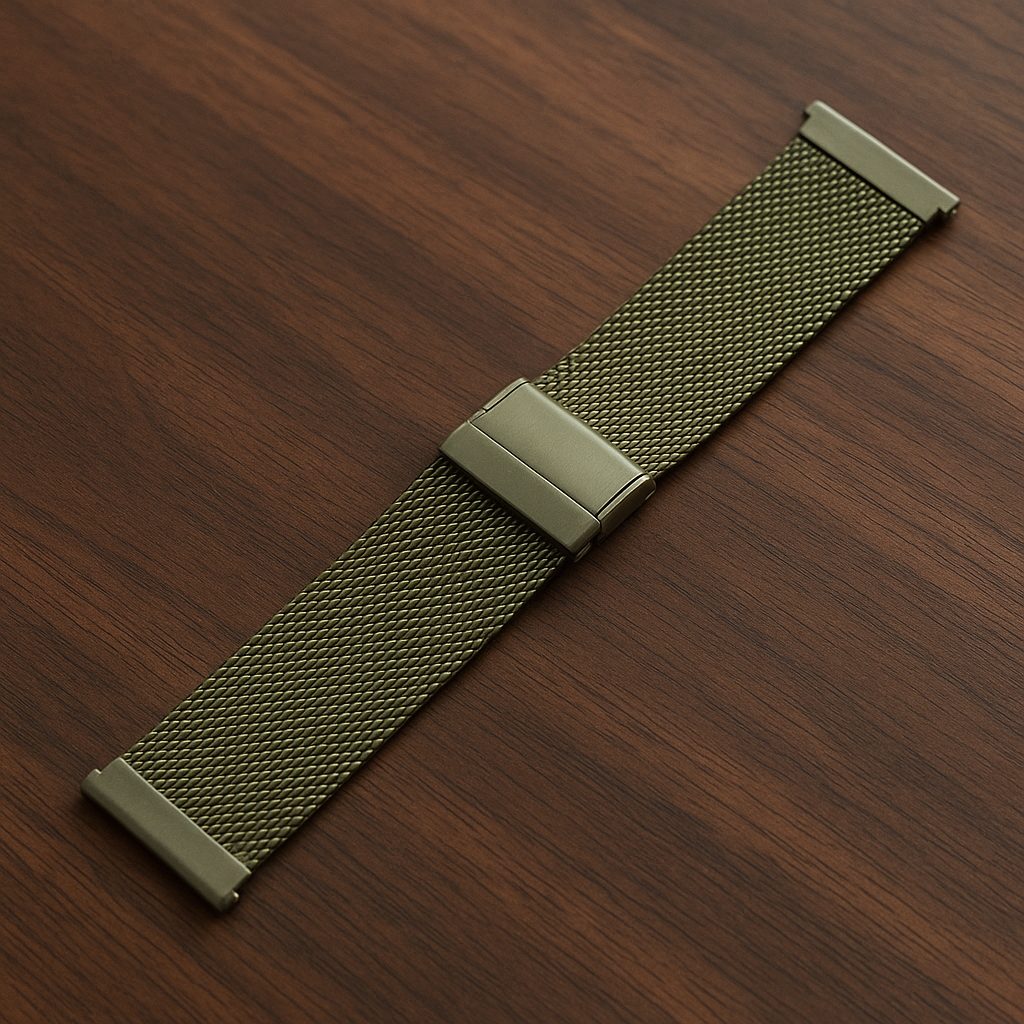
Metal bands, especially those made from stainless steel, are closely associated with durability and sophistication. The way light reflects off polished or brushed links can make a watch feel more substantial and “premium.” The weight of a metal bracelet also tends to give the impression of higher quality. When the links are solid and well-finished, the effect is amplified, while thin or roughly finished bands can have the opposite effect.
Leather Bands
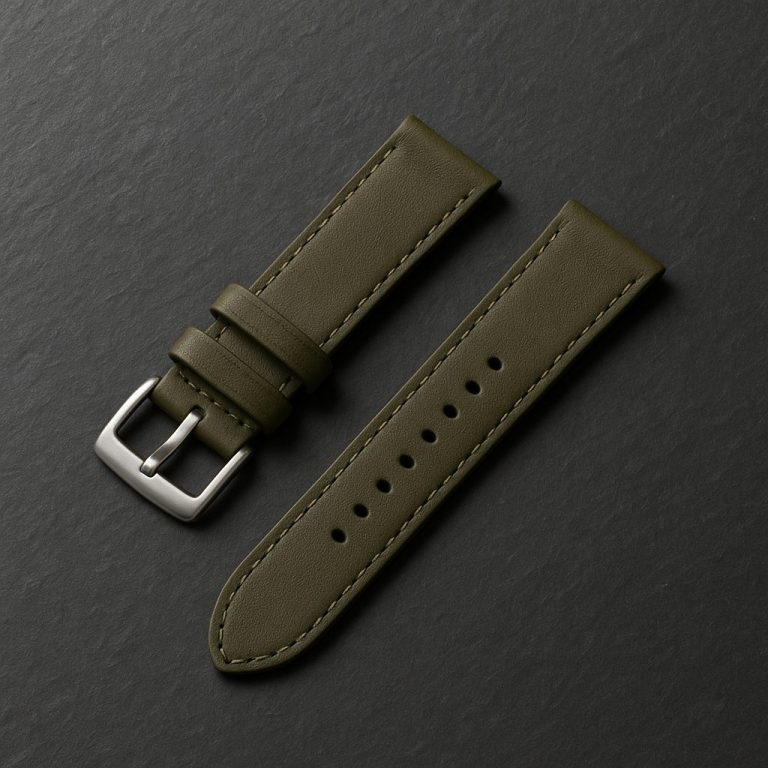
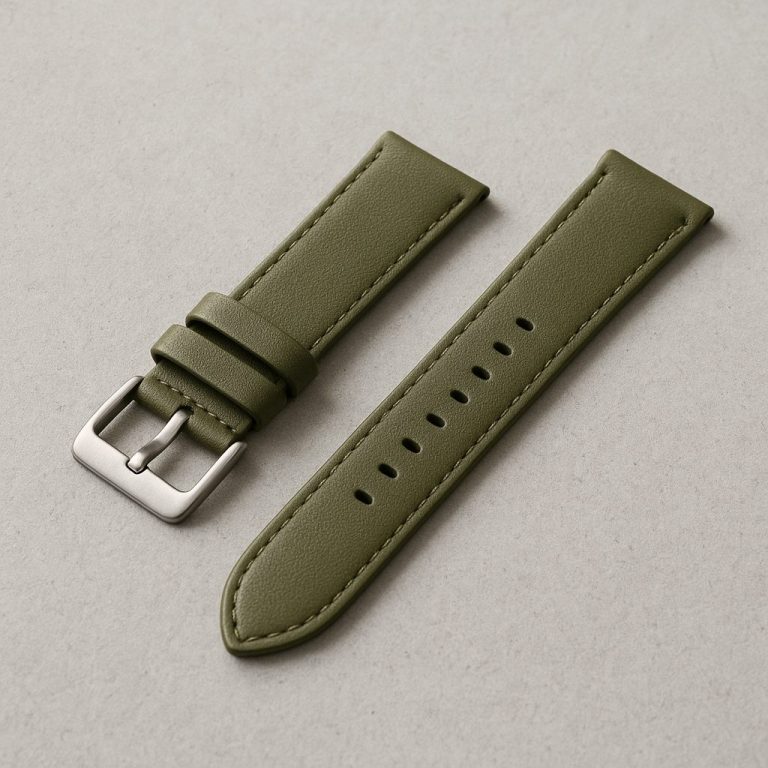
Leather bands are often chosen for their classic and elegant appearance. A well-crafted leather strap—smooth, with even stitching and neatly finished edges—signals attention to detail. High-quality leather develops a gentle patina over time, adding character. In contrast, synthetic or poorly finished leather can feel flimsy and diminish the sense of value. Visible wear, cracking, or uneven coloring may also make a watch appear less expensive, even if the watch case itself is of high quality.
Fabric Bands
Most fabric bands are made from nylon or nylon blends, offering a wide range of appearances depending on weave density, thickness, and texture. A tightly woven, densely constructed fabric band can feel sturdy and purposeful, lending a tool-like, functional aesthetic. However, thin or loosely woven fabric bands, or those with visible fraying, can make a watch seem less valuable. The elasticity and surface finish—whether smooth, matte, or slightly glossy—also influence the perception of quality. For example, a thick, neatly stitched nylon band with a crisp weave tends to be seen as more refined than a stretchy, loosely woven alternative.
Silicone Bands
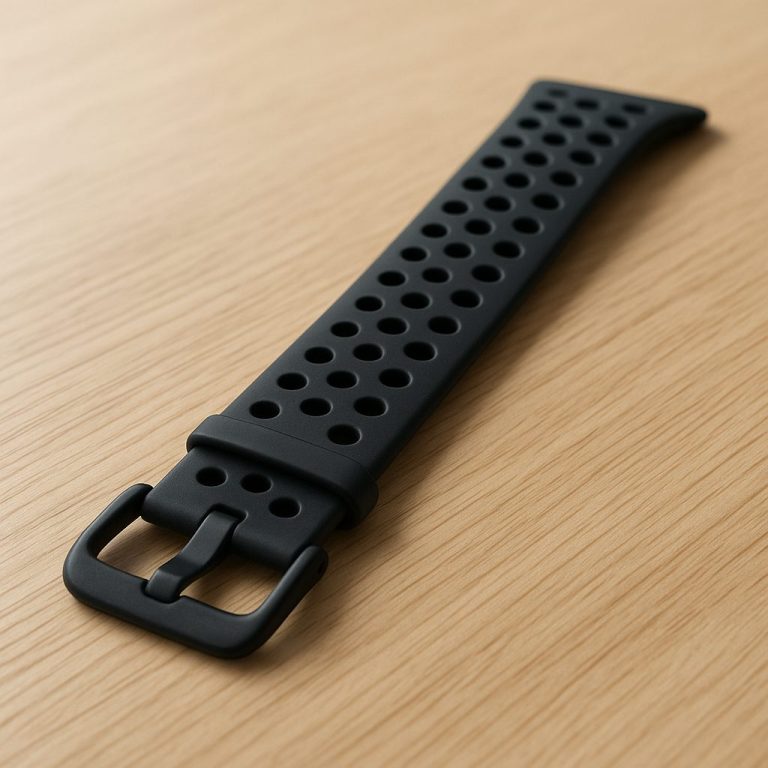
Silicone bands are valued for their flexibility and resistance to moisture, making them a practical choice for sports or casual wear. However, silicone does not typically convey luxury. Even on otherwise high-end watches, a silicone band can create a more relaxed, utilitarian impression. The feel of the material, the sharpness of edges, and how cleanly it is molded can either enhance or detract from perceived value. Soft, smoothly finished silicone with a well-integrated clasp feels more considered, while stiff or unevenly finished silicone can appear less expensive.
How Design Details Influence Perception
Beyond material, the design and execution of a watch band can greatly affect the impression it creates. Small details in finishing, hardware, and how the band integrates with the watch case all contribute to the overall feel.
| Design Aspect | Effect on Perceived Value |
|---|---|
| Edge Finishing | Neat, sealed, or stitched edges look refined; raw or fraying edges look less expensive |
| Buckle/Clasp Quality | Solid, smoothly operating hardware feels upscale; lightweight or rough hardware detracts from quality |
| Band Integration | Bands that fit flush with the lugs and case appear intentional; visible gaps or mismatched proportions feel less premium |
| Stitching/Seams | Even, straight stitching enhances value; loose or uneven stitches suggest lower quality |
Color, Finish, and Surface Texture
The color and finish of a watch band influence how formal or casual a watch appears. Glossy metal or polished leather offers a dressier look, while matte finishes or textured surfaces (such as pebbled leather or brushed metal) lean toward a more understated or sporty feel. A color mismatch between the band and the watch case, or between the band and the wearer’s attire, can make the watch seem less coherent and less expensive, even if all components are well made.
Band Condition and Its Impact
The physical condition of a watch band is one of the most immediate cues to perceived value. Scuffed metal links, cracked leather, or fraying fabric can make a watch feel neglected, regardless of its original price or quality. On the other hand, a clean, well-maintained band can elevate the impression of a modest watch. Replacing a worn strap with a new one, chosen to match the character of the watch, often makes the entire piece feel refreshed and more valuable.
Practical Example
If an older watch has a faded, thin nylon band that no longer holds its shape, switching to a thicker, tightly woven replacement instantly gives the watch a sturdier and more refined presence. Similarly, moving from a synthetic leather band with visible wear to a genuine, carefully finished leather strap can transform the overall impression from casual or budget-friendly to classic and elegant.
How Band Style Complements or Contrasts the Watch Case
The relationship between the band and the watch case is also essential. A heavy, solid stainless steel case paired with a thin, lightweight fabric band may feel unbalanced or less considered. Conversely, a substantial, well-matched metal bracelet reinforces the sense of durability and expense. For dress watches, a slim, smooth leather band typically enhances elegance, while a thick or sporty silicone band might feel out of place and lower the perceived value.
Attachment Quality and Integration
When a band fits precisely between the lugs (the parts of the watch case that hold the band), it gives a sense of purpose and quality. Gaps or loose-fitting ends can make the watch seem hastily assembled. Some modern bands use quick-release pins for easy changes, and when these systems are well-executed and the band fits snugly, the effect can be just as refined as with traditional spring bars. Poorly integrated or ill-fitting attachments, however, detract from the sense of value.
Why the Watch Band Matters in Everyday Impressions
The band is often the most tactile and visible part of a watch. It’s what people feel against their skin and what others see most clearly. A thoughtfully chosen and well-maintained band can elevate even a simple watch, making it feel more expensive and intentional. Conversely, a mismatched or poorly maintained band can undermine the quality of the watch itself. When considering how a watch presents itself, the band is never just an accessory—it’s central to the overall impression of value and style.