How owning several watch bands can make choosing one more difficult
When More Choices Lead to Indecision: The Watch Band Dilemma
After collecting several watch bands—perhaps a metal bracelet, a silicone band, a leather strap, and a couple of fabric bands—choosing which one to wear each day can become unexpectedly challenging. Instead of making it easier to match a watch to your activity or outfit, having more bands often turns a simple choice into a daily puzzle, with each option competing for attention.
Why a Larger Collection Makes Selection Harder
At first, expanding your selection of watch bands seems like a smart way to increase flexibility and personalization. The intention may be to match a silicone band to exercise gear, a leather strap to formal wear, or a fabric band to a casual weekend look. However, as the number of available bands grows, so does the cognitive effort required to pick just one. This phenomenon is often referred to as choice overload.
Choice overload occurs when the number of options is so high that making a decision becomes stressful or time-consuming. Instead of feeling empowered, you might find yourself hesitating or second-guessing. The greater the selection, the more criteria you’re likely to consider—color, material, comfort, season, weather, and even mood.
Factors That Complicate the Decision
Several factors contribute to the increased difficulty when choosing from a larger collection:
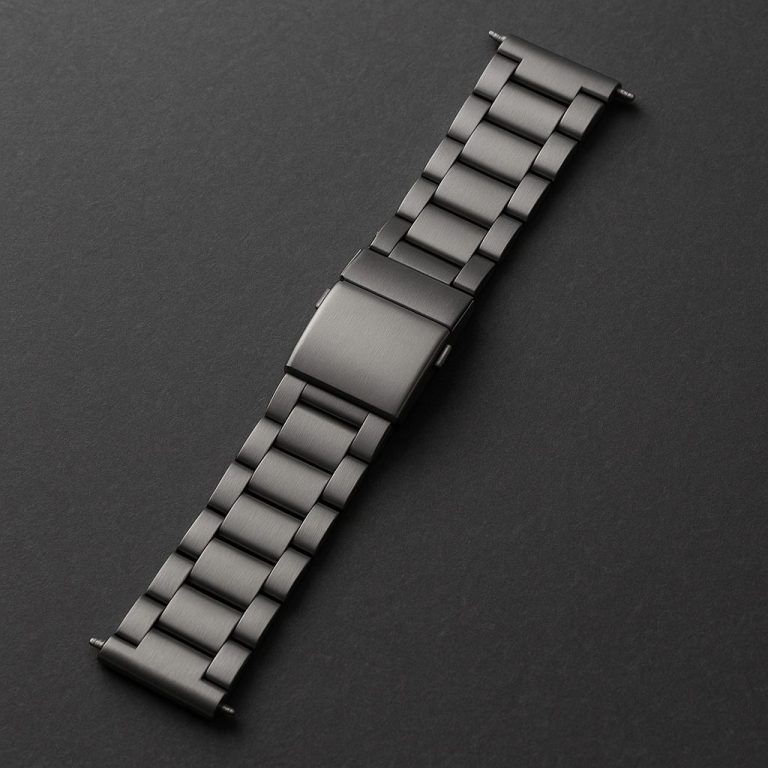
- Material Differences: Metal bracelets, usually made from stainless steel for durability and corrosion resistance, feel and look substantially different from soft leather straps, silicone bands, or fabric options. Each material brings distinct associations—metal for a classic or professional look, silicone for activewear, leather for formality, and fabric (often nylon-based) for everyday use.
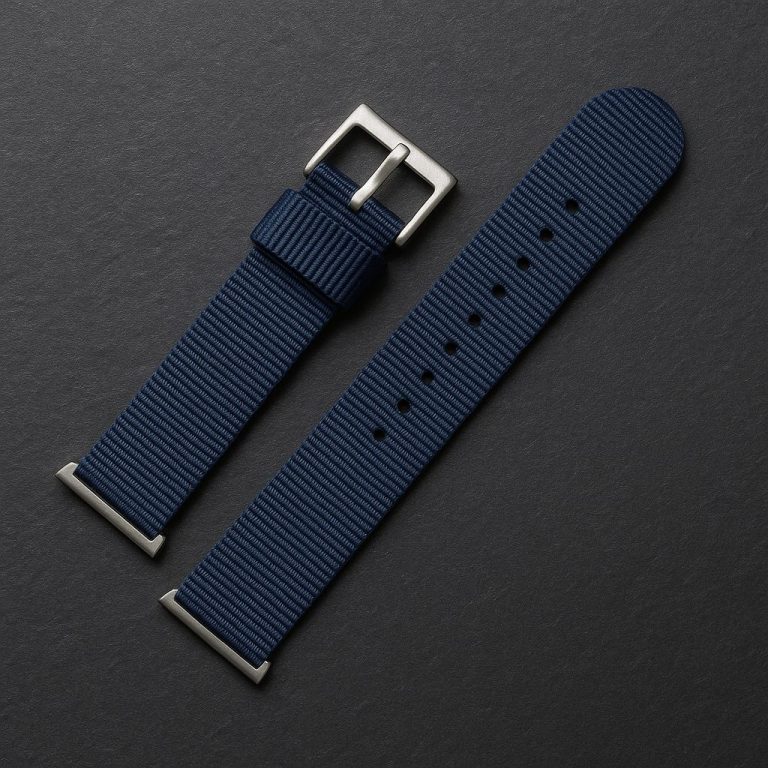
- Style and Appearance: The visual impact of each band can shift depending on what you’re wearing or how you want to be perceived. For example, a thick, densely woven nylon band gives a more rugged feel, while a thin, smooth leather strap might suit a dress shirt better.
- Weather and Comfort: You may hesitate between a metal bracelet that feels cool to the touch and a silicone band that won’t absorb sweat. In humid weather, a nylon strap with open weave may seem more breathable, while leather might feel too warm.
- Attachment Effort: If your watch uses spring bars, switching bands can be a minor task or a hassle, depending on the mechanism. Quick-release pins make the process easier, but with more bands in rotation, even a simple swap can feel like a chore.
Comparing Materials: How Each Adds Complexity
Each watch band material comes with unique properties that add layers to the decision-making process. The table below summarizes how common materials can complicate daily selection:
| Material | Considerations When Choosing |
|---|---|
| Metal (stainless steel) | Durable; formal or professional; can feel heavy or cool; stands out visually |
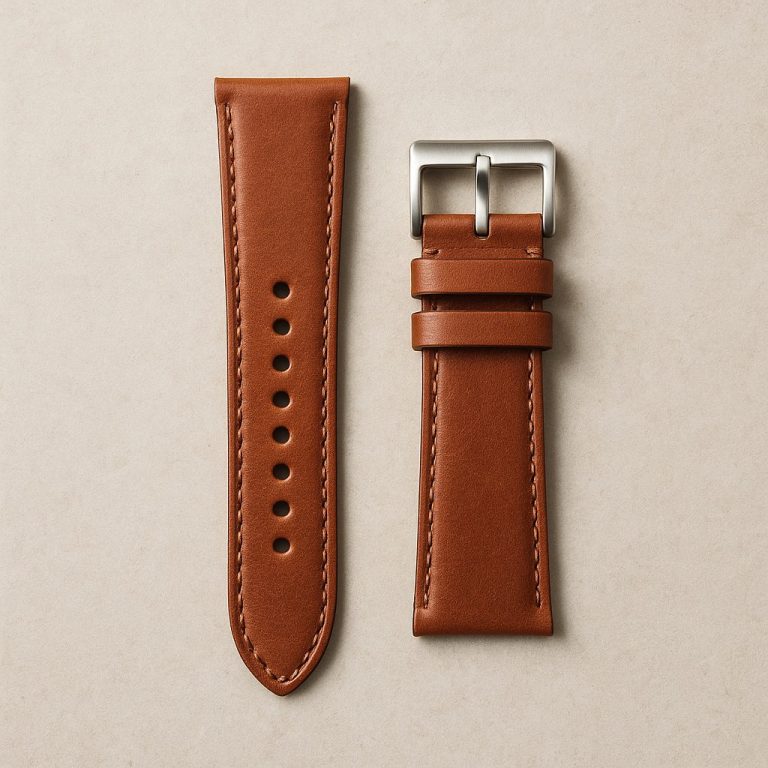
| Leather | Classic look; comfortable but affected by heat or moisture; formal or casual |
| Fabric (mostly nylon blends) | Lightweight; weave density and texture vary; breathable options; casual or sporty |
| Silicone | Flexible; moisture resistant; easy to clean; best for sports or active use |
Small details—such as the thickness of a fabric band, the softness of leather, or the finish of a metal bracelet—can make one option slightly more appealing for a specific day or event, but these subtle differences also increase indecision.
Real-World Example: The Morning Routine
Consider a practical scenario: preparing for work in the morning. The watch case and dial are already chosen, but the band awaits. You might be weighing a polished metal bracelet for its sharp look, but recall how it sometimes feels cold against the skin. The leather strap looks refined, but yesterday’s humid weather left it feeling slightly stiff. A silicone band feels practical, but the style might seem too casual for today’s meetings. The fabric band, with its soft nylon weave, is comfortable but the color seems just a shade off from your shirt. With each added band, the process of elimination grows more complex. If you’re in a hurry, the abundance of choice can actually slow you down.
Psychological Impact of Too Many Options
Beyond practical concerns, there is a psychological aspect to having many options. When faced with a large number of choices, people often experience decision fatigue—a gradual decrease in the quality of decisions after a long session of decision making. With multiple bands, each with its own unique look and feel, the risk of regret or second-guessing increases. After finally choosing a band, you may feel unsure whether another would have been a better match.
Some people respond to this by defaulting to a single band most of the time, effectively ignoring the rest of their collection. Others create informal rules, such as only rotating bands on weekends or for special occasions, to avoid daily indecision.
Reducing Indecision: Practical Approaches
To make the process easier, it helps to develop a simple system. Some individuals sort bands by activity—keeping silicone bands with workout gear, while reserving leather and metal for work attire. Others pre-select a “band of the week” to reduce daily choices. Matching bands to the season can also be practical; for instance, choosing a breathable, loosely woven nylon fabric during summer months or a thicker leather strap in cooler weather.
Another tip is to store frequently used bands in plain sight and keep less-used options tucked away. This narrows the selection presented each day, limiting choice overload without reducing actual options.
Building a Comfortable Routine Amid Variety
Owning multiple watch bands offers flexibility, but it can also create unnecessary complexity when it comes to making a daily choice. Recognizing this challenge makes it easier to find a balance—by streamlining options, using practical routines, or simply accepting that a little indecision is part of enjoying a diverse watch band collection.