Why some watch bands show wear more clearly in certain colors
Why Scratches, Scuffs, and Fading Stand Out on Some Watch Band Colors
A dark blue silicone band on a daily-worn watch starts to show pale streaks along the edges and around the clasp, while a light gray band of the same material hides similar wear much more effectively. This kind of difference in visible wear is common across watch bands in a range of materials and colors. Understanding why some colors seem to highlight scratches, stains, or general aging more than others can help in selecting a band that looks good for longer—or knowing what to expect from your current choice.
The Role of Color in Visible Wear
Wear on a watch band usually appears as scratches, scuffs, fading, stains, or dirt buildup. The degree to which wear is noticeable depends not just on how much use the band receives, but also on the band’s color and finish. Some colors and surface treatments mask small imperfections; others make even minor signs of use stand out distinctly.
Contrast and Color Perception
The human eye is naturally drawn to contrast. When wear or damage occurs, the underlying material or a different surface texture is often exposed, appearing lighter or darker than the original color. On darker bands, pale scratches or dust are far more visible than on lighter bands. Conversely, stains or grime may be more noticeable on lighter colors. The perceived difference is a result of how the original color contrasts with the color of the wear mark or contaminant.
| Band Color | Common Visible Wear | Why It Stands Out |
|---|---|---|
| Dark (black, navy) | Pale marks, dust, faded spots | High contrast between dark base and light scratches or debris |
| Light (gray, beige, white) | Stains, discoloration, embedded dirt | Dark contaminants contrast with light base |
| Bright/Vivid (red, blue, green) | Fading, chalky streaks, color transfer | Wear disrupts saturated color, dull spots are obvious |
| Metallic (polished or brushed) | Scratches, loss of sheen | Scratches catch light, disrupting uniform reflection |
Material Differences and Their Effect on Color Wear
The interaction between color and visible wear changes depending on the watch band’s material. Each type—metal, leather, fabric, or silicone—has unique characteristics that affect how signs of use appear and are perceived.
Metal Bands
Stainless steel is the most common material for metal watch bands due to its durability and resistance to corrosion. Polished bands, regardless of color, tend to show scratches as bright lines or patches that catch the light differently from the rest of the surface. Brushed finishes can hide some scratches, but over time, worn spots may appear shinier or duller than the surrounding area. Colored coatings—such as black or gold tones—may chip or fade, revealing the base metal underneath, which creates a sharp contrast in color.
Leather Bands
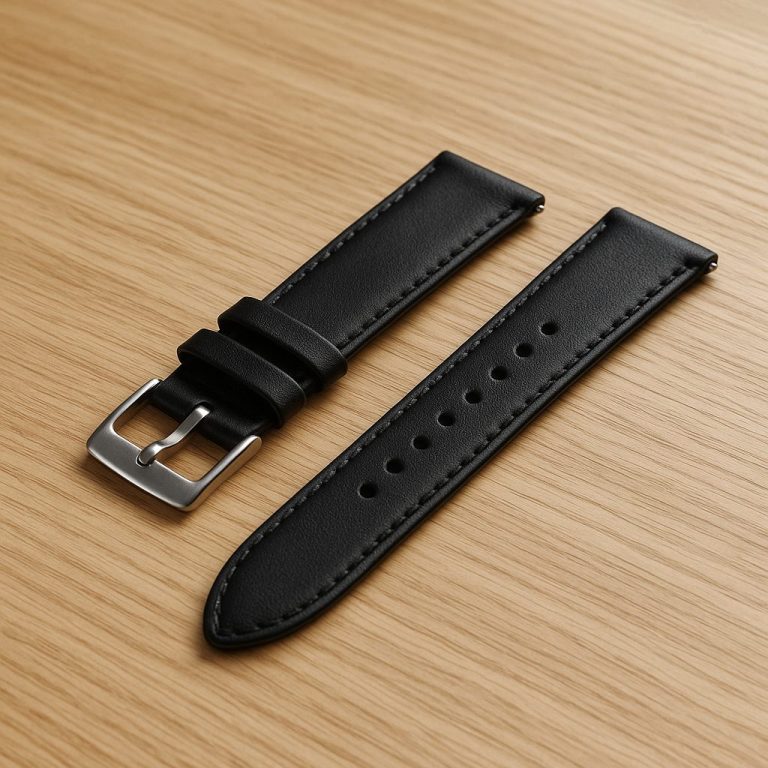
Leather bands develop patina and creasing as they age, often in high-flex areas or where the band rubs against surfaces. On darker leather, surface scratches and edge wear appear as pale or lighter marks. Light-colored leather is more susceptible to showing stains or discoloration from sweat, dirt, or moisture. Dyed leather in vivid or pastel shades may fade unevenly, especially with exposure to sunlight or water, causing patchy color loss.
Fabric Bands
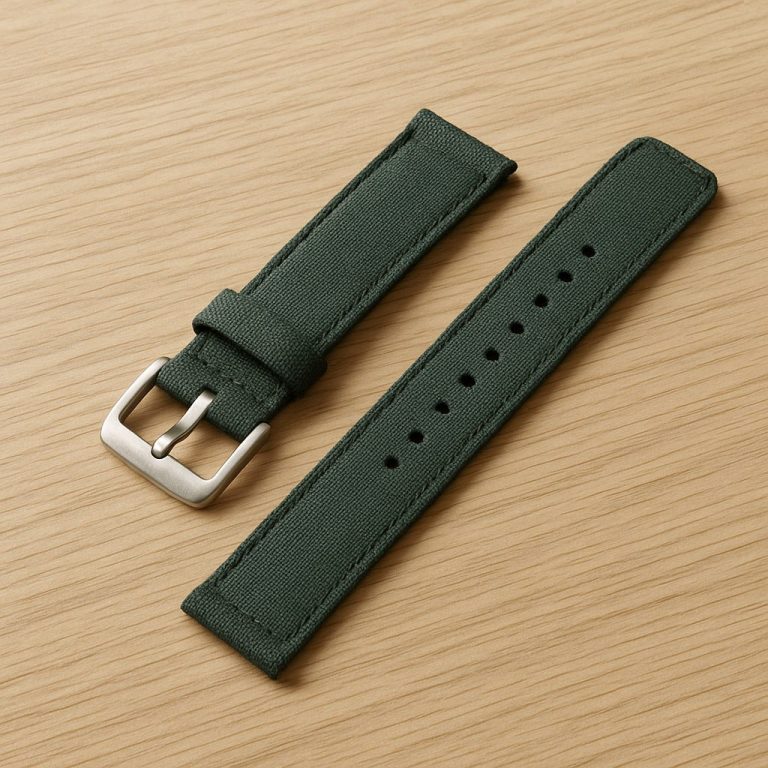
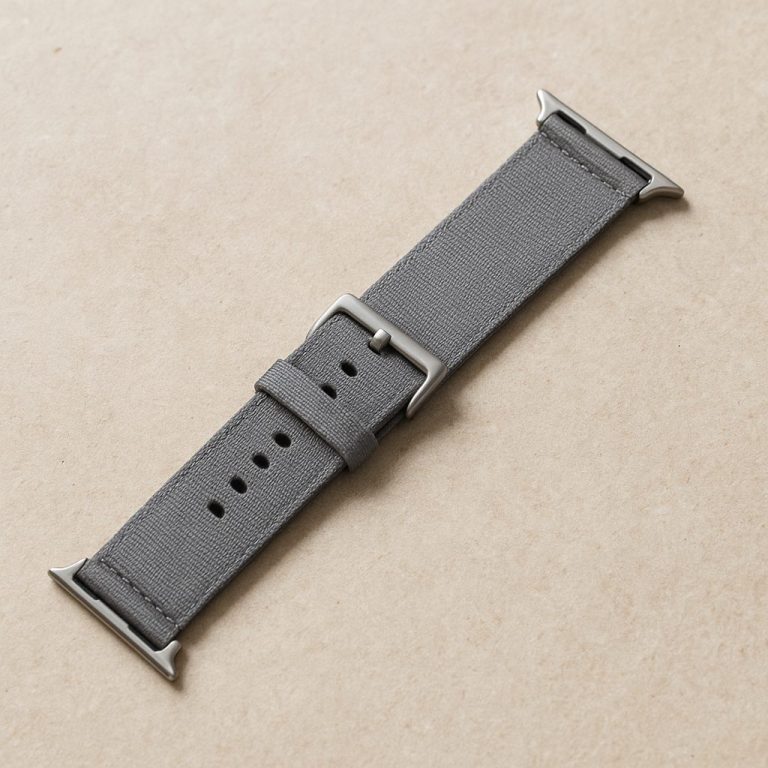
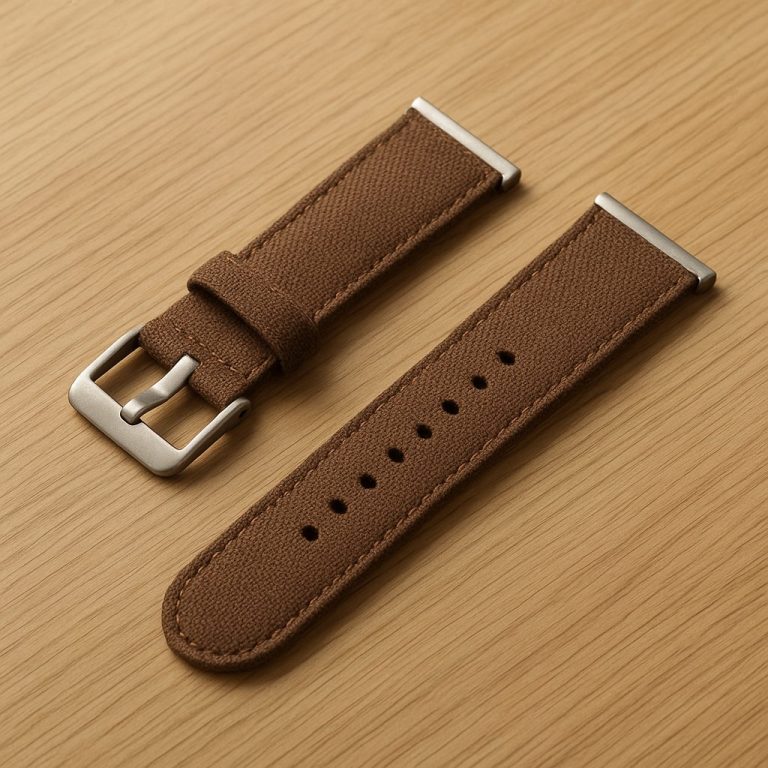
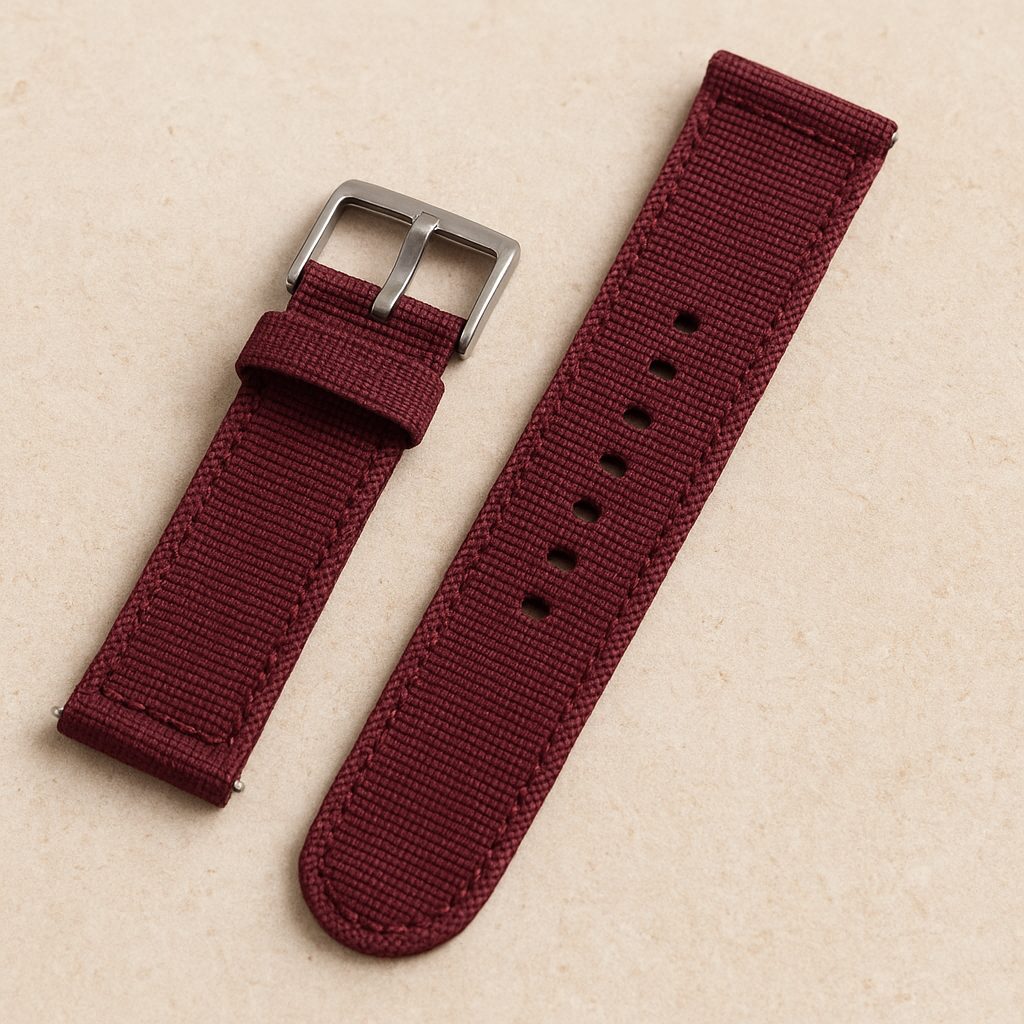
Most fabric watch bands are made from nylon or nylon blends, with variation in weave density, thickness, elasticity, and texture. Heavily dyed or brightly colored nylon bands can fade, especially where the fabric bends or rubs against hardware. Lighter colors show grime and stains more clearly, while tightly woven or thicker bands may hide minor fraying. Elastic or textured weaves sometimes mask small pulls or fading, but any loss of color in a vibrant band is quickly noticeable due to the contrast with unworn areas.
Silicone Bands
Silicone bands are popular for their flexibility and resistance to moisture. On dark silicone, pale streaks or chalky marks from skin oils, dust, or minor abrasions stand out sharply. Lighter silicone bands can pick up dyes from clothing or develop a yellowish tint over time, making stains more apparent. Brightly colored silicone may fade or develop patchy spots in areas exposed to sunlight or friction. Because silicone is soft, color disruptions—whether from surface scuffs or embedded dirt—are usually more visible on deeply saturated or very dark bands.
Surface Finish and Texture Influence
Beyond color and material, the finish and texture of a watch band affect how wear shows up. Glossy surfaces reflect light and make scratches or fingerprints more obvious. Matte or textured finishes, by diffusing light, tend to conceal small blemishes better. For instance, a matte black band typically hides fingerprints and minor scuffs more effectively than a polished black band, where every smudge is visible under direct light.
Some fabric bands with a rugged or patterned weave can disguise fading and stains, while smooth, uniform surfaces—like polished metal or glossy silicone—highlight any change in texture or color.
Practical Considerations for Everyday Wear
The way a watch band is worn and cared for also affects how color and wear interact. Bands that are worn daily, especially in harsh environments or during physical activity, accumulate more visible marks. For example, a navy silicone band worn for workouts may develop pale streaks from sweat and repeated friction, while a tan leather band worn in an office setting is more likely to show dark stains near the buckle from skin contact. Storing a watch away from direct sunlight and cleaning it regularly with a soft, damp cloth can help minimize visible wear, regardless of color.
If a watch is worn with a uniform or specific dress code, choosing a mid-tone or textured band can help disguise minor wear and keep the appearance consistent over time. Bands in neutral, slightly muted shades often strike a balance between hiding dust, stains, and fading, compared to starkly dark or bright colors.
How Color Choice Affects Visible Wear on Watch Bands
Watch band color plays a significant role in how scratches, stains, and fading appear over time. Dark colors highlight pale marks and dust; light shades make stains and discoloration stand out. Bright and vivid colors make fading and patchy wear more noticeable, while metallic bands reveal scratches through changes in how light reflects off the surface. The material and finish of the band further influence how pronounced these effects are. Understanding these dynamics can help in selecting a watch band that maintains its appearance with less visible wear, or in managing expectations for how a current band will age with use.