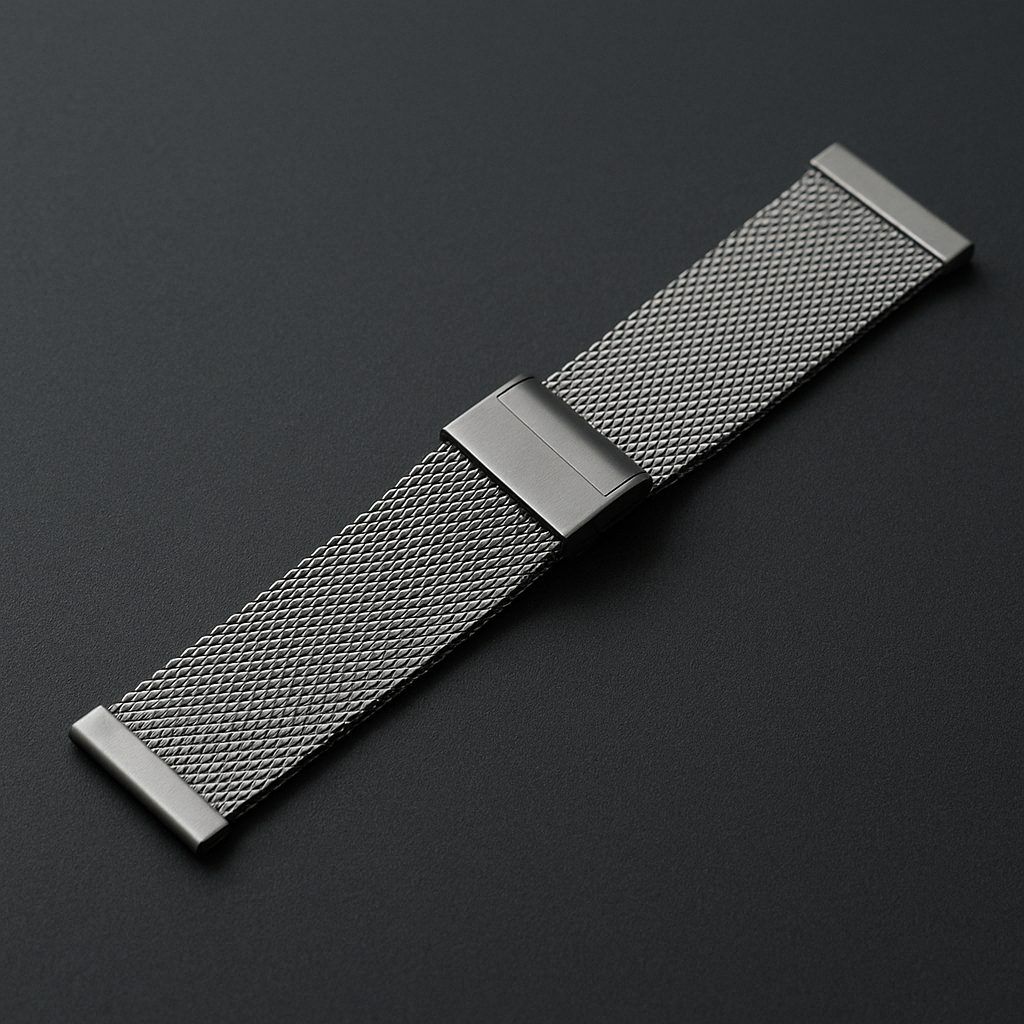
What makes some watch bands hold their shape better over time
Why Some Watch Bands Maintain Their Shape While Others Sag or Warp
A watch band that once fit snugly around the wrist may start to lose its form after months of regular use. Sagging, curling at the ends, or developing permanent bends are common signs that a band is no longer holding its original shape. These changes affect comfort, appearance, and even the security of the watch on the wrist. Understanding why some watch bands keep their structure while others quickly deform can help when selecting a band or caring for an existing one.
The Role of Material Choice
The material of a watch band is the most significant factor in how well it retains its shape over time. Each material responds differently to flexing, sweat, moisture, and environmental exposure.
Metal Bracelets
Metal bands, most commonly made from stainless steel due to its corrosion resistance and strength, generally hold their shape very well. The structure consists of interlocking links or a mesh, which distribute stress across the band rather than allowing it to concentrate in one area. This means metal bracelets are less likely to warp or sag unless a link or clasp is damaged. However, over time, the pins or screws connecting the links can wear, leading to looseness, but the overall shape is usually preserved.
Leather Bands
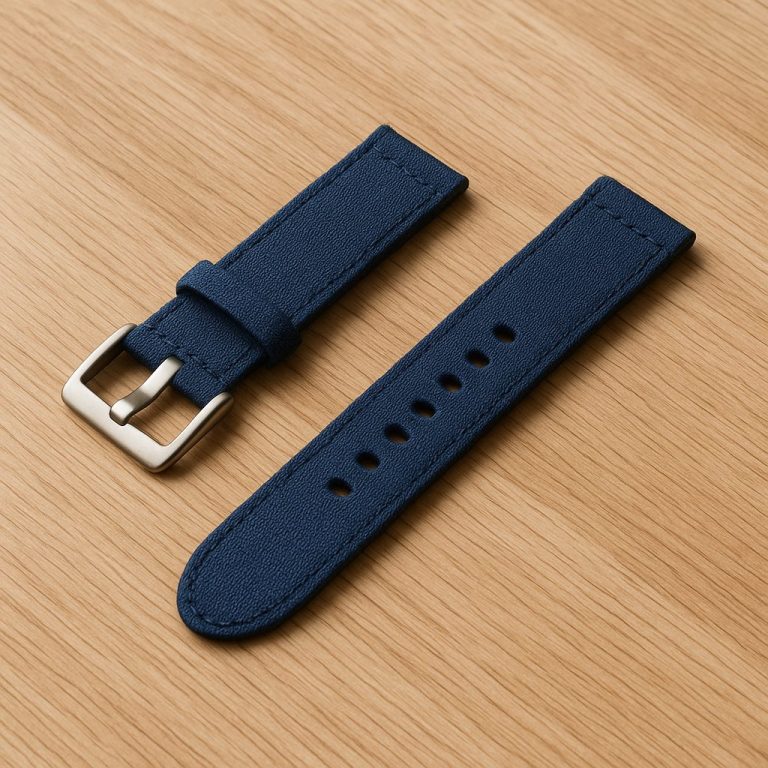
Leather bands are valued for their appearance and comfort, but their ability to hold shape depends on the type and quality of leather, as well as the internal reinforcement. Full-grain or top-grain leathers with dense fibers resist stretching and maintain their profile longer than softer, more porous leathers. Some leather bands include a stiffening layer inside, often made from synthetic materials, to help them retain their form. Without this reinforcement, leather can easily develop creases, curls, or permanent bends, especially if exposed to water, sweat, or frequent flexing.
Fabric Bands
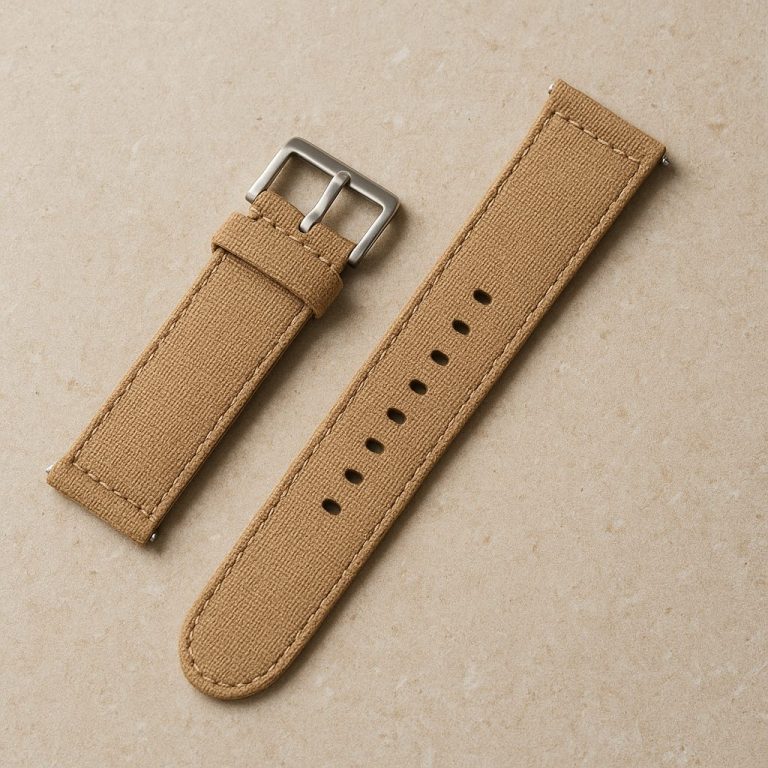
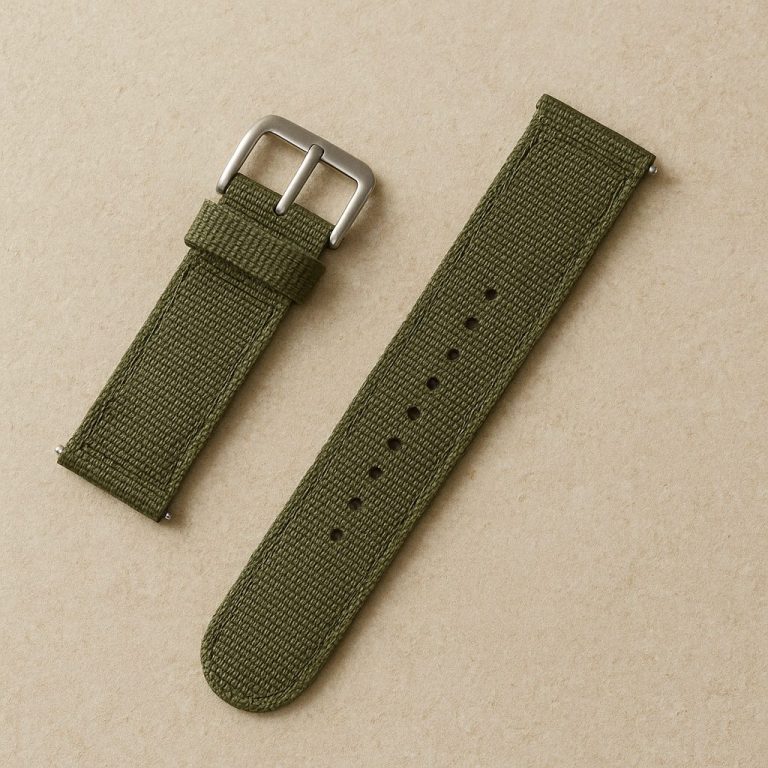
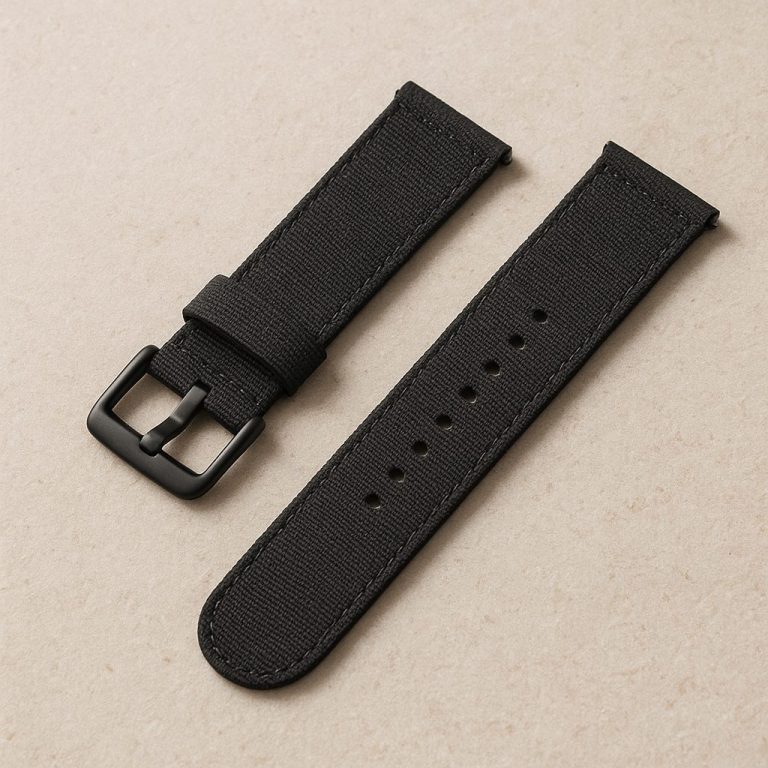
Most fabric watch bands are made from nylon or nylon blends, which can vary in weave density, thickness, and elasticity. Tightly woven, thicker fabric bands tend to hold their shape better than thinner or stretchier options. For instance, a dense, flat-weave nylon offers more resistance to fraying and stretching than a loosely woven or highly elastic band. Texture and finishing also play roles; smoother fabrics may resist dirt and moisture better, which can otherwise cause sagging or loss of structure.
Silicone Bands
Silicone bands are known for flexibility and water resistance but can sometimes lose their shape if the silicone formulation is too soft or if the band is thin. High-quality silicone with the right balance of flexibility and firmness is less likely to stretch out or become misshapen. Thicker silicone bands with reinforced holes or edges hold their shape better during repeated use. However, exposure to high temperatures or repeated pulling when putting the watch on and off can accelerate deformation.
Construction and Design Details
The way a watch band is constructed has a direct impact on how well it maintains its original form. Even within the same material category, design choices can make a significant difference.
Internal Reinforcement
Some bands, especially leather or fabric, include an internal stiffener—a thin layer of synthetic or natural material sandwiched between outer layers. This reinforcement helps resist bending and curling, especially at attachment points and near the holes where the clasp secures. Bands without reinforcement are more prone to developing permanent creases or stretching out of shape.
Edge Finishing
Stitching, folding, or heat-sealing the edges of a band can help prevent fraying and maintain clean lines. For leather, edge painting or stitching adds rigidity and protection from moisture, reducing the likelihood of curling or splitting. Fabric bands with fused or stitched edges resist unraveling and warping, especially when exposed to sweat or frequent washing.
Band Thickness and Width
Thicker and wider bands distribute stress more evenly, which helps them maintain their profile. A narrow or very thin band is more likely to twist, sag, or stretch, especially if frequently flexed or if the material is soft. This is particularly true for fabric and silicone bands.
Hole and Buckle Reinforcement
The area around the adjustment holes and the buckle or clasp endures the most stress. Bands with reinforced holes—using metal grommets, stitching, or thicker material—are less likely to stretch out or tear, helping the band keep its intended shape even after repeated adjustments. On silicone bands, molded reinforcements or raised edges around holes can provide similar benefits.
How Usage and Care Affect Shape Retention
Even the best-constructed band can lose its shape if not used or cared for properly. The environment, how the watch is worn, and maintenance all play roles in longevity.
Exposure to Moisture and Sweat
Moisture can weaken certain materials over time. Leather, for instance, absorbs sweat and water, softening the fibers and making the band more susceptible to stretching or warping. Fabric bands, particularly those with looser weaves or lighter construction, may also become misshapen if not thoroughly dried after exposure to water. Silicone and metal bands are less affected by moisture but can still be impacted by temperature changes or repeated flexing while wet.
Storage Habits
Leaving a watch band under tension—such as constantly buckled tightly or wrapped too snugly around a stand—can create permanent bends or warping. Allowing the band to rest flat or in a relaxed, natural curve when not in use helps preserve its original shape. For example, storing a leather band in a humid environment or direct sunlight can accelerate curling or cracking.
Frequency and Type of Use
Bands worn during strenuous activity or sports are exposed to more sweat, repeated stretching, and sudden pulls. Over time, this can cause certain materials, especially leather and softer fabric, to deform. Rotating between multiple bands for work, exercise, and casual wear can help reduce wear on a single band, preserving its shape longer.
Comparing Shape Retention Across Materials
| Material | Shape Retention | Key Factors |
|---|---|---|
| Stainless Steel Metal | Excellent | Link structure, resistant to stretching |
| Leather | Moderate to Good | Leather quality, internal reinforcement, moisture exposure |
| Nylon Fabric | Good to Moderate | Weave density, thickness, elasticity, edge finishing |
| Silicone | Moderate | Material firmness, thickness, reinforcement at holes |
Factors to Watch for Long-Lasting Band Shape
For anyone looking to keep their watch band in good shape for as long as possible, material and construction matter most. Opting for dense, reinforced fabric bands, full-grain leather with a stiffener, or a well-constructed stainless steel bracelet can make a noticeable difference. Care routines matter too—drying bands thoroughly, storing them properly, and avoiding unnecessary stress can extend the life and appearance of the band. These small decisions have a direct impact on whether a watch band stays looking sharp or quickly becomes worn and misshapen.