How to select a watch band that stays comfortable during sleep
Sleeping With a Watch: Why the Right Band Matters
Many people prefer to keep their watch on overnight, whether for tracking sleep, monitoring health data, or simply out of habit. However, discomfort from a poorly chosen watch band can disrupt rest, cause skin irritation, or even leave marks on the wrist. Selecting a watch band that remains comfortable through the night involves understanding how materials, fit, and design affect your experience during sleep.
Key Features of a Comfortable Sleep Watch Band
Overnight comfort hinges on several factors:
- Material: Directly impacts skin feel, breathability, and flexibility.
- Adjustability: Determines whether a band can be easily loosened or tightened if swelling occurs.
- Attachment Mechanism: Influences security and ease of removal, which can matter if you need to take the watch off quickly during the night.
- Profile and Weight: Low-profile, lightweight bands are less likely to press into the skin or catch on bedding.
Comparing Watch Band Materials for Nighttime Comfort
The choice of band material is crucial for overnight wear. Each offers unique benefits and drawbacks in a sleep context.
| Material | Comfort Level for Sleep | Key Features |
|---|---|---|
| Silicone | High | Soft, flexible, hypoallergenic, moisture-resistant |
| Fabric (mainly nylon blends) | High | Breathable, lightweight, softer with finer weaves |
| Leather | Moderate | Supple, can soften over time, less breathable |
| Metal (stainless steel most common) | Low to Moderate | Durable, heavier, can feel cold or pinch skin |
Silicone Bands
Silicone bands are often favored for sleep due to their softness and flexibility. They move easily with the wrist and rarely cause skin irritation. Their smooth, non-porous surface resists moisture buildup from sweat, reducing the risk of rashes. Many silicone bands include multiple sizing holes for precise adjustment, allowing a loose, comfortable fit overnight. However, a poorly ventilated silicone band might occasionally trap heat, so choosing one with small perforations or a slim profile can help reduce this issue.
Fabric Bands (Nylon and Nylon Blends)
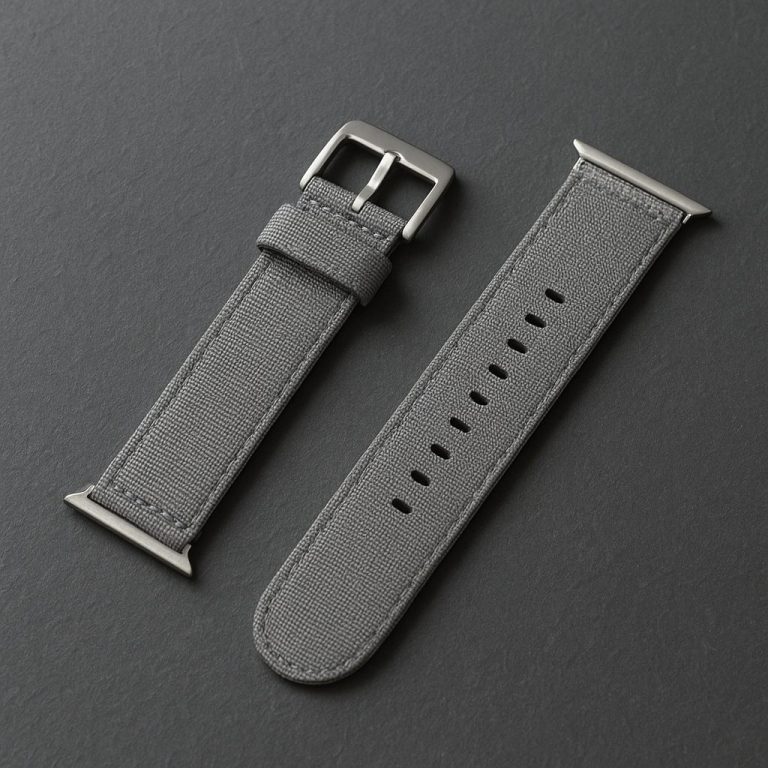
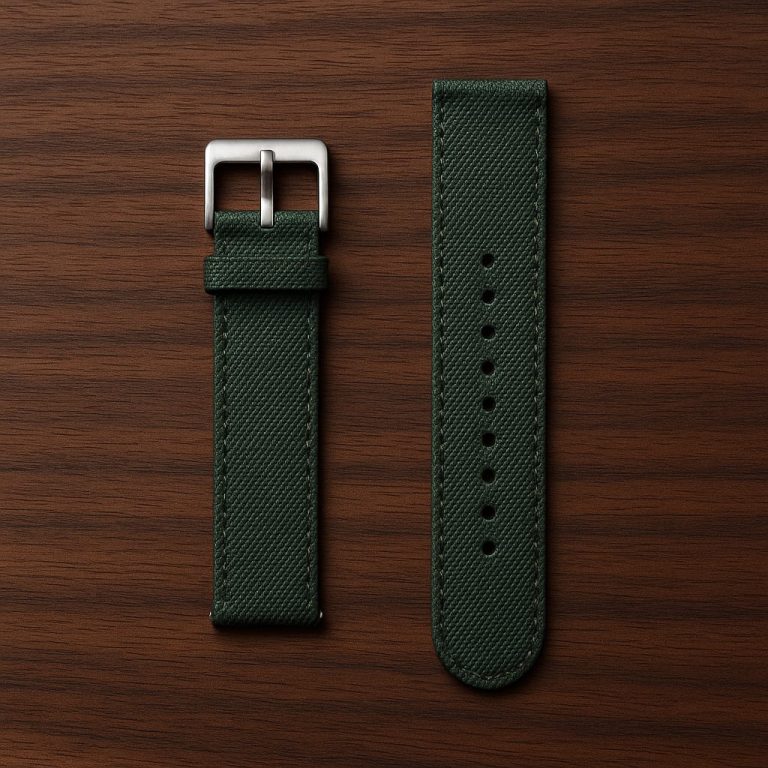
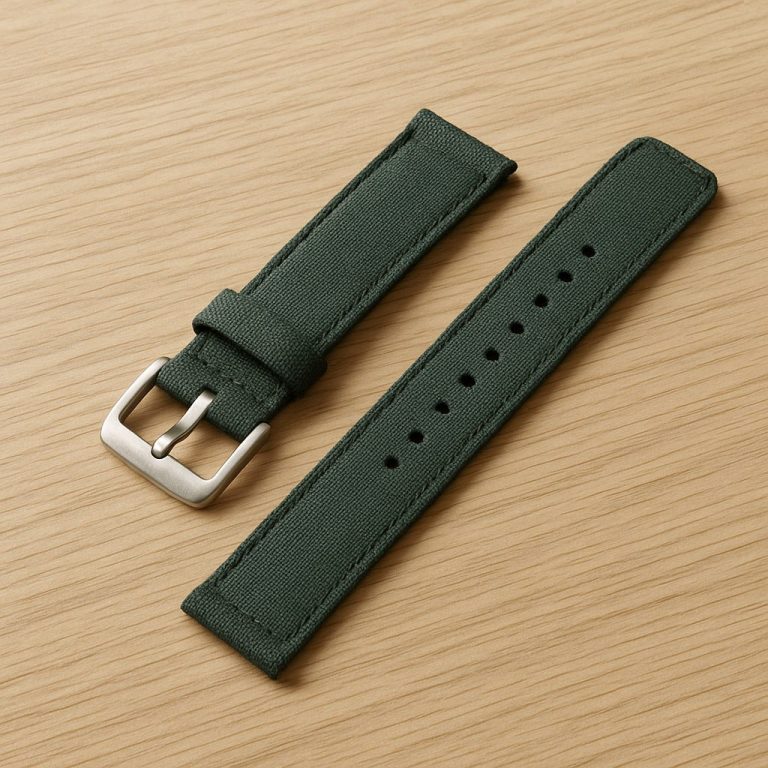
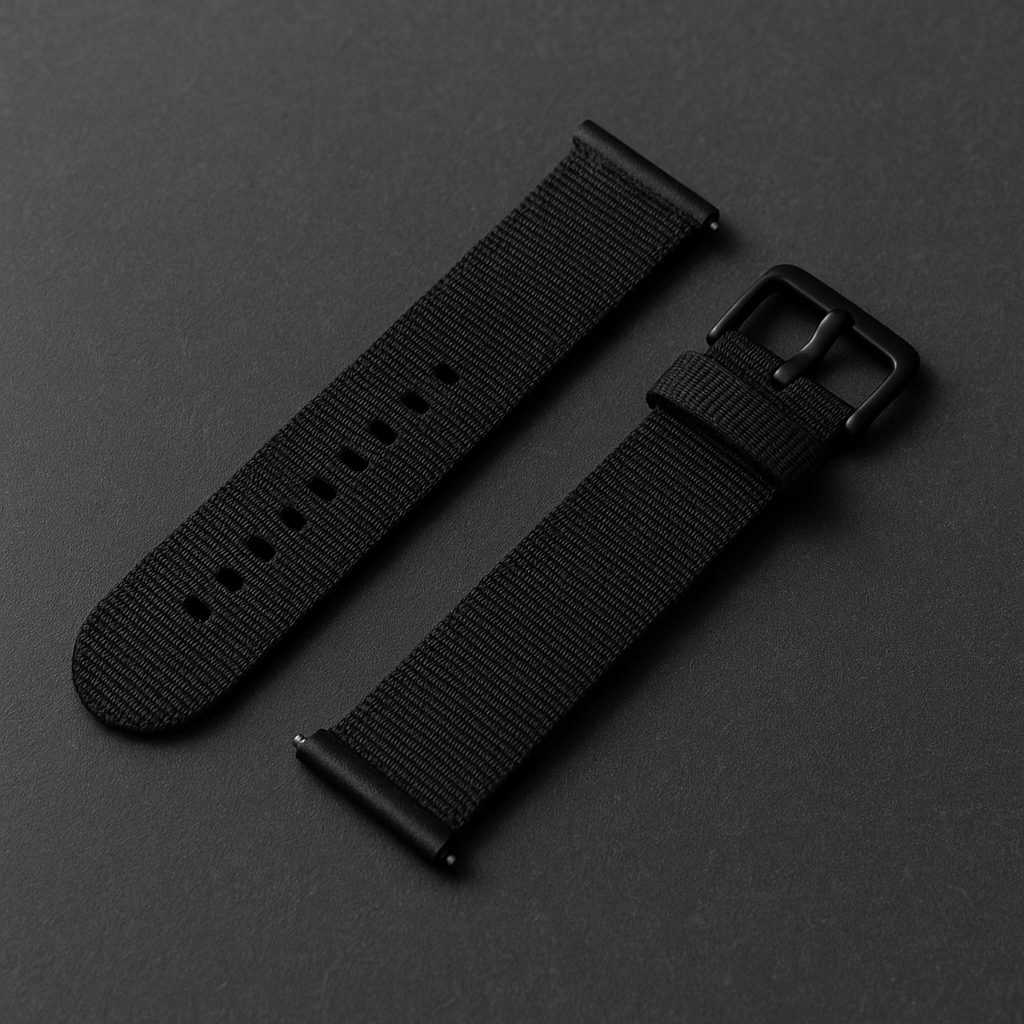
Most fabric bands are crafted from nylon or blends that include nylon for strength and flexibility. The comfort of these bands depends on weave density, thickness, and the degree of stretch. Finer weaves tend to feel smoother and less abrasive against the skin. Some fabric bands are elastic, allowing them to gently expand as your wrist swells during the night, which can prevent pressure marks. A lightweight, thin nylon band with a soft texture is likely to offer excellent breathability and reduce sweat buildup. If a band feels rough, opting for one with a tighter, softer weave or lightly padded underside can improve comfort.
Leather Bands
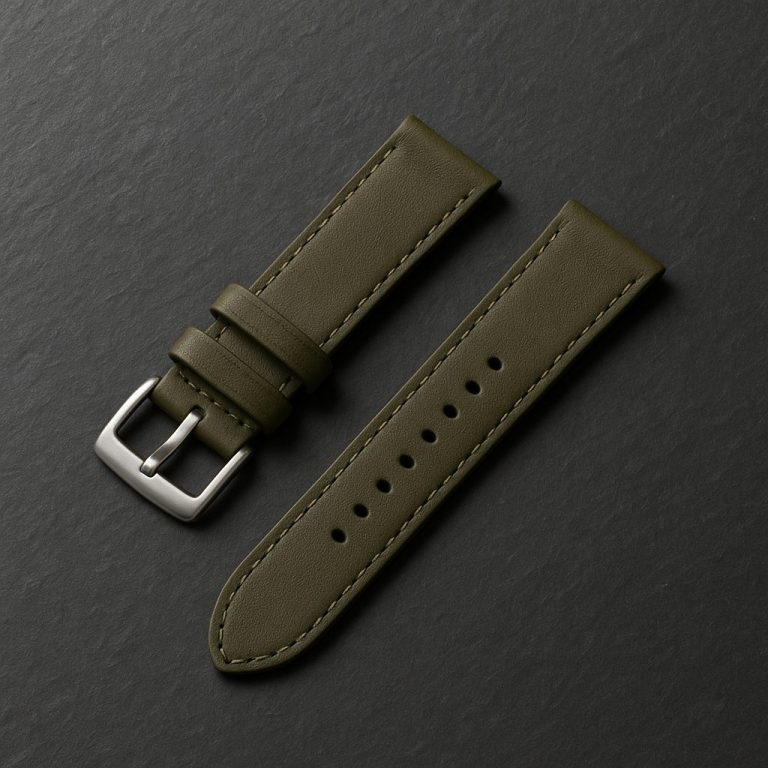
Leather bands offer natural softness and, over time, can mold to the contour of your wrist. However, leather is less breathable than fabric or silicone and may cause sweating or discomfort if worn too tightly during sleep. Thinner, more supple leather bands tend to be more suitable for overnight use than thick, stiff ones. It’s important to ensure the inside surface is smooth and free from seams or ridges that could irritate the skin. If you choose leather, loosening the band slightly before bed can help minimize pressure and improve airflow.
Metal Bands
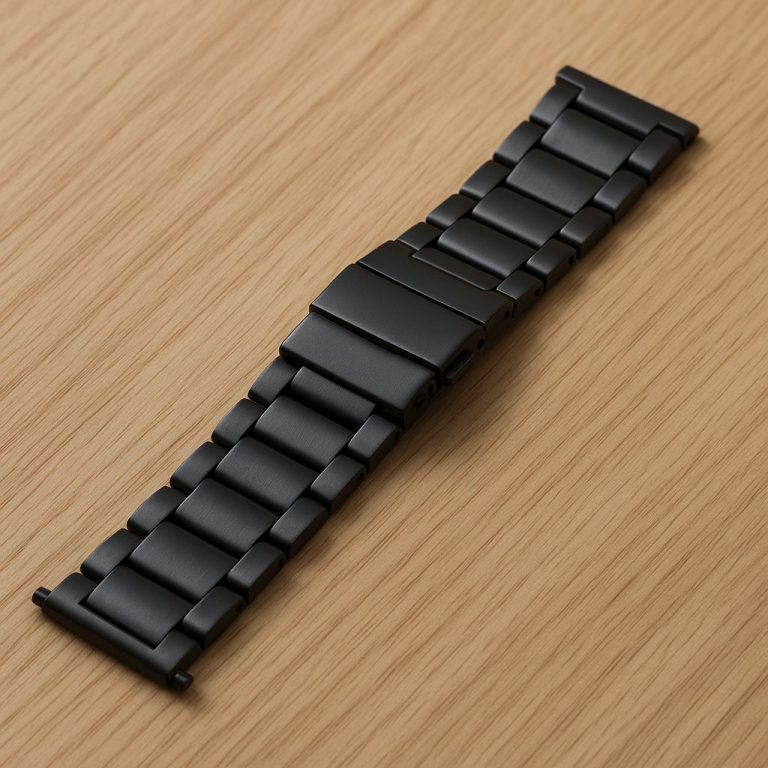
Metal bands, most often made from stainless steel due to its durability and resistance to corrosion, are generally less comfortable for sleeping. Their weight can press the watch into the wrist, and the links or clasps might pinch or leave indentations on the skin. Metal can also feel cold against bare skin, especially in cooler environments. While some people tolerate slim, well-fitted metal bracelets overnight, most find fabric or silicone bands preferable for sleep. If you only have a metal band, ensuring a very loose fit and a smooth-edge design may reduce discomfort, but it may not prevent all issues.
Fit and Adjustability: The Key to Overnight Comfort
Regardless of material, a watch band that is too tight can cause circulation issues, while a band that is too loose may shift around and disturb your sleep. The best band for sleeping should allow for minor wrist swelling that naturally occurs overnight. Many find that a slightly looser fit than daytime wear is more comfortable for sleep.
Adjustable closure types like hook-and-loop straps or traditional pin buckles make it easy to find the right tension. Stretchy fabric bands can adapt to wrist size changes without the need for manual adjustment. When using a silicone or leather band, using the last or second-to-last hole is often more comfortable for overnight wear, as it prevents pinching.
Breathability and Skin Health
Moisture buildup is a common cause of itching or irritation during sleep. Fabric bands with open, airy weaves (such as those made from thin nylon) or silicone bands with ventilation holes allow sweat to evaporate and skin to breathe. Leather and metal bands tend to trap more heat and moisture, which can increase the risk of discomfort or skin reactions if worn tightly or for prolonged periods.
For those with sensitive skin, hypoallergenic materials such as certain silicone blends or tightly woven, smooth nylon fabrics are less likely to cause problems. If you notice red marks, itching, or rash after sleeping with your watch, it may help to switch materials or ensure the band is not trapping moisture against the skin.
Band Profile: Avoiding Bulk for a Restful Night
Large, thick, or heavy bands can dig into your wrist as you shift positions during sleep. Low-profile bands, whether silicone, fabric, or thin leather, are less likely to catch on bedding or press uncomfortably against your skin. If you move a lot during sleep, a band with a flat, smooth buckle or closure can help prevent accidental scratches or snags.
Attachment to the Watch Case: What to Consider
The way a band attaches to the watch case can affect comfort as well. Most watches use spring bars or quick-release pins to connect the band to the case lugs (the protruding parts where the band attaches). Quick-release pins make it easier to swap bands, which can be useful if you prefer a different band for night and day. Regardless of the attachment method, ensure there are no sharp edges where the band meets the case, as these can irritate the skin during sleep.
Practical Takeaway
For comfortable sleep, select a watch band made from soft, breathable materials like silicone or a smooth nylon blend, and ensure it fits loosely enough to accommodate wrist swelling. Lightweight, low-profile designs reduce pressure and minimize sleep disruption. Bands with easy adjustability or mild stretch provide further comfort. If you experience skin irritation or marks, try a different material or adjust the fit until you find a combination that allows you to sleep soundly while wearing your watch.