What makes some watch bands feel colder or warmer on the skin?
Why Watch Bands Feel Different Temperatures on Your Skin
Many people notice that some watch bands feel cool to the touch when first put on, while others seem to feel warm or neutral. This isn’t just a trick of perception—there are real physical reasons why different materials create distinct sensations against your skin. Understanding these differences can help you choose a watch band that matches your comfort preferences, especially in changing weather or during long periods of wear.
The Role of Material in Temperature Sensation
The primary factor that makes a watch band feel colder or warmer is the material it’s made from. Each type of material interacts with heat in unique ways, affecting how quickly it draws heat away from your skin or insulates it. Here’s a closer look at the main categories:
Metal Watch Bands
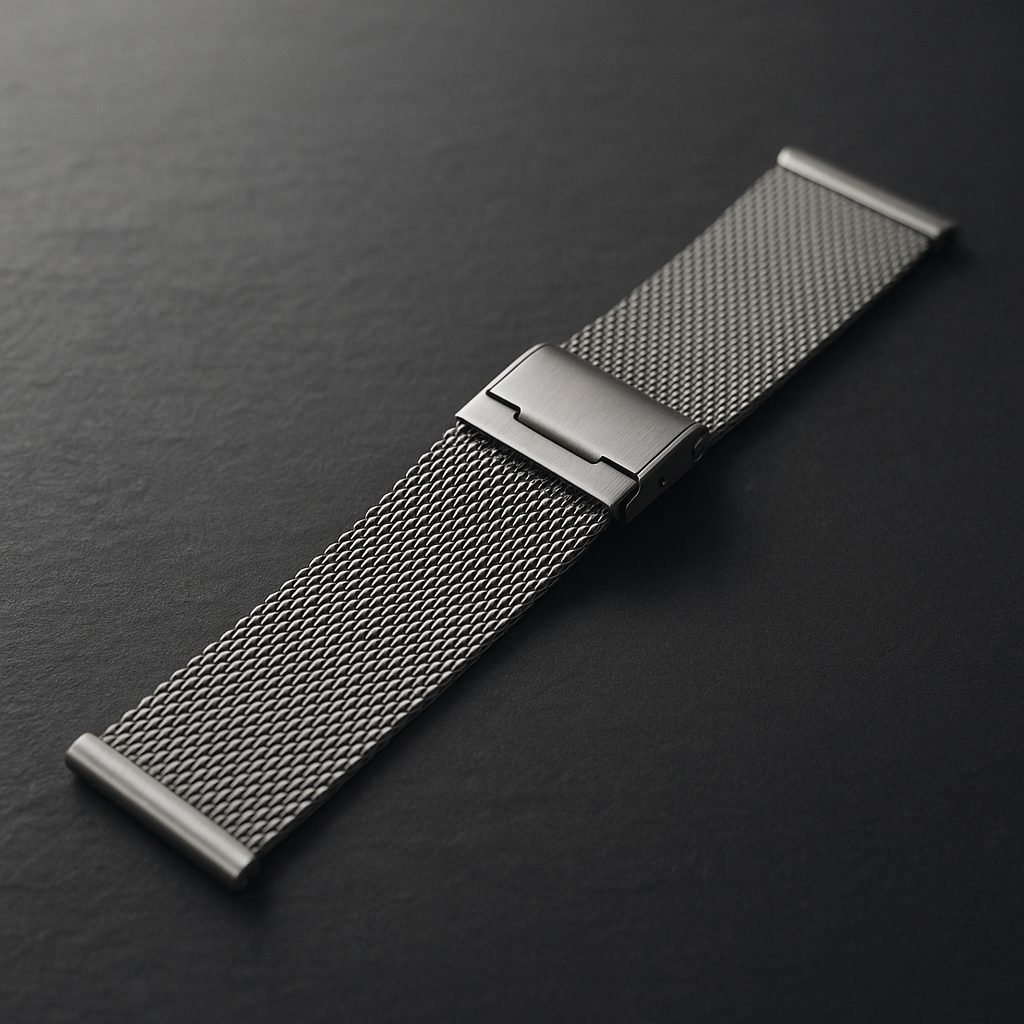
Metal watch bands—most commonly made from stainless steel due to its durability and corrosion resistance—often feel noticeably cold when first touched. This is because metal is an excellent conductor of heat. When you put a metal band on your wrist, it quickly pulls heat away from your skin, creating a chilly sensation. Over time, the metal absorbs your body heat and feels less cold, but that initial contact is often striking, especially in cool environments.
In hot weather or direct sunlight, however, metal bands can absorb ambient heat and may become uncomfortably warm. Metal’s high thermal conductivity means it quickly adjusts to the surrounding temperature, so it tends to amplify environmental changes.
Leather Watch Bands
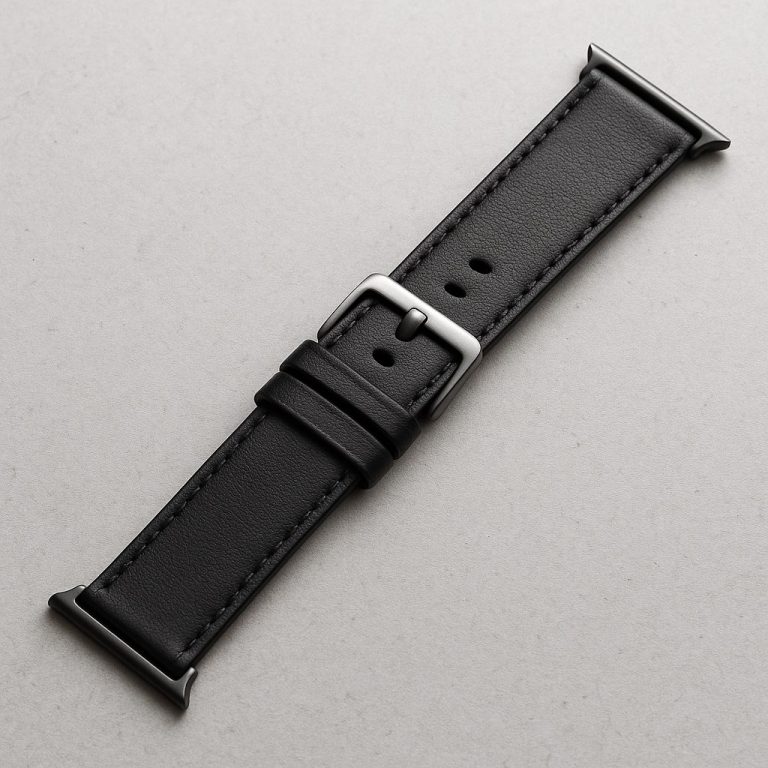
Leather bands are a popular choice for those seeking a more neutral feel. Leather doesn’t conduct heat as quickly as metal, so it rarely feels cold or hot at first contact. Instead, leather bands typically feel closer to room temperature, and they warm up to match your skin within a short period of wear. Leather also tends to insulate your wrist, which can make it feel slightly warmer in hot or humid conditions, but it rarely becomes uncomfortable due to temperature alone.
The thickness and finish of leather can also influence sensation. Thicker, padded leather may trap more warmth, while thinner or perforated leather can allow for better airflow and a cooler feel.
Fabric Watch Bands
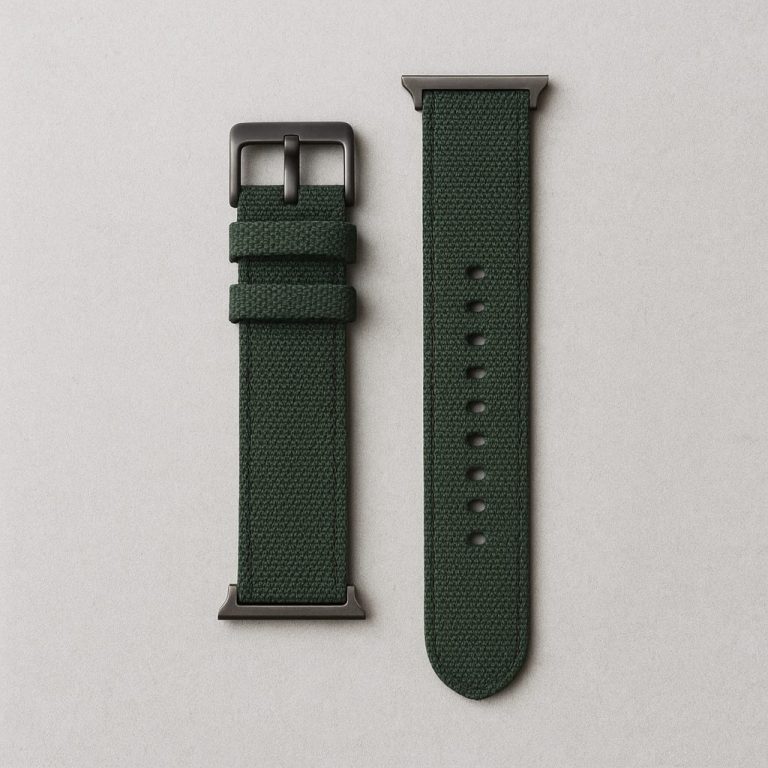
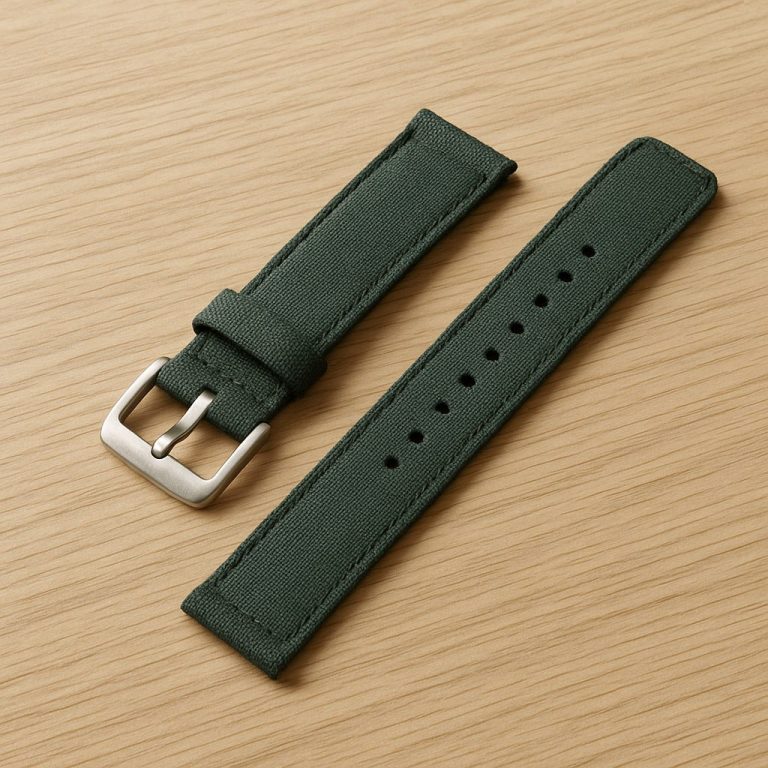
Most fabric watch bands are made from nylon or nylon blends. These materials absorb heat slowly and don’t conduct it rapidly, so they tend to feel neutral or slightly cool to the touch. The weave density, thickness, and elasticity of nylon bands all play a role in how they interact with your skin. For example, a tightly woven, thick nylon strap might feel warmer during prolonged wear, whereas a looser, lighter weave allows for more airflow and stays cooler.
Texture also matters. Smooth, flat-woven fabric can feel cooler, while textured or padded designs may trap heat against the wrist. Many watch wearers prefer fabric bands in warm weather for their breathability and moderate thermal properties.
Silicone Watch Bands
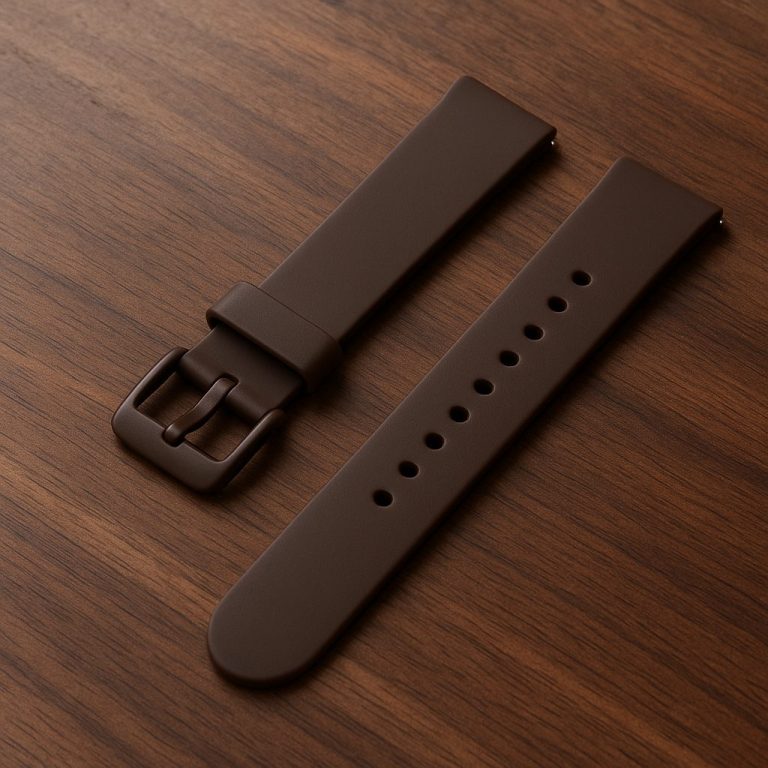
Silicone bands are popular for sports and casual watches. These materials are poor conductors of heat, so they don’t feel especially cold or hot when first put on. Silicone bands often feel slightly cool, but they quickly reach skin temperature. However, silicone can trap sweat and may feel warmer during extended activity or high temperatures, since it doesn’t allow as much airflow as fabric or perforated leather.
The thickness, flexibility, and design of silicone bands—such as the presence of ventilation holes—can also affect how warm or cool they feel during wear.
How Thermal Conductivity Affects Sensation
The physical property that most influences how a material feels on your skin is thermal conductivity. This measures how easily heat passes through a material. Here’s a simple comparison:
| Material | Thermal Conductivity | Initial Sensation | Long-Term Comfort |
|---|---|---|---|
| Metal (Stainless Steel) | High | Cold (or hot, depending on environment) | Quickly matches skin temp, but mimics surroundings |
| Leather | Low | Neutral | Warms quickly, can insulate |
| Fabric (Nylon) | Low | Neutral to cool | Breathable, varies by weave |
| Silicone | Very Low | Neutral | Can trap heat/sweat |
Other Factors That Influence Temperature Perception
While the core material is the biggest factor, a few other elements can change how a band feels on your wrist:
- Thickness: Thicker bands of any material can provide more insulation, leading to a warmer feel.
- Ventilation: Bands with perforations or mesh designs allow for more airflow, which helps dissipate heat and sweat.
- Color: Darker colors absorb more heat from sunlight, so a black nylon or silicone strap might feel warmer in direct sun than a lighter color.
- Fit: A tighter band reduces airflow and can increase warmth, while a looser fit allows for cooling.
Practical Implications for Everyday Wear
If you’ve ever hesitated to put on a metal watch in winter because it feels icy, you’re experiencing the effects of high thermal conductivity. Letting the band warm in your hand for a few seconds before fastening it can take some of the chill away. Conversely, if you spend a lot of time outdoors in hot weather, a lightweight fabric or perforated silicone band may help your wrist stay cooler and less sweaty.
For those with sensitive skin, the sensation of temperature can also influence comfort. A band that feels too cold or too warm may cause irritation or discomfort over time, so it’s useful to consider not just appearance, but also the thermal properties when choosing a type of watch band.
Key Takeaway
Watch bands feel colder or warmer on the skin primarily because of differences in material properties—especially thermal conductivity and insulation. Metal bands conduct heat quickly, leading to rapid temperature changes, while leather, fabric, and silicone bands tend to feel more neutral due to their insulating qualities. Factors like thickness, color, weave, and fit also play a role. Being aware of these characteristics can help you select a watch band that feels comfortable in your daily environment, whether you’re dealing with winter chill or summer heat.