Finding the Perfect Fit: Avoiding Pressure Points on Your Wrist
Importance of Proper Fit for Comfort
Finding the right fit for a watch is essential, not just for style but also for comfort. A watch that fits well can enhance your experience and prevent discomfort, particularly in sensitive areas like the wrist. Pressure points can lead to irritation, pain, or even long-term issues, making it crucial to understand how to avoid them when selecting a watch band.
Understanding Different Types of Watch Bands
Watch bands come in various materials and styles, each offering unique characteristics that can affect fit and comfort. Below are some common types of watch bands:
Fabric Bands
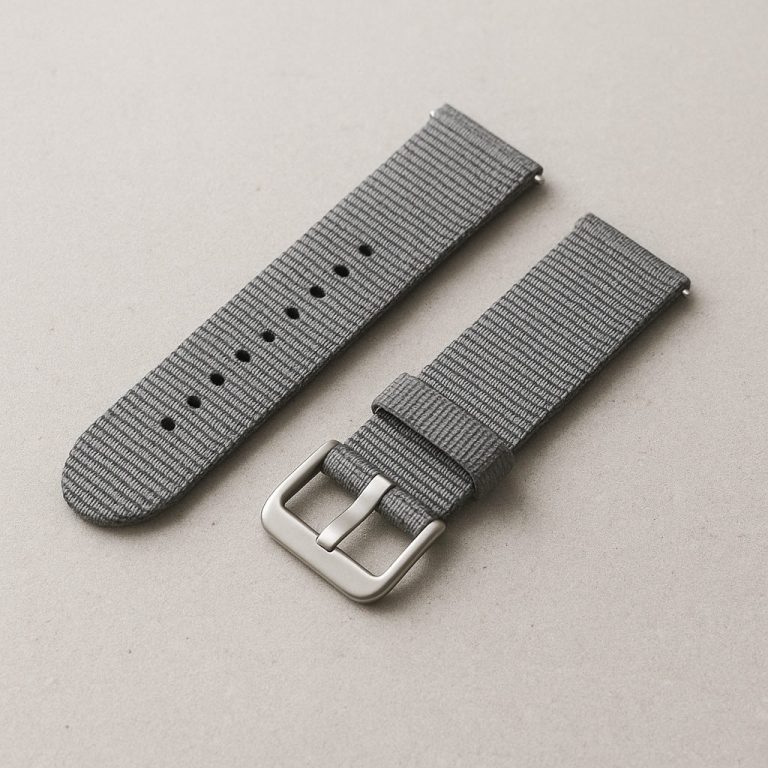
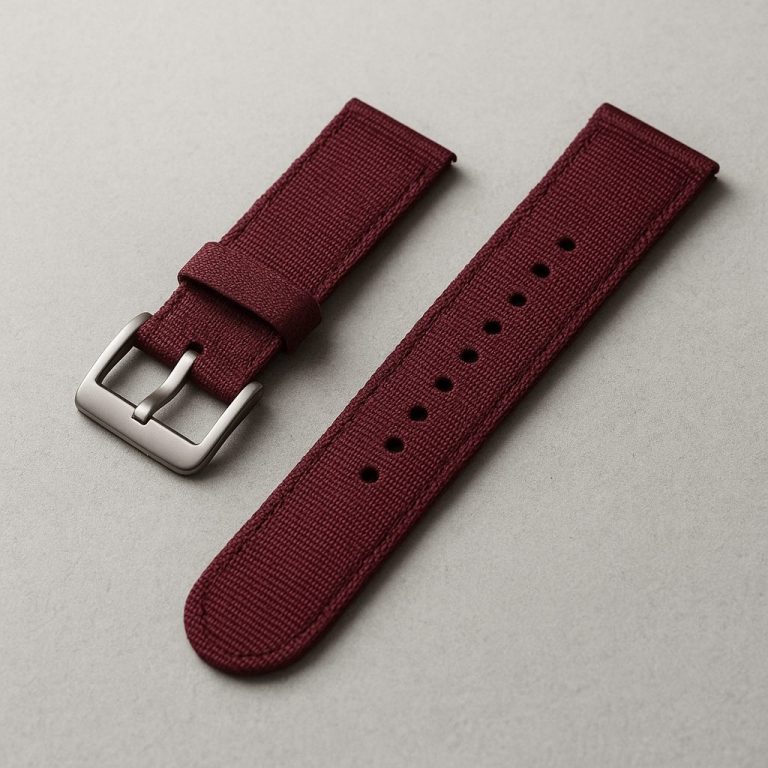
Most fabric watch bands are made from nylon, which is known for its durability and flexibility. Within this category, styles can vary significantly:
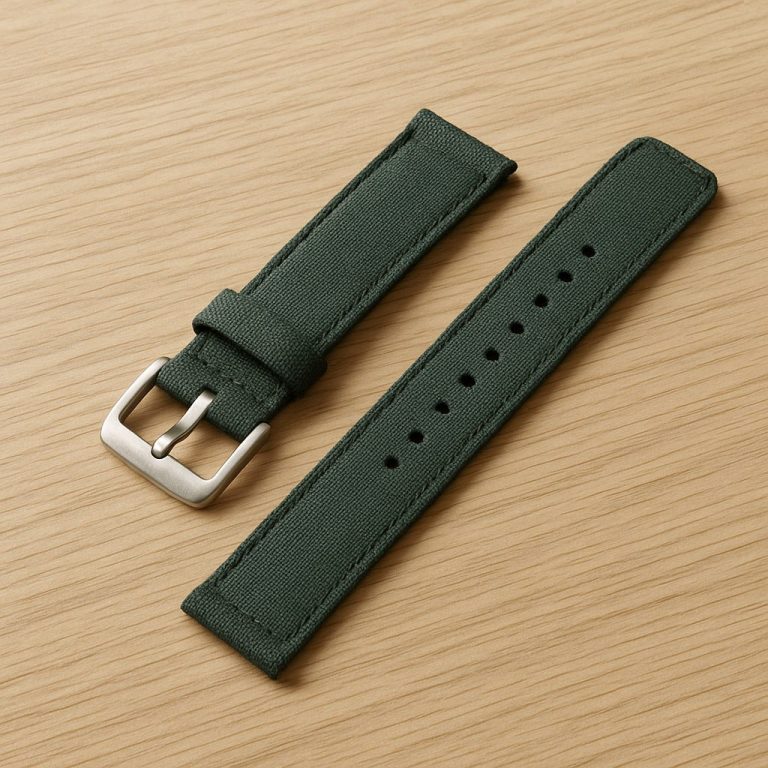
- Canvas: Typically thicker and sturdier, canvas bands provide a rugged look and feel.
- Braided: These bands often feature intricate designs and can offer more breathability.
- Stretchy: Designed for a snug fit, stretchy bands can adapt to wrist movements but may cause pressure points if too tight.
- Woven: These bands often have a soft texture and can vary in thickness, affecting both comfort and appearance.
The weave, thickness, and texture of these bands play a significant role in how they feel on the wrist, and it’s essential to choose one that suits your personal comfort level.
Metal Bands
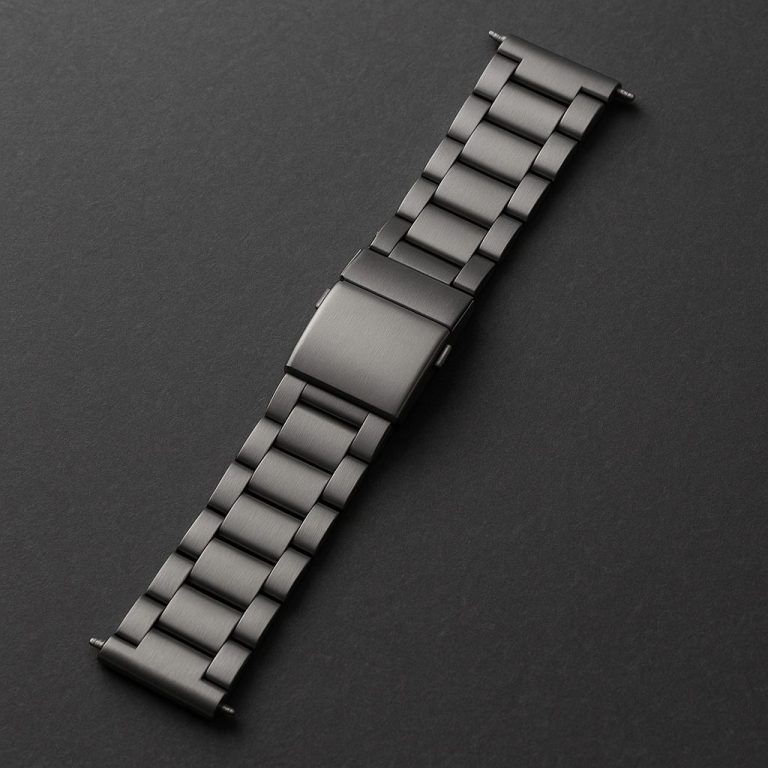
Metal watch bands are another popular choice, with stainless steel being the most common material due to its durability and corrosion resistance. They often come in various styles, such as:
- Link bracelets: These consist of interlocking metal pieces and can be adjusted for a better fit.
- Mesh bands: Featuring a woven design, mesh bands tend to be more flexible and breathable.
While metal bands can offer a premium look, they may also create pressure points if not adjusted correctly or if they do not conform to the wrist’s shape.
Leather Bands
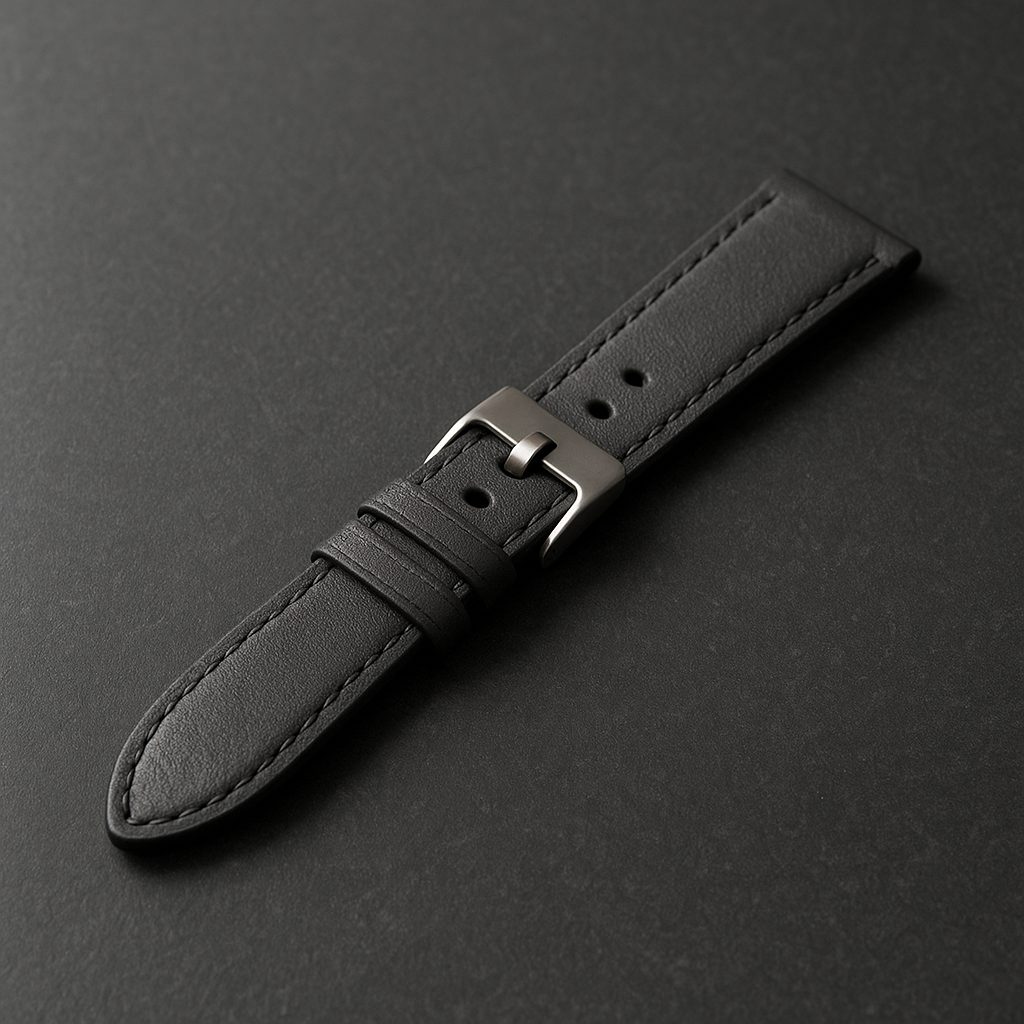
Leather bands provide a classic and sophisticated appearance. They can vary in thickness and stiffness, impacting comfort. Key points to consider include:
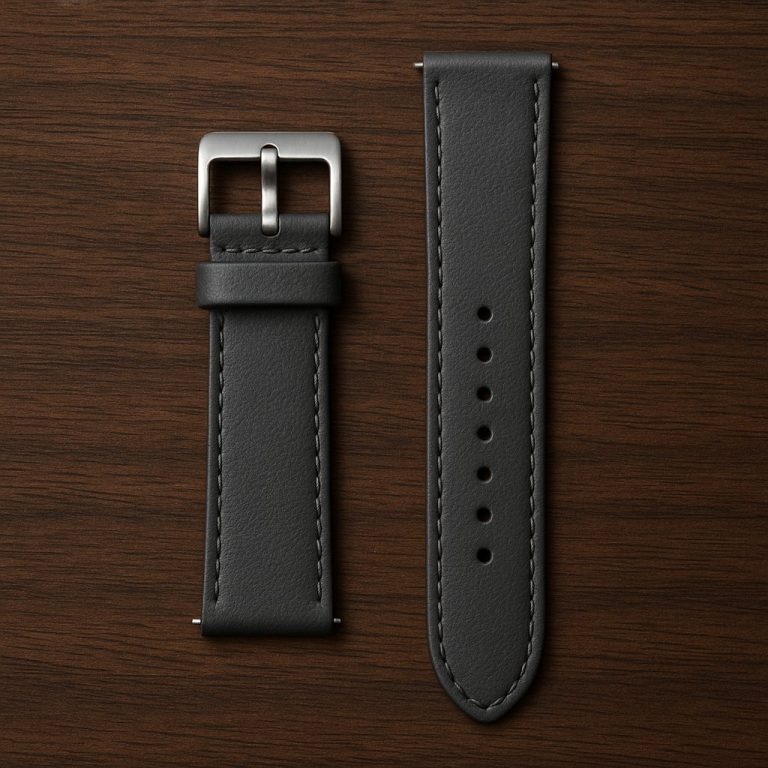
- Thickness: Thicker leather may take time to break in, causing discomfort initially.
- Softness: Softer leather is generally more comfortable but can wear out more quickly.
When selecting a leather band, ensure it fits well and does not pinch or press against the wrist.
Factors Influencing Comfort and Fit
Several factors can affect how a watch band fits and feels on your wrist, including:
Wrist Size
Your wrist size is perhaps the most crucial factor in determining the right watch fit. Measure your wrist to ensure you choose a band that offers enough length without being overly tight or loose.
Watch Case Size
The size of the watch case can also impact comfort. A larger case may require a wider band for balance, while a smaller case might look better with a narrower band. Aim for a cohesive look that feels comfortable during wear.
Adjustment Features
Look for bands that offer adjustment options. Many metal bands come with removable links, while fabric and leather bands often feature multiple holes for size adjustment. A well-adjusted band can significantly reduce pressure points.
Personal Activity Level
Consider your daily activities when selecting a watch band. If you lead an active lifestyle, you may prefer materials that are breathable and lightweight, such as nylon or mesh. Conversely, if you often attend formal events, leather or metal bands may be more appropriate.
Avoiding Pressure Points
To avoid pressure points while wearing a watch, keep the following tips in mind:
- Proper Sizing: Ensure the band is neither too tight nor too loose. A snug fit is ideal, but there should be enough room to slide a finger underneath.
- Material Sensitivity: Be aware of any sensitivities you may have to certain materials, such as metals or specific fabrics.
- Regular Adjustments: If your wrist size fluctuates, regularly adjust your watch band to maintain comfort.
- Break-In Period: New bands, particularly leather, may require a break-in period. Wear them for short periods at first to allow them to conform to your wrist.
Conclusion
Choosing the right watch band is a significant factor in achieving comfort and avoiding pressure points on the wrist. By understanding the various materials available, considering personal wrist size and activity, and ensuring proper adjustments, you can find a band that not only looks good but feels comfortable throughout your day.