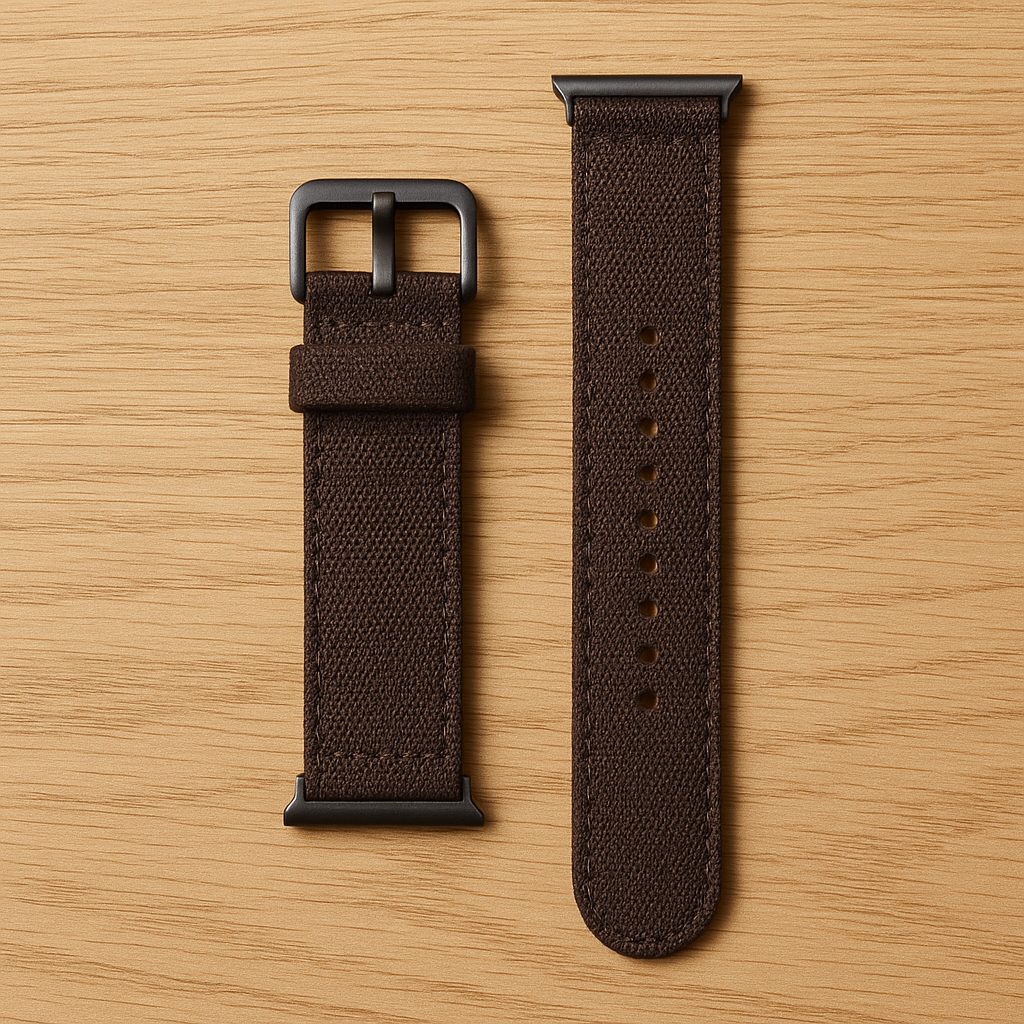
Why some watch bands sit flat on different wrist shapes while others leave gaps
How Wrist Shape Influences the Way Watch Bands Fit
After fastening a new watch to your wrist, you might notice that the band hugs the skin perfectly, sitting flat with no gaps. In other cases, the same band may arch upward, leaving noticeable spaces between the band and your wrist, especially near the lugs or at the sides. This difference often becomes obvious when switching between different band styles or after wearing the watch for several hours. Understanding why some watch bands sit flat while others leave gaps can help you choose a more comfortable fit for your unique wrist shape.
Key Factors Affecting How Bands Sit Against the Wrist
The fit of a watch band is determined by the interaction between the band’s physical design, the material’s flexibility, and the anatomical shape of the wearer’s wrist. Each of these elements contributes to whether the band lays flat or forms gaps.
Wrist Shape and Contour
Wrist shapes vary widely. Some wrists are more rounded, others flatter or even slightly angular. The wrist can also taper toward the hand or have prominent bones near the ulna and radius. These variations influence how a band must curve to achieve a close fit. A band that conforms well to a flat wrist may arch awkwardly over a rounder wrist, and vice versa.
Band Material and Flexibility
Different band materials have unique physical properties that impact how they interact with wrist shapes:
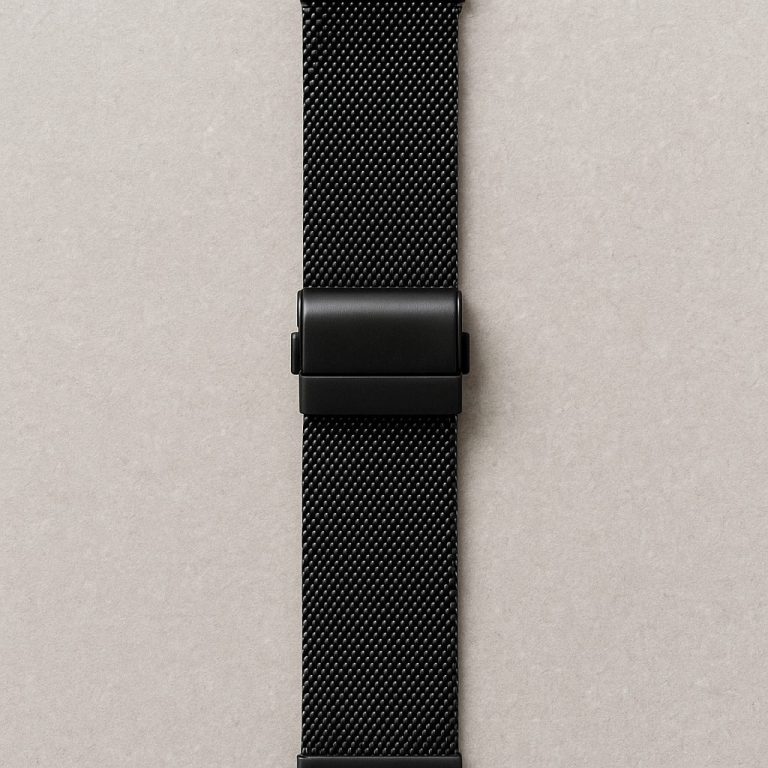
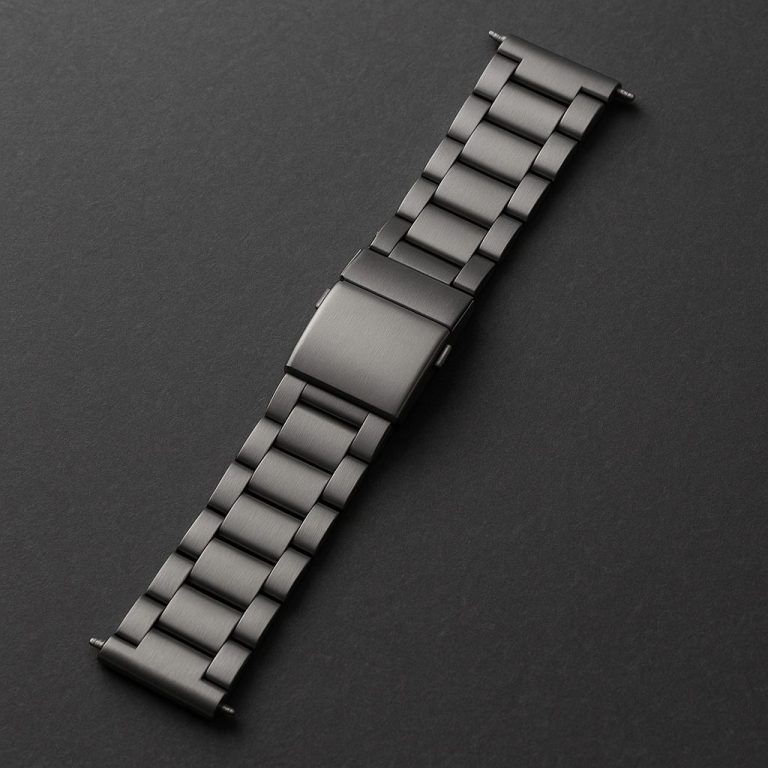
- Metal Bands: Most metal bracelets are made of stainless steel, chosen for its durability and resistance to corrosion. These bands are usually constructed from interconnected links. The links articulate to follow the wrist’s curve but only in certain directions and increments. If the curve of the band’s links does not match the wrist’s shape, gaps can appear, especially near the lugs or between links.
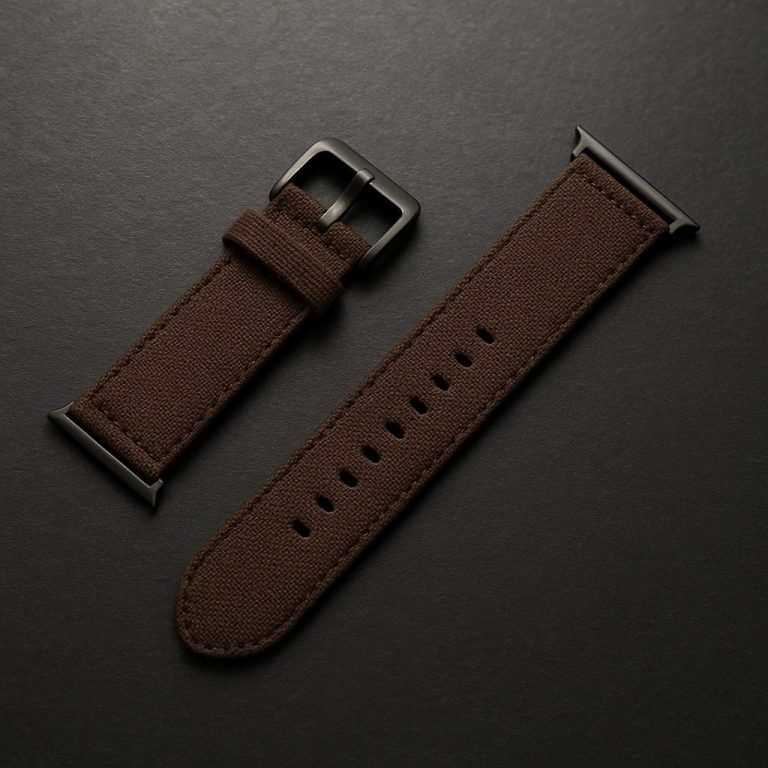
- Leather Bands: Leather is flexible but has a natural stiffness, especially when new. Over time, a leather band may mold slightly to the wearer’s wrist, but initially, it might not sit flush, particularly if the wrist is very round or flat. Thicker leather bands, or those with stiff padding, are especially prone to leaving gaps at first.
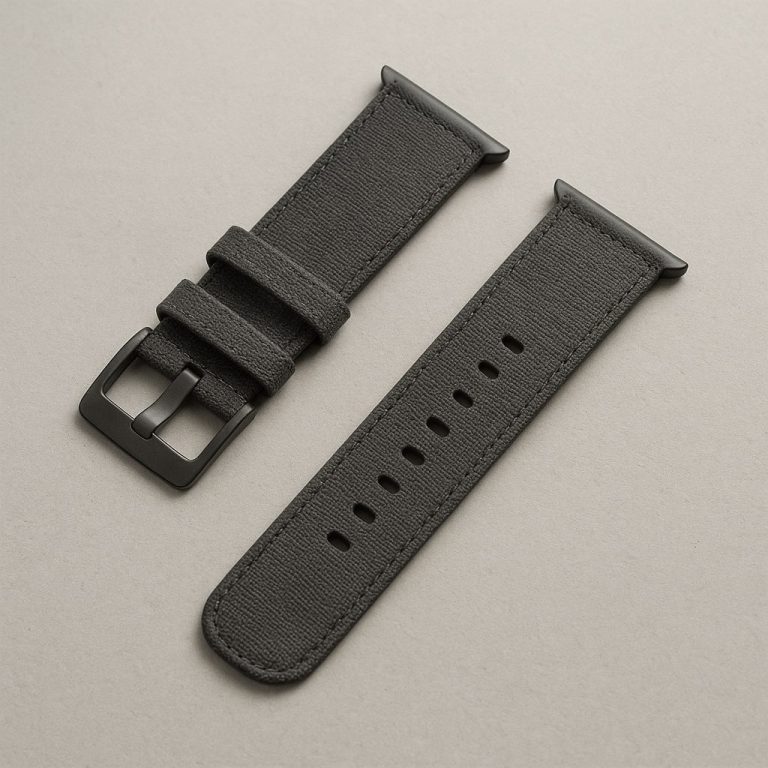
- Fabric Bands: Most fabric bands are made from nylon or blends containing nylon. The weave density, thickness, and even slight elasticity of these materials influence their ability to conform. Looser or stretchier weaves tend to follow wrist contours closely, while stiffer, thickly woven bands may remain raised from the skin in places, especially at the edges or near the lugs.
- Silicone Bands: Silicone bands are flexible and resilient, allowing them to drape closely around most wrist shapes. Their softness lets them compress to fill minor gaps, but very thick styles may still show some separation, especially on wrists with pronounced contours.
Attachment at the Lugs and Watch Head
The design of the watch case, particularly the placement and shape of the lugs—the small extensions where the band attaches—affects the band’s starting angle. Bands are commonly attached to the lugs with spring bars or quick-release pins, which set the pivot point. If the lugs angle sharply downward, the band will begin to curve toward the wrist immediately, improving contact. Lugs that extend straight out from the watch case can cause a band to start flat before curving, sometimes leading to gaps, especially near the case.
How Specific Bands Interact with Different Wrist Shapes
The relationship between a particular watch band and wrist shape is not always obvious until the watch is worn. Below is a table summarizing how each major band material typically behaves when paired with various wrist contours:
| Band Material | On Flat Wrists | On Round/Angular Wrists |
|---|---|---|
| Metal Bracelet | Often sits flush if link curvature matches wrist; gaps may appear if the bracelet is too rigid or links are large. | May not follow pronounced curves, causing gaps near lugs or between links. |
| Leather Band | Flat wrists can cause new or thick bands to arch up at the edges before breaking in. | May struggle to conform around very round wrists, especially if thick or padded. |
| Fabric Band (Nylon/Nylon Blend) | Thick, stiff weaves can leave edges raised; thinner or elastic bands conform better. | Stretchy or woven fabric bands adapt well, but dense weaves may show side gaps. |
| Silicone Band | Usually conforms well; thick bands may show slight gaps on flatter wrists. | Soft silicone generally hugs curves tightly, filling most gaps. |
Additional Factors That Influence Band Fit
Several other elements play a role in whether a band sits flat or leaves gaps:
- Band Width and Thickness: Wide or thick bands are less flexible, making it harder for them to follow the wrist’s shape without lifting away at the sides or near the lugs.
- Adjustment and Sizing: Metal bracelets often have links that can be removed, but the spacing between adjustment points may prevent a perfect fit, sometimes causing the band to ride higher or looser than desired. Bands that are too tight or too loose may both sit unevenly.
- Curved Ends: Some bands feature curved end pieces designed to match the curve of the watch case. These can help reduce gaps near the lugs but may not fit all wrist shapes equally well.
- Band Attachment Mechanism: The use of spring bars or quick-release pins affects how easily a band pivots at the lugs. Limited movement can exacerbate gapping if the wrist shape does not match the band’s natural curve.
Practical Implications and Everyday Examples
Someone with a flatter wrist might find that a thick leather band or a rigid metal bracelet arches up near the edges, especially right after putting it on or when flexing the wrist. Over time, leather bands can adapt and flatten out, but metal links will remain as articulated as their design allows. On the other hand, silicone bands and soft nylon straps with some stretch typically hug the wrist closely regardless of shape, making them a common choice for those looking to avoid gaps altogether.
When replacing a band, consider how the band’s construction interacts with your wrist shape. For example, a densely woven nylon strap may look appealing but could feel stiff and leave gaps if your wrist is especially rounded. Experimenting with different materials or thicknesses, or choosing bands with more flexible construction, can improve how the watch sits throughout the day.
Key Takeaway
The way a watch band sits on your wrist depends on the complex interaction between the material’s flexibility, the watch case and lug design, and the unique contours of your wrist. Paying attention to these details makes it easier to select bands that sit comfortably and avoid unwanted gaps, leading to a better wearing experience overall.