Why some watch bands feel tighter at different times of the day?
Why Your Watch Band Feels Tighter or Looser Throughout the Day
Many people notice that their watch band can feel snug in the morning, loose by midday, or suddenly tight in the evening. This changing sensation isn’t just in your head—it’s a result of how your body and environment interact with your watch and its band. Several physical and environmental factors influence how a watch band fits at different times of the day.
How Body Changes Impact Watch Band Fit
The most significant reason for fluctuating watch band tightness is natural changes in your wrist and surrounding tissue. Your body’s size and shape can shift throughout the day due to fluid retention, temperature, and activity level. Here’s how these factors can affect your watch band:
- Fluid Retention: Overnight, your body may retain fluid, causing slight swelling in your hands and wrists. This can make a band feel tighter in the morning. As you move around during the day, fluid disperses, and the band may feel looser.
- Temperature Changes: Heat causes blood vessels to expand and draws more blood to the skin’s surface, making the wrist swell slightly. In cold weather, vessels constrict, and the wrist becomes slimmer.
- Physical Activity: Exercise or even brisk walking increases blood flow and may cause temporary swelling in the wrist and hand, tightening the fit of your watch band.
- Diet and Hydration: High salt intake or dehydration can both contribute to fluid retention, making your wrist circumference vary.
For example, someone who wears a watch to bed may wake up and find it noticeably tighter than it was the night before. By midday, after moving around and hydrating, the band might feel more comfortable or even a bit loose.
The Role of Watch Band Materials
Not all watch bands react the same way to changes in your body or the environment. The material of your band plays a significant part in how noticeable these shifts feel throughout the day. Here’s a comparison of common watch band materials:
| Band Material | Flexibility | Reaction to Sweat/Moisture | Impact on Fit Variation |
|---|---|---|---|
| Metal (stainless steel most common) | Rigid | Minimal absorption | Fit feels tighter with wrist swelling; does not stretch |
| Leather | Slightly flexible, especially when broken in | Absorbs moisture, can soften or stiffen | May stretch slightly over time; feels tighter with swelling |
| Fabric (usually nylon or nylon blends) | Varies by weave and thickness; some elasticity | Absorbs sweat, dries at varying rates | May stretch a bit, but swelling still tightens fit |
| Silicone | Highly flexible | Resists moisture | Conforms to wrist, but may feel sticky when sweating |
Metal Bands
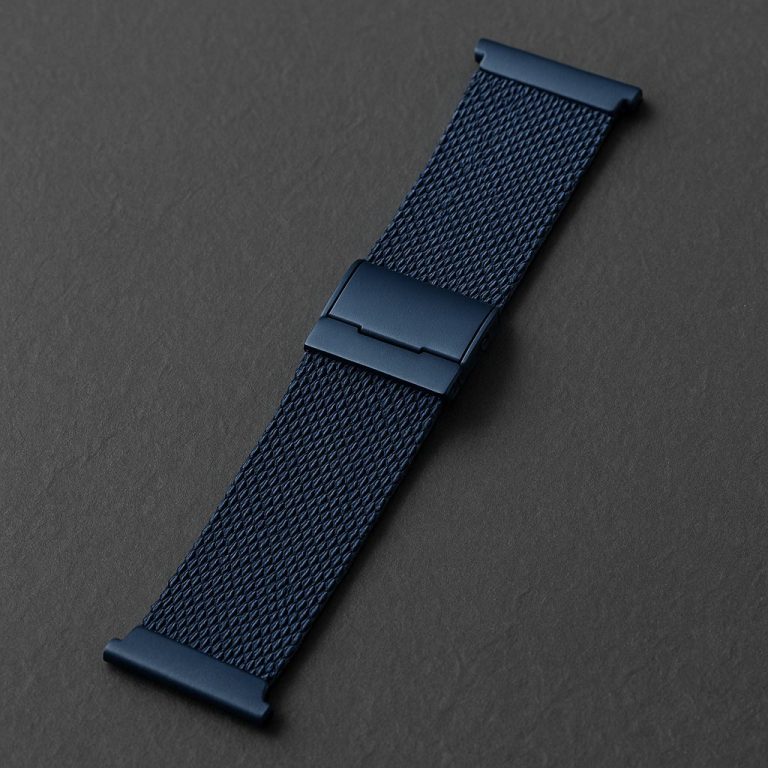
Metal bands, most commonly made from stainless steel, are rigid and don’t expand or contract with daily changes in your body. If your wrist swells, a metal bracelet will feel tighter because there’s no flexibility. Some metal bands have small extension links or micro-adjustment clasps, but many require a tool to adjust. If you notice consistent end-of-day tightness, it may be worth adjusting the bracelet for a slightly looser fit.
Leather Bands
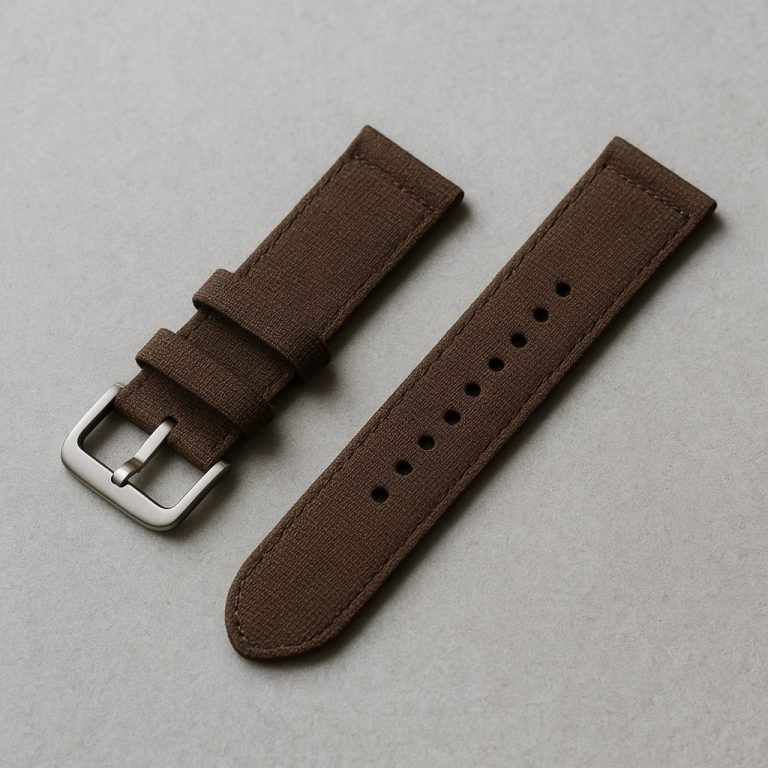
Leather bands start out fairly stiff but usually become more flexible over time. They can absorb sweat and moisture, which may soften the leather and cause it to stretch slightly. Leather is sensitive to humidity, so a hot, humid day can make the band feel tighter as your wrist swells and the material absorbs moisture. Conversely, in dry conditions, leather can stiffen and even shrink slightly, affecting comfort.
Fabric Bands
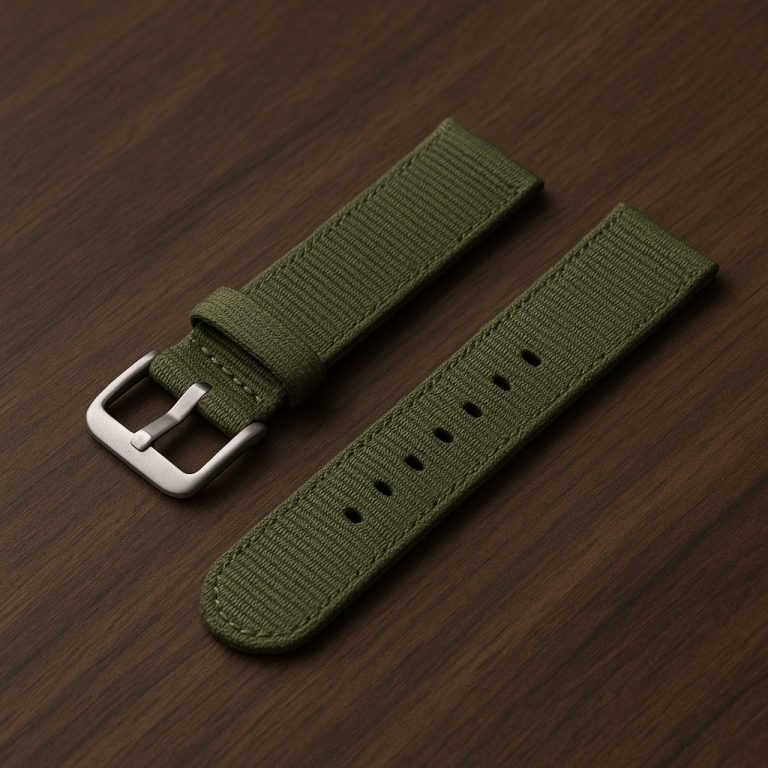
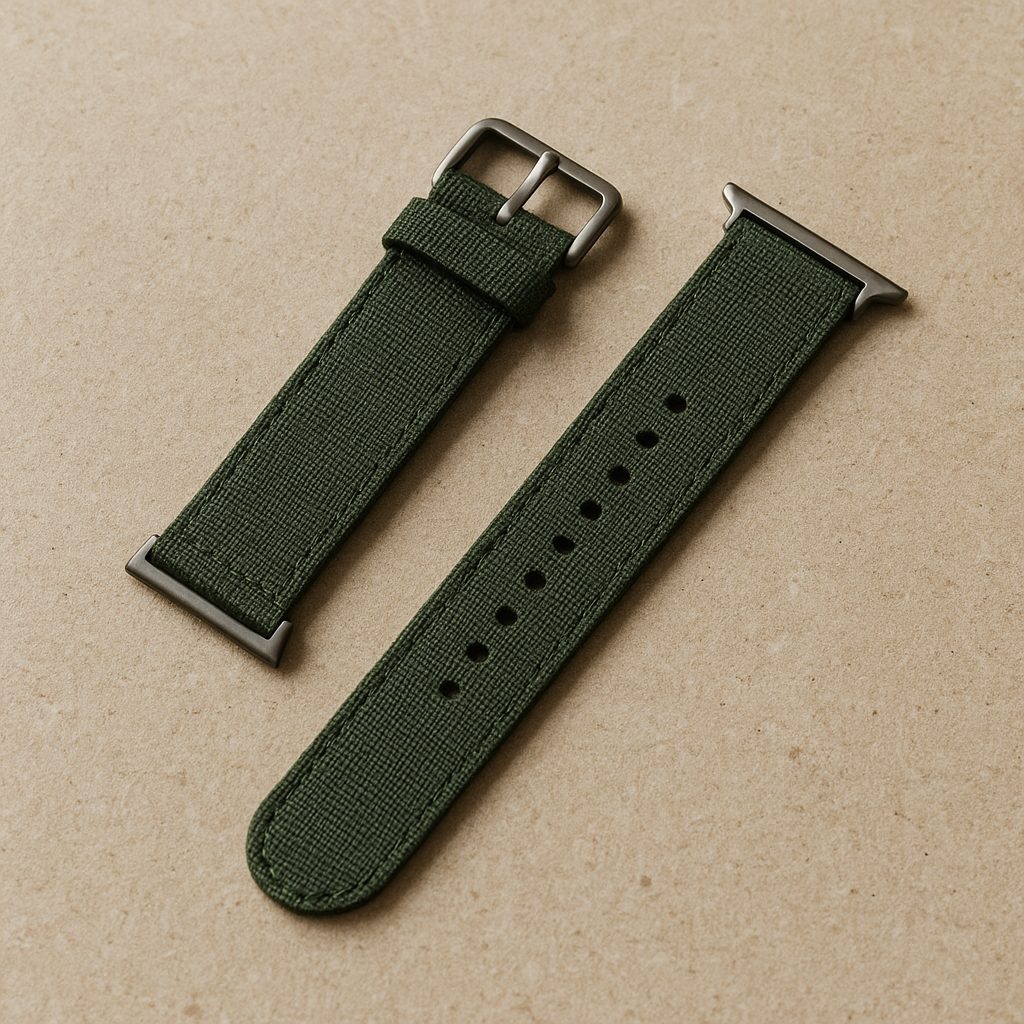
Most fabric bands are crafted from nylon or nylon-blended materials. The feel and fit can differ depending on the weave density, thickness, and elasticity of the band. A densely woven nylon strap with little stretch will behave more like a metal band, while a lighter, more elastic weave will allow some give as your wrist expands. Fabric bands tend to absorb sweat, which can contribute to minor stretching or a damp feeling during intense activity.
Silicone Bands
Silicone bands are popular for their flexibility and moisture resistance. They conform closely to the wrist, adjusting easily as your wrist changes in size. However, silicone can feel sticky against the skin during hot weather or intense exercise. This sensation, combined with swelling from heat or activity, may make the band feel tighter, even though the material itself is stretching to accommodate your wrist.
Environmental Factors That Affect Fit
External conditions can influence how your watch band feels, sometimes as much as your body’s changes. Here are some scenarios:
- Hot Weather: Heat increases blood flow and sweat production, causing your wrist to swell and some bands to absorb moisture. This makes almost any band feel tighter.
- Cold Weather: Cold causes your skin and tissues to contract, and your wrist becomes narrower. Bands may feel looser and could slide around more than usual.
- Humidity: High humidity can affect leather and fabric bands by softening them or increasing absorption, which might change how snugly the band fits.
Attachment Mechanisms and Adjustability
The way your watch band attaches to the case and how easily it can be adjusted also matters. Most watches connect the band to the case using lugs and a mechanism such as spring bars or quick-release pins. However, the actual fit and comfort are determined by the adjustability of the band itself:
- Buckle and Hole: Found on leather, fabric, and some silicone bands. Adjustment is limited to the spacing between holes.
- Velcro or Hook-and-Loop: Offers more precise adjustment, which can help you adapt to daily wrist size changes.
- Sliding Clasp (on metal or mesh bands): Allows for micro-adjustments, making it easier to fine-tune the fit throughout the day.
- Elastic or Stretch Bands: Some fabric or silicone bands have built-in stretch to accommodate swelling, but may not provide a secure fit for active use.
If you have a band with less flexibility in adjustment, such as a traditional buckle, you might need to live with slight changes in tightness. For those who experience significant swelling, switching to a band with more adjustment options—like a hook-and-loop strap or a band with multiple micro-adjustments—can improve comfort.
Practical Considerations for Daily Comfort
Recognizing that your wrist changes size throughout the day can help you set realistic expectations for your watch band’s fit. Here are a few practical tips:
- Leave your band slightly looser in the morning if you know your wrist will shrink during the day.
- If your band feels tight after exercise or in the heat, loosen it temporarily if possible.
- For bands that absorb sweat, like fabric or leather, make sure they dry thoroughly after heavy sweating to prevent long-term stretching or odor.
- If you find your metal band consistently uncomfortable at certain times, consider having extra links added or using a micro-adjustment clasp if available.
Understanding the factors that cause your watch band to feel tighter or looser at different times can make wearing your watch more comfortable and less frustrating. Paying attention to both your body and your watch band’s material will help you choose the right fit for your daily routine.