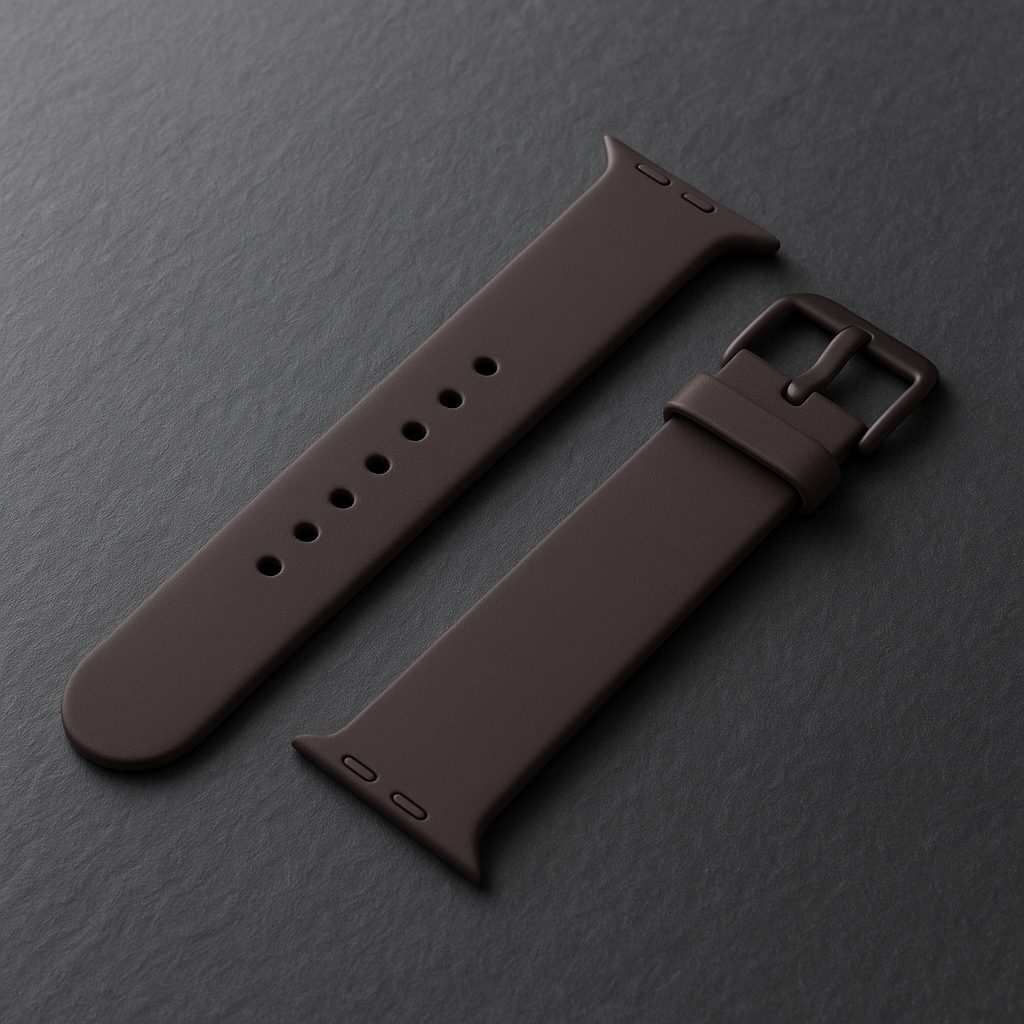
How repeated bending affects the lifespan of flexible watch bands
Everyday Movement and Watch Band Flexibility
It’s common to notice signs of wear on a flexible watch band after months or years of regular use. Whether it’s a silicone strap developing cracks, a leather band softening and creasing, or a nylon strap fraying near the holes, these changes are often linked to repeated bending. The way a watch band responds to constant flexing plays a major role in how long it will last, and understanding this can help in making choices about care and replacement.
How Bending Stresses Flexible Watch Bands
A flexible watch band bends every time a watch is put on, adjusted, or removed. Even subtle wrist movements throughout the day cause the band to flex repeatedly, especially at points near the watch case and the attachment mechanism. Over time, this constant motion creates stress in the material, which can lead to a variety of wear patterns depending on the type of band.
Common Flexible Watch Band Materials
Flexible watch bands are most often made from materials such as silicone, leather, or fabric (primarily nylon or nylon blends). Each material has a unique structure and responds differently to bending:
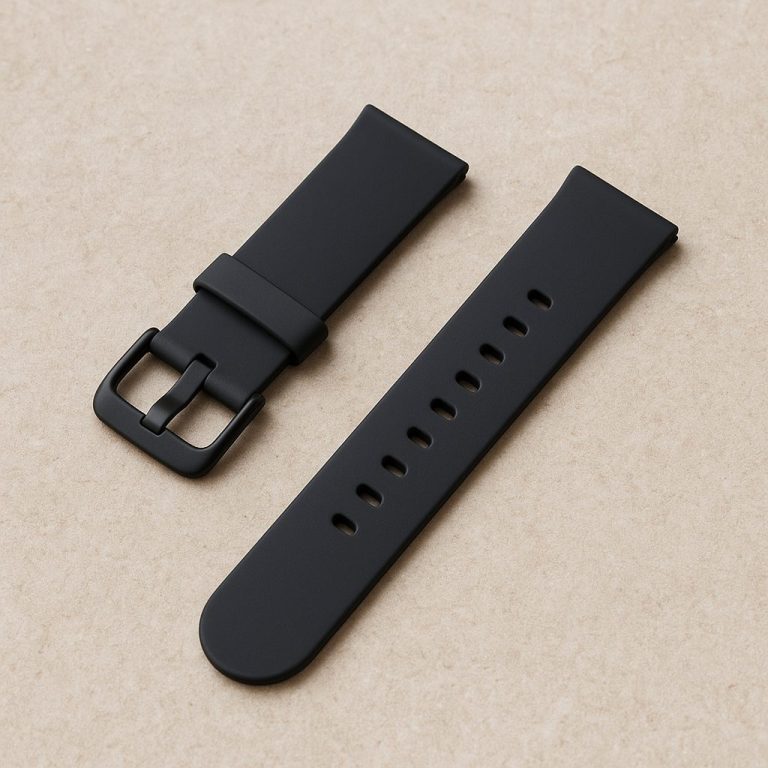
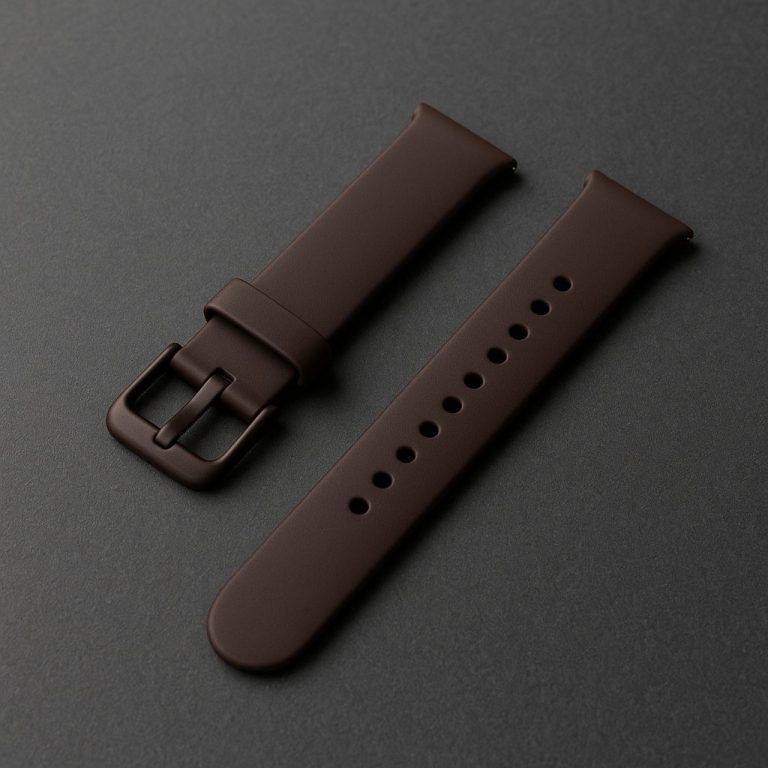
- Silicone are popular for their softness and water resistance. They flex easily but can develop splits or cracks after repeated bending, particularly at sharp bends or where the band attaches to the spring bar or quick-release pin.
- Leather is valued for comfort and appearance. It softens over time, but repeated bending can cause creases, stretching, and eventually cracking, especially if the leather dries out or is exposed to moisture.
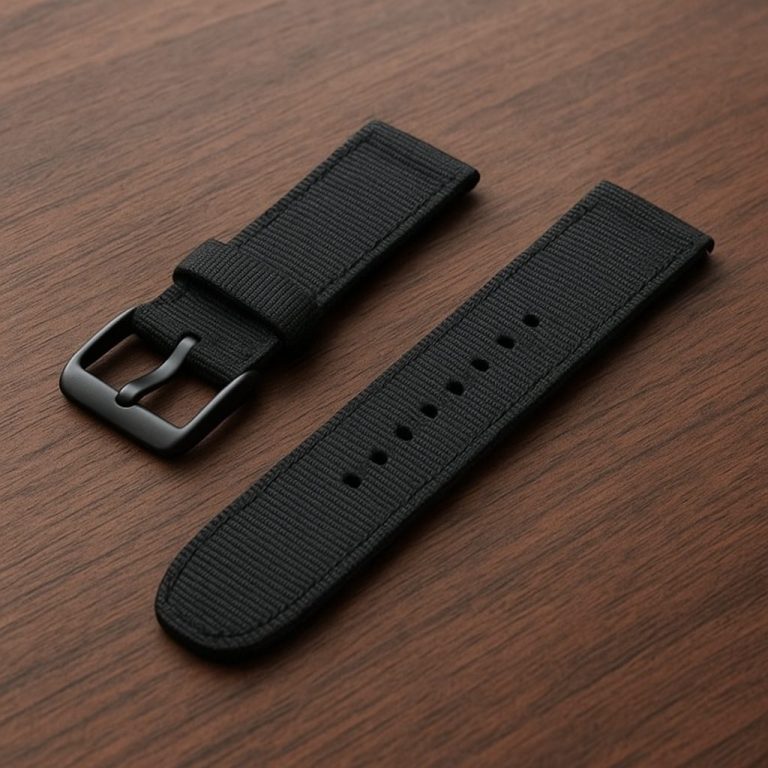
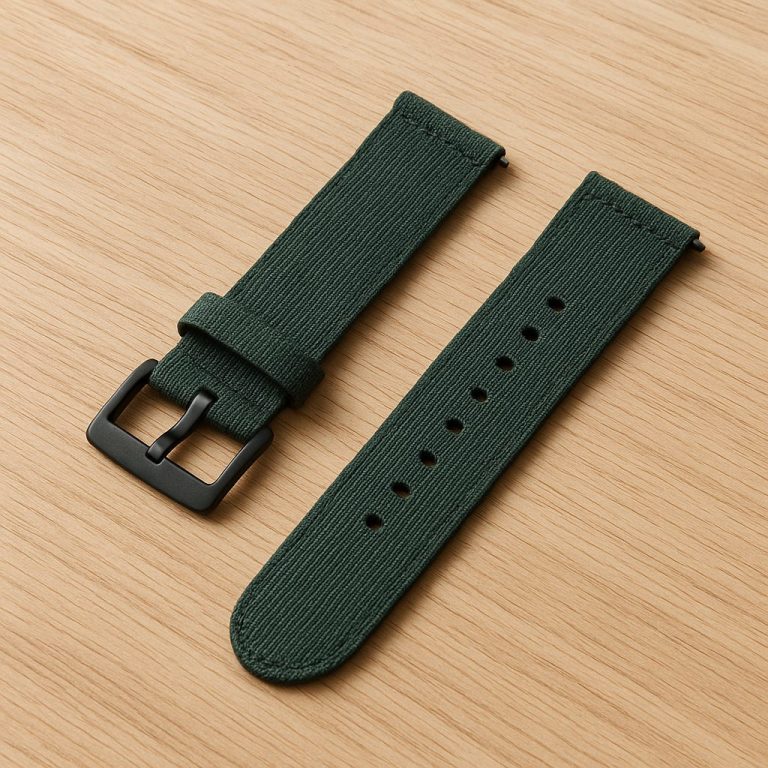
- Fabric bands are usually made from woven nylon or blends. The weave density, thickness, and elasticity vary widely between bands, affecting how long they last. Denser or tighter weaves can endure more bending, while looser weaves may fray faster where the band is stressed most, such as near the attachment points or holes.
Where Bands Bend the Most
The points of greatest stress are usually where the band meets the watch case and around the holes or buckle area. Attachment mechanisms like spring bars and quick-release pins connect the band to the case lugs, creating a pivot point that endures constant flexing. Tightening the strap to different wrist sizes also increases bending at the holes and the tail end of the band.
Material Fatigue and Failure Patterns
All flexible materials experience something known as “material fatigue.” This refers to the gradual weakening of the material’s structure after many cycles of bending and straightening. The effects show up in different ways, depending on the material:
- Silicone: Over time, the repeated stretching and compression break down the polymer chains inside the material. Small cracks or splits may appear, especially where the band is thinnest or frequently bent. Exposure to sunlight, sweat, and lotions can accelerate this process.
- Leather: Leather fibers can break or separate with frequent bending. This leads to visible creases, loss of shape, and, eventually, surface or edge cracking. Moisture and body oils can soften leather, but if it dries out, the risk of cracking increases.
- Fabric/Nylon: Weaves can loosen, and individual fibers can fray where the band flexes the most. High-density nylon bands may last longer, but eventually, wear will show around the holes or at the edges. Stretchy fabric bands are often more resistant to fraying but can lose elasticity over time.
Comparison Table: Effects of Repeated Bending by Material
| Material | Typical Signs of Wear from Bending | Factors that Accelerate Wear |
|---|---|---|
| Silicone | Surface cracks, splits near holes or attachment points, loss of flexibility | UV exposure, sweat, lotions, sharp bends |
| Leather | Creasing, stretching, cracking, color fading at bend points | Drying out, excess moisture, frequent tight adjustments |
| Fabric (Nylon or blends) | Fraying, fiber breakage near holes or edges, loss of elasticity | Loose weave, sharp bends, abrasion, moisture |
Attachment Mechanisms and Stress Concentration
The way a band attaches to the watch case affects how stress is distributed. Most flexible bands use spring bars or quick-release pins with the lugs of the watch case. These mechanisms allow for easy changes but create a narrow point where the band repeatedly bends. Over time, this repeated flexing can cause the material to thin out or crack at the attachment end, making the band more likely to fail in this area. For fabric bands, a tighter or reinforced weave at the ends can slow this process, while silicone bands with molded reinforcements around the attachment holes often last longer.
Environmental Factors and Real-World Use
How and where a watch is worn affects the rate of material fatigue from bending. For example, wearing a watch during exercise, swimming, or outdoor work exposes the band to more sweat, moisture, and movement, which increases the number of bending cycles and the speed of wear. Leather bands may dry and crack faster in hot climates, while silicone bands can degrade more quickly with constant sun exposure. Choosing a band that matches your daily activities can reduce unnecessary wear.
Signs a Band Is Nearing the End of Its Lifespan
Repeated bending will eventually cause any flexible watch band to show signs of fatigue. Some practical indicators include:
- Visible cracks or splits, especially at holes, edges, or where the band attaches to the watch case
- Loose, stretched, or misshapen holes making it hard to secure the clasp or buckle
- Fraying, broken fibers, or loss of elasticity in fabric bands
- Leather bands becoming excessively soft, wrinkled, or brittle
If these signs appear, it’s advisable to inspect the band regularly and consider replacing it to avoid sudden breakage.
Maximizing the Lifespan of Flexible Bands
While no band lasts forever, a few practical habits can help extend the useful life of a flexible watch band affected by repeated bending:
- Remove the watch gently, avoiding excessive pulling or yanking
- Avoid bending the band sharply or twisting it unnecessarily
- Clean the band regularly and dry it after exposure to sweat or moisture
- Store the watch away from direct sunlight and high heat when not in use
- For leather bands, occasional conditioning helps maintain flexibility and reduce cracking
For fabric bands, choosing one with a denser weave and reinforced ends can slow fraying. For silicone bands, those with thicker or molded ends at the attachment points generally withstand bending for a longer period.
What to Expect Over Time
Repeated bending is an unavoidable part of wearing a flexible watch band. The rate at which wear appears depends on the material, the design of the band, how the attachment mechanism interacts with the case lugs, and the way the watch is used day to day. Understanding these factors can help in choosing the right type of band for your needs and knowing when it’s time for a replacement. Regular inspection and gentle handling go a long way in maintaining both the appearance and safety of your watch band during daily use.