How to tell if your watch band no longer fits the way it used to
Recognizing Changes in Watch Band Fit During Daily Use
After months of regular wear, you might notice your watch feels different on your wrist. The band may leave deeper marks than before, require frequent adjustment, or feel unusually loose even when secured. Sometimes, a watch that once sat comfortably now slides up and down your arm or pinches your skin. These shifts can indicate your watch band no longer fits as it once did, whether due to material wear, stretching, shrinking, or changes in your own wrist size.
Common Signs Your Watch Band Fit Has Changed
Several observable cues can signal that a watch band isn’t fitting as it used to. Recognizing these signs can help prevent discomfort, skin irritation, or the risk of your watch slipping off unexpectedly.
- Frequent Slippage: The watch slides around your wrist more than usual, even when the clasp or buckle is secured in its usual position.
- New Pressure Points: You feel pinching, soreness, or indentations on your skin that weren’t present before.
- Buckle or Clasp Adjustment: You find yourself using a different hole on a leather or fabric band, tightening a metal bracelet more than before, or needing to secure a silicone band in a new notch.
- Difficulty Fastening: The band feels harder to close or requires more effort to reach the preferred fit.
- Visible Damage or Deformation: Cracking, stretching, fraying, or warping of the band material is apparent, affecting how it sits on your wrist.
Material-Specific Fit Changes
The way a watch band’s fit changes over time can depend heavily on its material. Each type reacts differently to daily wear, moisture, temperature, and wrist movement.
Metal Bands
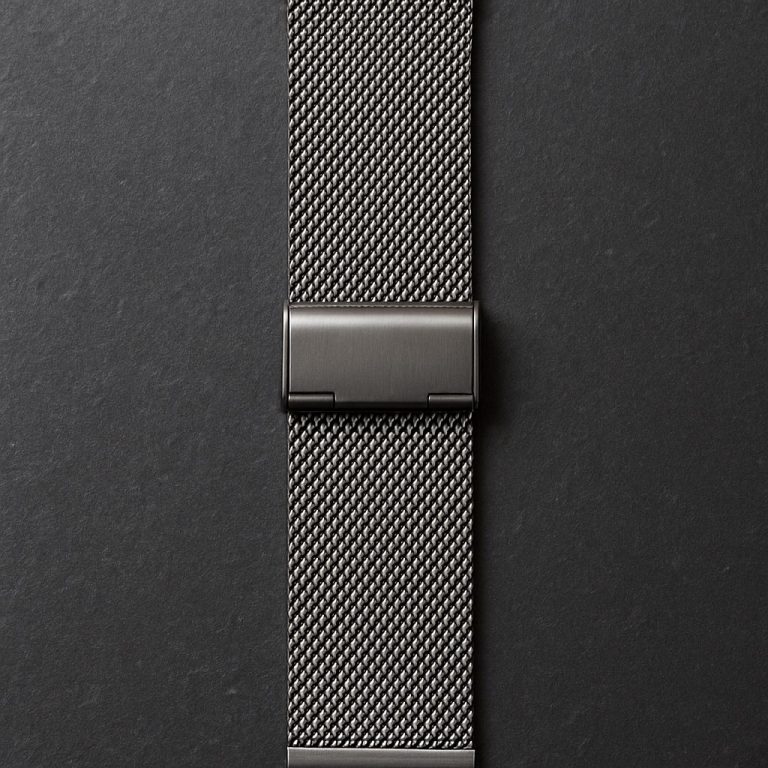
Most metal watch bands are made from stainless steel because it resists corrosion and maintains structural integrity with regular use. However, even stainless steel bracelets can develop issues. Over time, metal links may loosen, causing the band to sag or rattle more than before. Micro-adjustment holes on the clasp can wear, and pins may begin to slip, altering the fit. In some cases, sizing links may become misaligned, so the band doesn’t wrap evenly around the wrist. If the bracelet catches or twists unexpectedly, or if you notice more play between the links, these are signs the fit has changed.
Leather Bands
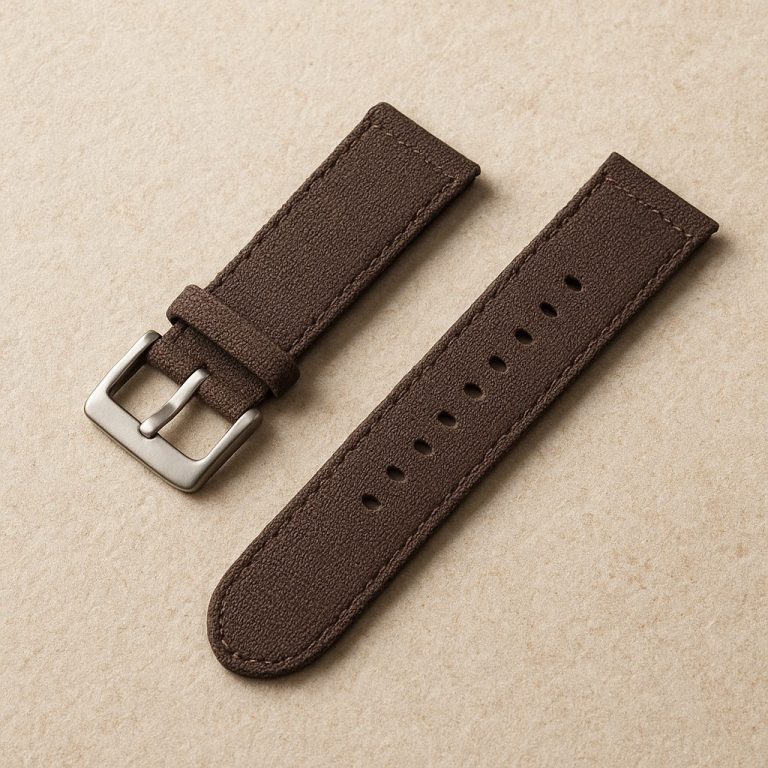
Leather bands are prone to stretching and softening with exposure to sweat, moisture, and flexing. You might see the band lengthening, requiring you to use a tighter notch than you used to. On the other hand, leather can shrink or stiffen if it dries out or is exposed to heat, making the band feel tighter and harder to fasten. Cracks or creases near the holes or along the band’s edge can also make the fit inconsistent. Sometimes the tongue of the buckle doesn’t settle into the same hole as before due to deformation.
Fabric Bands
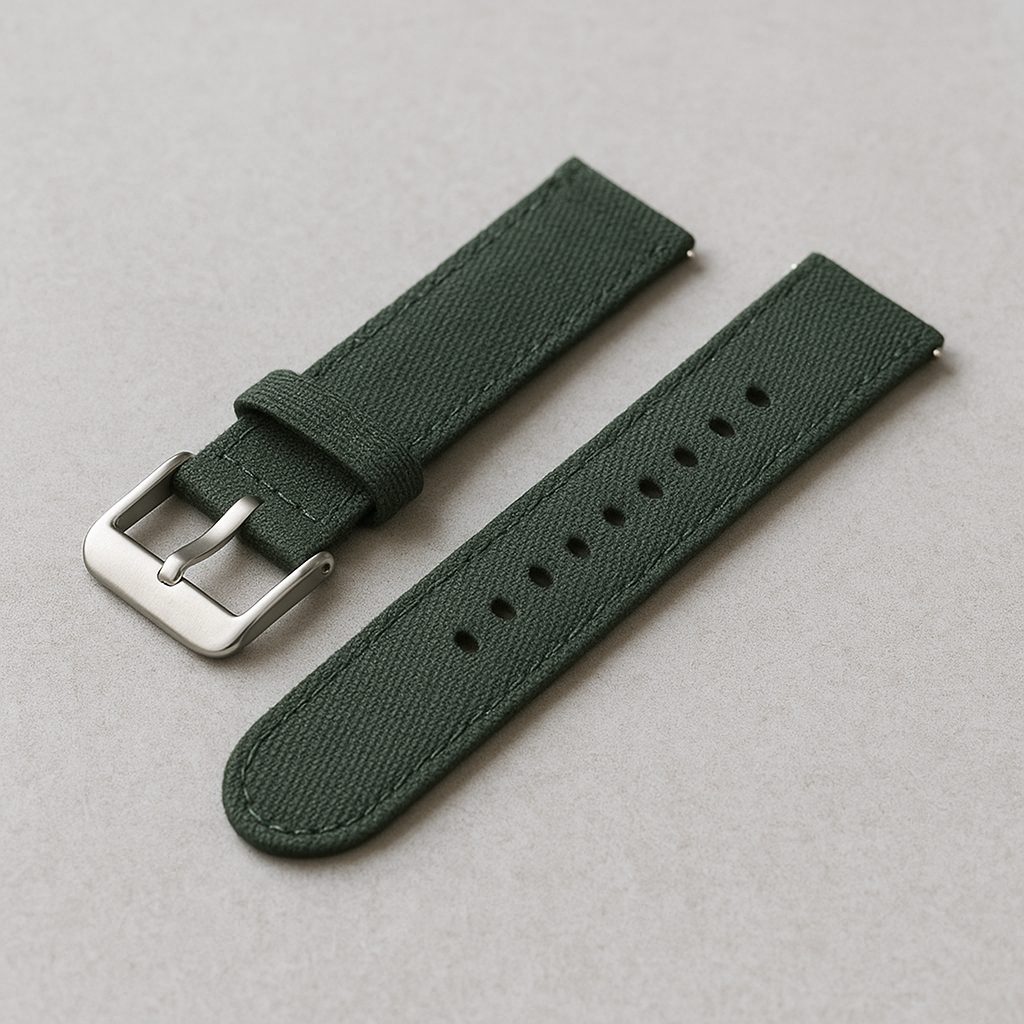
Most fabric watch bands are made from nylon or nylon blends, known for their lightweight and flexible qualities. The fit of these bands can change as the weave stretches or relaxes with daily wear. Bands with a looser or more elastic weave may become noticeably longer over time, resulting in a looser fit. Thicker or denser weaves might stiffen, especially after repeated wetting and drying, making the band less conforming to your wrist’s shape. Fraying at the adjustment holes or along the edges can also affect how securely the band fastens, leading to a less stable fit.
Silicone Bands
Silicone bands are valued for their softness and water resistance. However, exposure to sunlight, sweat, and frequent stretching can cause them to elongate slightly or lose rebound, so they may not hug the wrist as snugly. Over time, the notches can become deformed, making it harder to secure the band at your preferred tightness. A silicone band that begins to twist, slip, or feel gummy may not provide the consistent fit it once did.
Comparing Fit Changes by Material
| Material | Typical Fit Changes | Common Visual Cues |
|---|---|---|
| Metal (Stainless Steel) | Loosening of links, increased rattling, misalignment | Gaps between links, sagging, clasp play |
| Leather | Stretching or shrinking from moisture or dryness | Cracked holes, misshapen edges, stiffness |
| Fabric (Nylon/Nylon Blend) | Stretching, stiffening, fraying | Frayed edges, elongated holes, rigidity |
| Silicone | Elongation, notch deformation, loss of snugness | Twisting, tacky feel, loose fit |
Attachment Mechanism and Fit Issues
Even if the strap itself remains in good condition, the way it connects to the watch case can impact fit. Most watch bands attach to the lugs of the watch case using either spring bars or quick-release pins. If these mechanisms become worn, bent, or loose, the band may shift or detach unexpectedly. A loose spring bar can make the watch feel unstable on the wrist, while a faulty quick-release pin could cause sudden band separation. Always check that the attachment points are secure if your watch feels less steady than before.
When Fit Changes Reflect Wrist Changes
Sometimes, a watch band feels different not because of the band itself, but due to changes in your wrist. Fluctuations in body weight, muscle development, or swelling from heat or activity can all affect wrist circumference. If your band feels tighter or looser over several days without visible wear or damage, consider whether changes in your wrist might be the cause. Wearing your watch at different positions on your forearm can also reveal fit differences.
Practical Steps When Fit Is No Longer Right
If you recognize that your watch band no longer fits as it used to, a few practical steps can help restore comfort and safety:
- Inspect the band for visible stretching, cracks, or fraying. Replace if structural integrity is compromised.
- Try adjusting micro-adjustment holes or links (for metal bands) or using a different notch (for leather, fabric, or silicone bands).
- Check the attachment mechanism for wear or looseness and secure or replace spring bars or pins as needed.
- Clean the band, as dirt buildup can sometimes cause stiffness or discomfort, especially with fabric and silicone bands.
- If wrist changes are temporary (such as swelling from heat), avoid overtightening and adjust as needed through the day.
Spotting the Right Time to Address Band Fit
Subtle shifts in daily comfort, security, or appearance can be the first signs that a watch band no longer fits as it used to. Paying attention to how your watch behaves during routine activities—like typing, exercising, or even resting—can help you notice when it’s time to inspect, adjust, or maintain your band. Regular checks can prevent discomfort and reduce the risk of losing or damaging your watch due to a poor fit.