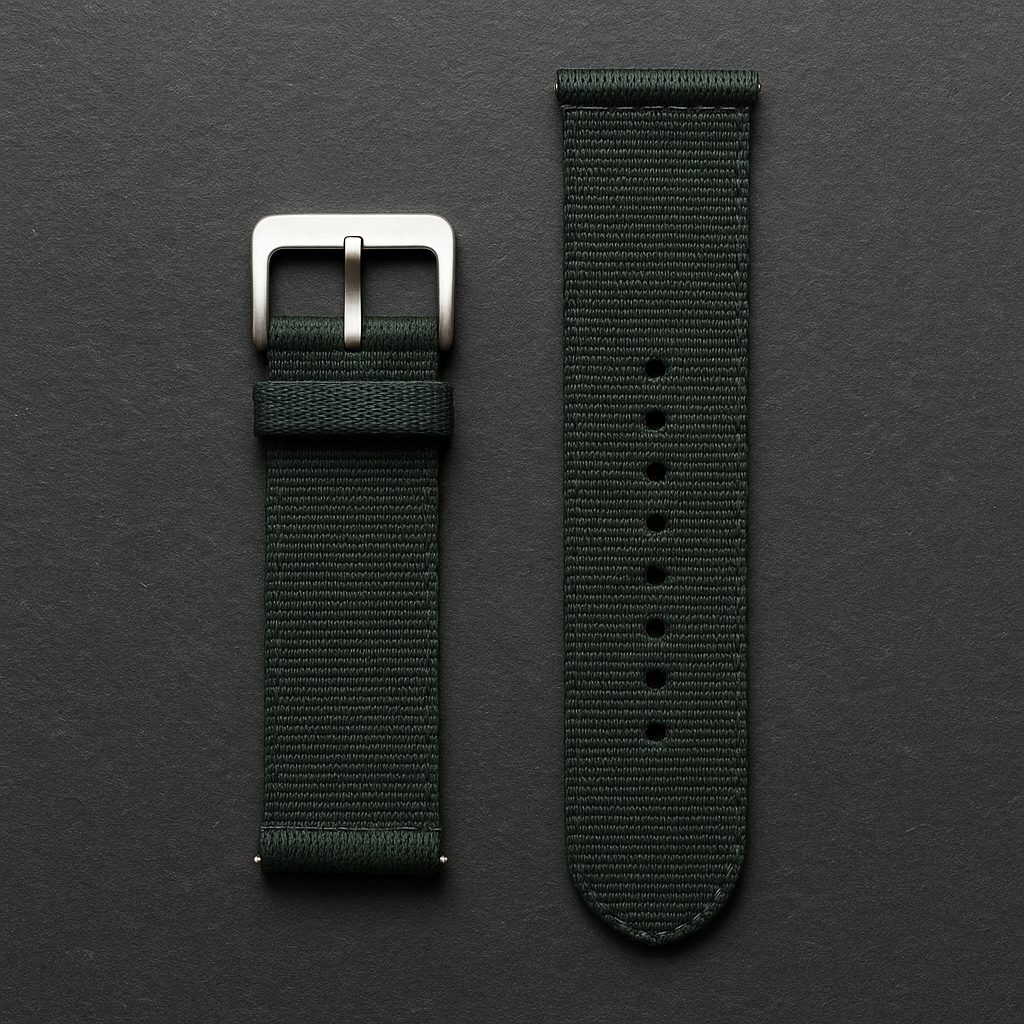
How different clasp types affect comfort throughout the day
Everyday Impact of Different Watch Clasp Types
Many people notice discomfort, pressure, or irritation from their watch bands over the course of a day, but may not realize that the clasp type plays a significant role. Even with the right band material, the clasp can influence how evenly pressure is distributed, how easily the band flexes with wrist movement, and how simple it is to adjust the fit as your wrist swells or shrinks. Understanding how various clasp types interact with your wrist throughout daily activities can help prevent fatigue and improve overall wearability.
Common Clasp Types and Their Effects on Comfort
Clasp types are typically designed for either metal bracelets, leather straps, fabric bands (often made of nylon or nylon blends), or silicone straps. Each clasp mechanism brings unique advantages and potential drawbacks when it comes to comfort, especially during extended wear. Below is a summary table to clarify how these common clasps differ in their comfort impact:
| Clasp Type | Typical Band Material | Comfort Impact | Adjustment Ease |
|---|---|---|---|
| Deployant (Folding) | Metal, Leather | Even pressure, rigid under wrist | Limited micro-adjustment |
| Butterfly | Metal, Leather | Balanced, low profile, may pinch | Little to no on-the-fly adjustment |
| Pin Buckle | Leather, Silicone, Fabric | Soft underside, pressure on hole | Fixed increments |
| Hook-and-Loop | Fabric (Nylon) | Soft, highly adjustable | Continuous, easy re-adjustment |
| Slide Clasp (Adjustable) | Metal, Some Fabric | Minimal bulk, even fit | Quick, precise adjustment |
Deployant (Folding) Clasps
Deployant clasps are common on metal bracelets and some leather straps. On a metal bracelet, especially those made from stainless steel, this clasp helps spread the pressure across a larger area, reducing discomfort from tightness. The clasp folds open and snaps shut, often with a double or triple locking mechanism for security. While this design keeps the band securely fastened and evenly distributed, the rigid metal under the wrist can press into the skin, especially if the fit is slightly loose or you rest your wrist on a desk for long periods.
On leather bands, deployant clasps reduce wear and tear by eliminating the need to bend the strap back and forth. However, because the mechanism is bulkier than a traditional pin buckle, it may feel awkward for those with thinner wrists or when worn tightly. Micro-adjustments are sometimes possible but usually require tools or removing links on metal bracelets, which is less convenient during the day.
Butterfly Clasps
Butterfly clasps create a symmetrical, concealed closure by folding both sides of the band under the wrist. When closed, they offer a seamless look and balanced weight. Comfort-wise, butterfly clasps distribute pressure evenly, but their double folding mechanism can sometimes pinch the skin or catch arm hair, especially if the band is worn loosely. Adjustability is limited; most butterfly clasps rely on the band size or removable links (for metal) or pre-set holes (for leather), making on-the-go changes difficult.
Pin Buckle Clasps
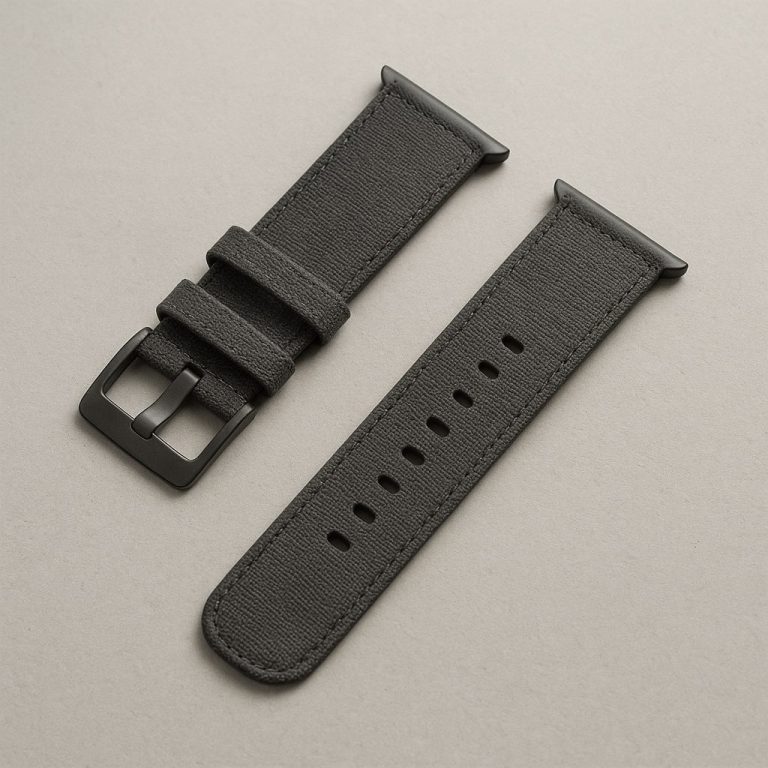
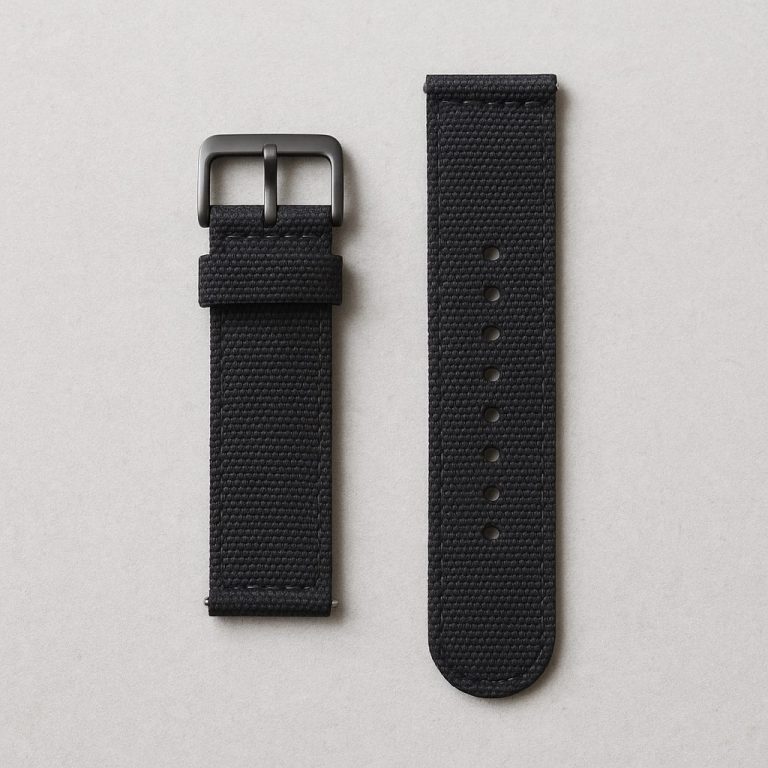
Pin buckles, also known as tang buckles, are the traditional closure for leather, silicone, and many fabric straps. The strap is threaded through the buckle and secured with a pin that fits into one of several holes. This design creates a soft, flexible underside against the wrist, minimizing rigid contact points. However, comfort depends on how closely the pre-punched holes match your wrist size. If the fit is between holes, the band may feel too tight or too loose, and the pin can create a pressure point on the wrist. Over time, the constant bending of the band at the buckle can also cause material fatigue, particularly with leather or some softer silicone straps.
One practical tip: For long workdays or travel, choosing a pin buckle with closely spaced adjustment holes can help you fine-tune the fit as your wrist size changes due to heat or activity.
Hook-and-Loop Closures
Hook-and-loop systems are primarily used with fabric bands, most commonly nylon, due to their flexibility and compatibility with the fastening mechanism. Most fabric bands of this type are made from nylon or nylon blends, which can vary widely in thickness, weave tightness, and overall softness. A denser weave may feel stiffer but can be more supportive, while a looser, stretchier weave offers more flexibility and breathability.
The main comfort benefit of hook-and-loop closures is their ability to be adjusted instantly for swelling, exercise, or temperature changes. The soft, flexible material distributes pressure evenly and avoids rigid contact points, reducing the risk of irritation or marks on the skin. Some users find the hook-and-loop mechanism bulky or prone to catching on clothing, but the ease of adjustment generally outweighs these minor drawbacks for all-day comfort.
Slide Clasps (Adjustable)
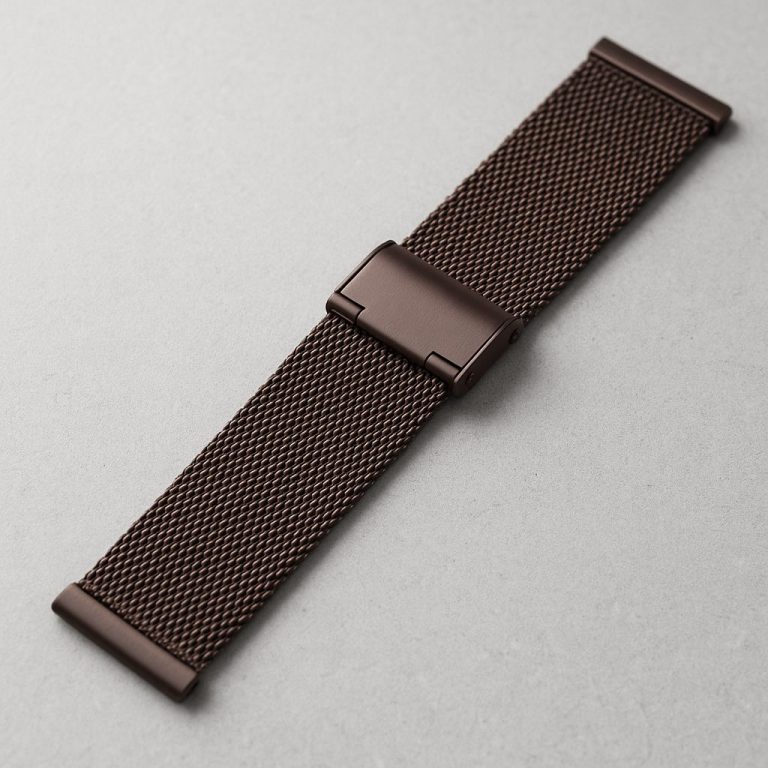
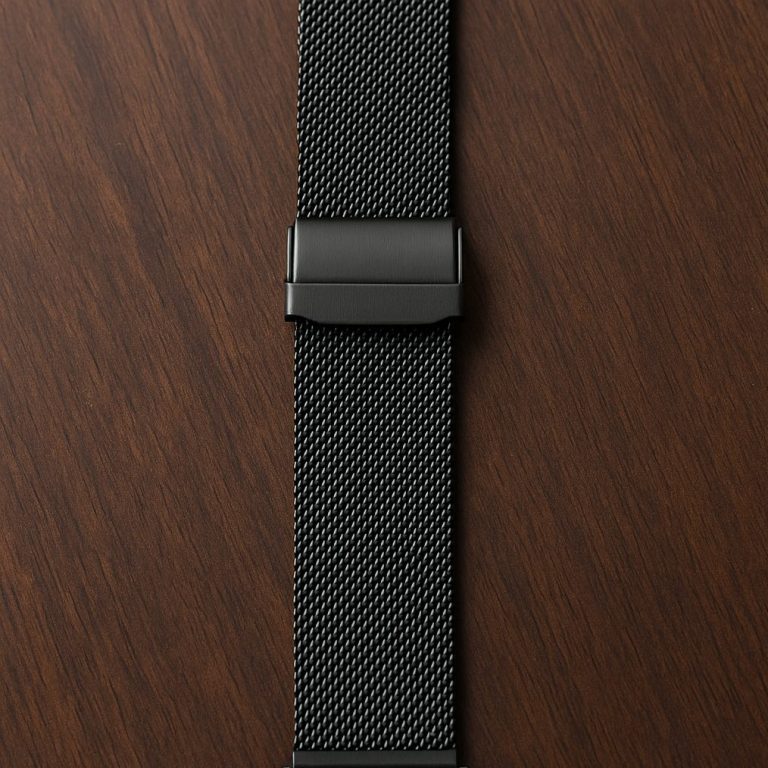
Slide clasps, also called sliding or adjustable clasps, are most common on mesh metal bands and some fabric straps. On a stainless steel mesh bracelet, the slide clasp allows for precise, tool-free adjustment along the length of the band. This makes it easy to adapt the fit as needed during daily changes in wrist size, while the mesh itself conforms smoothly to the shape of your wrist. The low-profile clasp design minimizes bulk under the wrist, which can be more comfortable for those who type or rest their wrists on surfaces for extended periods.
With fabric bands, a slide clasp can be paired with thicker or more elastic nylon materials, offering gentle compression and secure fit without hard edges or pressure points. The only potential downside is that the clasp mechanism may loosen slightly over time if not properly secured, so occasional adjustment may be needed to maintain a snug fit.
Other Factors Influencing Clasp Comfort
While clasp type is important, several other factors interact with the closure mechanism to determine overall comfort:
- Band Material: Stainless steel is the most common metal for bracelets due to its balance of durability and skin-friendliness. Leather offers a softer feel but can absorb sweat, while silicone provides flexibility and water resistance. Nylon-based fabric straps vary in texture and thickness, with denser weaves feeling firmer and looser weaves offering more breathability.
- Wrist Shape and Size: The contours of your wrist can affect how the clasp sits and whether it presses into the skin. On smaller wrists, bulkier clasps may protrude or create uneven pressure.
- Activity Level: Repeated wrist movement, such as typing, lifting, or exercising, can cause some clasp types to shift or rub, leading to discomfort. Flexible closures, like hook-and-loop or slide clasps, generally adapt better to movement.
Choosing a Clasp for All-Day Comfort
When selecting a watch band or considering replacing a clasp, think about your daily routine and any comfort issues you’ve noticed. For those who experience wrist swelling or need to adjust their watch frequently, hook-and-loop or slide clasps on fabric or mesh bands may offer the best flexibility. If you prefer a classic look and don’t require frequent adjustments, deployant or butterfly clasps on metal or leather bands can provide balanced support, though they may have some rigidity. Pin buckles remain a simple, reliable option but may not offer the same level of precise adjustment throughout the day.
Paying attention to clasp type can make a noticeable difference in how comfortable your watch feels from morning to night. Matching the clasp style to your activity level, wrist shape, and preference for adjustability can help you avoid irritation and enjoy consistent comfort, even with extended wear.