What to consider when wearing a watch band during frequent hand washing
Frequent Hand Washing and Its Impact on Watch Bands
Washing hands several times a day can leave moisture trapped between the skin and a watch band. Over time, this repeated exposure to water and soap may affect how a watch band looks, feels, and functions. For anyone who wears a watch daily—whether for work, fitness, or personal preference—it’s worth considering how frequent hand washing can impact different types of watch bands, their durability, and hygiene.
How Water and Soap Interact with Watch Band Materials
The effect of frequent hand washing depends largely on the type of watch band material. Water, soap, and even sanitizer can interact differently with each material, leading to changes in appearance, comfort, or longevity. Some bands are designed to handle water exposure, while others may degrade, soften, or develop unpleasant odors over time.
Metal Bands
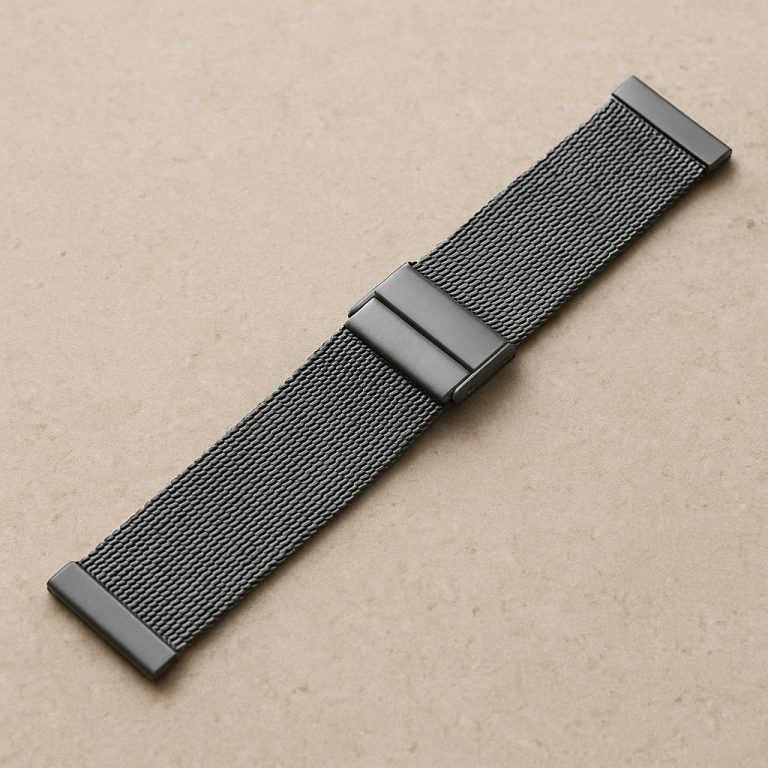
Metal watch bands—especially those made from stainless steel, which is the most common material—are generally resilient to water. Stainless steel resists corrosion and is unlikely to absorb water. However, soap residue can build up between links or around the clasp, leading to dullness or skin irritation if not rinsed thoroughly. Water trapped in tight link spaces may also encourage grime or, in rare cases, skin irritation.
Leather Bands
Leather watch bands tend to absorb water, which can weaken the leather, cause discoloration, or create unpleasant odors. Frequent wetting and drying may cause the leather to crack or lose its shape. Prolonged exposure to soap and sanitizer can strip natural oils from the leather, making it brittle. Even if a leather band feels dry to the touch after hand washing, hidden moisture can persist inside the material, leading to long-term damage.
Fabric Bands
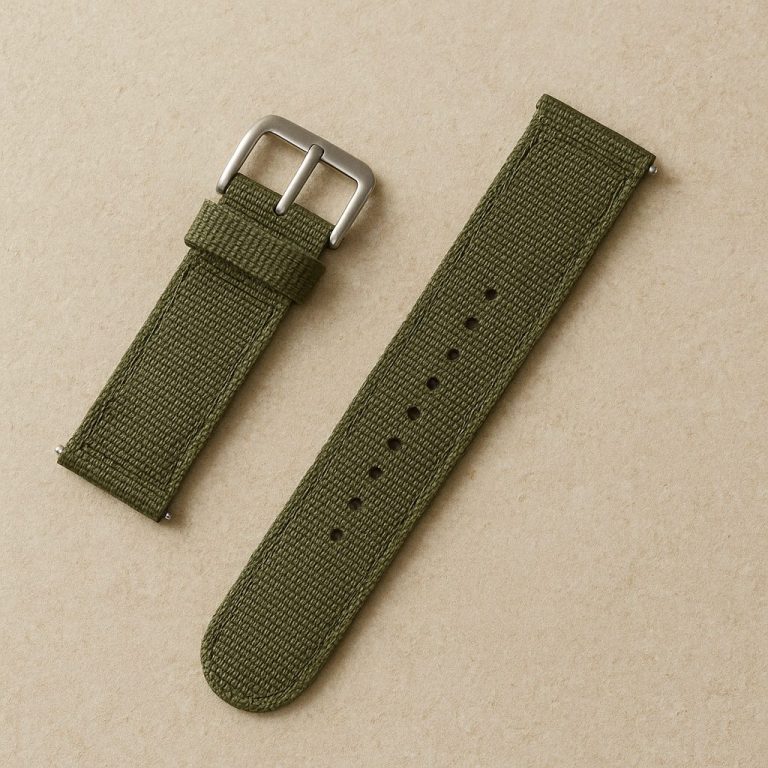
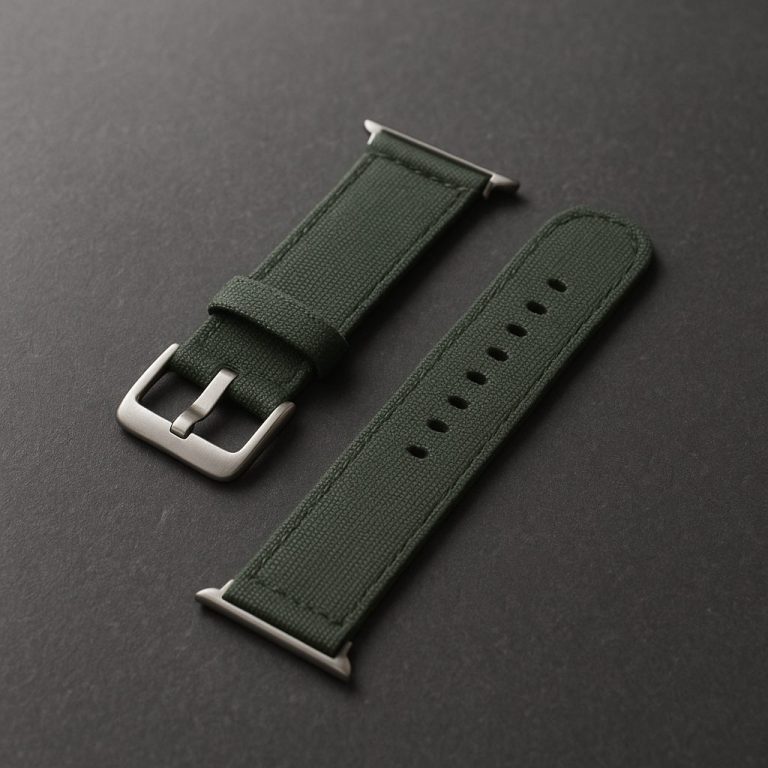
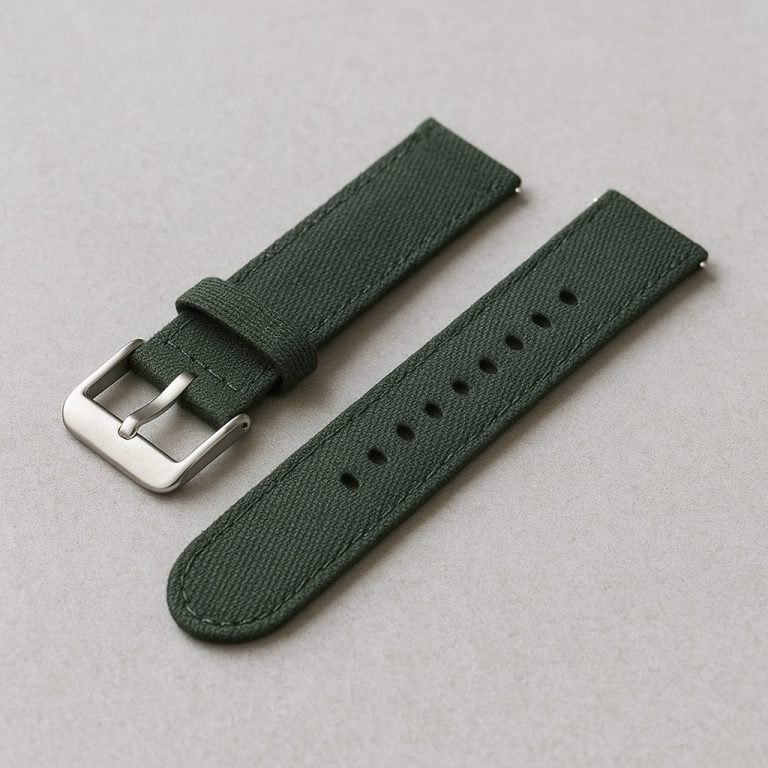
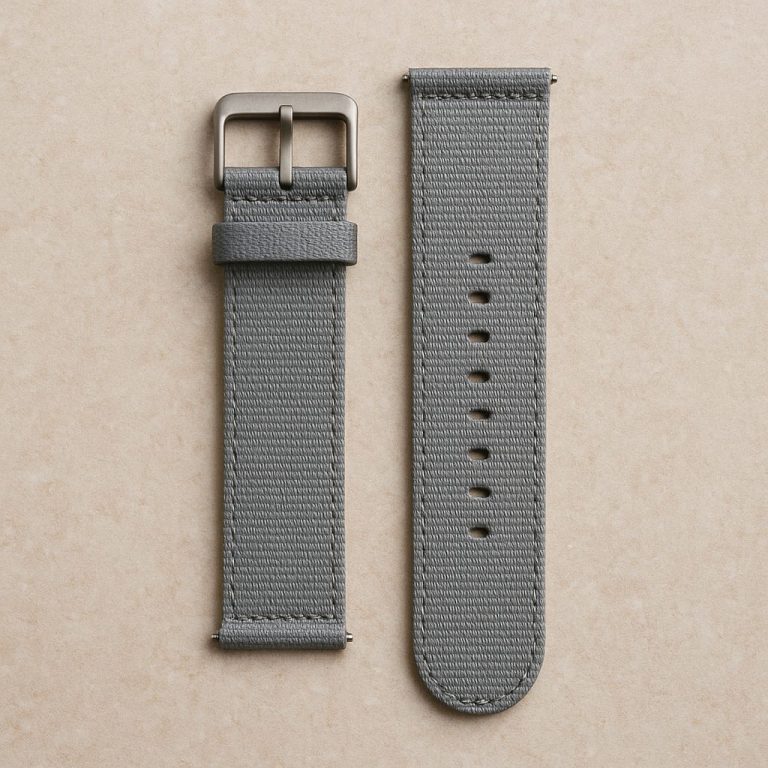
Fabric watch bands are commonly made from nylon or nylon blends. These bands come in a range of weave densities, thicknesses, and surface textures, which can affect how much water they absorb. Dense, tightly woven nylon resists water better and dries more quickly, while softer or more elastic blends may hold moisture longer. Soap and sanitizer can leave residues that cause the band to feel stiff or develop odors. Over time, repeated wetting can weaken the fibers or cause fraying, especially in thinner or loosely woven fabric bands.
Silicone Bands
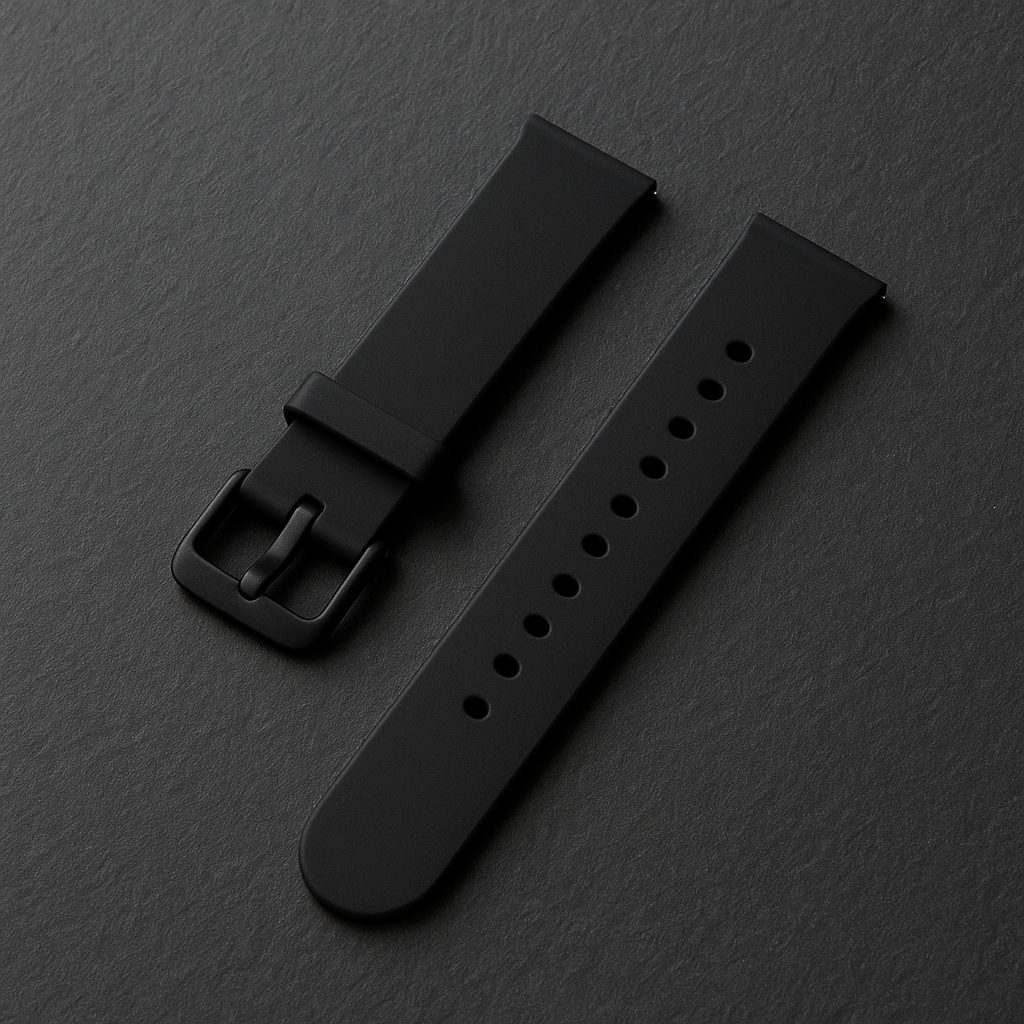
Silicone bands are designed to handle water exposure and are generally unaffected by soap or moisture. They resist absorption, dry quickly, and do not retain odors easily. However, soap or sanitizer can make the surface slippery or leave a residue, so regular rinsing is important. Silicone bands are flexible and comfortable but may need to be cleaned frequently to avoid buildup of grime where the band meets the skin or the lugs of the watch case.
Hygiene Considerations During Frequent Hand Washing
Wearing a watch band that retains moisture or soap can lead to skin irritation, itching, or even rashes. Bacteria and fungi thrive in damp environments, especially under bands that do not dry quickly or are hard to clean thoroughly. The area beneath the band may not be cleaned as effectively during hand washing, creating a potential source of irritation over time.
If a band is slow to dry or is difficult to remove, it can trap water and soap next to the skin. This is especially important for those who work in healthcare, food service, or other settings where hygiene is critical. Some people choose to remove their watch before washing hands, but this may not always be practical or desirable.
Attachment Mechanisms and Watch Case Components
The way a band attaches to the watch case can influence how water and soap interact with both the band and the watch itself. Most bands use spring bars or quick-release pins to connect to the lugs—protrusions on the watch case designed for this purpose. When water or soap becomes trapped around these attachment points, it can lead to buildup or corrosion, especially if the material is not stainless steel or is poorly sealed.
Quick-release pins allow for easier removal, making it more convenient to detach the band for cleaning or drying. Standard spring bars require more effort to remove, so some users may be less likely to clean the band and the area around the lugs as often. Checking the attachment points regularly and ensuring they are dry and clean can help prevent problems, especially if the watch is exposed to water multiple times each day.
Practical Tips for Managing Watch Bands During Frequent Hand Washing
To keep both the band and your wrist healthy, consider these points when wearing a watch band during frequent hand washing:
- Rinse well: After washing hands, make sure to rinse off any soap or sanitizer residue from the band, especially if it is metal or silicone.
- Dry thoroughly: Use a towel or air dry the band and your wrist before putting the watch back on, particularly for leather and fabric bands.
- Rotate bands: If possible, alternate between different bands to allow each one to dry fully between uses, especially if you prefer leather or fabric options.
- Clean regularly: For metal and silicone bands, use mild soap and water and a soft brush to clean between links or textured surfaces. Fabric bands can sometimes be hand-washed and air-dried, while leather bands benefit from gentle wiping and conditioning after exposure to water.
- Monitor for damage: Check for signs of wear, such as cracking on leather, fraying on fabric, or buildup on metal and silicone. Replace or clean bands as needed.
For those using fabric bands made from nylon or blends, a quick rinse after each hand wash and periodic cleaning can help avoid odor and buildup. Thicker, denser weaves tend to dry faster and hold their shape better than softer, more elastic options.
Material Comparison for Frequent Hand Washing
| Band Material | Water Resistance | Soap/Sanitizer Resistance | Drying Speed | Odor Retention |
|---|---|---|---|---|
| Stainless Steel (Metal) | High | High (may build up residue) | Moderate (trapped in links) | Low |
| Leather | Low | Low (can degrade material) | Slow | High |
| Fabric (Nylon/Nylon Blend) | Moderate (varies by weave) | Moderate (can hold residue) | Moderate to Slow | Moderate to High |
| Silicone | High | High | Fast | Low |
Key Takeaway for Everyday Use
When frequent hand washing is part of your routine, the choice and care of a watch band make a noticeable difference in comfort, hygiene, and durability. Understanding how each material responds to water and soap helps in choosing the right band and maintaining it for everyday reliability. Rotating bands, cleaning regularly, and ensuring proper drying can all help keep your watch and your wrist in good condition, even with constant exposure to water and cleaning products.