Signs Your Watch Band Needs to Be Replaced and How to Care for It
Recognizing When a Watch Band Needs Replacement
Daily wear can cause visible and hidden signs of wear on a watch band, sometimes making it less comfortable, less secure, or even unsafe to continue using. Spotting these signs early helps prevent accidental loss of the watch or skin irritation, and ensures the watch remains comfortable and reliable on your wrist. Different materials—such as metal, leather, fabric, and silicone—show wear in distinct ways.
Common Signs of Wear Across Watch Band Materials
Each type of band material exhibits wear differently. Below is a table summarizing key signs to look for, along with the potential risks of ignoring them:
| Band Material | Typical Signs of Wear | Risks if Ignored |
|---|---|---|
| Metal |
|
|
| Leather |
|
|
| Fabric (e.g., nylon blends) |
|
|
| Silicone/Rubber |
|
|
Specific Warning Signs by Material
Metal Bands: Stainless steel is the most common material for metal watch bands due to its strength and resistance to corrosion. Over time, however, links can loosen, clasps may wear out, and discoloration or pitting can occur, especially in areas that trap moisture. If you notice the band rattling more than usual, or if the clasp doesn’t close securely, these are clear signs the band needs attention.
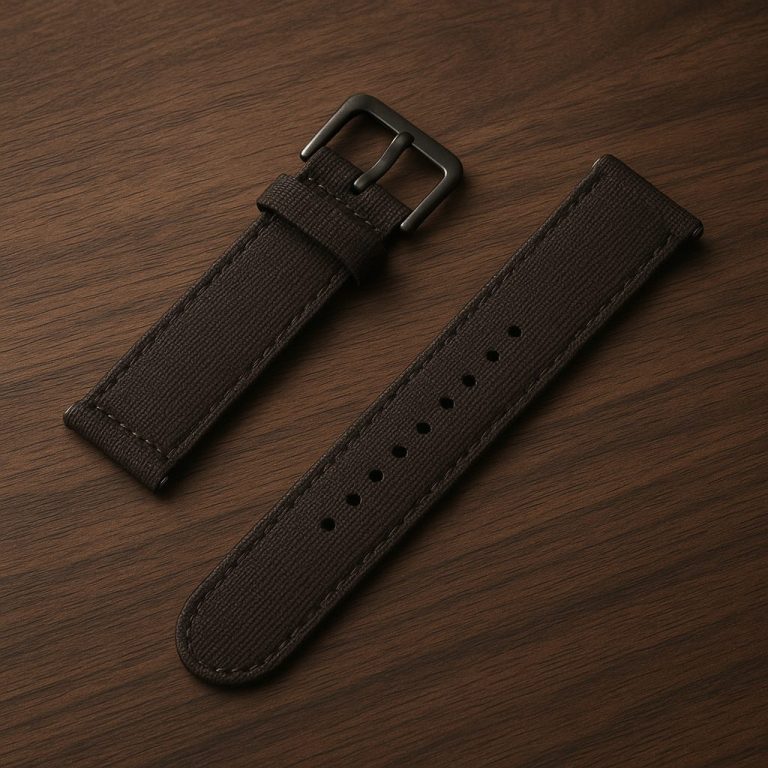
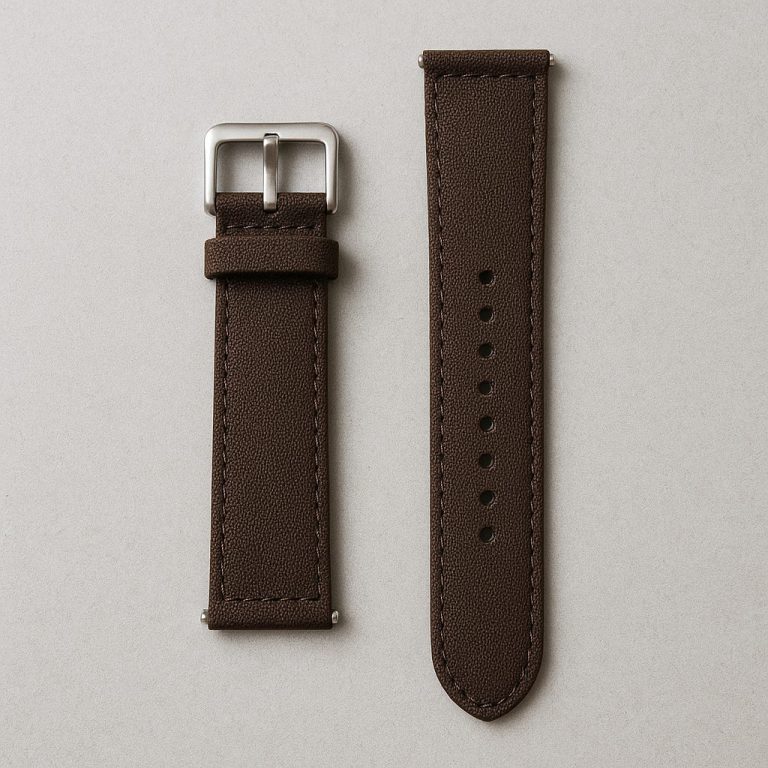
Leather Bands: Leather is prone to cracking, especially where the band bends most frequently. If the surface feels rough or you see fine lines and splits, the integrity of the band may be compromised. Unpleasant odors or visible mold indicate that moisture has penetrated the material, which can be harmful to your skin and the longevity of the band.
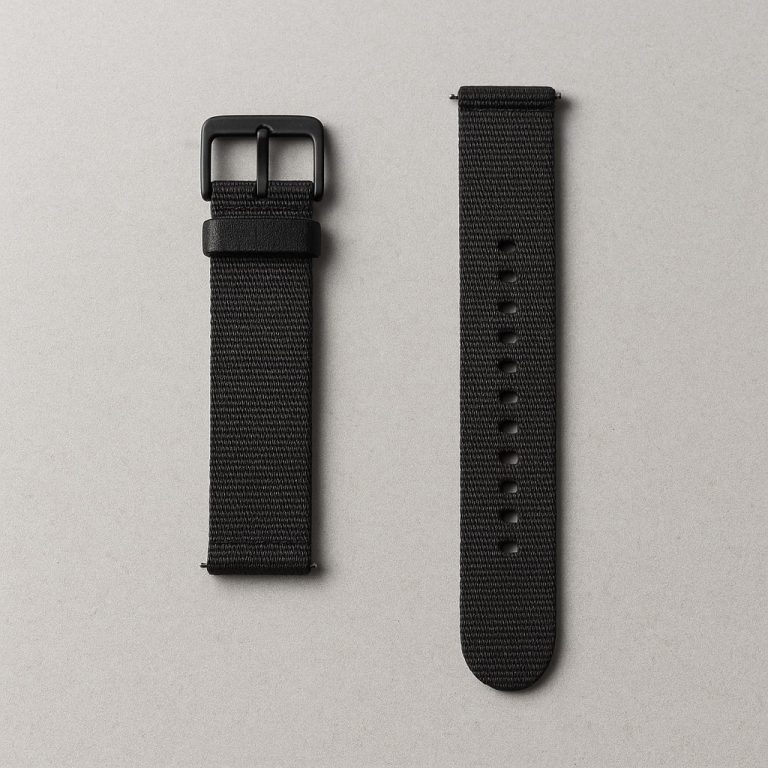
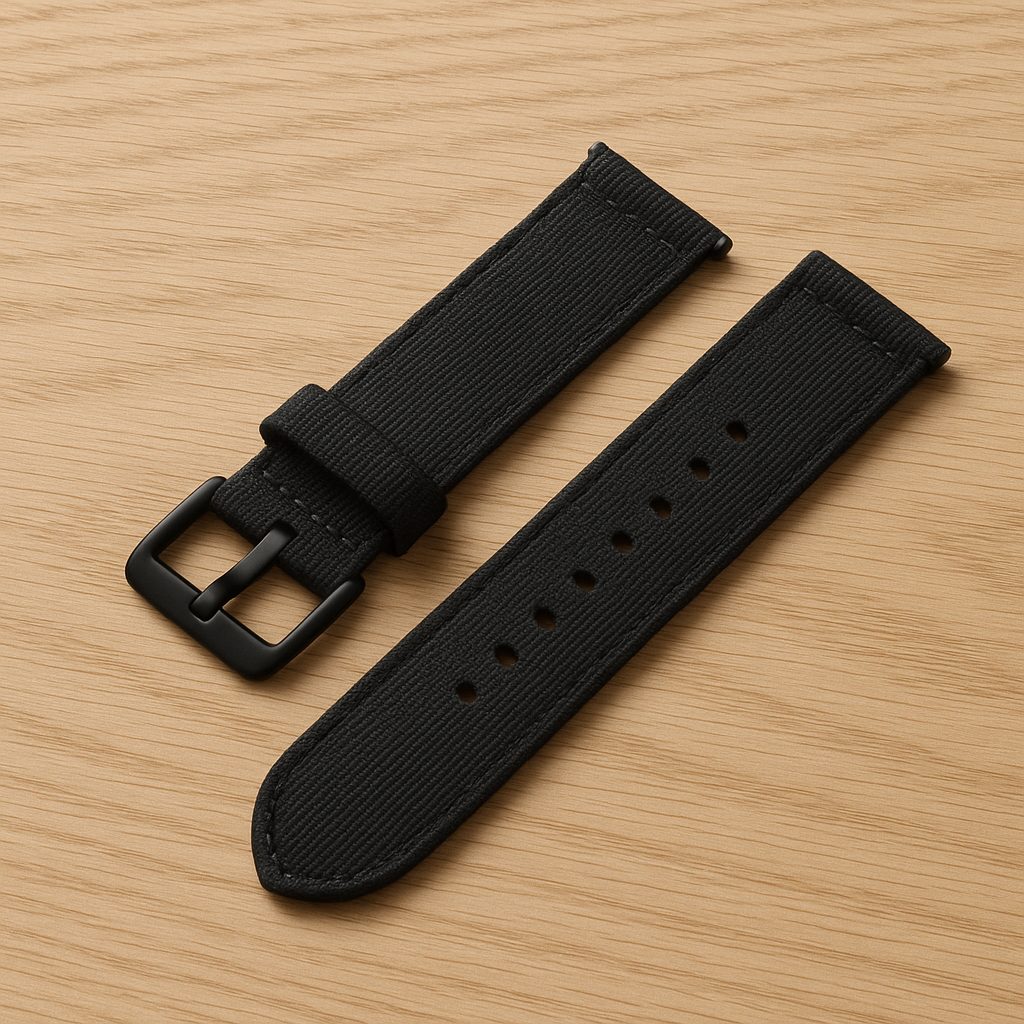
Fabric Bands: Most fabric bands use nylon or nylon blends, which are valued for their durability and comfort. However, the weave can vary in density, thickness, and elasticity, affecting how the band ages. Fraying near the holes, a stretched or misshapen fit, or a roughened texture all point to wear. Persistent odors or signs of mildew mean the band is retaining moisture and may not be safe to use.
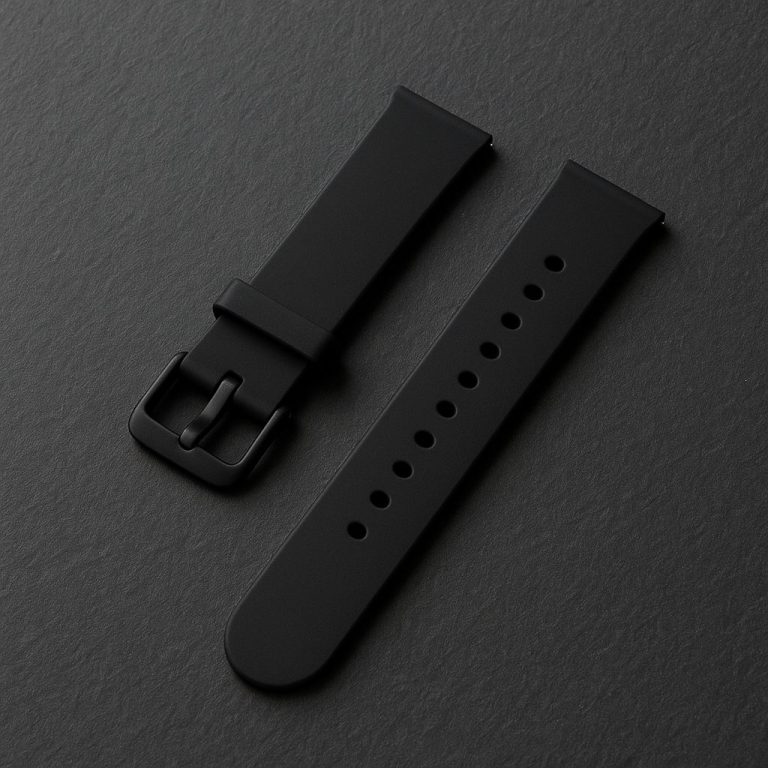
Silicone and Rubber Bands: Silicone bands are common for sports and activity watches because they resist water and sweat. Over time, exposure to sunlight and skin oils can cause them to lose flexibility, become sticky, or develop cracks. Any visible tears or loss of elasticity should prompt replacement, as a weakened band can break suddenly.
Caring for Your Watch Band to Extend Its Life
Regular cleaning and proper care can significantly extend the lifespan of a watch band, regardless of material. Here are practical tips for maintaining different band types:
Cleaning Metal Bands
Stainless steel bands benefit from periodic cleaning to remove sweat, skin oils, and dirt that can accumulate between links. Use a soft brush with mild soapy water, then dry thoroughly to prevent moisture from remaining trapped. For more stubborn grime, a toothpick or cotton swab can help dislodge debris from tight spots. If the band is removable, cleaning it off the watch case can prevent water from reaching the watch itself.
Maintaining Leather Bands
Leather should be kept away from water as much as possible. Wipe the band gently with a dry or slightly damp soft cloth after wearing, especially if it has been exposed to sweat. Allow the band to air dry naturally if it becomes damp; avoid using heat sources. Applying a leather conditioner occasionally can help maintain flexibility, but avoid over-conditioning, which can lead to softness and stretching.
Caring for Fabric Bands
Fabric bands made from nylon or blends can be hand washed in cool, soapy water. Rinse thoroughly and air dry completely before reattaching to the watch. The weave and thickness of the fabric affect how quickly the band dries and how much dirt it can hold, so regular cleaning helps prevent odor and fabric breakdown. Avoid harsh detergents, as these can damage the fibers or cause color fading.
Looking After Silicone and Rubber Bands
Silicone bands can be cleaned with mild soap and water, followed by a thorough rinse. Check regularly for signs of surface stickiness or cracking, especially at stress points where the band bends or fastens. Avoid exposing the band to harsh chemicals, sunscreen, or insect repellent, which can accelerate wear.
Checking Attachment Points and Hardware
Besides the band itself, the connection between the band and the watch case is critical for safety. Most watch bands attach to the case using lugs (the protruding arms on the watch case) and either spring bars or quick-release pins. Spring bars are small, spring-loaded rods that fit into holes in the lugs, while quick-release pins allow for easier removal without tools. Regularly inspect these components for signs of bending, rust, or looseness. A damaged spring bar or loose pin can cause the entire watch to detach unexpectedly, even if the band looks healthy.
Key Takeaway for Watch Owners
Paying attention to the signs of wear specific to your watch band’s material, and maintaining it with regular cleaning and careful handling, helps ensure your watch remains secure and comfortable. If you notice persistent wear, damage, or compromised attachment points, replacing the band promptly is the best way to protect both your timepiece and your wrist.