How strap tapering affects perceived fit and comfort
Why Strap Tapering Changes How a Watch Feels on the Wrist
After several hours of wearing a watch, some people notice redness or pressure marks where the strap meets the underside of the wrist, while others find their watch feels secure yet barely noticeable. One factor that often makes the difference is strap tapering—the way a strap narrows from its attachment at the watch case toward its buckle or clasp. Understanding how tapering works can help avoid discomfort and improve the overall wearing experience, whether the strap is made from metal, leather, fabric, or silicone.
What Is Strap Tapering?
Strap tapering refers to the gradual reduction in width of a watch band, starting from where it connects to the watch case (between the lugs) and ending at the clasp or buckle. For instance, a strap might start at 22mm wide at the lugs and narrow to 18mm at the buckle. The degree of taper can vary widely, from barely noticeable to dramatic.
Common Taper Profiles
- No taper (straight): The strap maintains the same width throughout.
- Mild taper: The strap narrows by 2–4mm from lug to buckle.
- Strong taper: The strap narrows by 6mm or more, creating a pronounced shape.
How Tapering Affects Fit and Comfort
The shape and width of a strap influence how a watch sits on the wrist, distributes pressure, and feels over time. This effect can be quite different depending on the material and construction of the strap.
Pressure Distribution
A strap that is wide at the lugs helps distribute the weight of the watch head across a larger area, reducing the feeling of concentrated pressure. As the strap tapers toward the buckle, it becomes more flexible and less bulky, which can reduce pinching or bunching at the underside of the wrist. For people with bony wrists or sensitive skin, a pronounced taper often means less irritation and a more comfortable fit during daily wear.
Wrist Movement and Flexibility
Wider, non-tapered straps can feel stiff and may restrict wrist movement, especially with thick materials such as some metal bracelets or leather bands. A tapered design allows the strap to flex more easily around the underside of the wrist, improving range of motion. This is noticeable when bending the wrist sharply, such as when typing or driving.
Perceived Bulk and Appearance
Beyond comfort, a tapered strap can make a watch look more refined or less bulky on the wrist. For those with smaller wrists, a strong taper often helps the watch appear less overwhelming. On the other hand, a straight strap may suit those who prefer a more substantial or utilitarian look.
Material Differences: How Tapering Works Across Types
| Material | Effect of Tapering | Common Usage |
|---|---|---|
| Metal (usually stainless steel) | Reduces bracelet weight and improves comfort; less bulk under the wrist; better drape | Frequent in dress and classic styles |
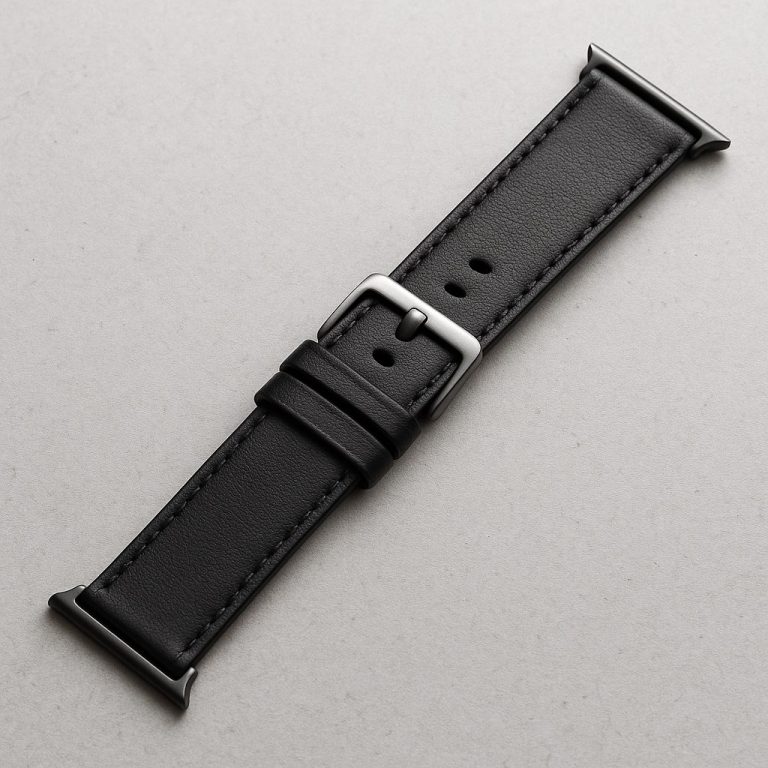
| Leather | Enhances flexibility, especially with thicker leathers; reduces pinching | Very common, especially for formal or vintage watches |
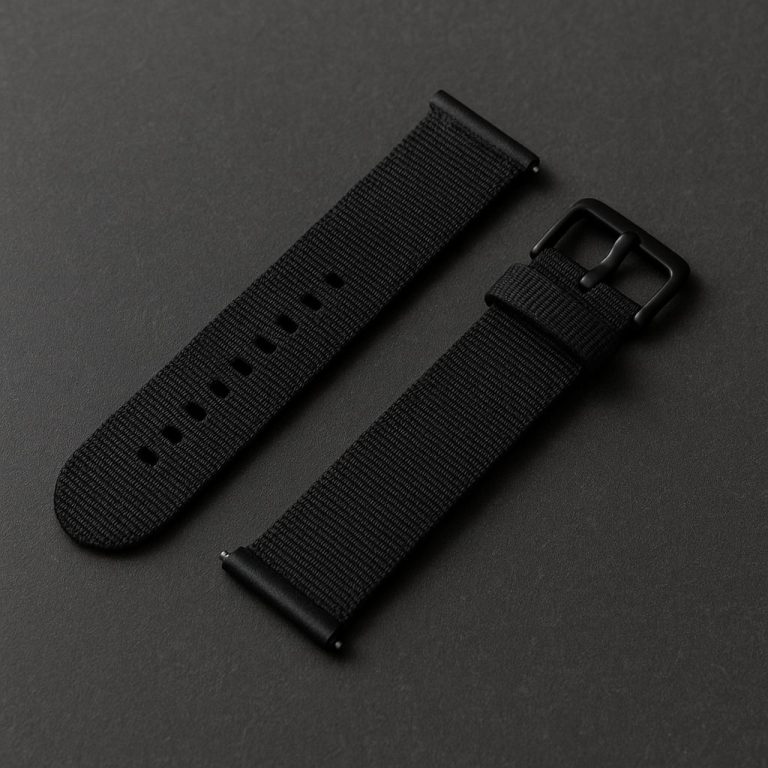
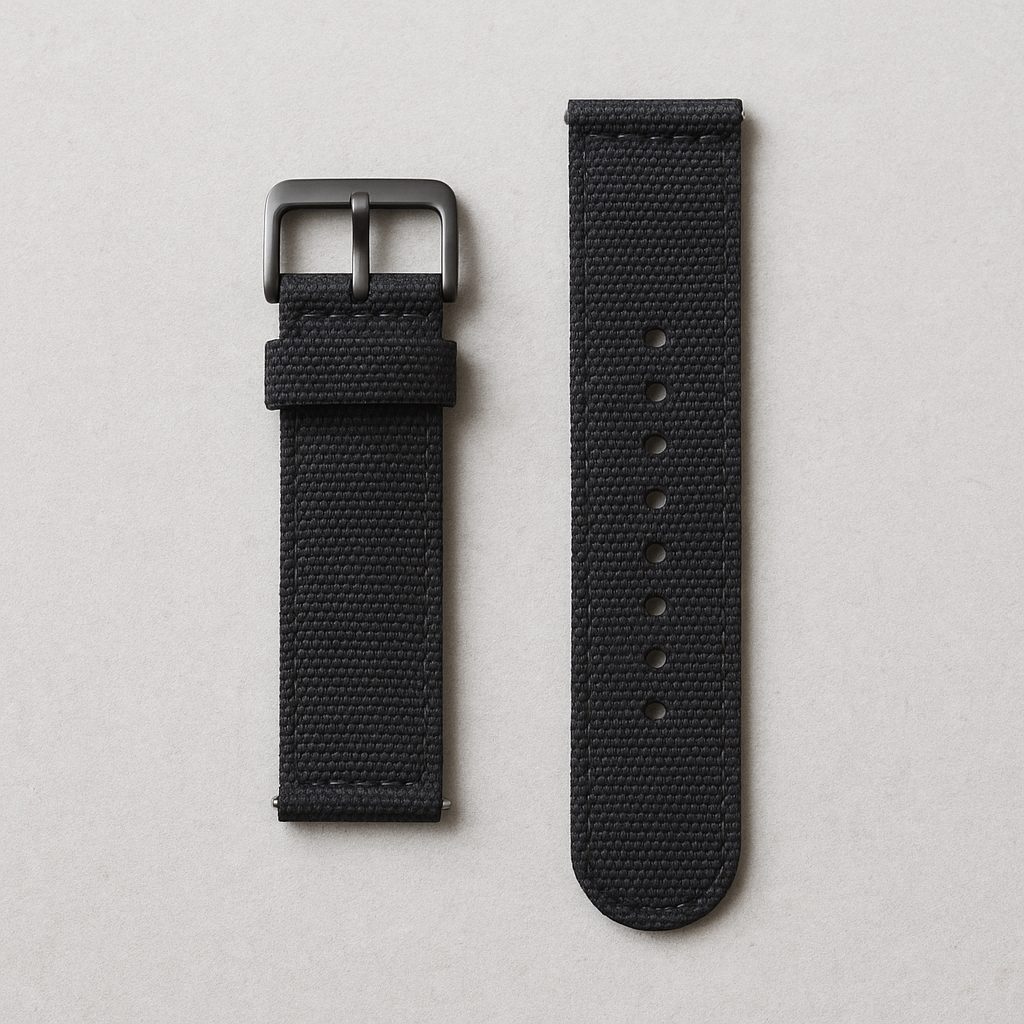
| Fabric (typically nylon or blends) | Improves contouring to wrist shape; less excess material under the wrist | Seen in woven, braided, or dense-weave straps |
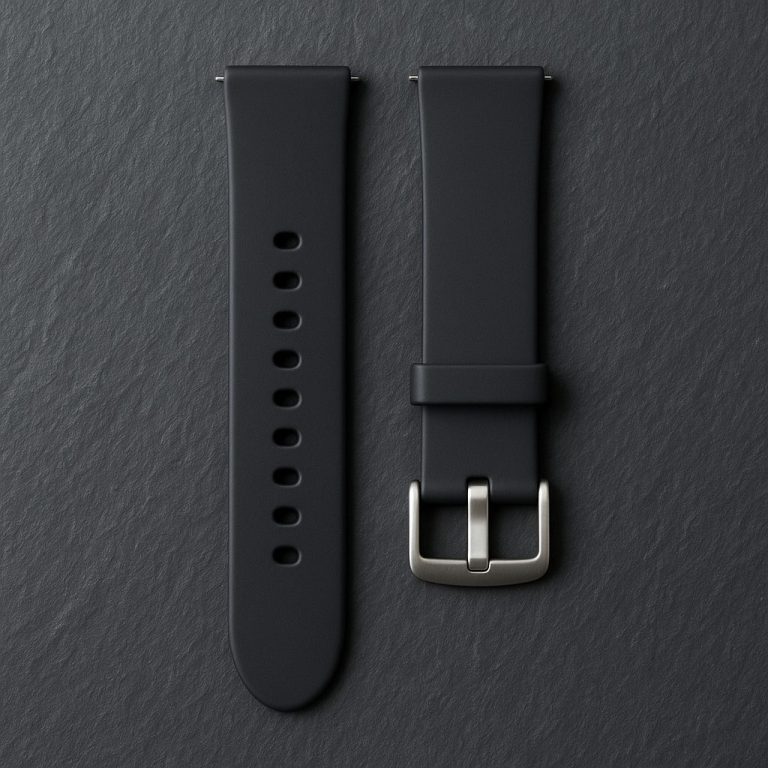
| Silicone | Increases softness and flexibility; less sweat buildup under the buckle area | Often found in sports or casual watches |
Metal Bracelets
Most metal bracelets are made from stainless steel because of its durability and resistance to corrosion. Tapering in metal bracelets helps reduce overall weight and prevents the bracelet from feeling too bulky under the wrist, especially for larger watches. On non-tapered metal bracelets, the clasp area can dig into the skin when flexing the wrist, while a tapered bracelet often sits more flush and evenly.
Leather Straps
Leather straps benefit from tapering by feeling less bulky and more flexible at the buckle area. With thicker leathers or padded straps, a strong taper prevents excessive layering and pinching, which can be uncomfortable during long periods of wear. This is especially relevant for those who wear their watch tightly for a secure fit.
Fabric Straps
Fabric straps, commonly made from nylon or nylon blends, vary in weave density, thickness, and elasticity. Tapering allows these straps to contour more closely to the wrist, reducing excess material under the buckle and minimizing friction while moving. For instance, a dense-weave nylon strap with a strong taper can feel much less obtrusive during physical activity compared to a straight, un-tapered version.
Silicone Bands
Silicone bands are valued for their softness and flexibility. Tapered designs in silicone can help prevent sweat buildup under the buckle, as the narrower section allows more air circulation and moves more easily with the wrist. For those who wear a watch during exercise, a tapered silicone band can mean less chafing and a more secure, comfortable fit, particularly on smaller wrists.
Choosing the Right Degree of Taper for Your Wrist
The ideal amount of taper depends on wrist size, the size and weight of the watch, and personal preference for style and comfort. For example:
- Small wrists: A pronounced taper reduces bulk and can make even a larger watch look proportionate.
- Large wrists: Mild taper or straight straps can provide a more balanced look and feel, especially with heavier watches.
- Active use: A tapered strap in silicone or nylon usually offers more comfort during sports or manual work, as it flexes more naturally and avoids excessive thickness under the wrist.
One practical way to check if a strap’s taper is suitable is to try flexing your wrist with the watch on. If you notice pinching or pressure at the underside, a more tapered strap may offer relief. Conversely, if the watch feels unstable or shifts around, a less tapered or straight strap might provide more security.
Attachment Points and Tapering
The part of the strap that attaches to the watch case is called the lug width, and the strap is held in place using mechanisms like spring bars or quick-release pins. The width at the lugs sets the maximum width for the strap; the degree of taper is measured from this point to the width at the clasp or buckle. Some watches are designed with wider lugs to accommodate larger cases, and tapering helps balance this extra width by narrowing the strap under the wrist, improving both fit and appearance.
Practical Implications of Strap Tapering for Daily Wear
Strap tapering can make a noticeable difference in how a watch feels and looks throughout the day. The right amount of taper brings together comfort, style, and practical usability—reducing pressure points, preventing chafing, and making the watch appear more tailored to the wrist. Trying different taper profiles in each strap material can help identify the best balance for personal needs, whether for all-day office wear, active use, or formal settings.