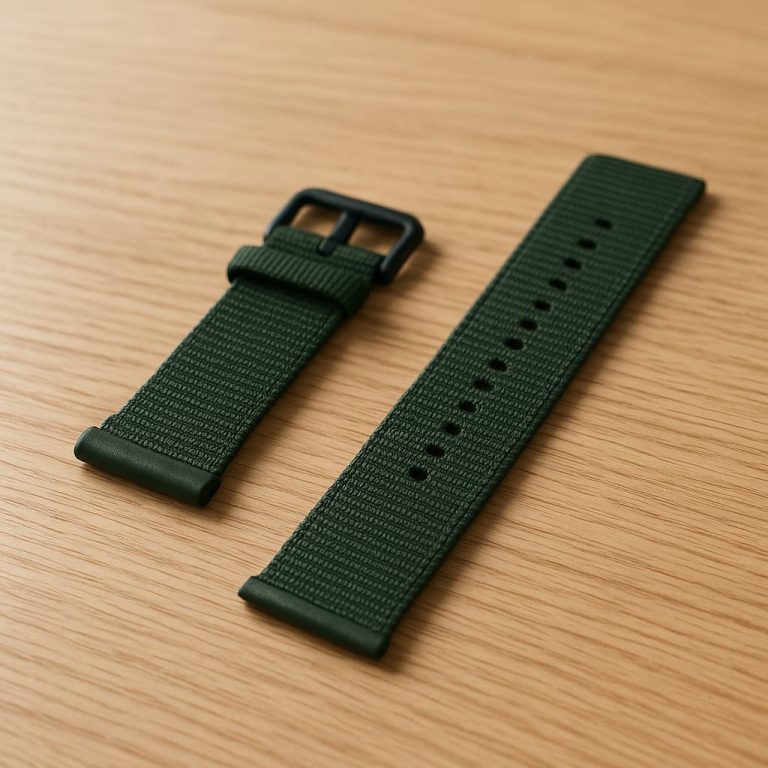
How different closure mechanisms affect ease of one-handed adjustment
Adjusting Your Watch Band with One Hand: Real-World Challenges
Needing to tighten or loosen a watch band while holding a cup of coffee, carrying a bag, or simply multitasking is a situation that quickly reveals the strengths and weaknesses of different closure mechanisms. Some watch straps are easy to adjust with one hand, even on the go, while others require both hands, patience, or even a flat surface. The practical differences between closure types can make a significant impact on daily convenience, especially for those who regularly need to adjust their watch while busy or on the move.
How Closure Types Influence One-Handed Adjustment
The mechanism used to secure and adjust a watch band determines how easily it can be managed with one hand. Each closure style—buckle, deployant clasp, hook-and-loop, button release, or sliding fastener—offers distinct advantages and limitations in this context.
Buckle Closures: Pin Buckle and Tang Buckle
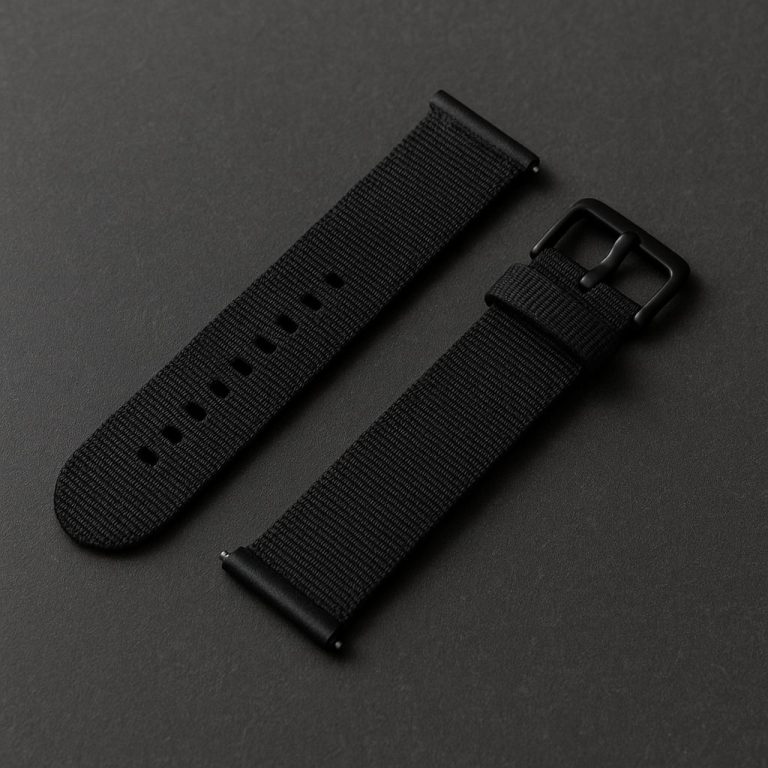
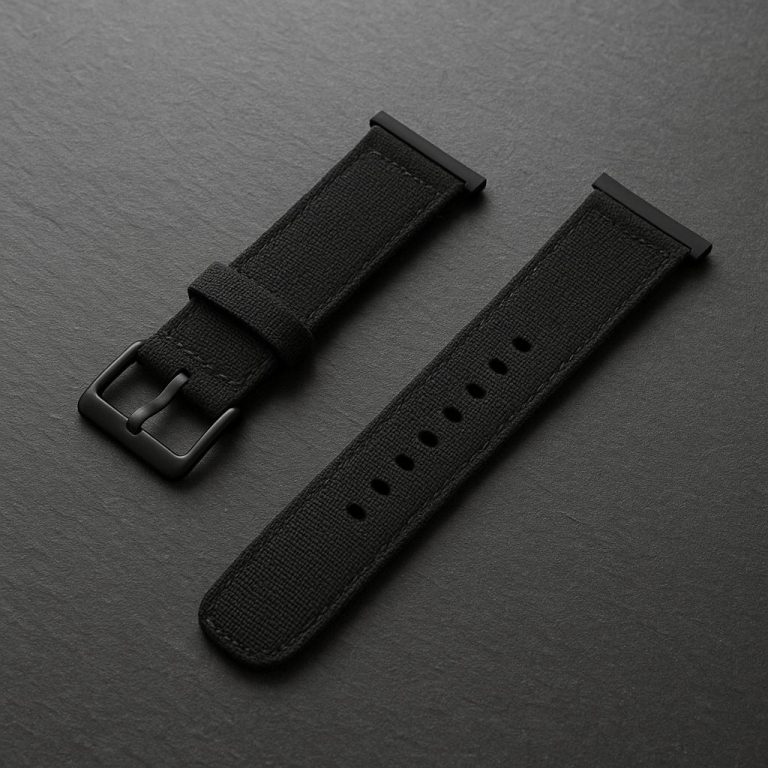
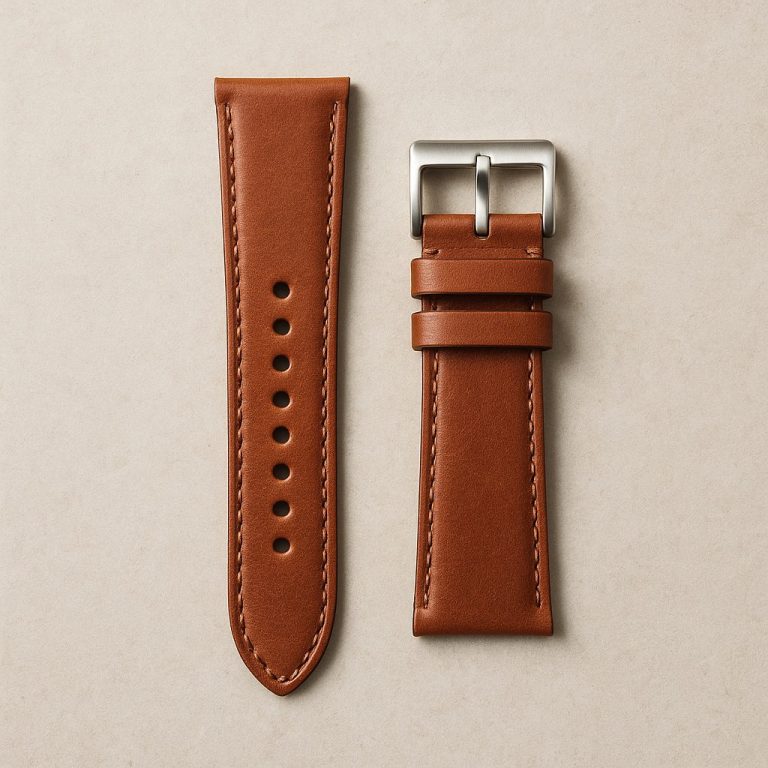
Buckle closures are most commonly found on leather, silicone, and fabric bands. This classic system involves threading the strap through a loop and securing it with a metal pin that fits into a series of holes. While reliable and secure, pin buckles generally require two hands: one to hold the watch in place and the other to guide the pin into the correct hole. Adjusting the fit with one hand is possible, but often awkward, especially if the band is stiff or the holes are tight.
For example, if wearing a leather strap with a traditional buckle, loosening the band by a notch while already on the wrist takes some dexterity and careful maneuvering. This closure is not ideal for quick, single-handed adjustments during activity.
Deployant and Butterfly Clasps
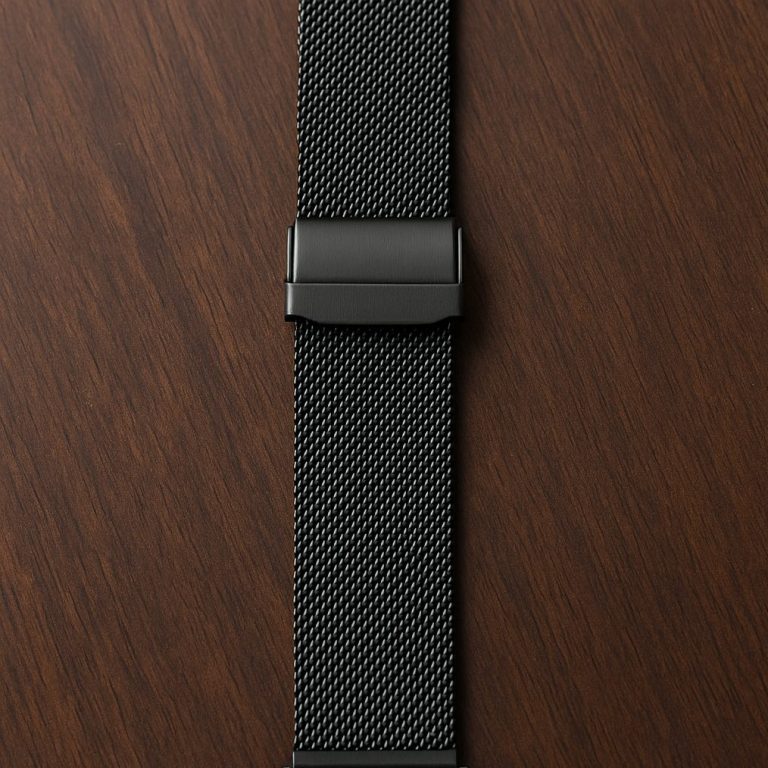
Deployant clasps are common on metal watch bracelets, which are most frequently made from stainless steel for durability and resistance to corrosion. The clasp folds over itself and is secured by a latch or push-button. These closures are designed for security and ease of use, but the adjustability is typically limited to micro-adjustment holes or removable links.
Opening and closing a deployant clasp can be done with one hand if the mechanism is smooth and well-lubricated, but adjusting the actual fit (for example, tightening or loosening the band) usually requires removing links, which is not feasible on the go. Some metal bands include quick-adjust features, but these typically still require two hands to operate effectively.
Hook-and-Loop Fasteners
Hook-and-loop closures are most often found on fabric bands, many of which are crafted from nylon or nylon blends. These materials vary in thickness, elasticity, and weave, affecting both comfort and ease of adjustment. The hook-and-loop system allows the strap to be pulled to the desired tightness and pressed down to secure, making it highly accessible for one-handed use.
This style is especially convenient for those who frequently adjust their watch throughout the day or need to make quick changes while active. The soft, flexible nature of most nylon-based fabric bands complements the adjustability of hook-and-loop closures, making them a practical choice for one-handed operation.
Button or Push-Button Release Clasps
Some modern bracelets and silicone bands use a push-button mechanism to release the clasp. While opening the clasp is simple with one hand, adjusting the fit requires moving the spring bar or pin to a different hole or slot, which typically demands the use of both hands. The main advantage of this system is ease of removal, not ongoing adjustability.
Sliding or Adjustable Loop Closures
Certain fabric or silicone bands feature a sliding loop or bead for tension adjustment. This system is often used with more elastic materials or lightweight nylon weaves. With this closure, it’s possible to tighten or loosen the band by sliding the adjuster along the strap, generally with one hand. However, the effectiveness of this method depends on the friction of the loop and the flexibility of the band material.
Comparing Closure Mechanisms for One-Handed Adjustment
| Closure Type | Ease of One-Handed Adjustment | Common Band Materials |
|---|---|---|
| Pin/Tang Buckle | Low – usually requires both hands | Leather, silicone, fabric (nylon blends) |
| Deployant/Bowtie Clasp | Medium – opening/closing possible with one hand; fit adjustment requires two | Metal (mainly stainless steel) |
| Hook-and-Loop | High – easy to adjust with one hand | Fabric (nylon, various weaves) |
| Push-Button Clasp | Medium – release is one-handed; fit adjustment is not | Metal, silicone |
| Sliding Loop/Band | High – can be adjusted with one hand if band is flexible | Fabric (elastic nylon), silicone |
Material Considerations and Their Impact
The material of the watch band contributes to how easy it is to adjust with one hand. Metal bands, most often made from stainless steel, tend to be stiffer and require more effort to manipulate. While deployant clasps can open easily, fine-tuning the size is rarely a quick operation. Leather bands, especially when new, may resist bending, making pin buckle adjustments even more difficult with one hand.
Fabric bands, notably those made from nylon or nylon blends, offer more flexibility, especially when paired with hook-and-loop or sliding closures. Variations in weave density, thickness, and elasticity affect how smoothly the strap can be adjusted. A tightly woven, thick nylon band may be firmer, while a looser, stretchier weave allows for easier single-handed resizing. Silicone bands, being soft and pliable, can work well with sliding or loop closures, but traditional pin buckles on silicone can still be challenging to operate one-handed.
Common Situations Where One-Handed Adjustment Matters
Several scenarios highlight the importance of one-handed adjustability:
- During exercise, needing to tighten a band mid-activity without stopping
- When wearing gloves or carrying items in one hand
- While driving or cycling, where pausing to use both hands is unsafe
- For individuals with limited mobility or dexterity in one hand
In these situations, hook-and-loop or sliding loop closures on flexible fabric or silicone bands provide the most practical solution. Traditional buckles and deployant clasps, while secure, are less suited for quick, one-handed operation.
Selecting a Closure for Practical, Everyday Use
Choosing the right closure mechanism depends on how often and in what situations you need to adjust your watch with one hand. For those who value quick, effortless changes, fabric bands with hook-and-loop closures or silicone bands with sliding adjusters offer the greatest convenience. Metal bracelets with deployant clasps provide security and style but limit on-the-fly adjustability. Understanding the relationship between closure type and practicality helps ensure that your watch fits your lifestyle, not just your wrist.