Why some watch bands feel more slippery or secure on the wrist
Why Watch Bands Feel Slippery or Secure in Daily Use
A person might notice their watch sliding up and down their wrist while walking or typing, or feel a wristband shift unexpectedly when their arm gets wet or sweaty. Sometimes, a band seems to stick in place, while other times it rotates or loosens. This difference in how secure or slippery a watch band feels often comes down to the materials, surface textures, and fastening methods used in its construction.
How Watch Band Materials Affect Grip and Slippage
The primary reason a watch band feels more slippery or secure is the interaction between the band material, your skin, and the amount of movement or moisture present. Each common band material has unique properties that influence this relationship:
Metal Bands
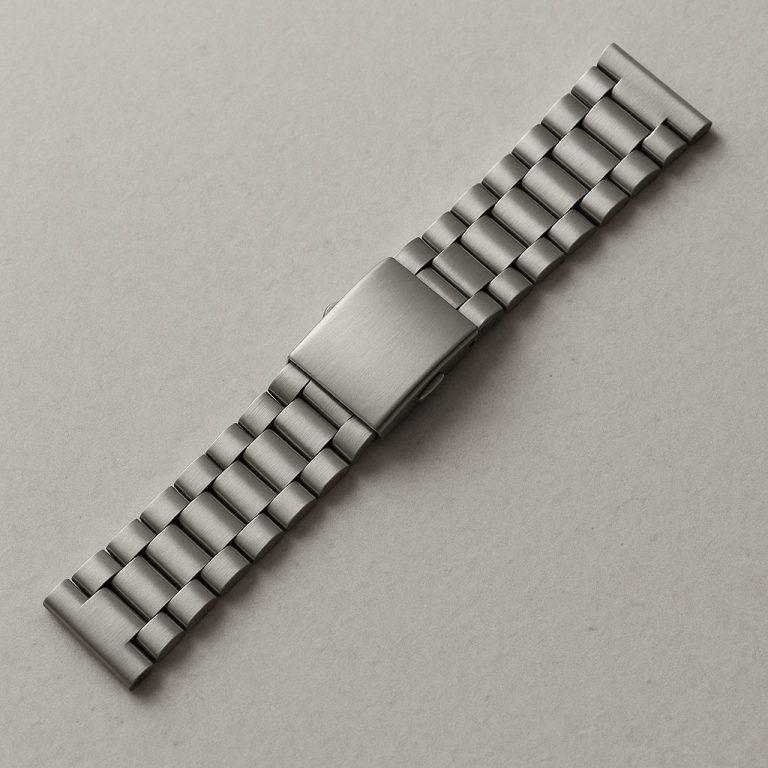
Most metal bands—typically made from stainless steel for its durability and resistance to corrosion—have a smooth, hard surface. This makes them less likely to grip the skin, especially when the skin is dry. The links in metal bracelets can also flex, which allows the band to contour around the wrist but may also contribute to shifting if the fit is not precise. When moisture is present, such as from sweat or water, metal bands can feel even more slippery. The weight of metal bands sometimes helps keep them in place, but if the band is loose, it can rotate or move more easily than other types.
Leather Bands
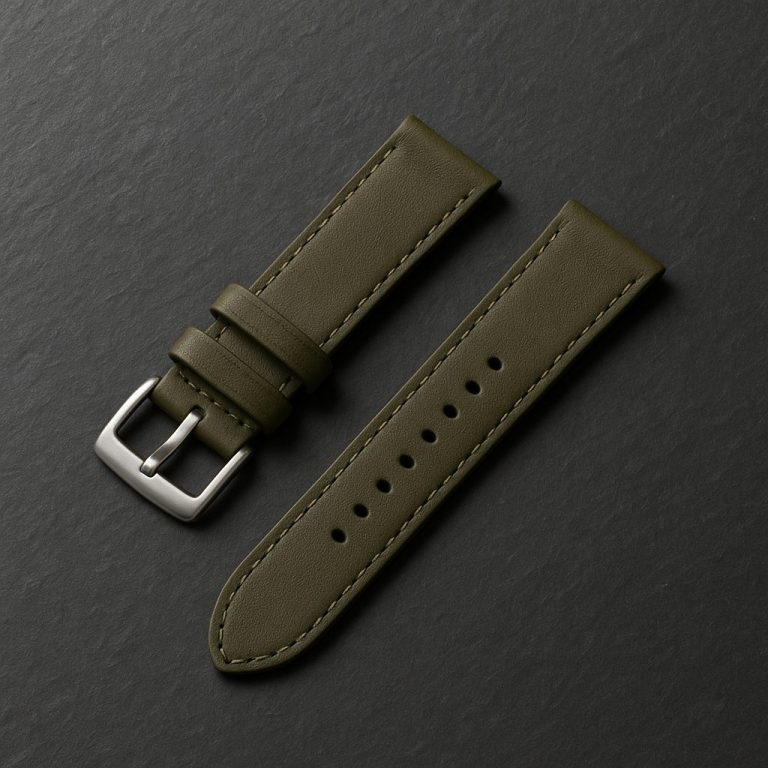
Leather bands typically provide a more secure feeling due to their softer, slightly textured surface. The grip of leather against the skin increases when the band is snug. However, over time, sweat and oils from the skin can soften leather, making it more pliable but sometimes also more prone to slipping if it becomes too smooth. The thickness and finish of the leather—whether matte, glossy, or textured—also affect how much friction is present.
Fabric Bands
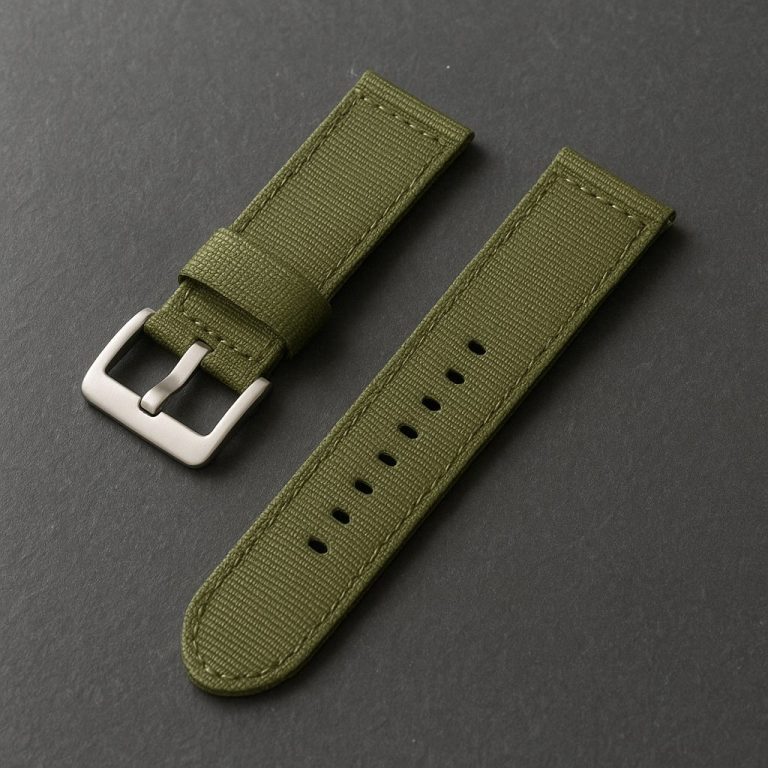
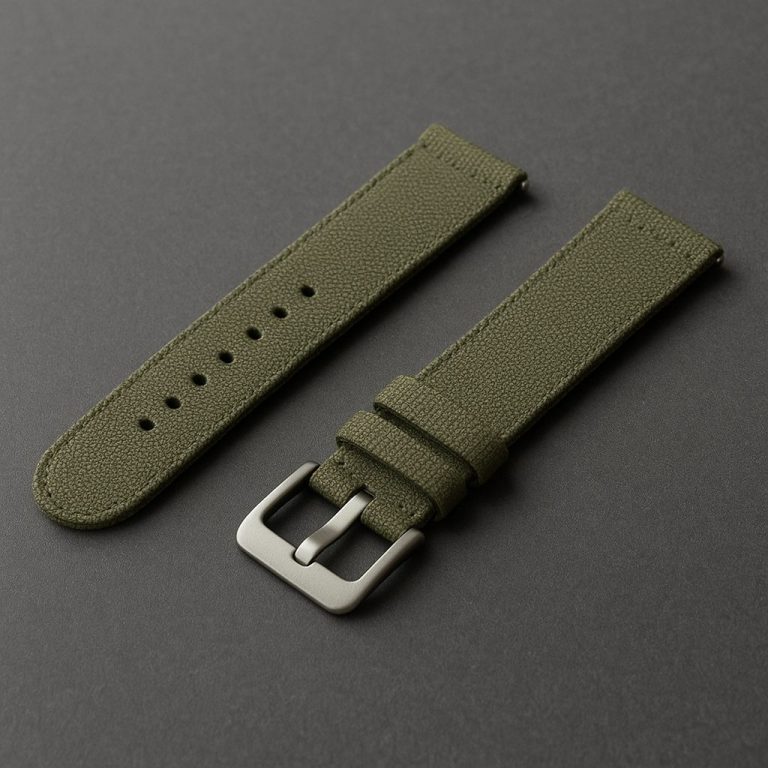
Fabric watch bands are most often made from nylon or nylon-blend textiles. The weave, thickness, and texture of the fabric play a significant role in grip. Dense, tightly woven nylon bands with a rougher texture tend to stay more secure on the wrist, especially if they are adjusted to fit closely. Bands made from stretchier, thinner, or smoother fabric can be more prone to shifting, particularly if they get wet or the weave is very fine. A hook-and-loop closure on a nylon band, for example, provides adjustable security, but if the fabric is slippery or the closure is not properly engaged, the band may still move around.
Silicone Bands
Silicone bands are soft, flexible, and naturally water-resistant. Their surface is usually smooth but can have a matte or slightly tacky finish. Silicone tends to grip the skin well when dry, making it less likely to slide. However, when water or sweat accumulates between the band and the skin, some silicone bands can become slippery, especially if the inner surface is very smooth. Some designs include grooves or textures on the underside to help channel moisture away and increase grip.
Surface Texture and Its Impact
Surface texture directly affects how much friction a band creates against the skin. Smooth, polished surfaces (common with metal or glossy leather) slide more easily, while textured surfaces (such as pebbled leather, woven nylon, or patterned silicone) increase grip and reduce movement.
For example, a silicone band with a patterned inner surface is less likely to slip during exercise compared to a completely smooth one. Similarly, a fabric band with a pronounced weave may stay put better than a thin, satin-like strap.
Fit and Adjustment: Security Versus Slippage
The way a watch band is fastened and adjusted also plays a key role. A band worn too loosely will move and feel less secure, regardless of material. Conversely, a snug fit increases friction, making slippage less likely. Different closure mechanisms contribute to how well a band stays in place:
- Pin Buckles: Used on many leather, fabric, and some silicone bands, these allow for incremental adjustments and typically provide a secure hold if the correct hole is chosen.
- Deployant Clasps: Common on metal bracelets and some leather bands, these lock the band in a fixed position. If the sizing is not precise, however, some movement can occur.
- Hook-and-Loop Fasteners: Found on certain fabric and silicone bands, these offer almost infinite adjustment but can lose grip if the closure surface becomes worn or contaminated with debris.
- Elastic Stretch Bands: Some fabric bands rely on stretch for fit. These can feel secure at first but may loosen over time, increasing the chance of slippage.
One practical tip for a more secure fit is to wear the band just tight enough to prevent movement but not so tight as to restrict circulation. For example, if a metal bracelet has removable links, adjusting the size to reduce slack can make a noticeable difference in how firmly the watch stays in place.
Attachment to the Watch Case: Lugs and Mechanisms
The points where the band attaches to the watch case—usually called lugs—do not directly influence slipperiness, but the mechanism used (such as spring bars or quick-release pins) affects overall security. If the attachment is worn, improperly installed, or not fully engaged, the band can detach unexpectedly, which is a separate issue from band slippage but still impacts how secure the watch feels on the wrist.
Moisture and Temperature Effects
Moisture from sweat, rain, or hand washing can significantly change how a band feels against the skin. Many fabric bands absorb water, which can cause them to swell and grip more tightly. Metal and silicone bands do not absorb water, but a layer of moisture between the band and skin can reduce friction, making slippage more likely. Temperature changes can also impact materials: a hot day may make silicone or fabric bands feel stickier, while cold temperatures may make metal bands feel looser as the metal contracts.
| Band Material | Typical Grip (Dry) | Grip When Wet | Common Closure Types |
|---|---|---|---|
| Metal (Stainless Steel) | Low to Moderate | Low | Deployant clasp, butterfly clasp |
| Leather | Moderate | Moderate to Low | Pin buckle, deployant clasp |
| Fabric (Nylon blends) | Moderate to High | High (if absorbent), Moderate (if smooth) | Pin buckle, hook-and-loop, elastic stretch |
| Silicone | High | Moderate to Low (varies by texture) | Pin buckle, hook-and-loop, snap |
How to Use This Knowledge
Understanding why some watch bands feel more slippery or secure helps in choosing the right band for specific activities or conditions. For a more stable feel during exercise or in warm weather, a textured silicone or a tightly woven nylon band adjusted for a snug fit often provides better grip. If slippage becomes an issue, adjusting the band for a closer fit or selecting bands with more textured surfaces can make a noticeable difference. Regularly checking closure mechanisms and attachment points ensures the watch stays secure on the wrist, regardless of the material.