How different band textures affect comfort with sensitive skin
Recognizing Skin Discomfort from Different Watch Band Textures
After wearing a watch for several hours, red marks, itching, or even a rash can appear beneath the band—especially for people with sensitive skin. Sometimes, simply switching to a different band material or texture can make a significant difference in comfort. The texture of a watch band affects how it interacts with the skin, how moisture is managed, and how much friction occurs throughout the day. Understanding these differences can help reduce or prevent irritation for those with sensitive skin.
How Band Texture Influences Skin Comfort
Texture refers to the surface feel and structure of the material that touches the skin. For sensitive skin, both the material and its texture play important roles in determining whether a band feels soft, smooth, rough, or abrasive. Even with hypoallergenic materials, a coarse or uneven surface can lead to discomfort, especially during movement or sweating.
Common Band Textures and Their Impact
| Band Type | Typical Texture | Effect on Sensitive Skin |
|---|---|---|
| Metal Bracelet | Smooth, linked, sometimes brushed or polished | May cause friction or pinch hairs; stainless steel is most common |
| Leather Strap | Supple, can be smooth or textured (e.g., pebbled, embossed) | Textured finishes can irritate; smooth, soft leather often gentler |
| Fabric Strap | Varying weave density, thickness, elasticity or softness | Rough or coarse weaves can chafe; softer, tight weaves usually kinder |
| Silicone Band | Usually smooth, flexible, sometimes patterned | Smooth textures reduce friction; patterns may cause pressure points |
Metal Bracelets: Smoothness and Movement Matter
Metal bracelets, most commonly made from stainless steel due to its durability and resistance to corrosion, often feature either a polished or brushed finish. The links may move against the skin with wrist motion, which can create friction or occasionally trap hairs. For sensitive skin, a smoother finish and finely engineered links tend to feel more comfortable, as rough edges or poorly finished joints can rub or pinch. Wearing a metal bracelet loosely enough to move without constant rubbing, but not so loose that it slides excessively, can help reduce irritation. If discomfort persists, a different band material or a bracelet with polished edges may be better suited.
Leather Straps: Surface Texture and Lining Make a Difference
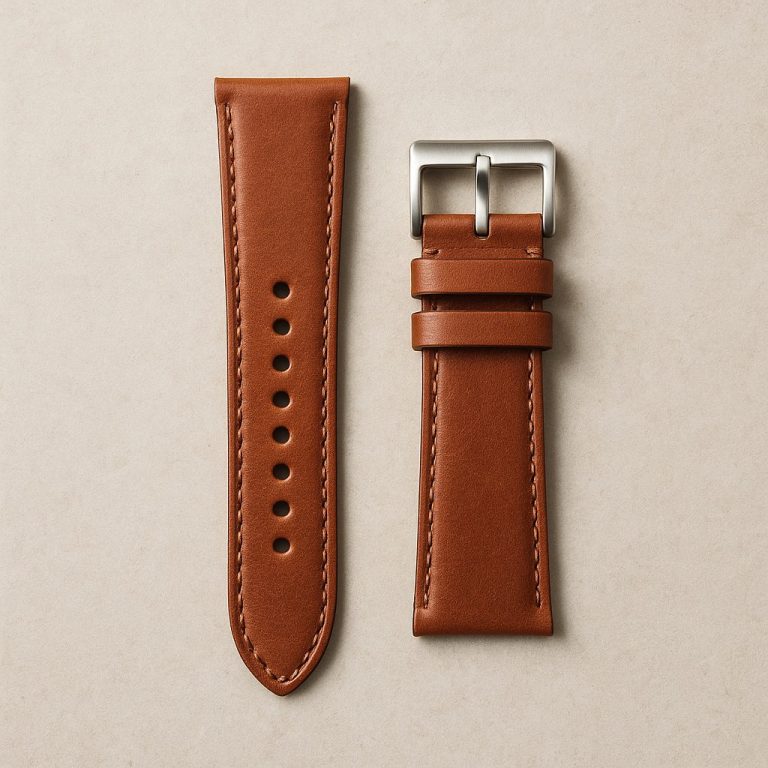
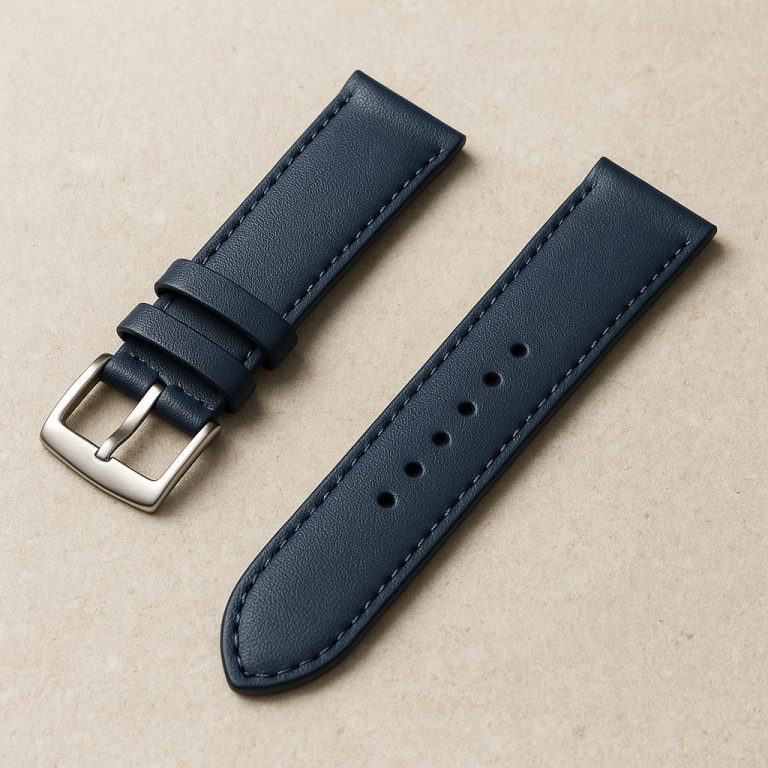
Leather straps are valued for their flexibility and classic appearance, but the way the outer and inner surfaces are finished changes how they feel. Some leather bands have a very smooth, soft underside, while others use textured linings or embossed patterns for style. For sensitive skin, a smooth, gently tanned leather—especially with a non-allergenic lining—usually feels less abrasive. Pebbled or heavily grained surfaces can sometimes cause faint irritation over repeated wear, especially if the band traps moisture. Allowing the band to dry fully after sweating and occasionally conditioning the leather can help maintain softness.
Fabric Straps: Weave and Softness Affect Comfort
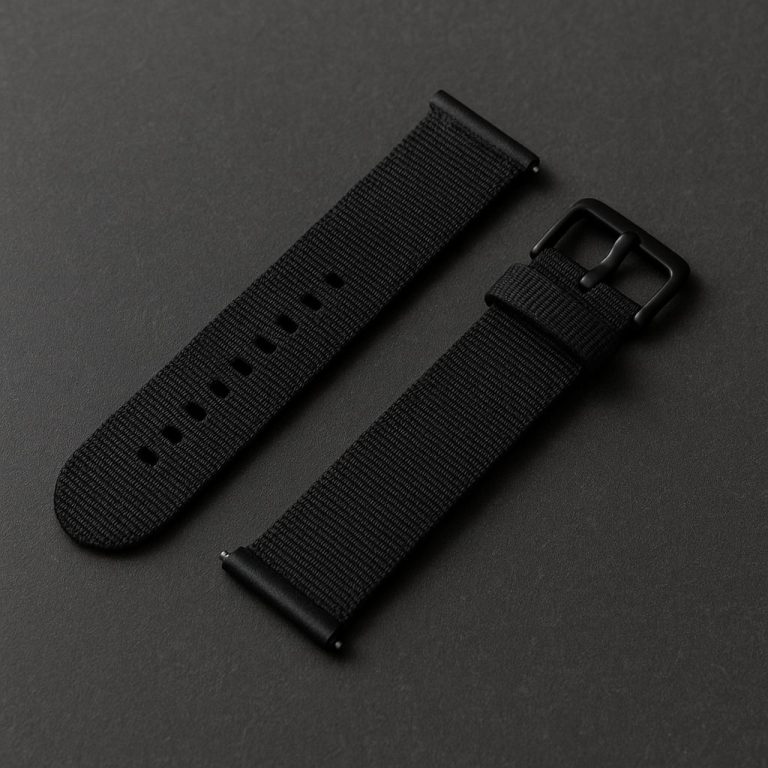
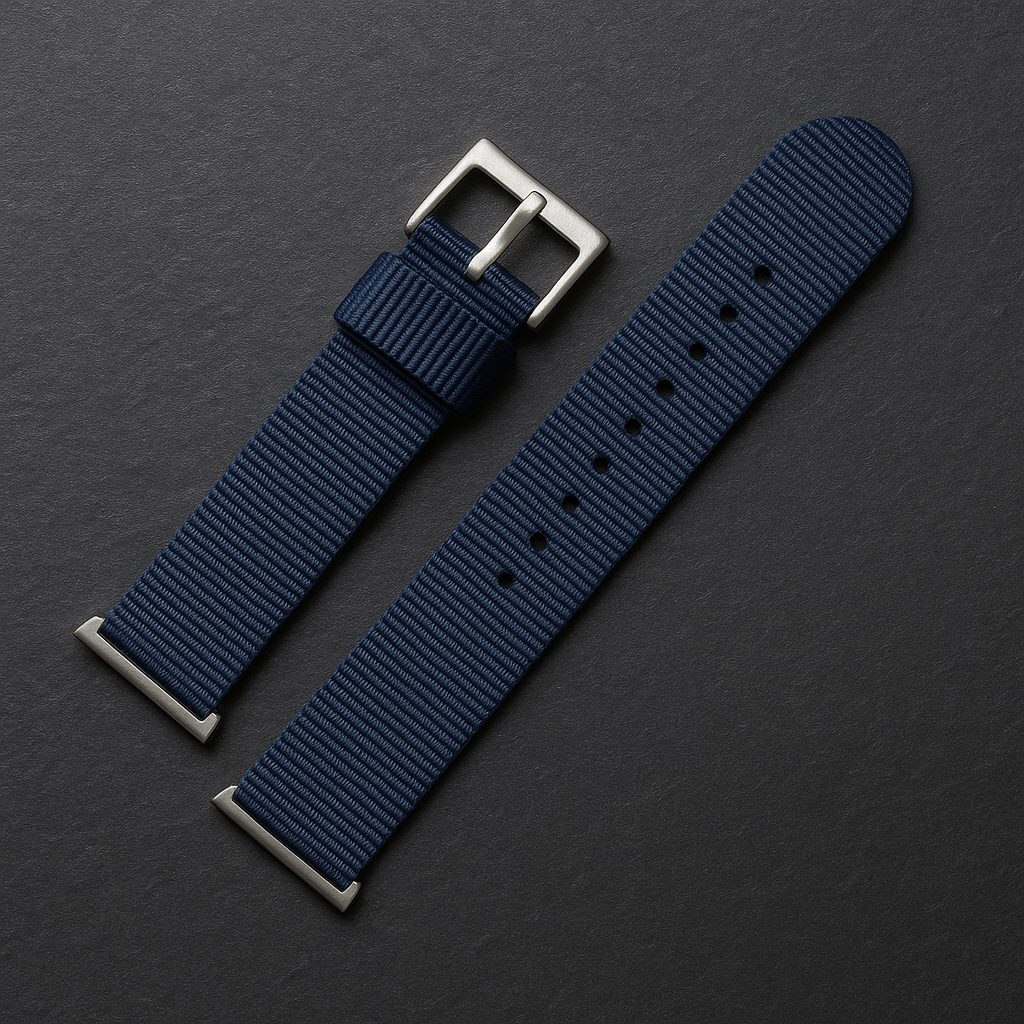
Most fabric watch bands are made from nylon or nylon blends, though the way the fibers are woven varies widely. Some use a dense, smooth weave that feels gentle, while others have a more open or coarse texture. Thicker bands may feel stiffer at first, but often soften with use. Elastic or stretchy weaves can conform closely to the wrist but may cause pressure or chafing if worn too tightly. For sensitive skin, a tightly woven and soft nylon band typically causes less irritation than a rough, stiff, or loosely woven one. If the edge of a fabric band feels scratchy, rotating to a different style or lightly washing the band to soften it can help.
Silicone Bands: Smooth vs. Patterned Surfaces
Silicone bands are popular for their flexibility and resistance to water. The majority have a smooth, even surface, which generally glides over the skin with minimal friction. Some, however, include textured or patterned designs for appearance or grip. While these patterns may look appealing, raised textures can create pressure points or trap moisture against the skin, leading to irritation over time. For those with sensitive skin, a completely smooth silicone band tends to be the gentlest option, as it minimizes both friction and the chance of sweat accumulation. Regular cleaning of the band can also reduce the risk of buildup and discomfort.
How Texture and Moisture Work Together
Moisture management is central to comfort for sensitive skin. Sweating under a watch band increases friction and can make rough or coarse textures more noticeable. Smooth bands, whether leather, silicone, or metal, tend to manage moisture better, as there are fewer gaps or fibers to trap sweat. Conversely, some fabric bands, especially with open or rough weaves, can hold moisture close to the skin and lead to chafing. Choosing a band that dries quickly and is easy to clean can help reduce irritation over long periods of wear.
Practical Example: Swapping Bands for Relief
Consider someone who experiences redness after wearing a nylon watch band with a coarse weave throughout the day. Switching to a smooth silicone band or a leather strap with a soft lining often results in immediate relief, as the smoother surface reduces friction and allows the skin to breathe more easily. For others, even a small change—such as flipping a fabric band to expose a softer side or loosening a metal bracelet slightly—can reduce discomfort significantly.
Applying Texture Awareness to Daily Wear
For those with sensitive skin, paying close attention to the texture of a watch band is essential. Soft, smooth materials that minimize friction and allow the skin to stay dry are generally best tolerated. When irritation occurs, examining the weave, finish, or pattern of the band can reveal whether a different texture might offer more comfort. Small adjustments—like switching to a softer fabric, choosing a smooth silicone band, or selecting a leather strap with a gentle lining—often make a meaningful difference in daily wear.