Why people keep returning to the same watch band even when they own others
Returning to a Familiar Watch Band: Observable Patterns
A person purchases several watch bands—perhaps a metal bracelet, a leather strap, a silicone band, and a couple of fabric options—hoping to match different occasions or improve daily comfort. Yet, after brief experiments, the original band or a particular favorite keeps ending up back on the wrist. Despite a drawer full of alternatives, the same watch band sees the most wear. This behavior is surprisingly common and can be explained by a mix of psychological, practical, and sensory factors.
Factors Shaping Watch Band Preference
The repeated choice of one watch band over others often has less to do with lack of variety and more to do with how a band interacts with daily routines, personal habits, and subtle feelings of comfort or familiarity. While material properties and design play a role, preferences tend to develop in specific, personal ways. Below are the main factors that influence why someone keeps returning to the same band, even when several are available.
Everyday Comfort and Sensory Habituation
The feeling of a watch band against the skin becomes a background sensation over time. Once a person gets used to how a particular band feels—whether it’s the smoothness of a leather strap, the flexibility of a silicone band, or the cool touch of a metal bracelet—it can make switching to another material feel unfamiliar or distracting. Small differences in weight, thickness, or how the band flexes during movement can be significant.
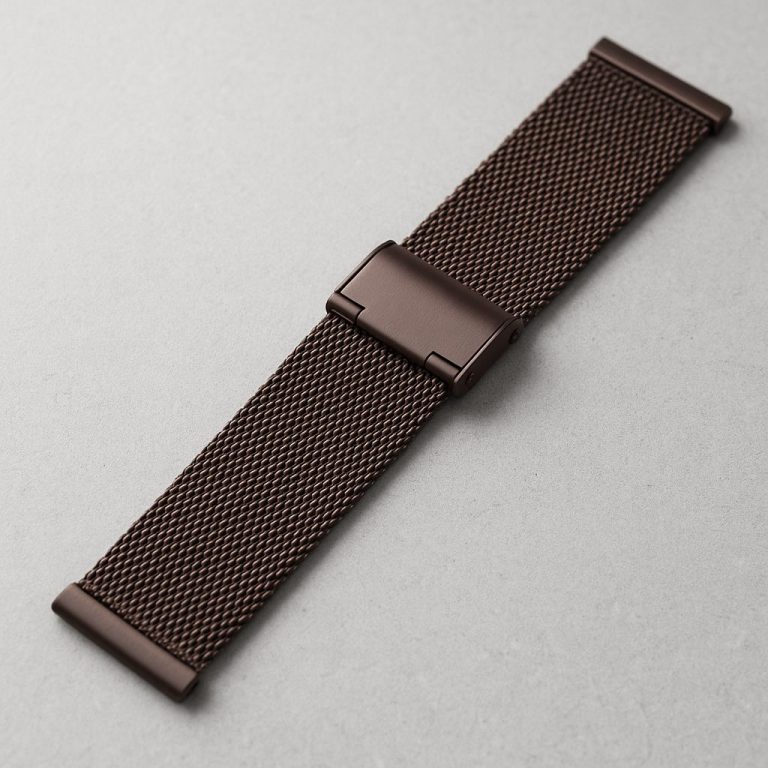
For example, a metal bracelet (most commonly made from stainless steel for its durability and corrosion resistance) often feels heavier and cooler to the touch than a fabric or silicone alternative. If a user is accustomed to that sensation, even a soft fabric band might initially feel odd or insubstantial. Conversely, someone used to a flexible nylon strap may find a rigid bracelet cumbersome. This sensory habituation can make the familiar band the default choice, especially during rushed mornings or long days.
Fit and Micro-Adjustments
Each watch band can offer a slightly different fit. Metal bracelets often rely on fixed links with limited adjustment (unless they have a micro-adjustment clasp), while leather, silicone, and fabric bands typically use holes or hook-and-loop closures for sizing. The perceived “perfect fit” of a favored band—snug but not tight, secure but not restrictive—can be hard to replicate. Even a slight difference in how the watch sits on the wrist, shifts during typing, or presses against the skin can influence comfort throughout the day.
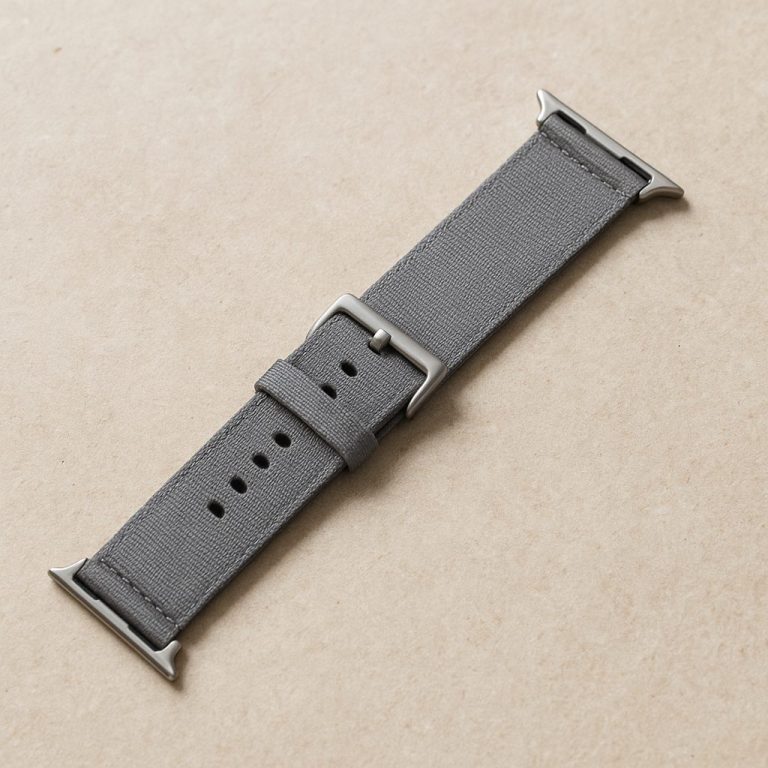
If a person finds that one band consistently offers the most comfortable and stable fit, it naturally becomes the go-to option. A practical tip: some fabric straps, especially those made from tightly woven nylon, can be adjusted with more precision due to their elasticity and closure style, but not everyone prefers the feeling or the look.
Ease of Use and Daily Routine
Switching watch bands can be a chore if the attachment mechanism requires tools or is fiddly. Some bands use quick-release pins, making changes easy, while others rely on spring bars that can be more challenging. If a band is difficult to remove or attach, the wearer may avoid switching, defaulting to the band already on the watch. Over time, this convenience factor reinforces the habit of wearing the same band.
Additionally, some people develop a daily routine that includes slipping on a particular band, further reducing the likelihood of change. If a fabric band dries quickly after exercise or rain, or a silicone band can be cleaned in seconds, these practical benefits reinforce its everyday use.
Emotional Attachment and Familiarity
Beyond physical comfort, there can be an emotional connection to a specific watch band. Perhaps it came with the watch as a gift, or it has been worn during important life events. This sense of familiarity can make alternatives feel less appealing, no matter their functional advantages. The original band may become associated with positive memories or a sense of personal style, subtly guiding daily choices.
Wear and Longevity Patterns
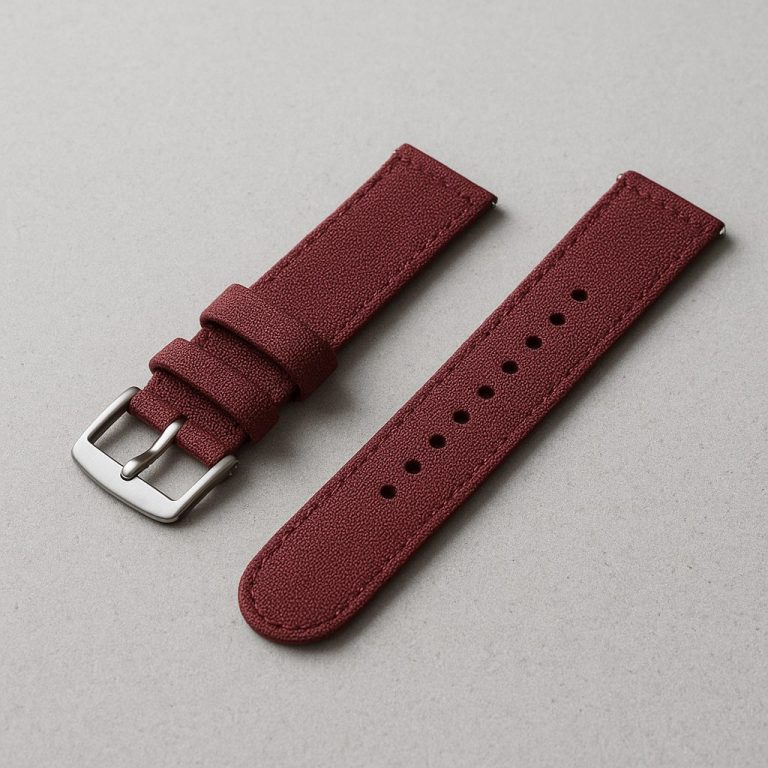
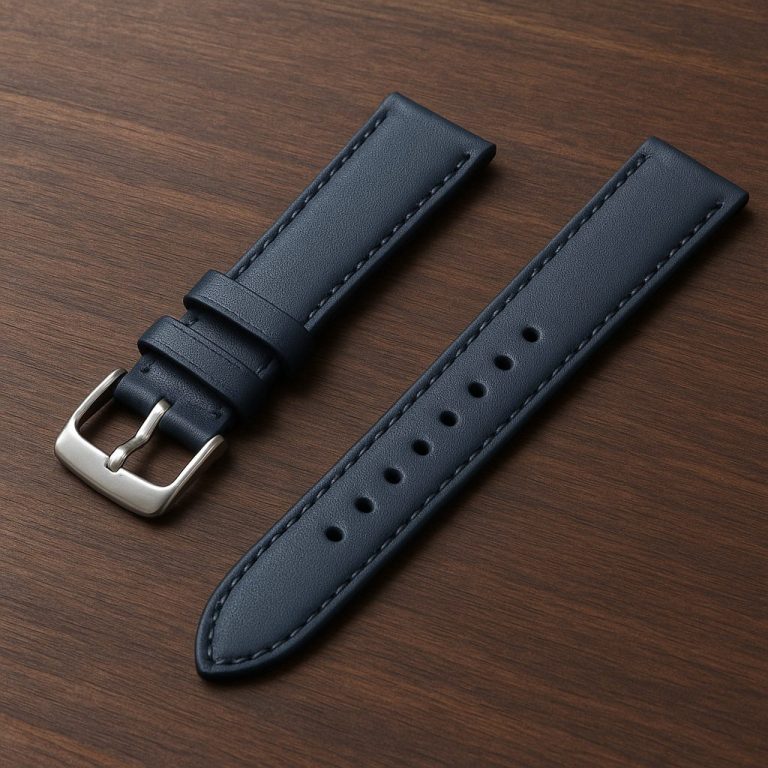
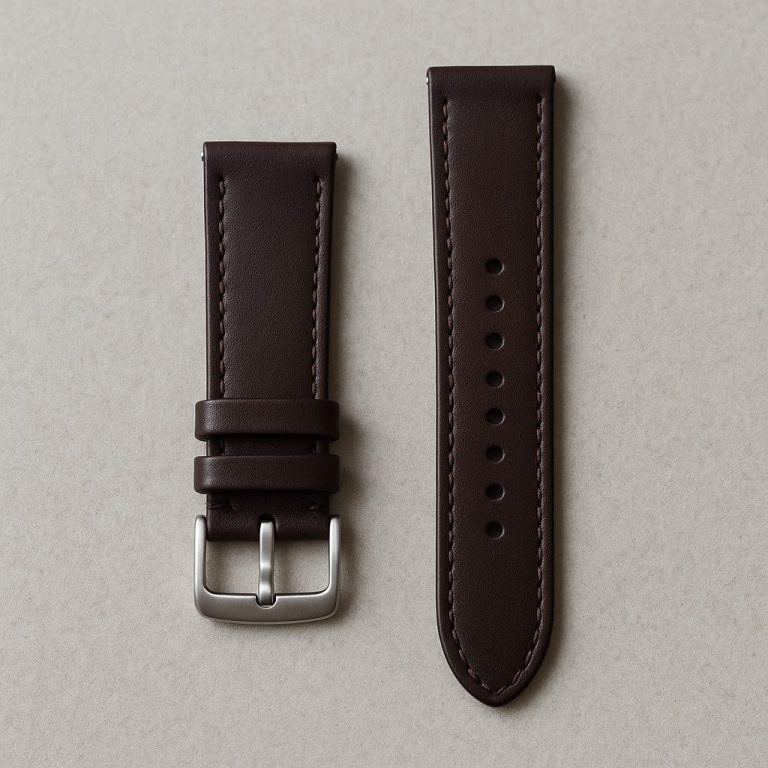
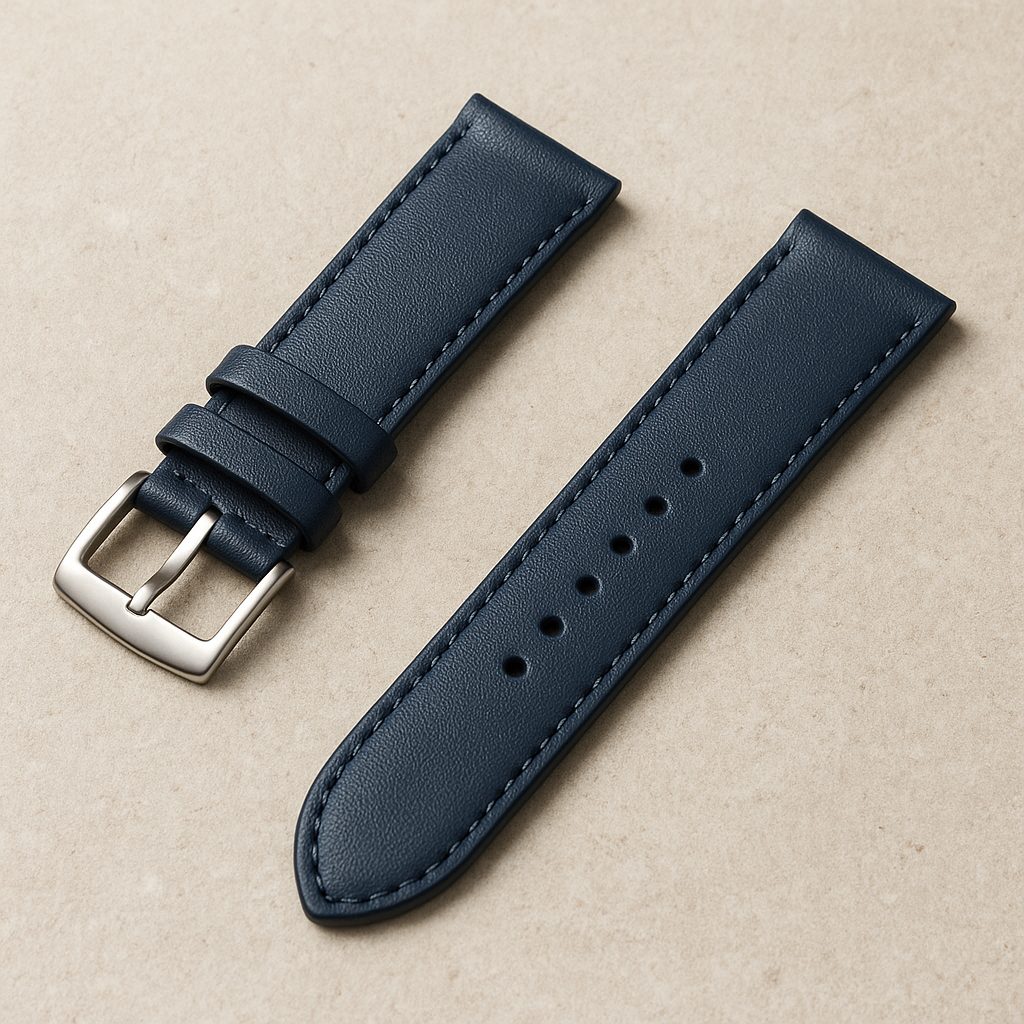
Repeated use of one watch band can be self-reinforcing. As a band conforms to the shape of the wrist or develops a unique patina, it often feels even more comfortable over time. Leather, for example, softens and molds to the wearer’s wrist, while fabric bands (usually nylon or blends) can stretch slightly and become easier to fasten. Even silicone bands, which are less prone to stretching, may become more flexible with regular use. Bands that become “broken in” can be hard to retire, making new bands feel stiff or awkward by comparison.
Material-Specific Preferences in Practice
Different watch band materials contribute to the decision in specific ways. The table below summarizes how each major material can influence repeated selection:
| Material | Common Reasons for Returning |
|---|---|
| Metal (usually stainless steel) | Stability, substantial feel, perceived durability, original watch look |
| Leather | Softens to fit wrist, classic appearance, absorbs personal scent over time |
| Fabric (mainly nylon blends) | Breathability, lightweight, flexible fit, quick drying, subtle stretch or texture variation |
| Silicone | Water resistance, easy cleaning, flexible comfort, suitable for exercise or all-day wear |
The specific texture, stretch, and weave density of fabric bands, for example, can lead someone to prefer a thick, tightly woven strap over thinner, looser alternatives. Silicone bands are often favored for their softness and practicality, especially in humid or wet conditions, while metal bracelets may be preferred for their solid feel and low maintenance.
Why the “Best” Band Isn’t Always the Most Expensive or Flashy
It can be tempting to assume that a new or more expensive watch band will become the favorite, but personal preference is driven by how a band fits into daily life. For instance, someone might purchase a leather strap for formal occasions but find it too delicate for daily use, returning to a durable nylon band for convenience. Others may love the look of a heavy metal bracelet but switch back to a silicone band for comfort during long workdays or exercise sessions.
The repeated return to a specific watch band is less about objective quality and more about the subtle match between the band’s properties and the wearer’s needs. Even surface details—like how a buckle sits on the wrist or the slight give of a fabric strap—can tip the scales. Real-world routines, from frequent hand washing to typing at a desk, play a significant role in shaping these habits.
Everyday Choices Shape Lasting Habits
While it may seem wasteful to own multiple watch bands and keep returning to just one, this behavior reflects a practical response to comfort, routine, and personal preference. A watch band that fits seamlessly into daily life—offering the right balance of comfort, familiarity, and convenience—often becomes the default, regardless of how many alternatives are available. Recognizing these factors can help in making better choices, whether considering a new band or simply appreciating why the old favorite keeps ending up back on the wrist.