How Sweat and Moisture Affect Different Watch Band Materials
Understanding the Impact of Sweat and Moisture on Watch Band Materials
Watch bands come in various materials, each with unique properties that affect how they respond to sweat and moisture. Understanding these interactions can help individuals choose the right band for their lifestyle and preferences. Moisture can lead to discomfort, deterioration, and even skin irritation, depending on the material used in the watch band. This article examines how different materials react to sweat and moisture, providing insights for informed decision-making.
Common Watch Band Materials
Watch bands are typically made from a range of materials, including metal, leather, rubber, silicone, and fabric. Each material has distinct characteristics that influence its durability and comfort when exposed to sweat and moisture.
Metal Bands
Metal watch bands, often made from stainless steel, are known for their durability and corrosion resistance. However, they can still be affected by sweat. Here are some key points regarding metal bands:
- Corrosion Resistance: Stainless steel is resistant to rust, but prolonged exposure to moisture can lead to tarnishing or discoloration.
- Weight: Metal bands can be heavier, which may feel uncomfortable during rigorous activities.
- Skin Reactions: Some individuals may experience skin reactions or irritation, particularly if moisture becomes trapped between the band and the skin.
Leather Bands
Leather is a classic choice for watch bands, offering a stylish and sophisticated appearance. However, leather can be sensitive to moisture:
- Absorption: Leather tends to absorb moisture, which can weaken the material and lead to a shorter lifespan.
- Odor: Sweat can create unpleasant odors in leather bands, making them less appealing.
- Maintenance: Regular conditioning is necessary to maintain the leather’s integrity and appearance, especially if exposed to moisture regularly.
Rubber and Silicone Bands
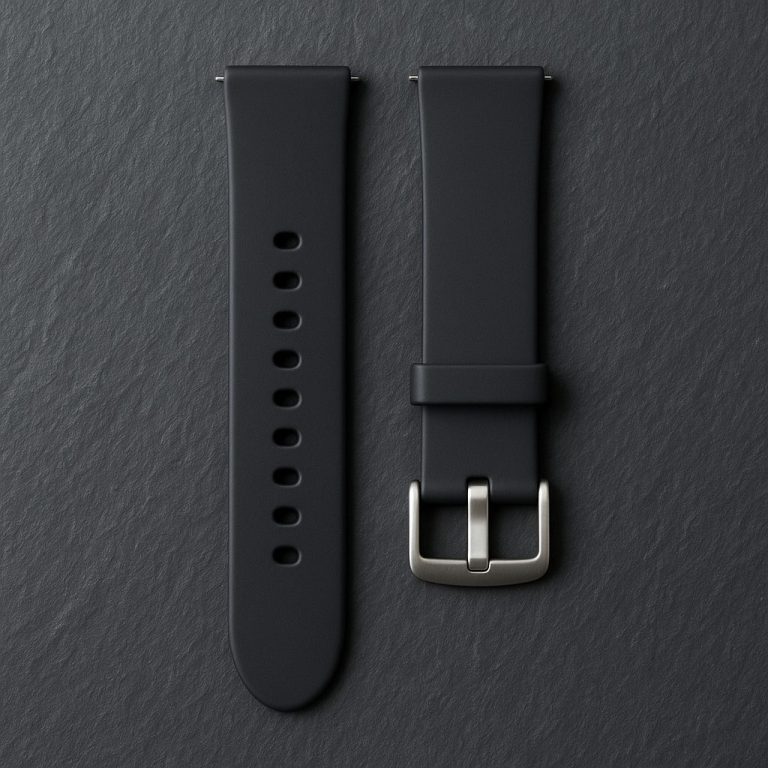
Rubber and silicone watch bands are popular for their durability and comfort. They are particularly well-suited for sports and outdoor activities:
- Water Resistance: Both materials are water-resistant and do not absorb moisture, making them ideal for sweaty conditions.
- Comfort: The soft texture of rubber and silicone provides comfort against the skin, reducing the likelihood of irritation.
- Longevity: While resistant to moisture, these materials can degrade over time with exposure to UV light and extreme temperatures.
Fabric Bands
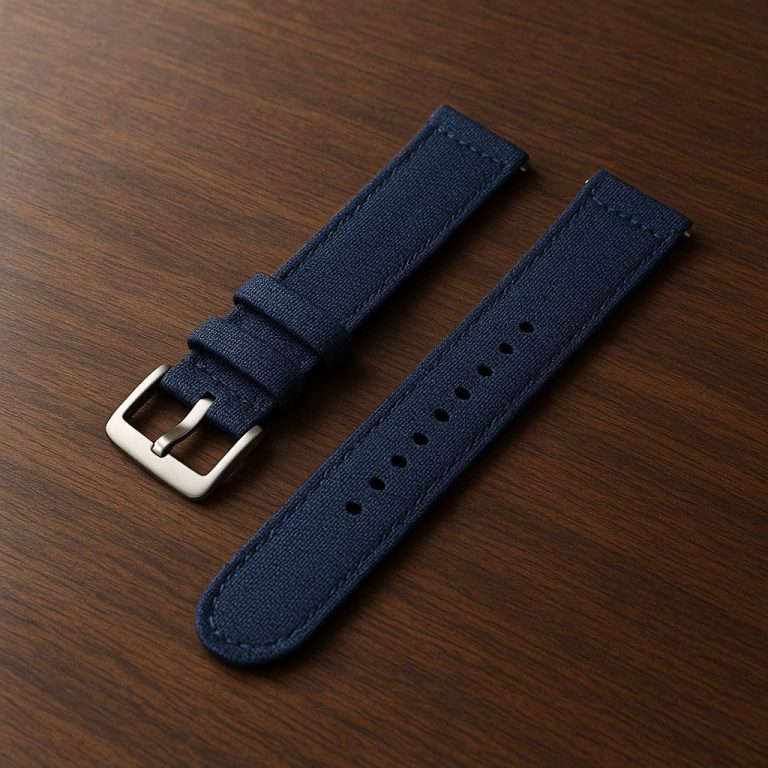
Most fabric watch bands are made from nylon, which is known for its strength and versatility. However, the specific style of the fabric band can influence its performance in moist conditions:
- Variety of Styles: Fabric bands can include styles such as canvas, braided, stretchy, or woven. Each style varies in weave, thickness, and texture, affecting appearance and comfort.
- Moisture Absorption: Nylon can absorb some moisture, but it generally dries quickly compared to other materials.
- Cleaning: Fabric bands are often machine washable, but frequent exposure to sweat can lead to staining or odor, requiring regular cleaning.
Hybrid and Other Materials
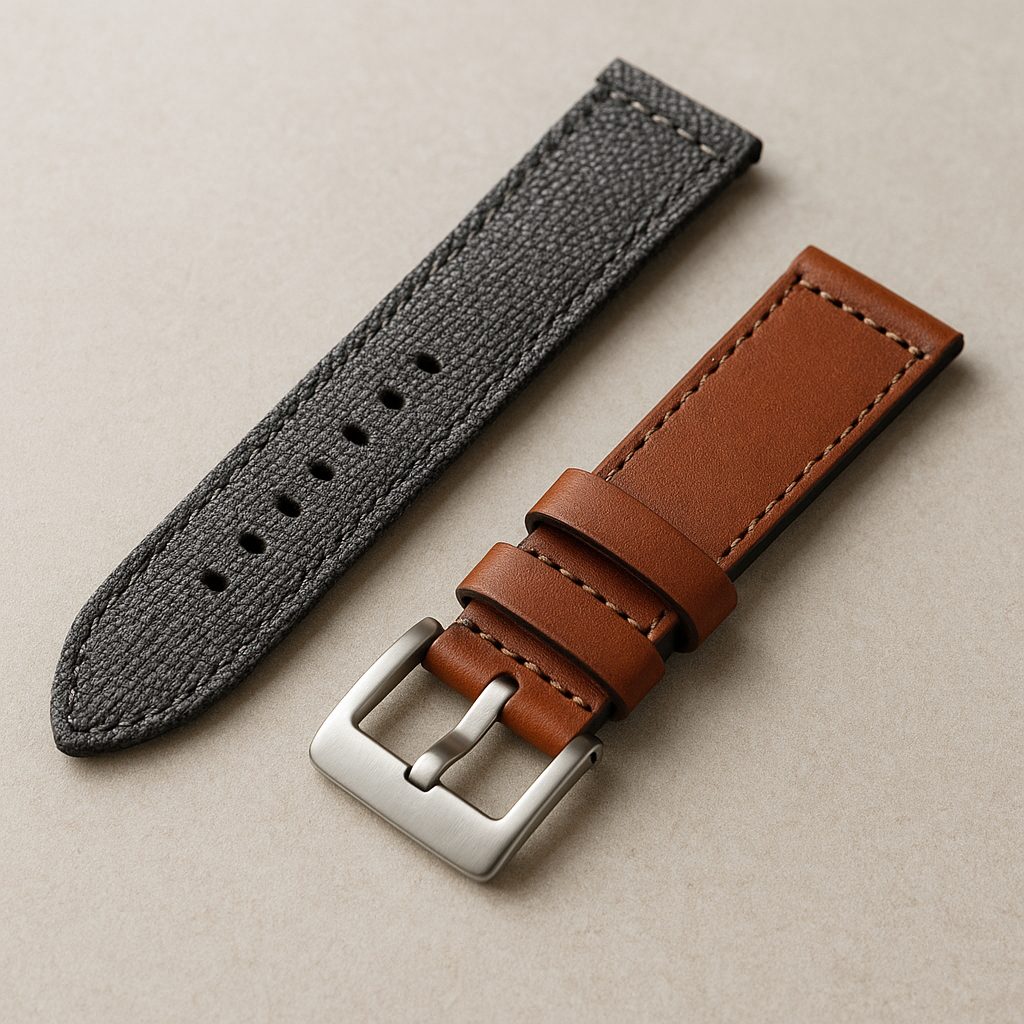
Some watch bands incorporate a combination of materials, such as leather with silicone or metal with fabric. These hybrid designs can offer the benefits of multiple materials but may also present unique challenges:
- Moisture Management: Hybrid bands can sometimes trap moisture between layers, leading to discomfort.
- Durability: The durability of hybrid materials can vary significantly, depending on the components used.
Tips for Caring for Watch Bands
Proper care and maintenance can enhance the longevity of any watch band material. Here are some practical tips to consider:
- Regular Cleaning: Clean bands regularly according to the material type to remove sweat, dirt, and oils that can accumulate.
- Avoid Excessive Moisture: Whenever possible, remove the watch during activities that involve excessive sweating or exposure to water.
- Storage: Store watches in a cool, dry place to prevent moisture buildup and degradation of materials.
- Conditioning: For leather bands, use appropriate conditioners to maintain suppleness and prevent cracking.
Conclusion
The interaction between sweat, moisture, and watch band materials is crucial for comfort and longevity. Understanding the strengths and weaknesses of different materials, such as metal, leather, rubber, silicone, and fabric, can aid individuals in making informed choices. By considering factors such as moisture absorption, comfort, and maintenance, wearers can select the most suitable watch band for their lifestyle and activities.