The significance of watch band width in relation to watch face size
Choosing the Right Watch Band Width for Your Watch Face
Imagine picking out a watch that perfectly matches your style, only to realize later that the band feels off or the watch looks unbalanced on your wrist. One of the critical factors influencing how a watch appears and feels is the width of the watch band in relation to the size of the watch face. Understanding this relationship can enhance both the aesthetic appeal and the comfort of your timepiece.
Understanding Watch Face Size and Band Width
The watch face, or case, is measured in millimeters, and its size can vary significantly across different styles, from compact dress watches to larger sports models. The band width, which is the distance between the lugs (the parts of the watch case that hold the band), plays a crucial role in how the watch looks on your wrist.
Proportionality Matters
Proportions are essential in design, and watches are no exception. A watch band that is too narrow for a broad face can make the watch appear oversized and awkward, while a band that is too wide can overwhelm a smaller watch face. Here’s a quick guideline to consider:
- For smaller watch faces (under 36mm), a band width of 16mm to 18mm is typically appropriate.
- For medium-sized faces (36mm to 42mm), a width of 20mm to 22mm works well.
- Larger faces (over 42mm) often pair best with bands that are 22mm to 24mm or wider.
These guidelines can help maintain a balanced look, ensuring that the watch feels cohesive and well-designed when worn.
Comfort and Practicality
Beyond aesthetics, the width of the watch band also impacts comfort. A band that is too narrow might dig into the skin or feel flimsy, especially if the watch face is heavy. Conversely, a very wide band can be cumbersome and may restrict wrist movement. Finding a comfortable fit involves considering both the band width and the material used.
Material Considerations
Watch bands come in various materials, each offering different benefits in terms of comfort and style. Here’s a brief overview of common materials and how they relate to band width:
Leather Bands
Leather bands provide a classic look and can vary significantly in thickness and texture. A wider leather band can offer more support for a larger watch face, while a narrower band can be more flattering on smaller watches. The softness of leather also contributes to overall comfort, making it suitable for daily wear.
Metal Bands
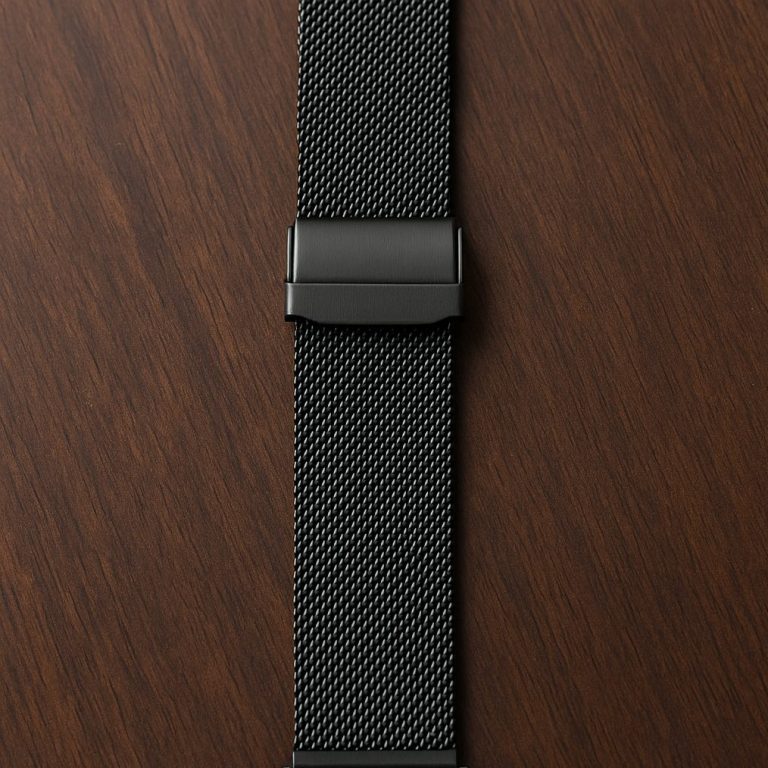
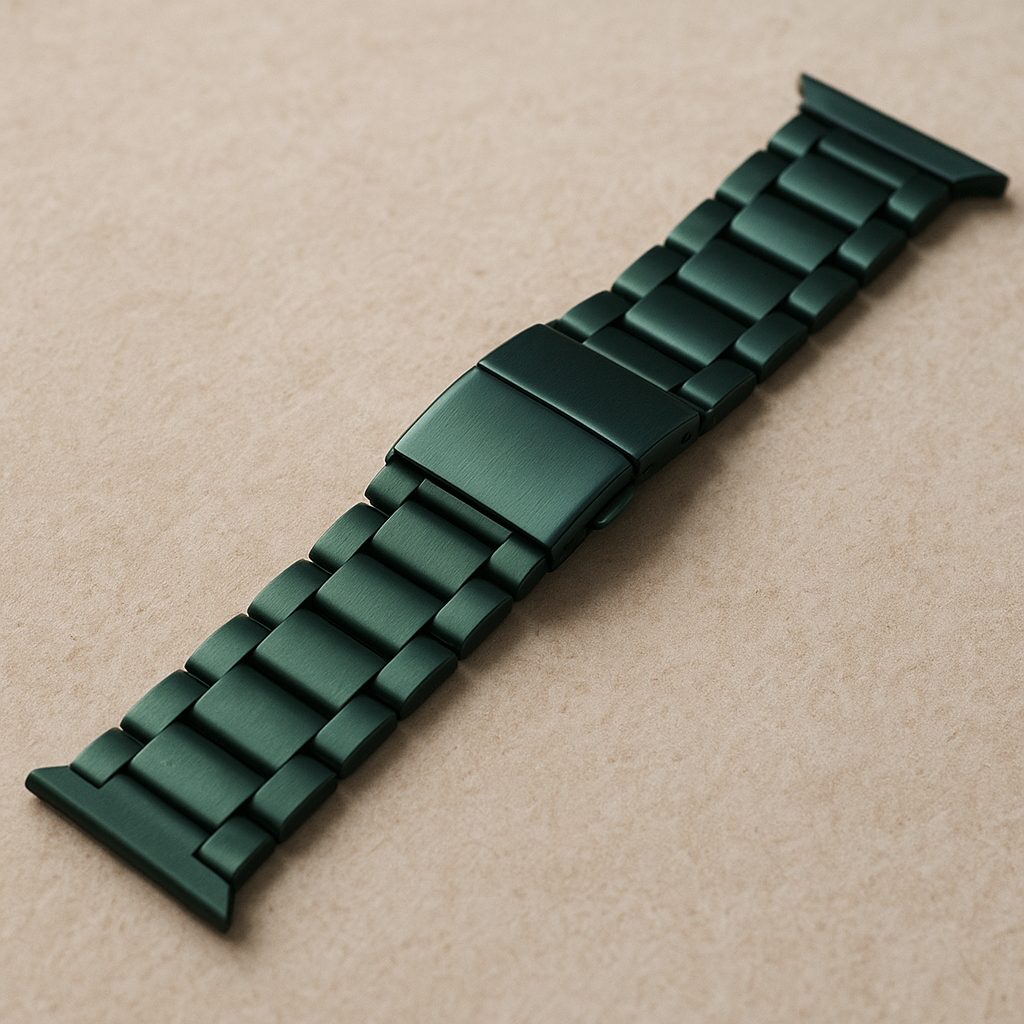
Metal bands, often made from stainless steel due to its durability and corrosion resistance, are another popular option. The links in metal bands can be adjusted to fit different wrist sizes, but the width should still align with the watch face. A wider metal band on a large watch face can create a bold, statement look, while a narrower band can yield a more delicate appearance.
Fabric Bands
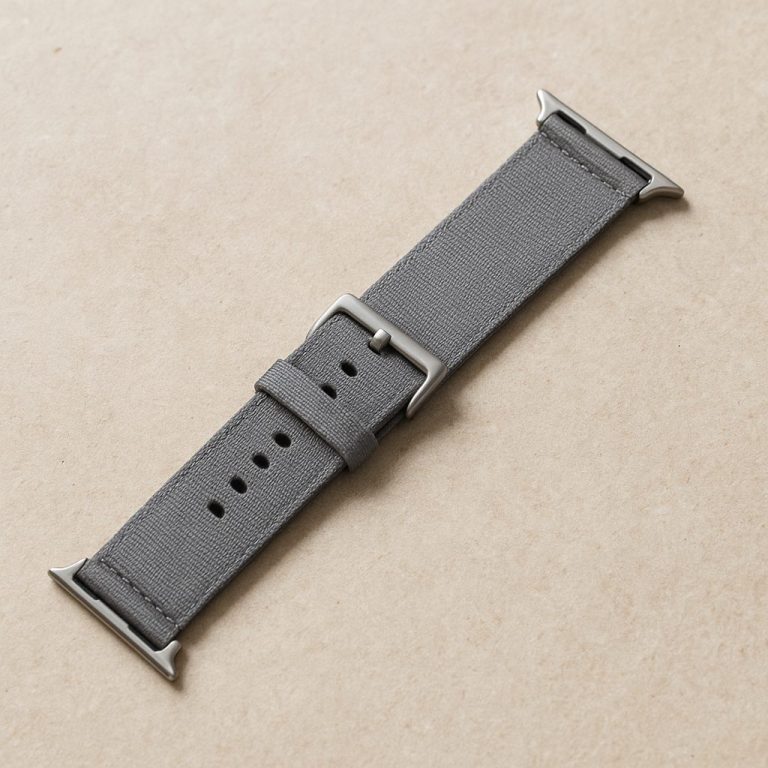
Most fabric watch bands are constructed from nylon or nylon blends. They can vary in weave density, thickness, and elasticity, which affects both their appearance and comfort. A thicker, wider fabric band can provide a sporty feel to a larger watch face, while a more delicate weave may complement smaller faces better, adding a touch of sophistication without overwhelming them.
Real-World Application: Choosing Your Band
When selecting a watch band, consider not only the width in relation to the watch face but also your personal style and the occasions for which you’ll wear the watch. Here are some practical tips:
- If you have a larger watch face and want a sporty look, opt for a wider fabric or rubber band that can withstand daily activities.
- For formal settings, a narrower leather band may enhance the elegance of a smaller watch face.
- Experiment with different band widths and materials to find what feels comfortable and looks best on your wrist.
It may also be helpful to try on watches with various band widths at a store to gain a better understanding of how they feel and look in different contexts.
Final Thoughts
Selecting the right watch band width in relation to the watch face size is essential for achieving both comfort and aesthetic appeal. By keeping proportionality in mind and understanding how different materials affect the experience, you can make informed choices that reflect your style and meet your practical needs. The right combination can transform a watch from a simple accessory into a statement piece that fits seamlessly into your lifestyle.