How to choose a watch band that doesn’t interfere with wrist movement
Why Some Watch Bands Restrict Wrist Movement
Wearing a watch should feel comfortable and natural, but many people find that certain watch bands interfere with their wrist movement. This can be especially frustrating during everyday activities like typing, exercising, or carrying objects. The way a watch band fits, its material, and its construction all play a role in how much freedom your wrist has. Stiff, bulky, or poorly-fitted bands can limit flexion and extension of the wrist, causing discomfort or even temporary marks on the skin.
Key Factors That Affect Wrist Flexibility
Several aspects of a watch band influence whether it will restrict your movement. Being aware of these details helps you choose a band that supports natural motion throughout the day.
Band Width and Taper
Wider bands, especially those that remain the same width from the lugs (the watch case components that connect to the band) to the clasp or buckle, can press against the wrist when you bend it. Bands that taper—meaning they become narrower towards the clasp—tend to reduce this pressure, improving comfort and movement. If your wrist is relatively small, a band that is too wide may also dig into the sides, further limiting mobility.
Band Thickness
Thicker watch bands often feel more substantial, but they can interfere with the wrist’s natural range of motion. When you flex your wrist upwards, a thick band may press uncomfortably against the top of your wrist or the base of your hand. This is particularly noticeable with bands made from rigid materials. Thinner bands, or those with some flexibility, generally move more easily with the wrist.
Material Flexibility and Structure
The material of the watch band is a major factor in comfort and mobility:
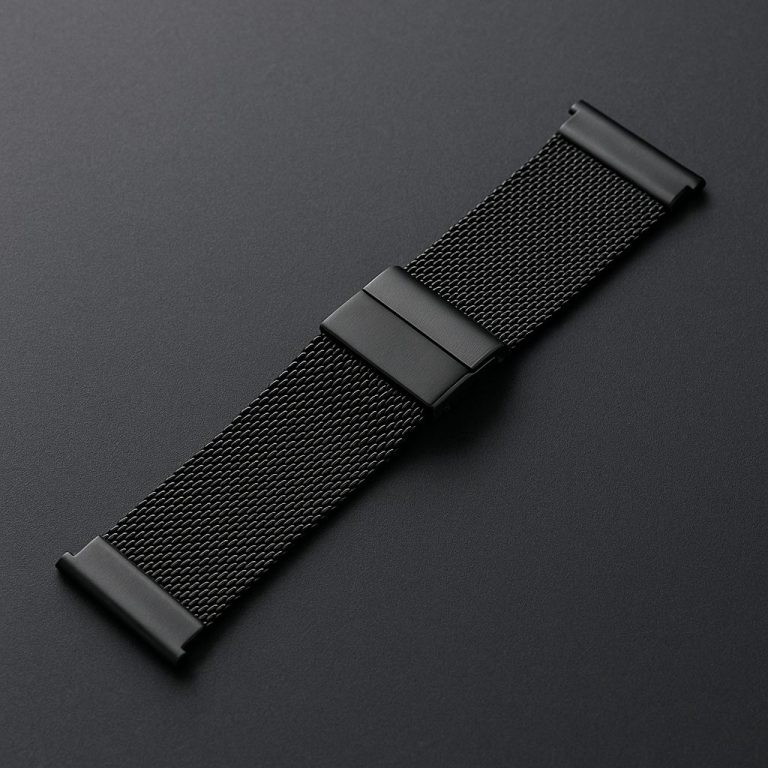
- Metal bands (commonly stainless steel) are durable and resistant to corrosion, but their construction affects flexibility. Individual links allow some movement, but thick or stiff links can cause the band to feel rigid, especially if the band is not well-fitted to the wrist. Metal mesh bands tend to contour better and offer more flexibility than thick, solid-link bracelets.
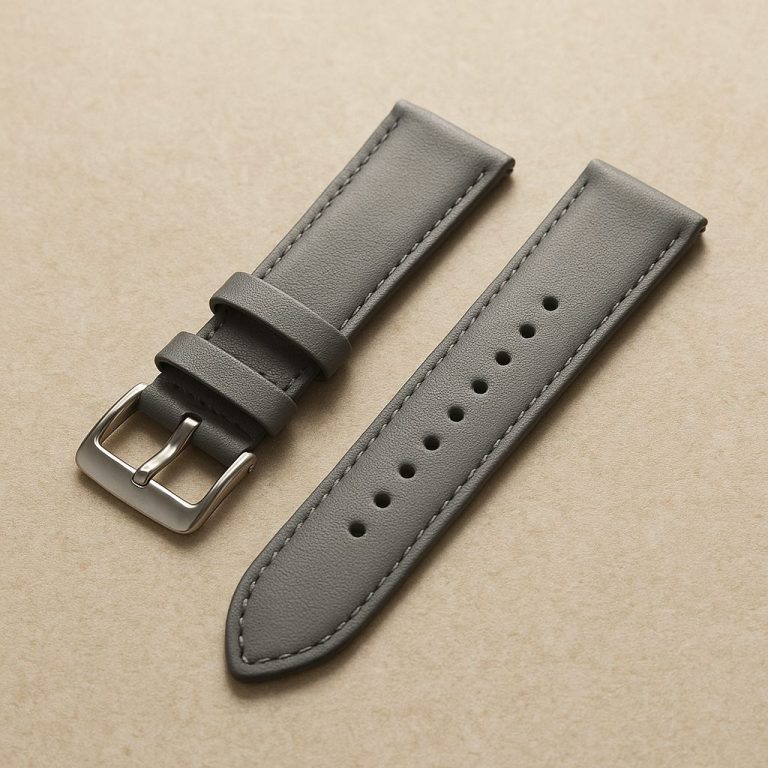
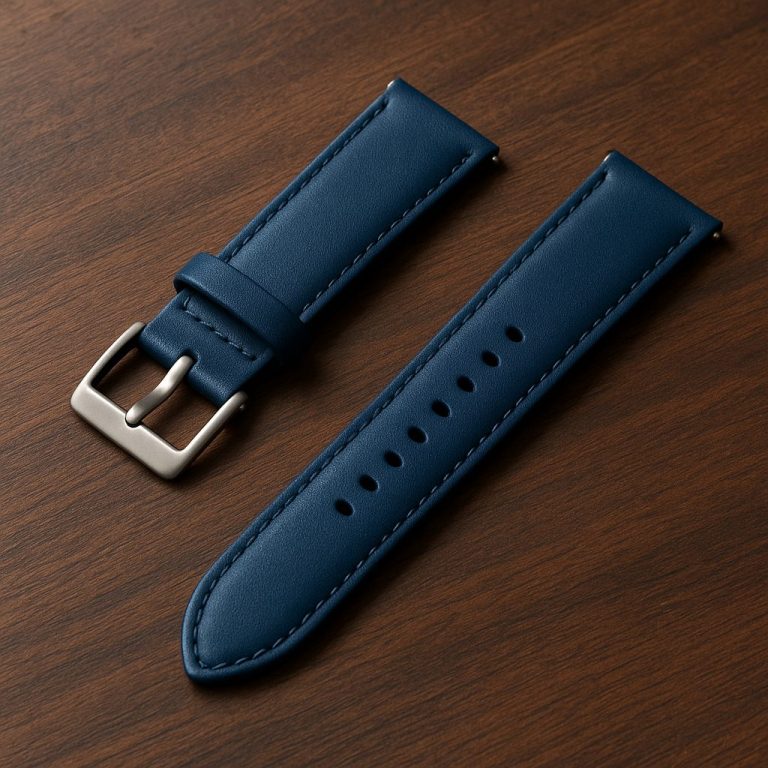
- Leather bands vary in flexibility based on the leather type, thickness, and internal reinforcement. New leather bands often start stiff but soften with wear. Thicker, heavily padded leather bands can restrict movement at first, while thinner, more supple leather adjusts quickly to wrist movements.
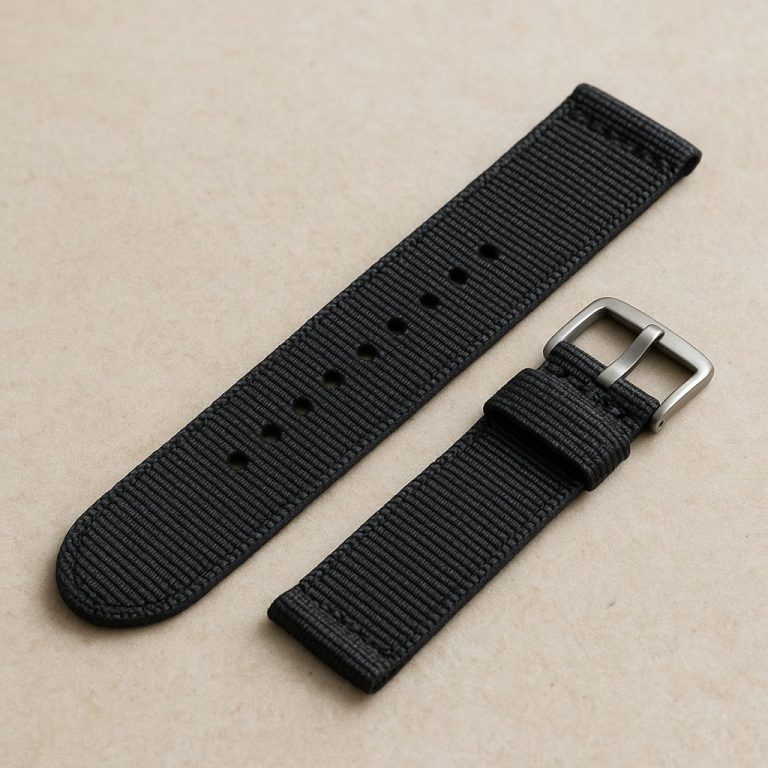
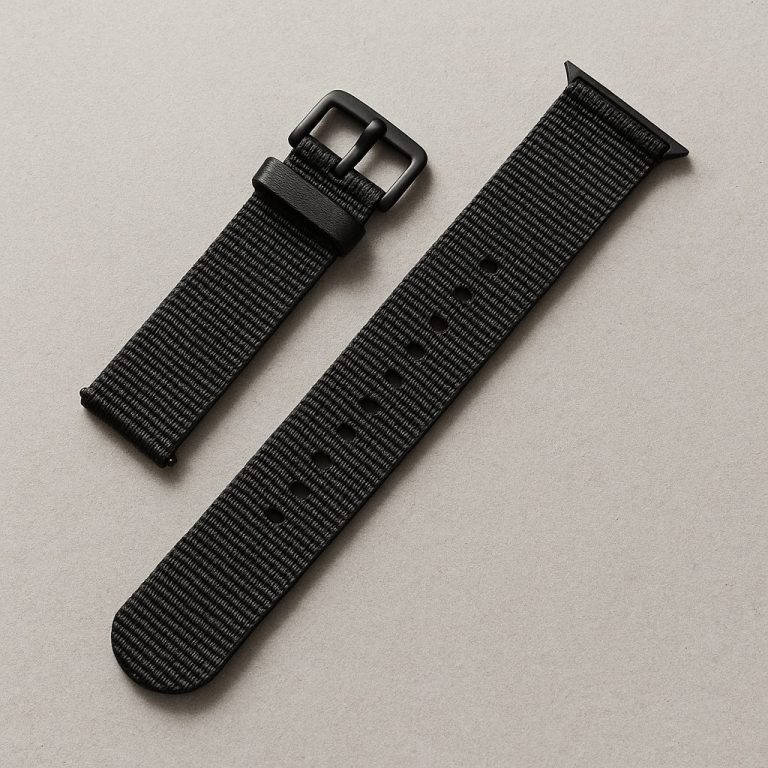
- Fabric bands, usually made from nylon or nylon blends, range widely in weave density, thickness, and elasticity. Dense, thick weaves provide more structure but can feel rigid, while softer, stretchier fabrics move more freely with the wrist. Some fabric bands, such as those with a looser weave or integrated stretch, allow for greater wrist flexibility.
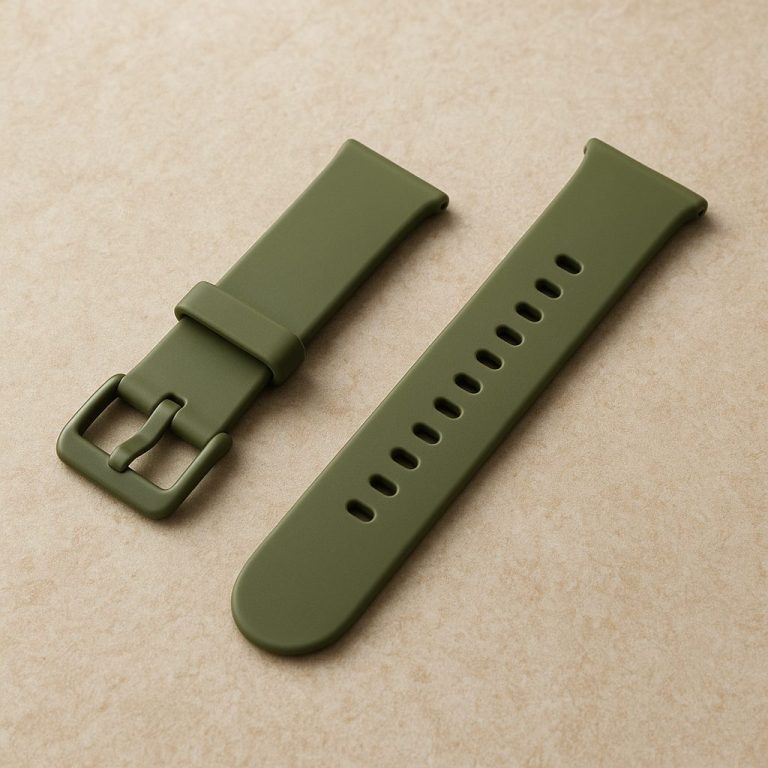
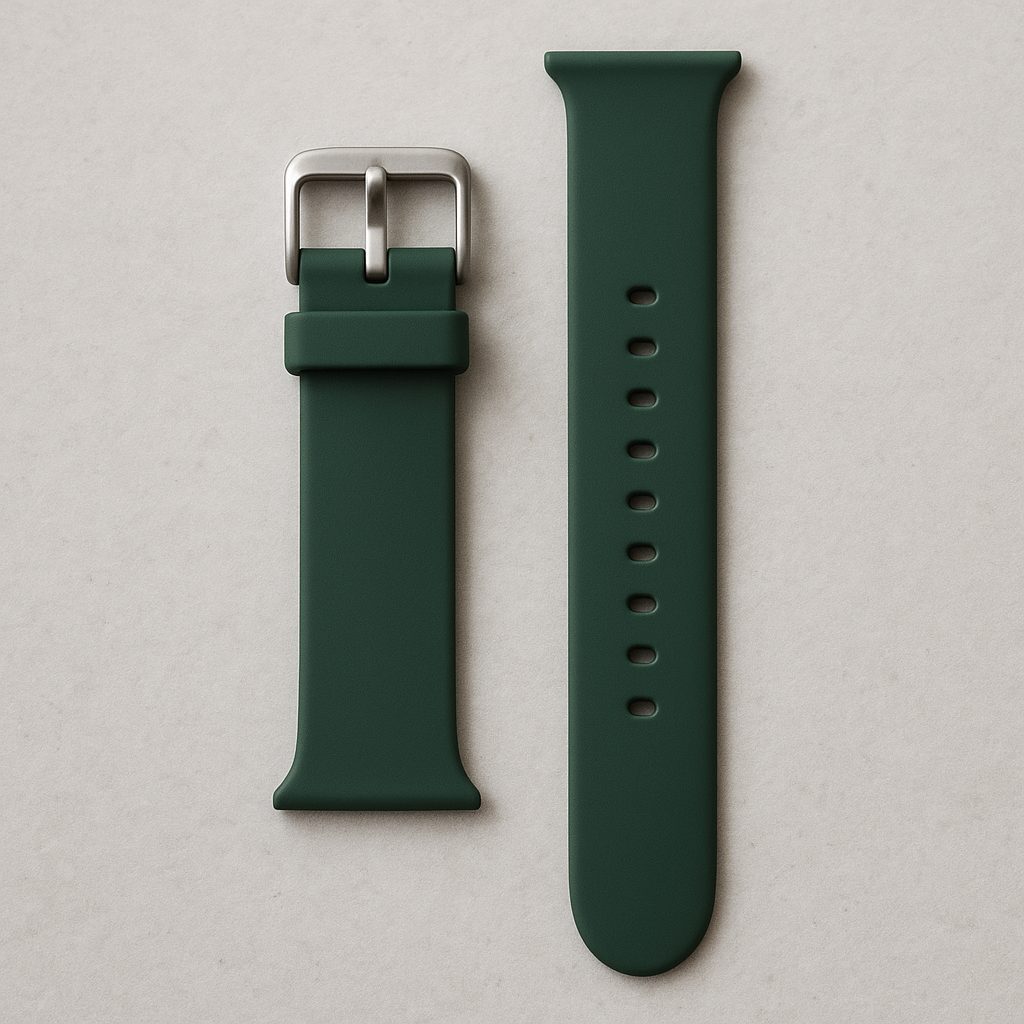
- Silicone bands are prized for their flexibility and softness. They conform closely to the wrist, stretching with movement. However, very thick or wide silicone bands can still press against the wrist during sharp bends, especially if worn too tightly.
Attachment and Adjustment Mechanisms
The way a band attaches to the watch case and how it is adjusted for size can also impact wrist movement. Most bands connect using spring bars or quick-release pins that fit between the lugs. Bands that sit too close to the case or have rigid end links can create pressure points when the wrist bends. Bands with curved ends or flexible attachment points allow for smoother movement.
Adjustment holes, clasps, and buckles influence how snugly the band fits. A band worn too tight will restrict movement and cause discomfort, while one that is too loose may slide around and become distracting. Finding the right balance is important for both security and freedom of movement.
Common Watch Band Materials and Their Impact on Mobility
| Material | Flexibility | Typical Thickness | Potential Impact on Wrist Movement |
|---|---|---|---|
| Metal (Stainless Steel) | Moderate (depends on link size and design) | Medium to thick | Can restrict movement if links are large, thick, or not well-fitted |
| Leather | Softens with use; varies by thickness | Thin to thick | Stiff when new; thinner, softer leather moves better with the wrist |
| Fabric (Nylon/Nylon Blend) | Varies (woven, stretch, dense, or thin) | Usually thin to medium | Soft, stretchy, or loose-weave bands offer high mobility |
| Silicone | Very flexible | Thin to medium | Generally allows free movement; thick bands may still press against wrist |
Fit and Sizing: Achieving Comfort Without Restriction
Even the most flexible band can feel uncomfortable if it doesn’t fit correctly. The position of the watch on your wrist matters—wearing the watch just above the wrist bone, rather than directly on it, usually improves movement. Adjust the fit so there’s enough room for one finger to slide between the band and your skin. This prevents the band from digging in when you move your wrist but keeps the watch secure.
For metal bands, removing or adding links is important for a precise fit. With leather, fabric, or silicone, use the adjustment holes or sliding clasps to fine-tune the tightness. If your wrist swells during the day, consider bands with some elasticity or stretch for adaptable comfort. For example, some nylon or silicone bands are designed with elastic sections or quick-adjust fasteners that make it easy to adapt the fit on the go.
Choosing Based on Daily Activities
The best watch band for wrist movement often depends on your typical activities. If you spend much of your day typing, a thin, supple leather or soft fabric band will minimize interference with desk work. For sports or exercise, a flexible silicone band or a stretchy nylon variant allows the wrist to bend freely. Metal bands work well for many situations, but if you notice discomfort during frequent wrist flexion (such as lifting or yoga), a softer material might be preferable.
Those who frequently wear long sleeves may also want a band that is thin and flexible, to avoid bunching or pressure when the wrist is bent. Wearing your watch slightly higher on the forearm during high-flex activities can also help reduce interference.
Practical Considerations for Band Selection
- Choose a band that matches your wrist size and shape; avoid overly wide or thick bands for smaller wrists.
- Look for bands with a degree of flexibility or stretch, especially if you need frequent wrist movement.
- Opt for bands with a tapered shape or curved ends for a more ergonomic fit.
- Check how the band attaches to the case—flexible end pieces and quick-release pins can help with comfort.
- Adjust the band to allow slight movement but avoid excess slack.
Outcome: A Band That Moves With You
Understanding how band width, thickness, material, attachment, and fit affect wrist mobility makes it easier to select a watch band that won’t get in your way. The right combination should feel secure but not restrictive, letting you move your wrist freely through daily tasks and activities. Paying attention to these factors ensures that your watch remains a comfortable and functional accessory, not a source of discomfort or distraction.