When a watch band feels loose but still leaves marks on the skin
Why a Watch Band Can Leave Marks Even When It Feels Loose
It’s not uncommon to notice marks or indentations on your wrist after removing your watch, even if the band felt loose throughout the day. This situation can be confusing—if the band isn’t tight, why does it still leave a visible impression on your skin? Understanding the causes of this issue can help you adjust your watch for greater comfort and reduce unwanted marks.
How Watch Bands Interact with the Wrist
The way a watch band sits on your wrist depends on several factors: the material of the band, the shape of your wrist, how your wrist moves during daily activities, and even changes in body temperature or humidity. Watch bands don’t just stay in one place; they can shift, flex, and apply varying pressure at different points during the day.
Even when a band feels loose while your wrist is at rest, movement or swelling can create temporary pressure points. For example, typing, gripping objects, or flexing your wrist can cause a loose band or the watch case itself to press momentarily into your skin, leaving behind marks despite the overall fit feeling slack.
The Role of Watch Band Materials
Different materials interact with the skin in unique ways, influencing how likely they are to leave marks even when not tightly fastened:
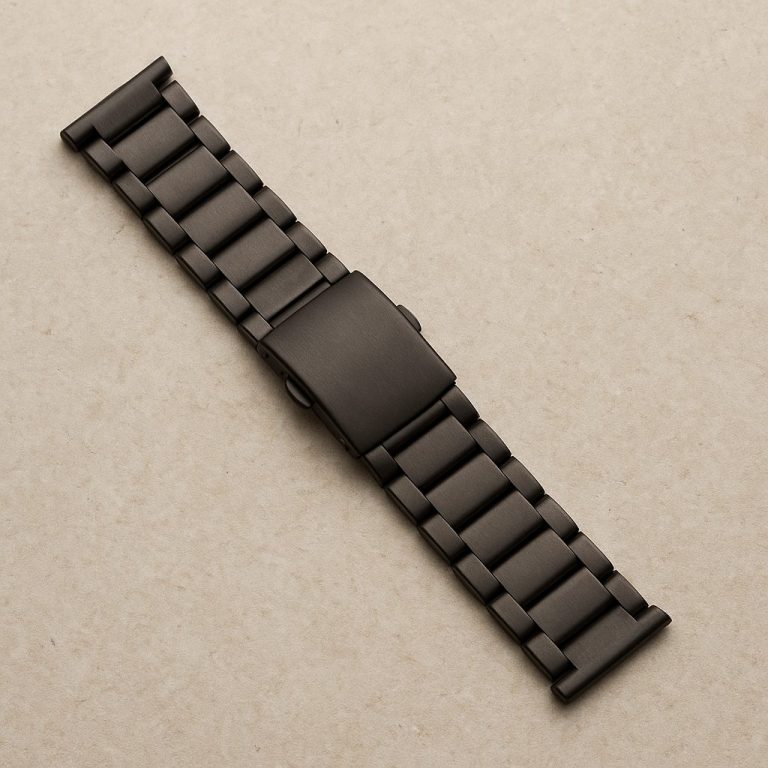
- Metal Bands: Most metal watch bands are made from stainless steel due to its durability and resistance to corrosion. Metal links do not stretch, so a band that seems loose may still have segments that pinch or press against the skin, especially near the clasp or where the links flex around the wrist’s curve. The weight of the watch can also cause it to shift, creating intermittent pressure.
- Leather Bands: Leather is flexible but can be stiff when new. As it bends around the wrist, it may form creases that temporarily press into the skin. Leather can also absorb moisture, leading to slight swelling or hardening, which can increase pressure points.
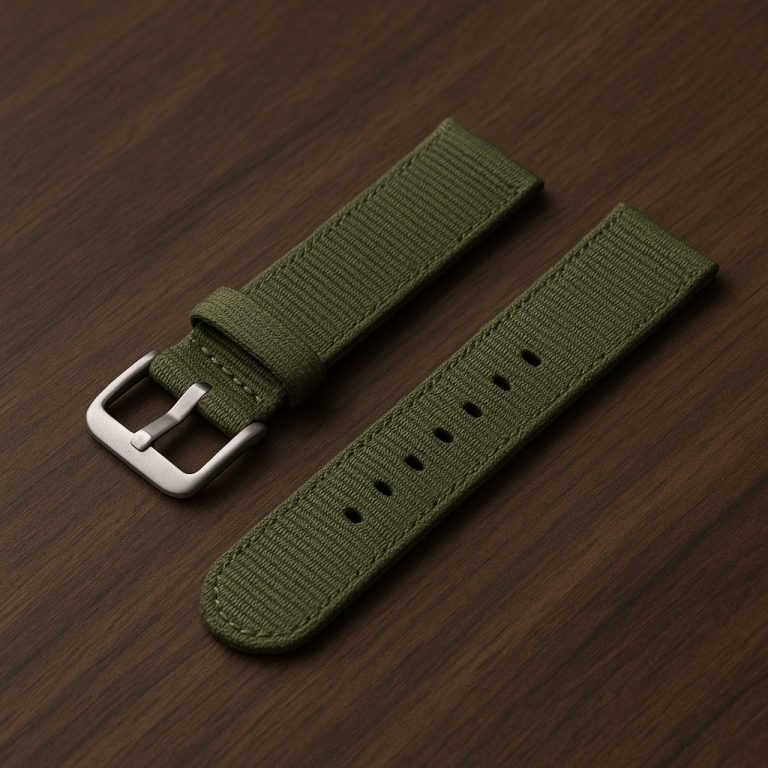
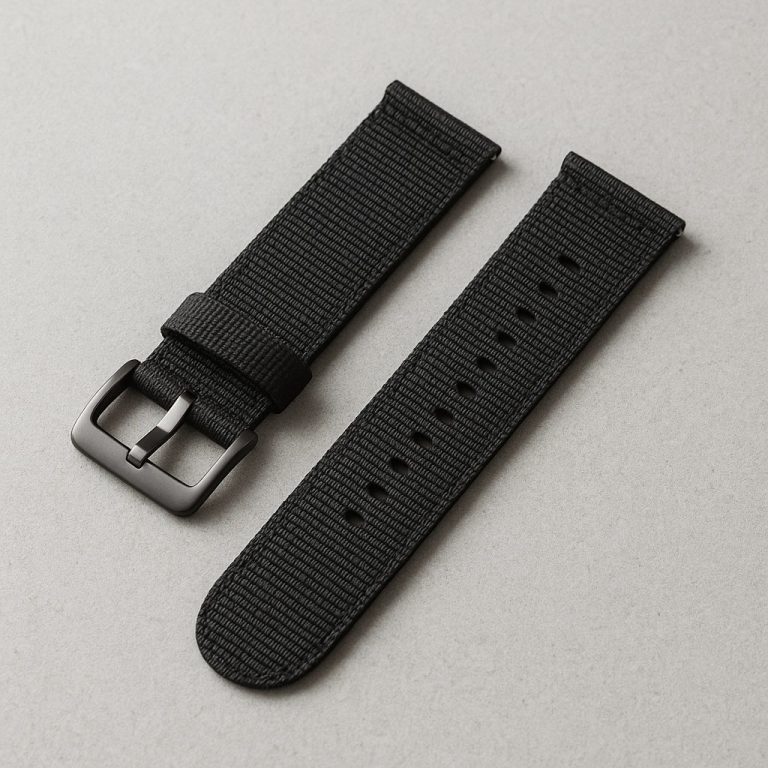
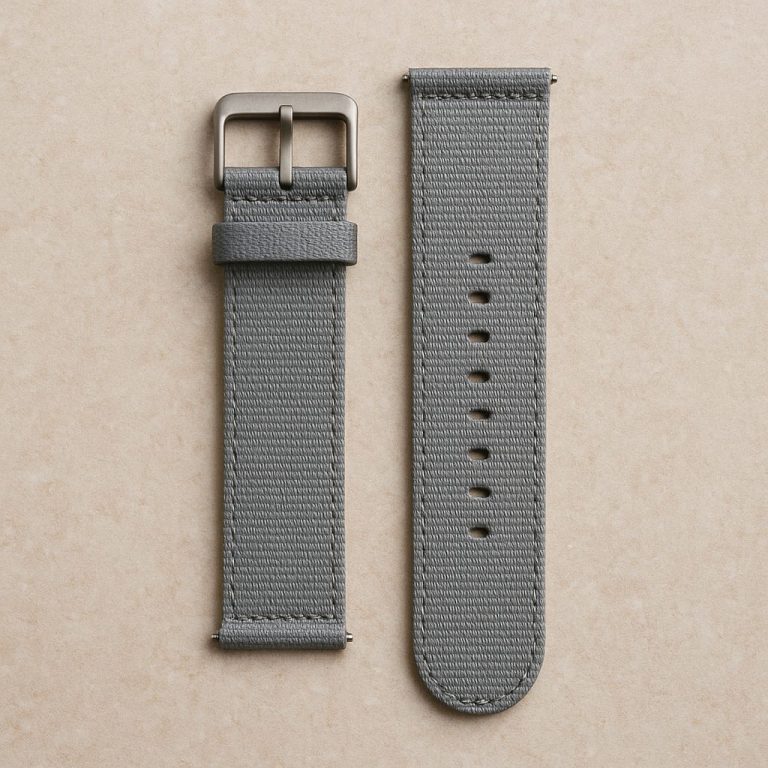
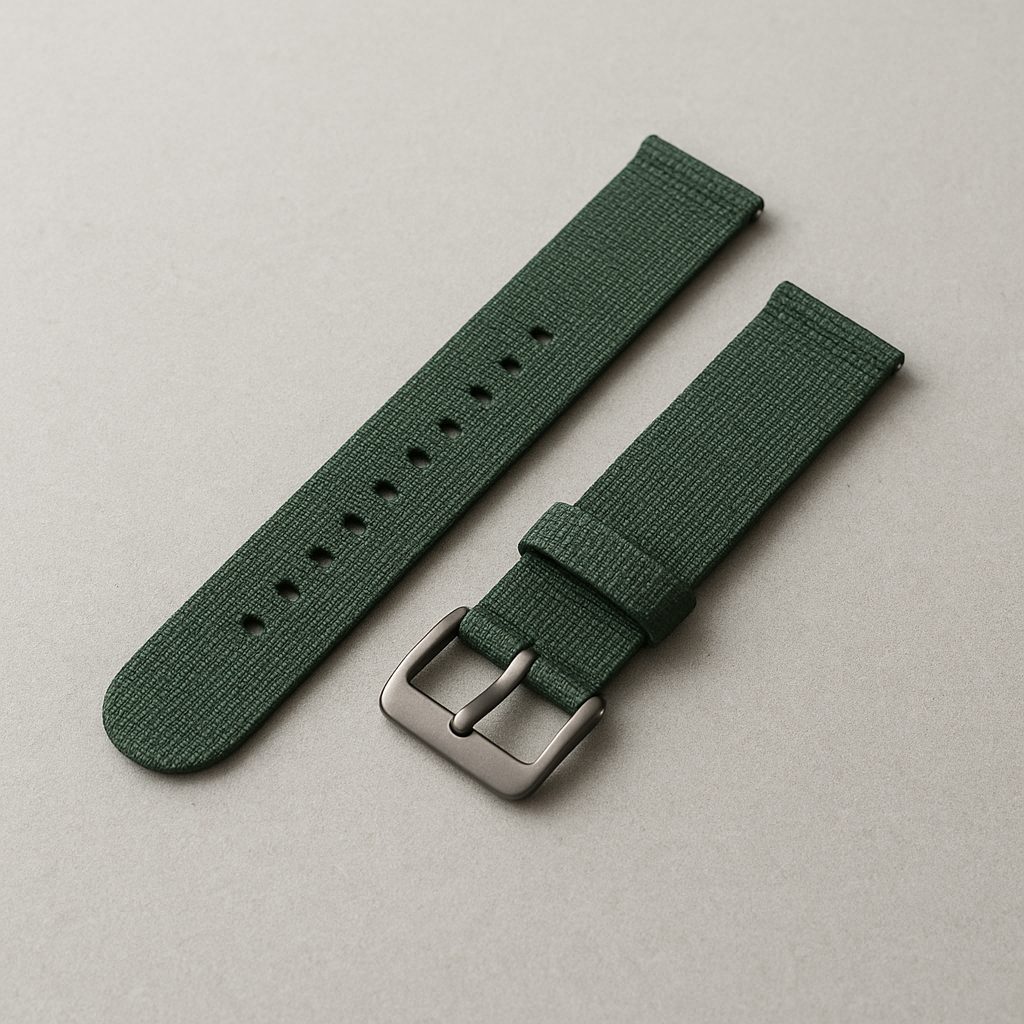
- Fabric Bands: Most fabric bands are made of nylon or a nylon blend. The weave density, thickness, and elasticity vary; some weaves are stiffer, while others are softer and more flexible. A thicker or tightly woven nylon band can leave more noticeable impressions, especially if the edges are not rounded or if the band is wider. Even a stretchy fabric may bunch or twist, causing lines or marks.
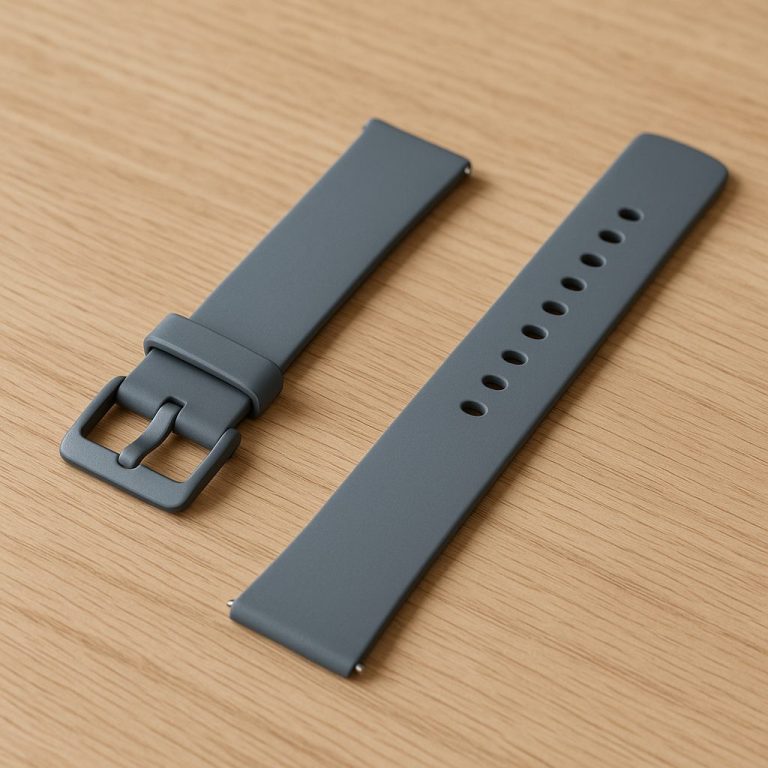
- Silicone Bands: Silicone is soft and flexible but can sometimes cause suction-like marks, especially on warmer days or during physical activity, as sweat and skin oils collect under the band. Silicone bands can also shift more, creating friction along the skin.
Factors That Influence Skin Marks Despite a Loose Fit
Several additional factors can explain why marks appear even when a watch band is not tight:
- Localized Pressure: Even if the overall fit is loose, certain parts of the band or watch case, such as clasps, buckles, or lugs (the protruding parts of the watch case where the band is attached using spring bars or quick-release pins), may press more firmly against the skin during movement.
- Band Movement: A loose band can slide back and forth on the wrist. This repeated motion may cause friction, which can lead to redness, indentations, or even minor irritation, especially if the band material is textured or rigid.
- Wrist Shape and Anatomy: Not all wrists are perfectly round. Bony areas and areas with less soft tissue are more likely to show marks from localized pressure, even with a looser band.
- Skin Sensitivity: Some people have more sensitive skin, which can react more noticeably to light or brief pressure. Hydration levels and skin oils can also influence how easily marks develop.
- Swelling and Temperature Changes: Wrists can swell slightly throughout the day due to heat, humidity, or activity. A band that feels loose in the morning might become snug by evening, leading to temporary indentation.
Comparing Band Materials and Their Tendency to Leave Marks
The likelihood of a watch band leaving marks while still feeling loose can differ by band material. This table summarizes the main characteristics:
| Band Material | Common Features | Tendency to Leave Marks When Loose |
|---|---|---|
| Metal (stainless steel) | Rigid, segmented links, non-stretch | Moderate to high—pressure from links, clasp, or shifting weight |
| Leather | Flexible, may be stiff when new, absorbs moisture | Moderate—edges and creases can press into skin |
| Fabric (nylon blends) | Varies in weave, thickness, and flexibility | Low to moderate—can leave impressions, especially with thick or stiff weaves |
| Silicone | Soft, flexible, non-absorbent | Low to moderate—can cause suction or friction marks |
Practical Steps to Reduce Marks Without Overtightening
There are a few practical adjustments that can help minimize marks while keeping your watch comfortable:
- Check for Proper Placement: The watch should sit above the wrist bone (ulnar styloid) for most people. Wearing it too close to the hand can cause more movement and pressure during daily activities.
- Adjust Band Sizing: For metal bracelets, adding or removing links may help distribute weight more evenly. For leather, fabric, or silicone bands, use the adjustment holes to find a balance—snug enough to prevent excessive sliding but not so tight as to restrict circulation.
- Inspect for Stiff Edges or Hardware: Examine the band’s edges, stitching, or hardware like buckles and clasps. If these are rigid or rough, they may be the source of pressure marks. Some bands can be softened by gentle use or, in the case of leather, treated with a conditioning product designed for the material.
- Switch to a Softer or More Flexible Band: If marks persist, consider trying a band with softer, more flexible materials or a finer weave. Some fabric bands, for example, use a looser or more elastic weave, which can be gentler on the skin than stiffer nylon blends.
- Clean the Band and Skin Regularly: Skin oils, sweat, and debris can build up under the band, especially with silicone or fabric, increasing the likelihood of irritation. A quick rinse and dry can help prevent this.
Key Takeaway
When a watch band feels loose but still leaves marks, it’s usually due to intermittent pressure, shifting, or the characteristics of the band’s material and design. Paying attention to band fit, material flexibility, and how the watch sits on your wrist can help reduce unwanted skin impressions, leading to a more comfortable wearing experience without overtightening.