How to identify the right watch band length for different wrist sizes?
Determining the Right Watch Band Length for Your Wrist Size
Finding the perfect watch band length can significantly enhance comfort and style. A band that is too tight can cause discomfort, while one that is too loose may slip off or look unkempt. Understanding how to measure your wrist and selecting the appropriate band length based on your size can make all the difference.
Measuring Your Wrist Size
Before selecting a watch band, it is essential to know your wrist size. Here’s a simple way to measure:
- Take a flexible measuring tape or a piece of string.
- Wrap it around your wrist just above the wrist bone where the watch will sit.
- Mark or note the measurement where the tape or string overlaps.
- If using string, measure the length against a ruler.
For accuracy, it’s advisable to measure your wrist at the end of the day when it may be slightly larger due to fluid retention. Consider measuring a couple of times to ensure consistency.
Selecting the Right Band Length
Once you have your wrist measurement, refer to the following guidelines to help determine the appropriate band length:
- Small wrists (less than 6.5 inches): Look for bands designed for smaller sizes, often labeled as ‘small’ or ‘petite.’
- Medium wrists (6.5 to 7.5 inches): Most standard bands will fit within this range. Choose a standard size band.
- Large wrists (7.5 to 8.5 inches): Opt for bands that specifically indicate a larger size.
- Extra-large wrists (over 8.5 inches): Seek out adjustable bands or those labeled as ‘extra-large.’
Many manufacturers provide band length specifications, so reviewing these details before making a selection is beneficial.
Understanding Band Adjustability
Different types of watch bands offer various levels of adjustability, which can be crucial for achieving the right fit:
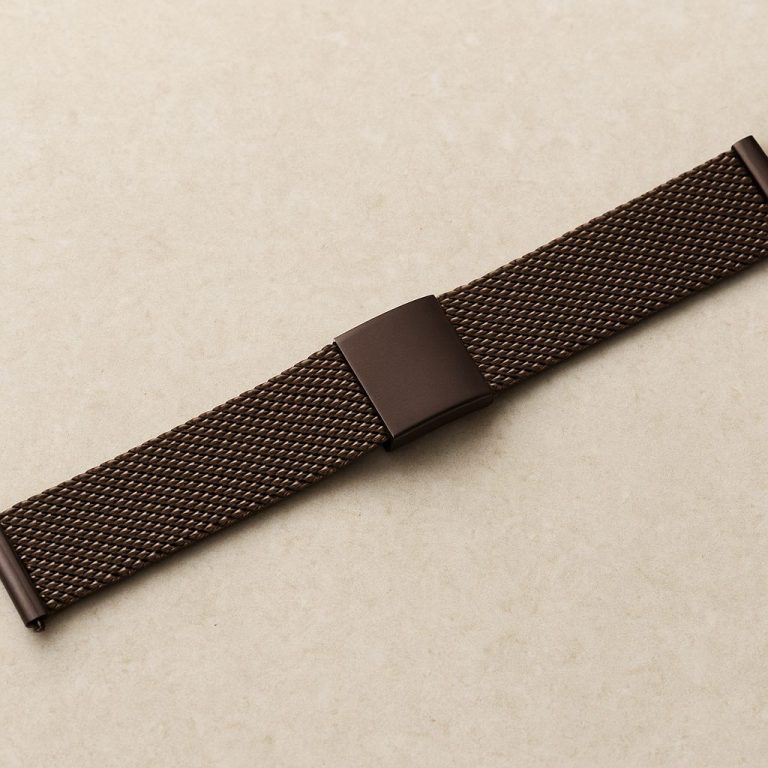
- Metal bands: Many have removable links, allowing you to customize the length. A jeweler or watch professional can assist with resizing if needed.
- Leather bands: These often have multiple holes for adjustment and can be cut to size in some cases, depending on their design.
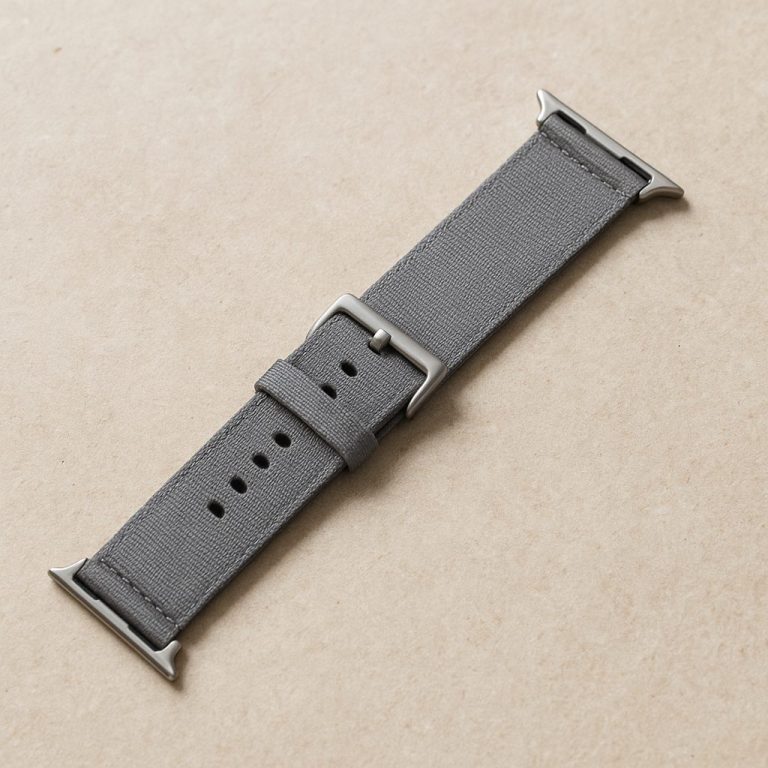
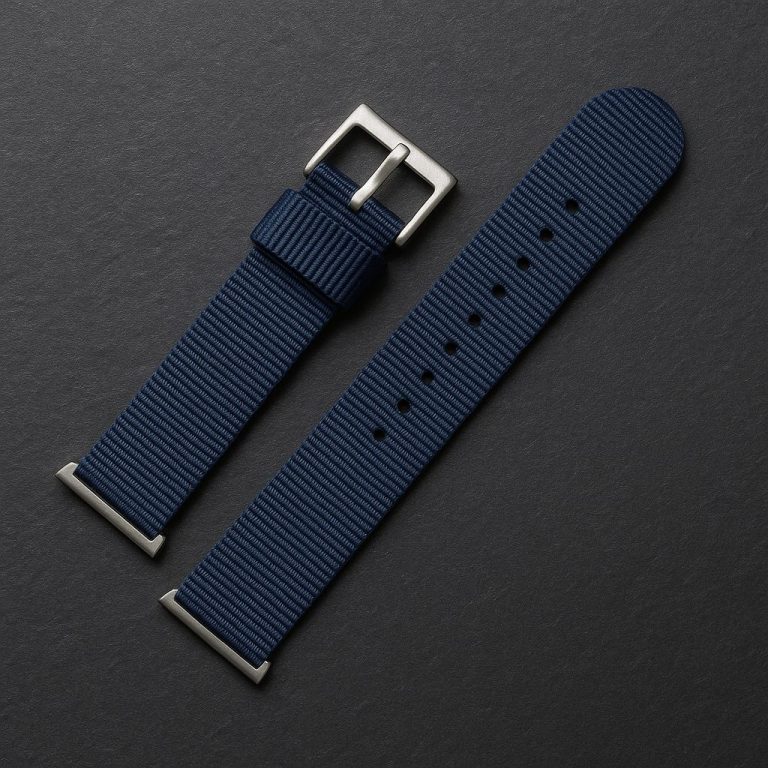
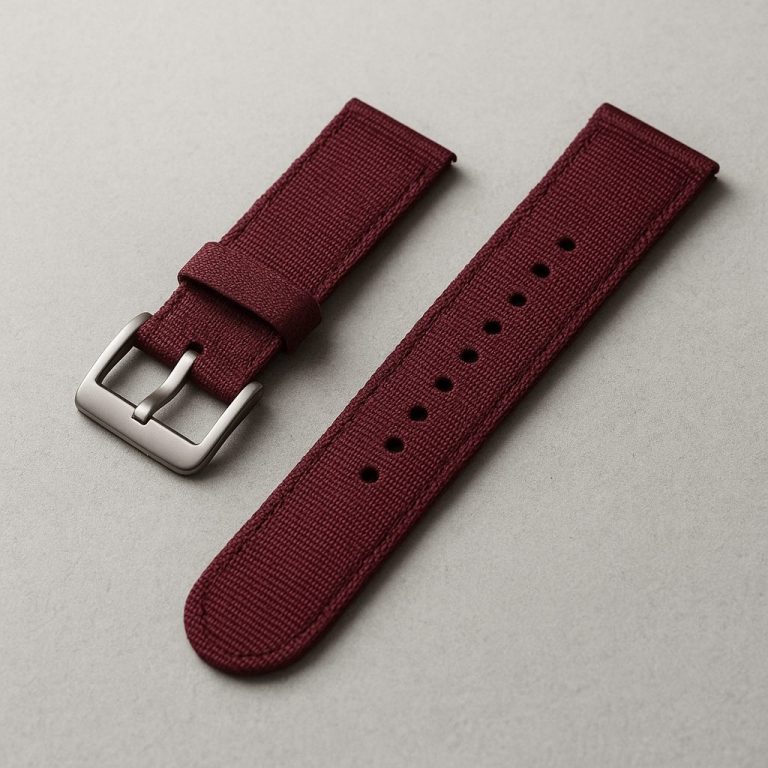
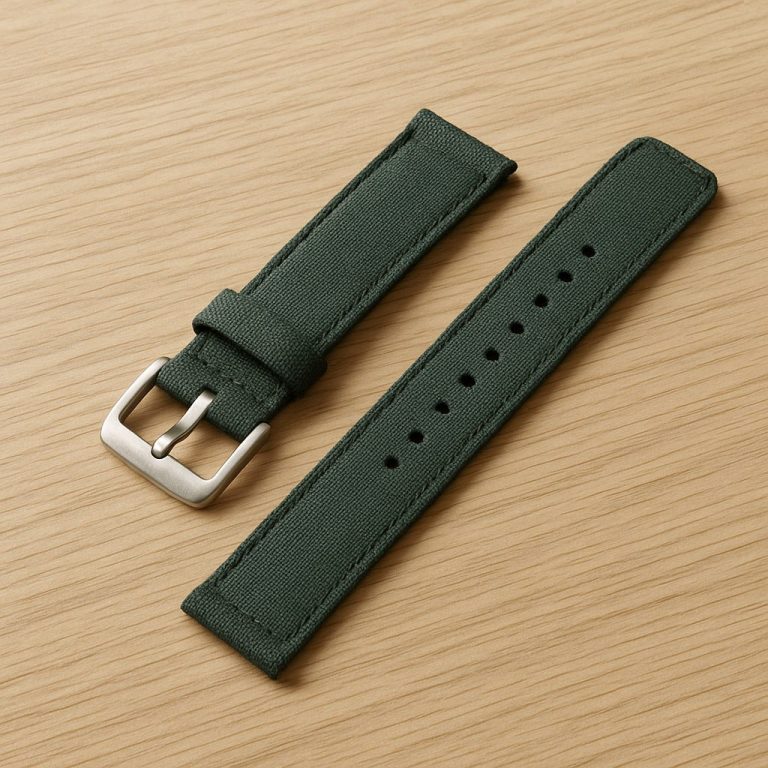
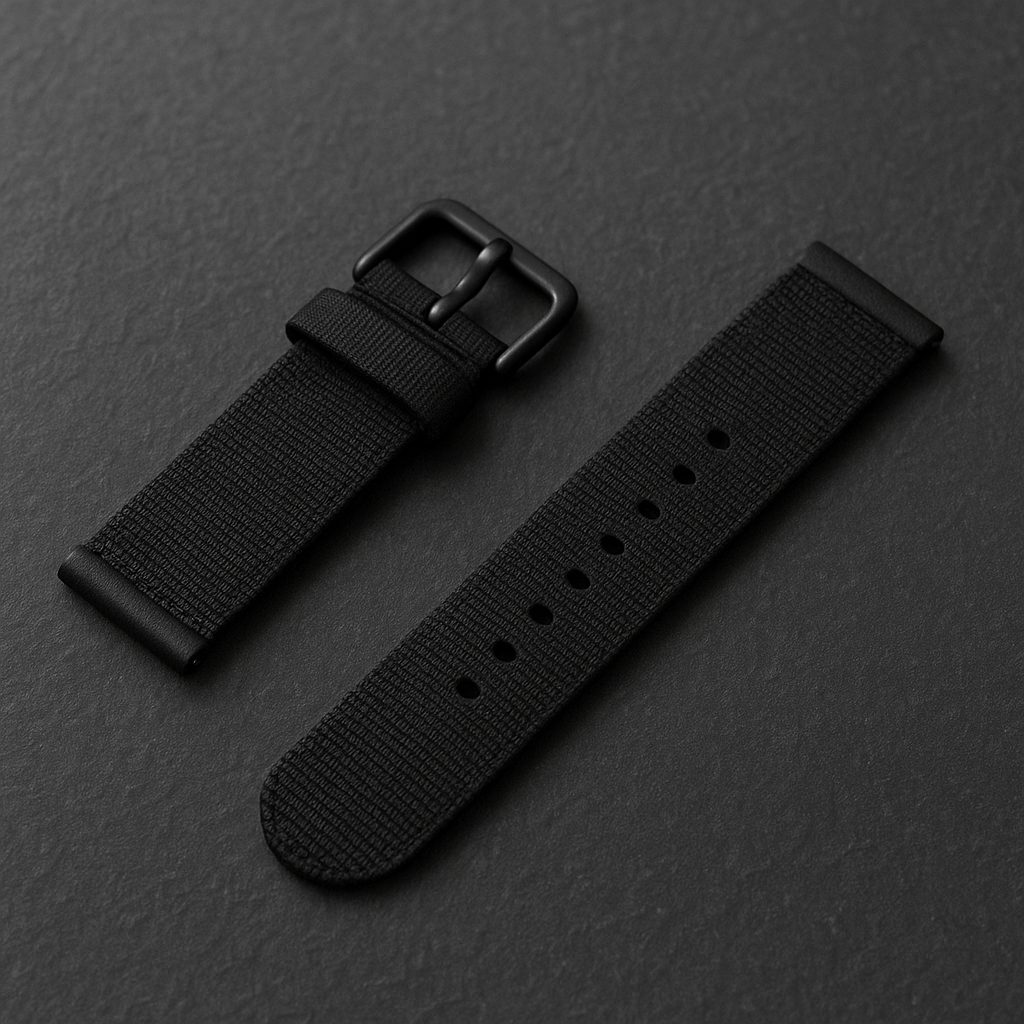
- Fabric bands: Most fabric bands, commonly made from nylon or blends, often feature adjustable closures like buckles or hook-and-loop fasteners, offering flexibility in sizing.
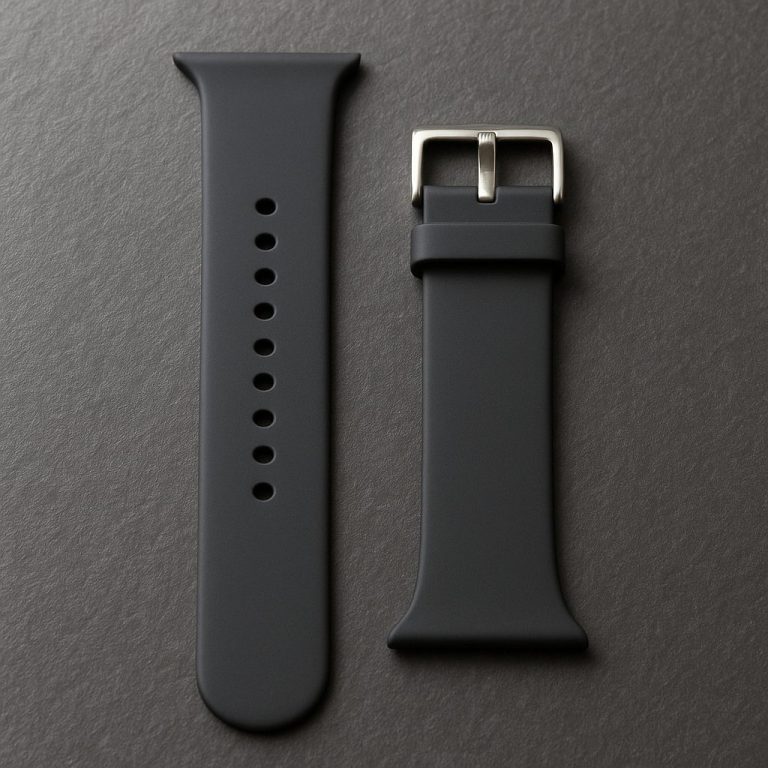
- Silicone bands: Typically have several notches for a customized fit, making them easy to adjust to different wrist sizes.
Choosing Band Material
Understanding the material of the watch band is also important, as it can affect both fit and comfort:
- Metal: Stainless steel is a common choice due to its durability. While metal bands can be heavier, they often provide a more formal look.
- Leather: Leather bands can be stylish and comfortable. They may stretch slightly over time, so allow for some give when selecting the length.
- Fabric: Fabric bands come in various weaves and textures. Their adjustability and lightweight nature make them ideal for casual wear.
- Silicone: These bands are flexible and comfortable, suitable for active wear. They can easily adapt to wrist movements.
Practical Tips for Achieving the Best Fit
Once you have chosen a band, consider these practical tips for ensuring the best fit:
- Wear the watch at different times of the day. Your wrist size may change slightly throughout the day.
- Ensure that the watch sits comfortably on the wrist without sliding too much. A good rule of thumb is that you should be able to fit one finger comfortably under the band.
- Try on the watch before committing to the band if possible. This allows you to assess comfort and fit directly.
Final Considerations
Choosing the right watch band length involves measuring your wrist accurately and understanding the different options available. By considering wrist size, band adjustability, and material, you can ensure that your watch not only looks great but feels comfortable as well.
Ultimately, taking the time to select the right band length will enhance your overall experience with the watch, making it a more enjoyable accessory in your daily life.