Why some watch bands seem easier to pair with different watches than others
Why Some Watch Bands Match More Easily with Different Watches
Swapping a leather band from a classic-looking watch onto a sportier case can sometimes look surprisingly natural, while a brightly colored silicone band might clash with a dress watch. At times, certain bands seem to work effortlessly across various watches, while others never seem quite right outside their original pairing. This difference often comes down to how the band’s design interacts visually and functionally with the watch case, rather than just the size or attachment method.
Visual Versatility: How Design Affects Compatibility
One of the primary reasons some watch bands pair easily with different watches is their visual neutrality. Neutral colors, simple textures, and classic materials tend to create a seamless transition between different watch styles. In contrast, bands with distinctive patterns, high-gloss finishes, or unique shapes can limit their compatibility.
Color and Finish
Bands in black, brown, gray, or navy often blend well with a wide range of watch cases, regardless of whether the case is silver-toned, gold-toned, or coated in a darker finish. For example, a matte black leather band can suit both a polished dress watch case and a brushed metal sports case. On the other hand, brightly colored silicone bands or high-shine metal bracelets can draw attention to themselves or highlight contrasts that may not suit every watch.
Material and Texture
Material plays a significant role in visual compatibility:
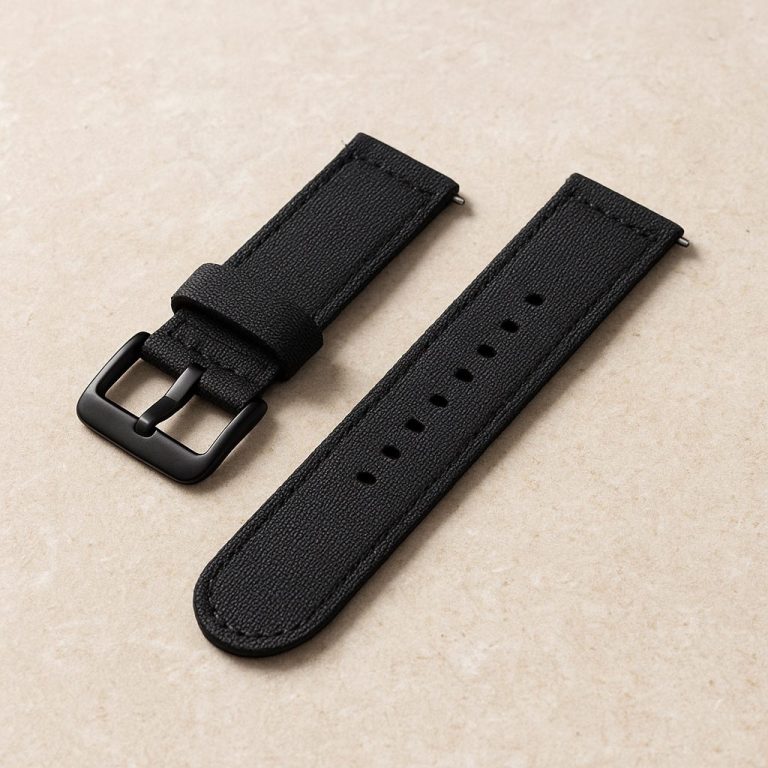
- Leather bands are generally versatile, especially when finished in understated colors and subtle textures. Smooth or lightly grained leather can appear at home on both formal and casual watches, while heavily textured or stitched leather may only suit sportier or vintage-inspired models.
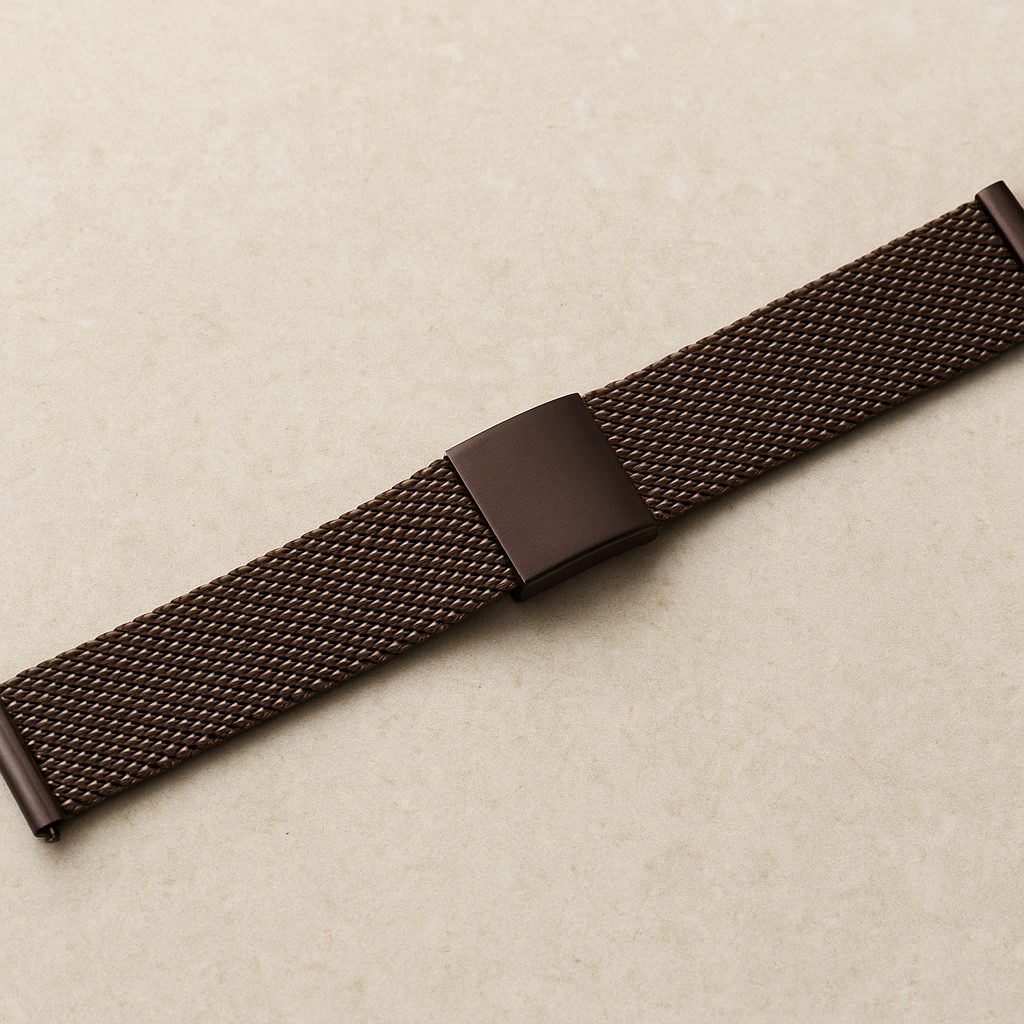
- Metal bands—most commonly made from stainless steel for its durability—work best when their finish (brushed, polished, or matte) matches or complements the watch case. Simple, flat-link bracelets or mesh bands tend to pair with more watches than ornate or highly stylized metal bands.
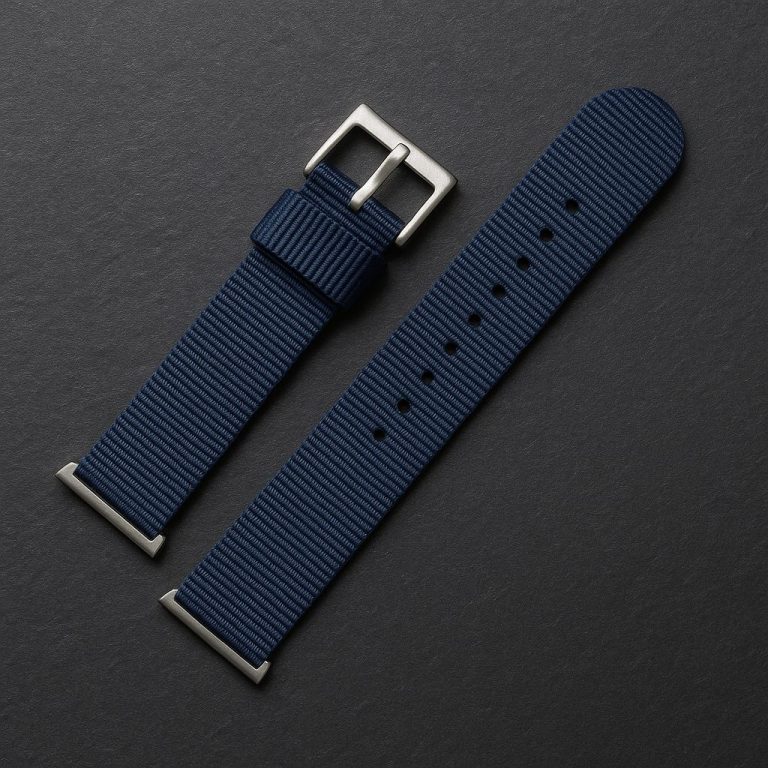
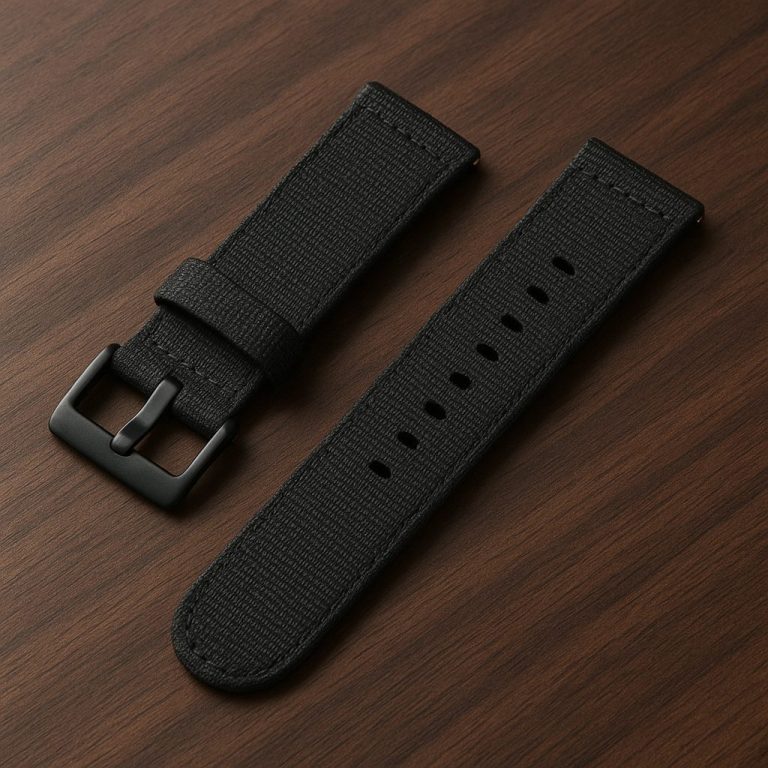
- Fabric bands, usually made from nylon or nylon blends, offer adaptability through their understated weave and color selection. Bands with a fine, uniform weave in neutral shades easily shift between different watches, while thick, elastic, or boldly patterned fabric bands may be less adaptable.
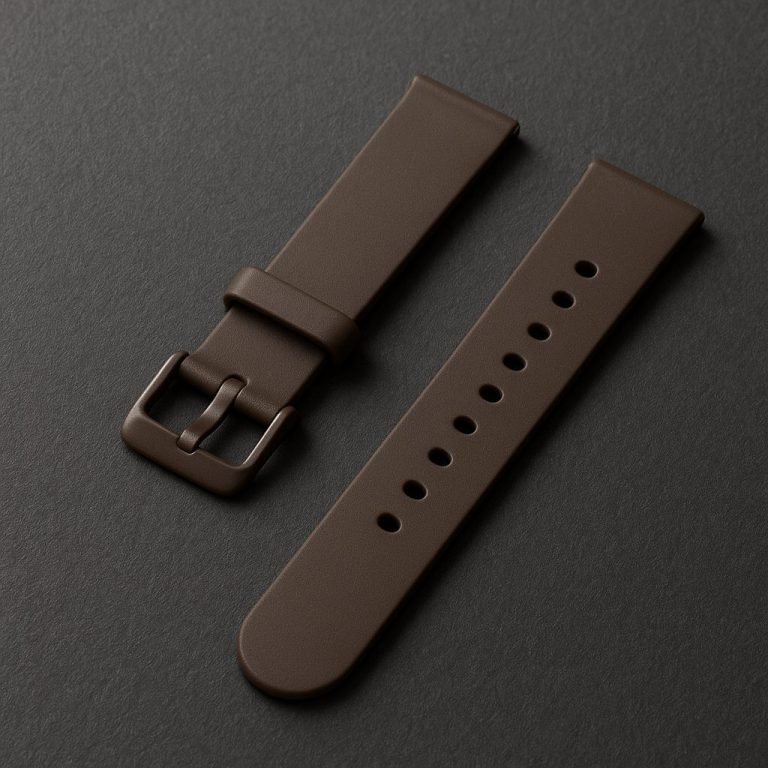
- Silicone bands are practical and comfortable but often stand out visually, especially if brightly colored or heavily textured. Their sporty look can limit suitability to casual or athletic watches, while plain, dark silicone may fit a broader range of cases.
Functional Fit: How Band Shape and Construction Influence Pairing
Beyond appearance, the way a band is constructed can also affect how easily it matches with different watches. Some design elements either minimize or accentuate the transition between the band and the watch case.
Band Width and Taper
Bands with a consistent width from lug to buckle present a straightforward, balanced look that suits most watches. Tapered bands—those that narrow toward the buckle—are common on dressier watches but also work well with cases that have a slimmer profile. An extremely wide or unusually shaped band may overwhelm smaller cases or look mismatched with delicate watch designs.
Edge Profile and Padding
Flat, unpadded bands tend to blend more smoothly between different watch styles, while thickly padded or heavily contoured bands may only make sense on robust sports or tool watches. Stitching can also affect adaptability: minimal or tone-on-tone stitching is less visually intrusive than contrasting or prominent stitching patterns.
Attachment Design
While the way a band attaches to the watch (such as with spring bars or quick-release pins) is usually hidden, the end shape of the band where it meets the watch case can affect overall compatibility. Straight-end bands are the most versatile, fitting easily with almost any case shape. Bands with curved ends or integrated shapes are often designed for specific cases, making them less adaptable to other watches.
Why Simplicity Favors Versatility
Bands with minimal decoration, simple buckles or clasps, and neutral materials generally avoid drawing focus away from the watch face. This allows the watch itself to remain central, while the band serves as a subtle frame. For instance, a flat, matte-finish leather band with a standard buckle can transition from a vintage-inspired field watch to a sleek, modern case without visual conflict.
Quick Reference: Visual and Functional Adaptability Table
| Band Type | Visual Adaptability | Functional Adaptability |
|---|---|---|
| Plain Leather | High—neutral, simple finish | High—fits many lugs, flexible width |
| Textured Leather | Medium—texture can limit pairing | Medium—may suit specific styles |
| Stainless Steel Bracelet | Medium—finish must match case | Medium—end shape affects fit |
| Nylon Fabric (plain weave) | High—neutral color blends well | High—flexible, fits most lugs |
| Bold Silicone | Low—sporty, limited color range | High—easy to fit most watches |
| Curved-End or Integrated Band | Low—designed for specific cases | Low—rarely fits other watches |
Applying These Principles: Choosing Bands for Versatility
When looking for a watch band that can move between different watches, prioritize understated colors, simple textures, and classic shapes. For example, a navy nylon band with a tight weave can work with both a field watch and a minimalist dress watch, especially if both cases are similar in finish. Similarly, a slim, flat black leather band can shift from a casual to a formal style with minimal visual conflict.
Pay attention to how the band’s end shape matches the case’s lugs. Straight-ended bands with standard spring bar attachments are much more likely to fit a variety of watches than bands shaped for a specific case profile.
Choosing bands with subtle hardware—such as a plain stainless steel buckle—also helps reduce style clashes, as the hardware does not compete with the watch’s own case design.
Practical Outcome: Combining Watches and Bands Seamlessly
Bands that pair easily with different watches usually do so because their design minimizes visual and functional conflicts. Neutral materials, understated colors, and simple shapes allow the band to support a range of watch styles without drawing unintended attention. By focusing on these design features, it becomes easier to mix and match bands and watches for different occasions, making the most of a watch collection without the frustration of mismatched looks or awkward fits.