How your lifestyle can quietly change what you want from a watch band
Noticing Subtle Shifts: How Daily Life Alters Watch Band Preferences
After moving from a traditional office job to working from home, you might find your metal watch band feels unnecessarily heavy, or perhaps a leather band feels stiff against your wrist as you type for hours. Small lifestyle changes—like increased activity, different work environments, or even changes in wardrobe—can quietly reshape what you want from your watch band, often before you’re even aware of it.
How Lifestyle Changes Affect Watch Band Choices
Our routines influence how we interact with the things we wear. A watch band that once seemed perfect can suddenly feel out of place when daily habits or environments change. These shifts can be subtle: a change in climate, a new exercise routine, or even just spending more time outdoors. Each adjustment brings different needs for comfort, durability, and appearance.
Work Environment and Comfort
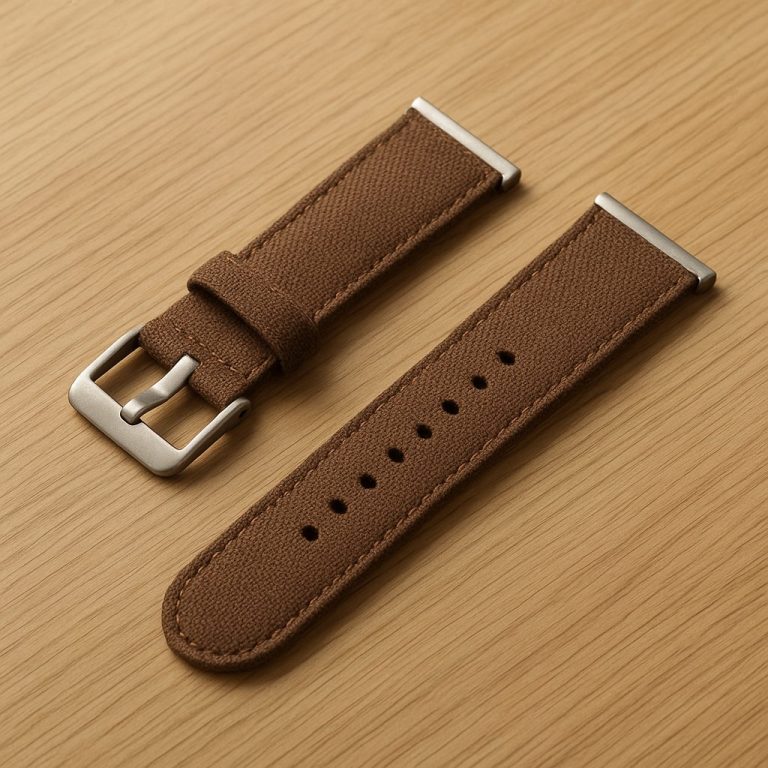
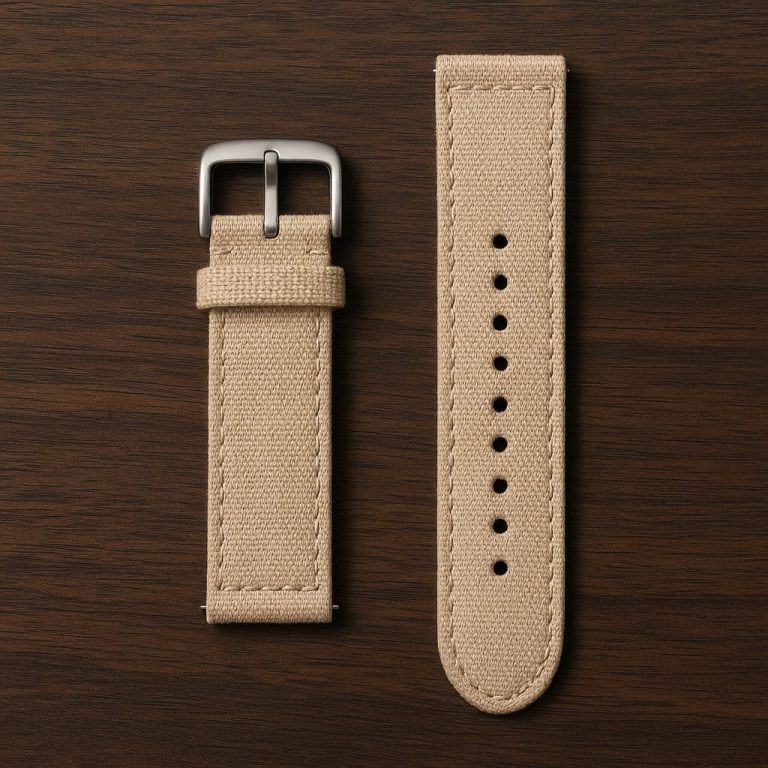
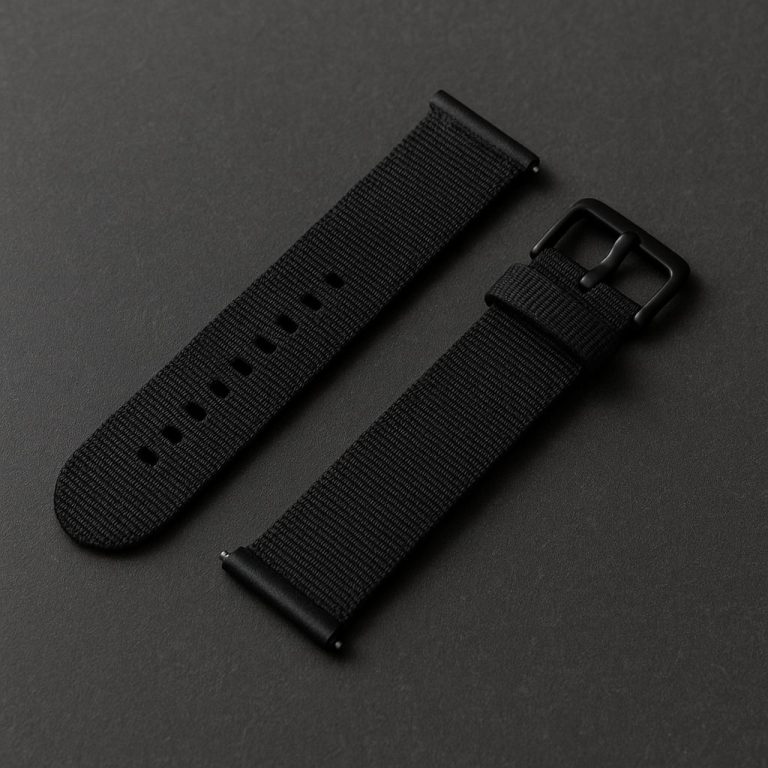
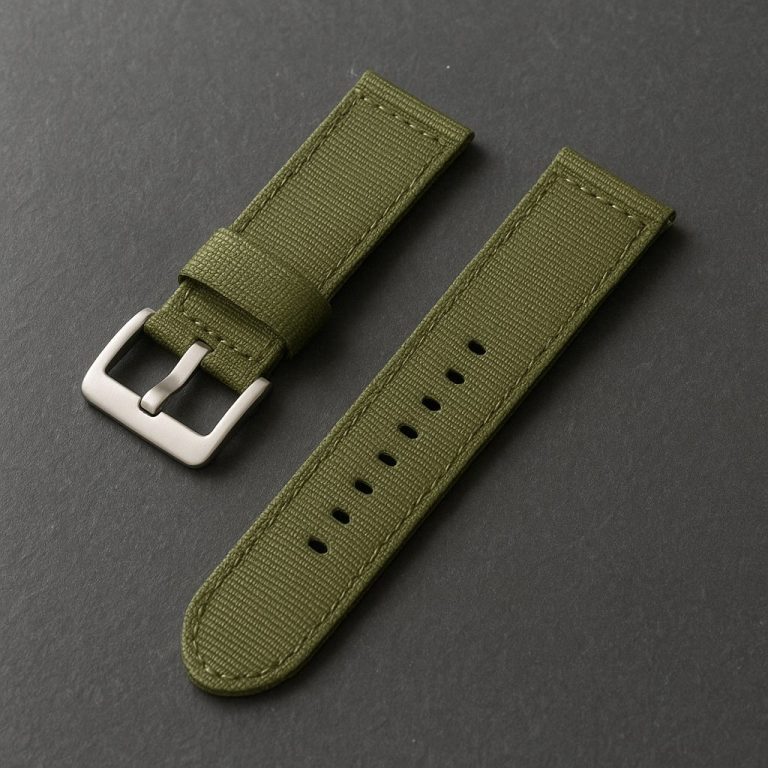
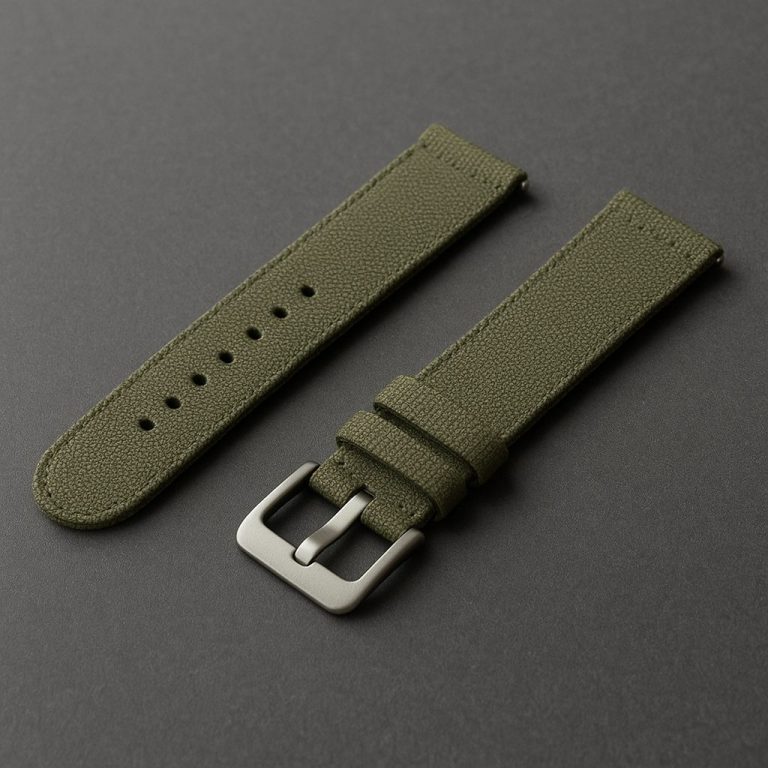
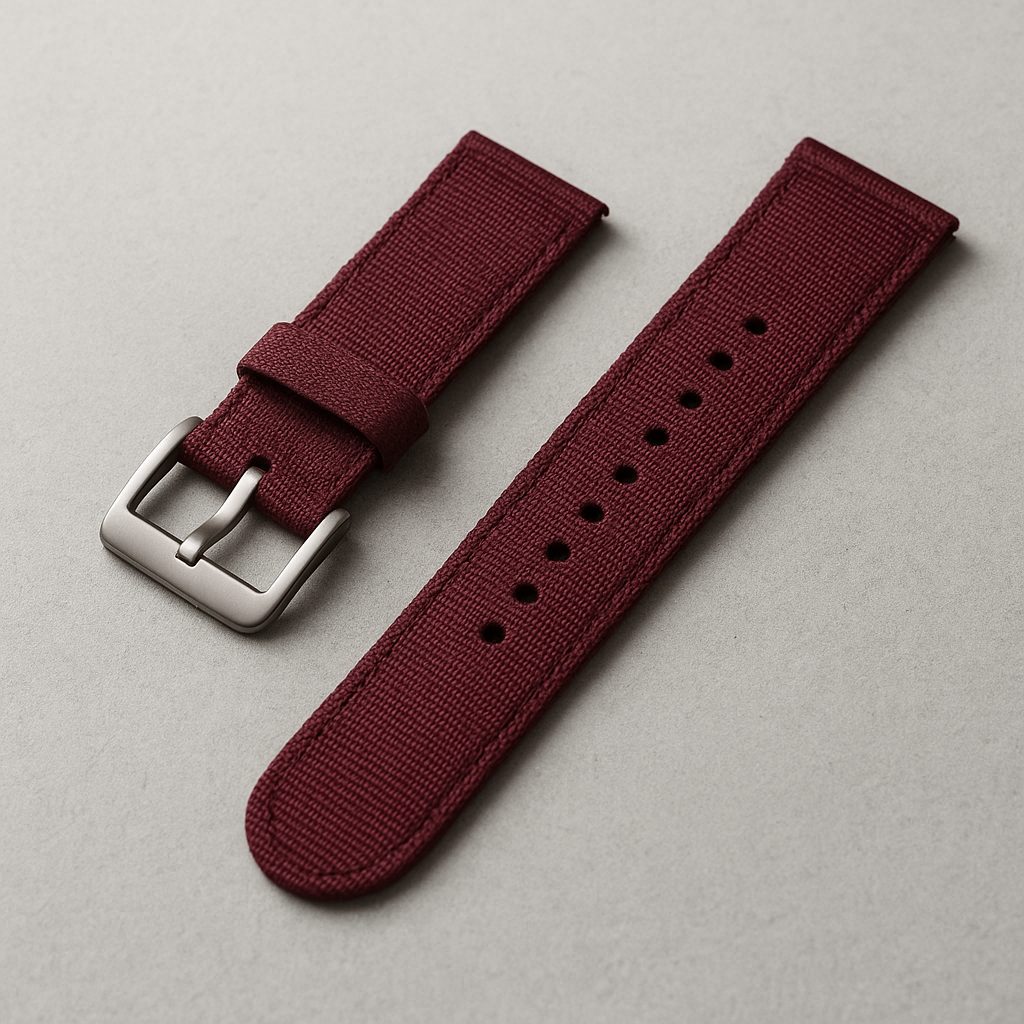
Transitioning between office, home, and outdoor settings can highlight new comfort priorities. For example, spending long hours typing at a desk may make a rigid metal bracelet or a thick leather strap feel uncomfortable, especially if the band presses into your wrist. On the other hand, flexible silicone bands or soft nylon fabric straps—often made from woven or blended nylon—can provide a lighter, less obtrusive feel that better suits extended periods of desk work.
Activity Level and Durability
A more active lifestyle may shift your focus toward durability and sweat resistance. Silicone bands stand out in this context for their resilience and easy cleaning—qualities that appeal to those who exercise or spend time in humid environments. Fabric bands, particularly those with a tight nylon weave, can also offer lightness and breathability. Metal bands, most often made from stainless steel due to its corrosion resistance, are durable but may feel too heavy or catch on moisture during intense physical activity. Leather, while classic and stylish, can absorb sweat and degrade over time with repeated moisture exposure.
Climate and Skin Sensitivity
Relocating to a warmer or more humid region may cause skin irritation if your current band doesn’t breathe well. Silicone bands can sometimes trap moisture, leading to discomfort during hot weather. Fabric straps—ranging from smooth to more textured nylon blends—tend to dry quickly and allow more airflow. Meanwhile, metal bands, especially those with a looser link structure, allow for some breathability but can feel cold or sticky against the skin in certain conditions. Leather can become stiff if exposed to moisture and may stick to the skin in humid environments.
Personal Style and Social Context
Changing how you dress—whether swapping formal attire for casual wear or vice versa—can make a watch band suddenly look mismatched. A sleek metal band may feel out of place with sportswear, while a colorful silicone or lightweight fabric strap might not suit formal occasions. As wardrobes evolve, so too can expectations for the look and feel of a watch band. Some people opt for easily swappable quick-release pins to switch between bands that better match their day’s activities and style needs.
How Band Materials Respond to Different Lifestyles
The following table summarizes how major watch band materials align with common lifestyle changes:
| Band Material | Best Suited For | Possible Limitations |
|---|---|---|
| Metal (usually stainless steel) | Formal settings, everyday wear, durability | Can feel heavy, less comfortable during exercise or heat |
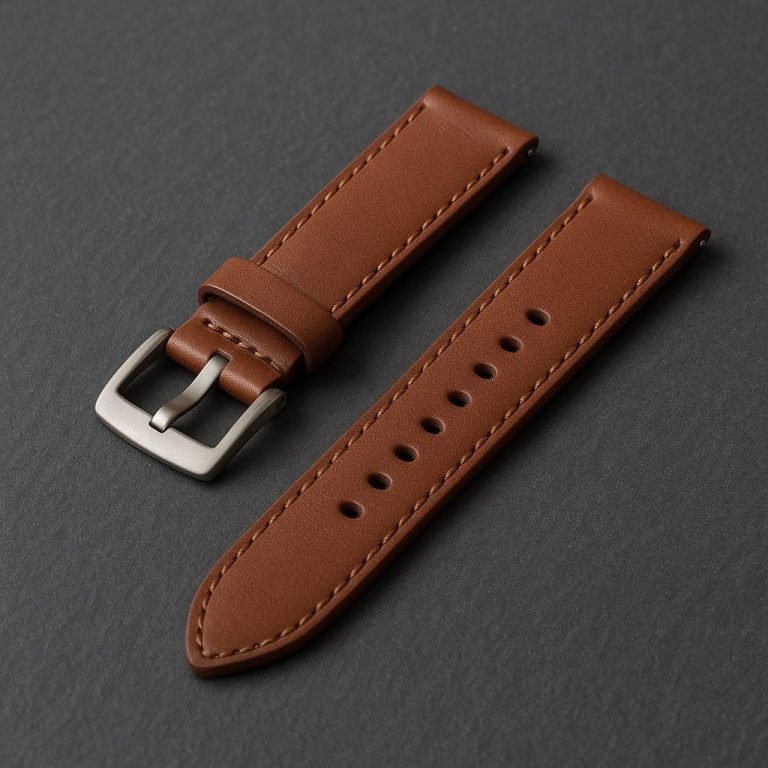
| Leather | Office, formal occasions, classic style | Absorbs moisture, can degrade with sweat, less breathable |
| Fabric (mostly nylon blends) | Active lifestyles, casual wear, breathability | May show wear over time, can absorb odors |
| Silicone | Exercise, outdoor activities, easy cleaning | Can feel sticky, less formal appearance |
Real-World Examples of Lifestyle Impact
Someone who starts biking to work might find their leather band quickly shows signs of wear from sweat and friction. Switching to a silicone or tightly woven nylon fabric band can help, as these materials handle moisture and movement better. If your job shifts to primarily remote work, you may want a band that’s soft and unobtrusive, such as a stretchy nylon blend, to avoid wrist fatigue during long periods at the computer.
For those who travel frequently or move between climates, the ability to change bands easily becomes more important. Quick-release pins offer a simple way to swap between, for example, a stainless steel band for meetings and a silicone band for outdoor activities, adapting to both dress codes and environmental comfort.
Adapting Your Watch Band to Your Changing Life
As habits and routines evolve, so do the small details that determine what feels right on your wrist. Paying attention to how your watch band feels during new activities, work environments, or social situations can help you recognize when a different material or style might serve you better. Even subtle changes in daily life can reveal preferences you didn’t know you had, making it worthwhile to periodically reassess what you want from your watch band.