What are the differences between spring bars and quick-release pins for watch bands?
Understanding Spring Bars and Quick-Release Pins
When it comes to changing watch bands, many users find themselves confused by the different mechanisms that hold the bands in place. Two common types are spring bars and quick-release pins, each with its own set of features and benefits. Knowing the differences can help in selecting the right option for a watch, making band changes easier and more efficient.
What are Spring Bars?
Spring bars are small metal rods that feature a spring-loaded mechanism at both ends. This design allows them to securely attach watch bands to the case of the watch. Here’s how they work:
- The spring bar has a small notch on either end, which fits into corresponding holes on the watch lugs (the parts of the case where the band connects).
- To attach or detach a band, a tool is typically used to compress the spring mechanism, allowing the bar to slide in or out of the lug holes.
Spring bars are widely used across various watch types and band materials, including metal bracelets, leather straps, and fabric bands. They offer a secure fit, making them a reliable choice for everyday wear.
What are Quick-Release Pins?
Quick-release pins offer a more user-friendly alternative for changing watch bands. These pins are designed with a lever mechanism that allows the user to detach the band easily without the need for a special tool. Here’s how they function:
- Quick-release pins have a small lever on one end that, when pressed, retracts a part of the pin, allowing it to be removed from the lug holes.
- This mechanism enables users to switch out bands swiftly, which can be especially beneficial for those who like to change styles frequently.
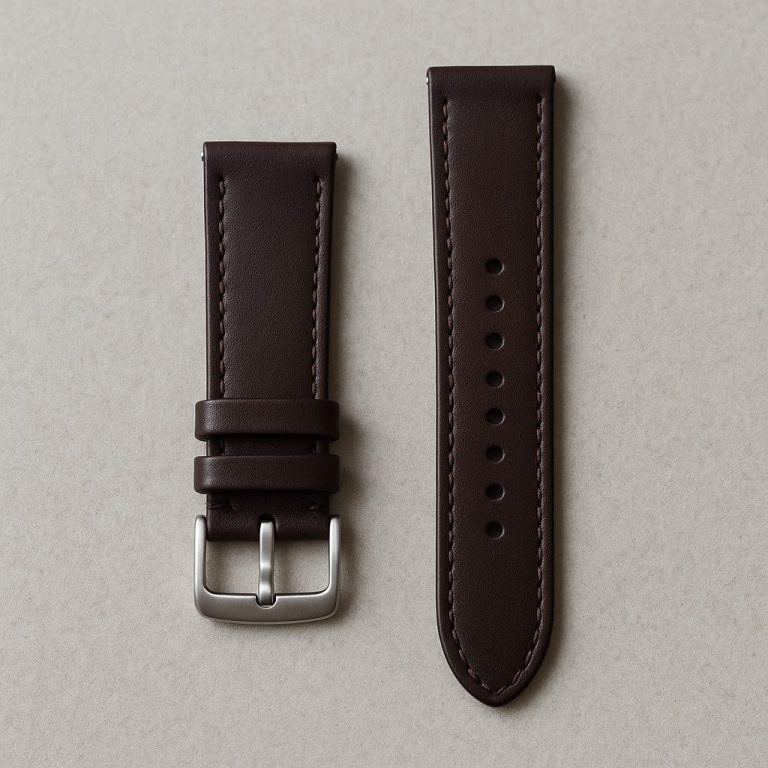
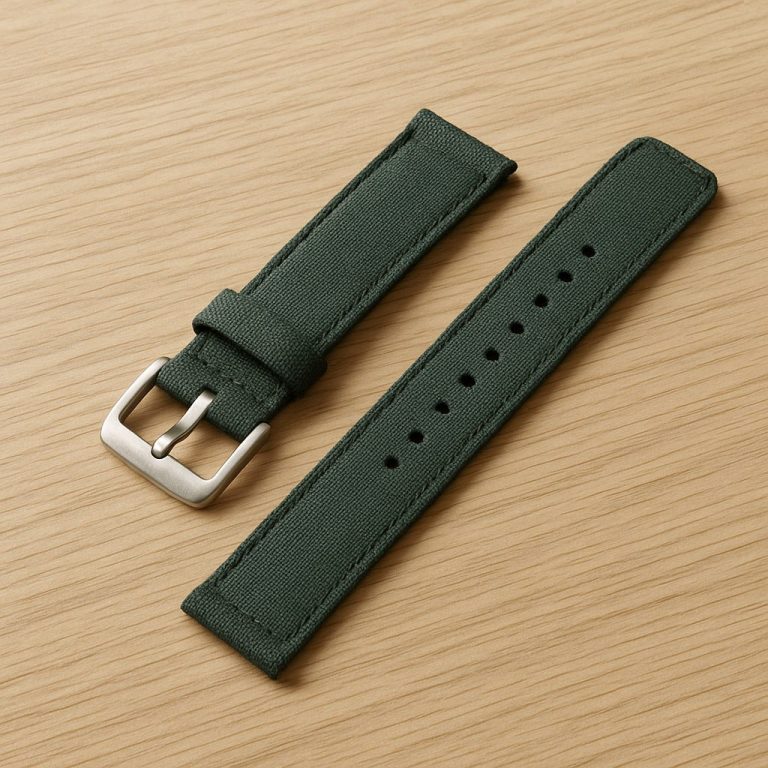
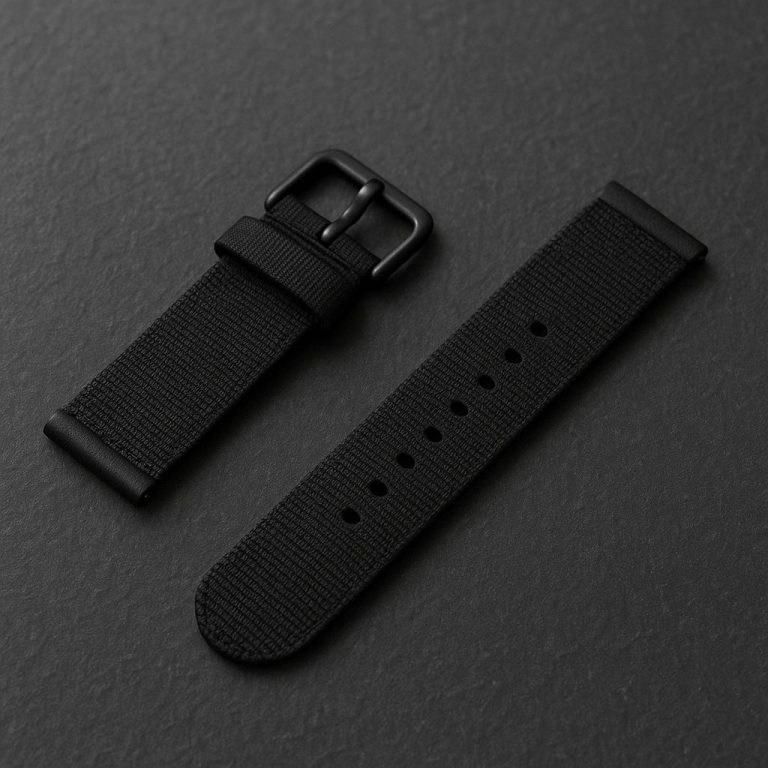
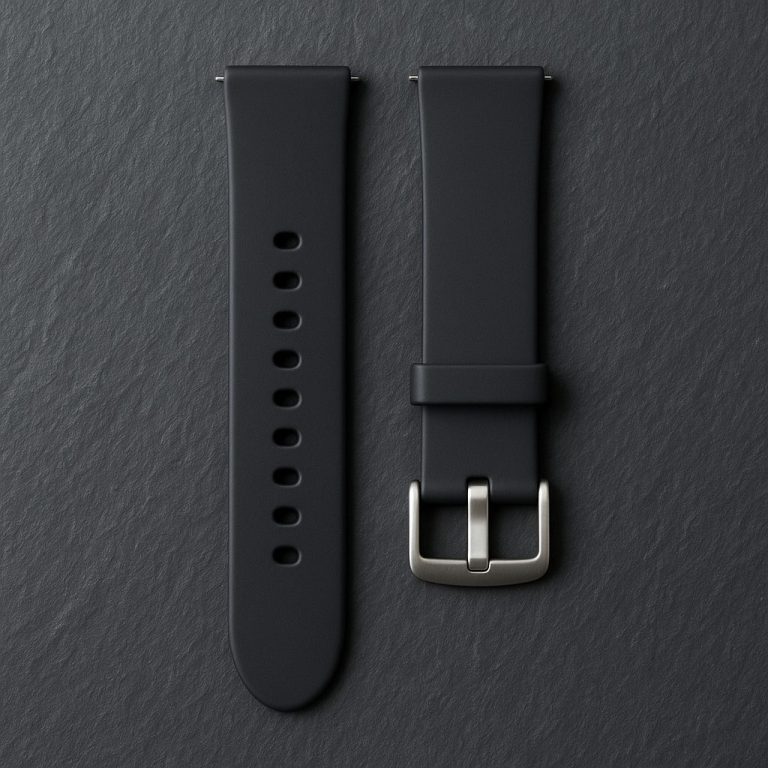
Quick-release pins are commonly found on leather, silicone, and fabric bands, making them a popular choice for casual and sporty watches alike.
Comparing Spring Bars and Quick-Release Pins
While both spring bars and quick-release pins serve the same fundamental purpose of securing watch bands, they differ significantly in terms of usability, installation, and security. Here’s a direct comparison:
| Feature | Spring Bars | Quick-Release Pins |
|---|---|---|
| Ease of Use | Requires a tool for removal | Simple lever mechanism for quick changes |
| Security | Generally very secure | Also secure, but can be disengaged quickly |
| Compatibility | Widely used across various band types | Commonly found on leather, silicone, and some fabric bands |
| Installation Time | Longer, due to the use of tools | Quick, can be done by hand |
Real-World Usage Examples
For someone who prefers versatility in their watch style, quick-release pins may be the better choice. For instance, if a user frequently switches between a casual fabric strap for everyday wear and a formal leather strap for special occasions, the quick-release mechanism saves time and effort.
On the other hand, if a watch owner is looking for a more permanent solution or has a particular band that they plan to keep on the watch for an extended period, spring bars might be the more secure option. This is particularly relevant for metal bracelets that are often designed to remain in place for long durations.
Considerations When Choosing Between the Two
When deciding between spring bars and quick-release pins, it’s essential to consider factors such as:
- Frequency of Band Changes: If changing bands is a regular activity, quick-release pins are likely more convenient.
- Type of Watch: Certain watches may be designed specifically for one mechanism over the other.
- Personal Preference: Some users may simply prefer the feel of one mechanism over the other during installation and removal.
Final Thoughts
Understanding the differences between spring bars and quick-release pins can enhance the watch-wearing experience, whether for style, comfort, or practicality. Each option has its advantages, and the best choice ultimately depends on individual needs and preferences. By choosing the right mechanism, users can ensure their watch bands are both secure and easy to change when desired.