Water-Resistant Watch Bands: What You Need to Know for Swimming
Essential Insights on Water-Resistant Watch Bands for Swimming
For those who enjoy swimming or water sports, choosing the right watch band is crucial. A water-resistant watch band can enhance your experience by ensuring your timepiece remains functional and stylish while submerged in water. Understanding the different types of materials and their properties can help you make an informed choice that fits your lifestyle.
Understanding Water Resistance Ratings
Water resistance is typically measured in meters or atmospheres (ATM). Here’s how to interpret these ratings:
- 30 meters (3 ATM): Suitable for light splashes and rain. Not advisable for swimming.
- 50 meters (5 ATM): Can withstand brief swimming sessions but not suitable for diving.
- 100 meters (10 ATM): Ideal for recreational swimming and shallow snorkeling.
- 200 meters (20 ATM) and above: Designed for professional water sports, including diving.
When selecting a watch band for swimming, it’s essential to consider the watch’s overall water resistance rating, not just the band itself.
Popular Materials for Water-Resistant Watch Bands
Different materials offer various benefits and drawbacks when it comes to water resistance. Here are the most common types:
Nylon Fabric Bands
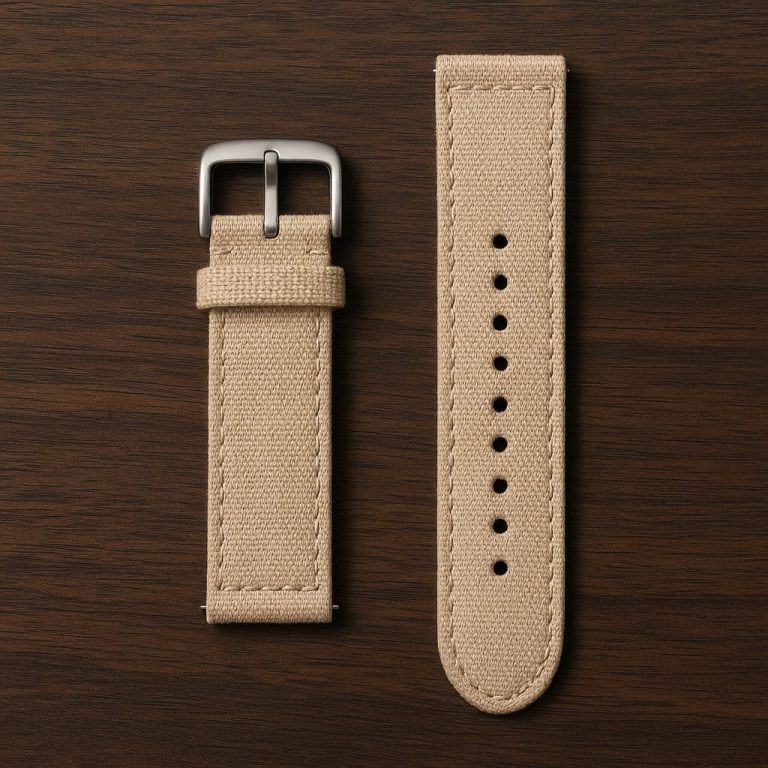
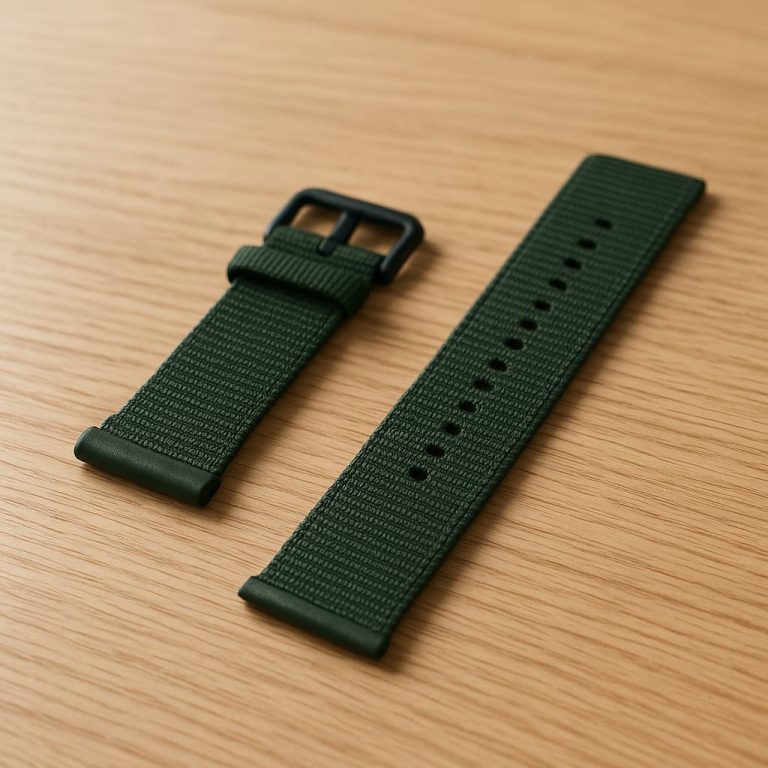
Most fabric watch bands are made from nylon, which is lightweight, quick-drying, and resistant to mold and mildew. Various styles exist, including:
- Canvas: A sturdy, breathable option that can handle moisture well.
- Braided: Offers a unique texture and can dry quickly, making it practical for swimming.
- Stretchy: Provides comfort and flexibility, ideal for active use.
- Woven: Varies in thickness and weave, giving it a different feel and appearance on the wrist.
While nylon is generally durable, it is essential to rinse the band with fresh water after exposure to saltwater or chlorinated water to prolong its life.
Silicone and Rubber Bands
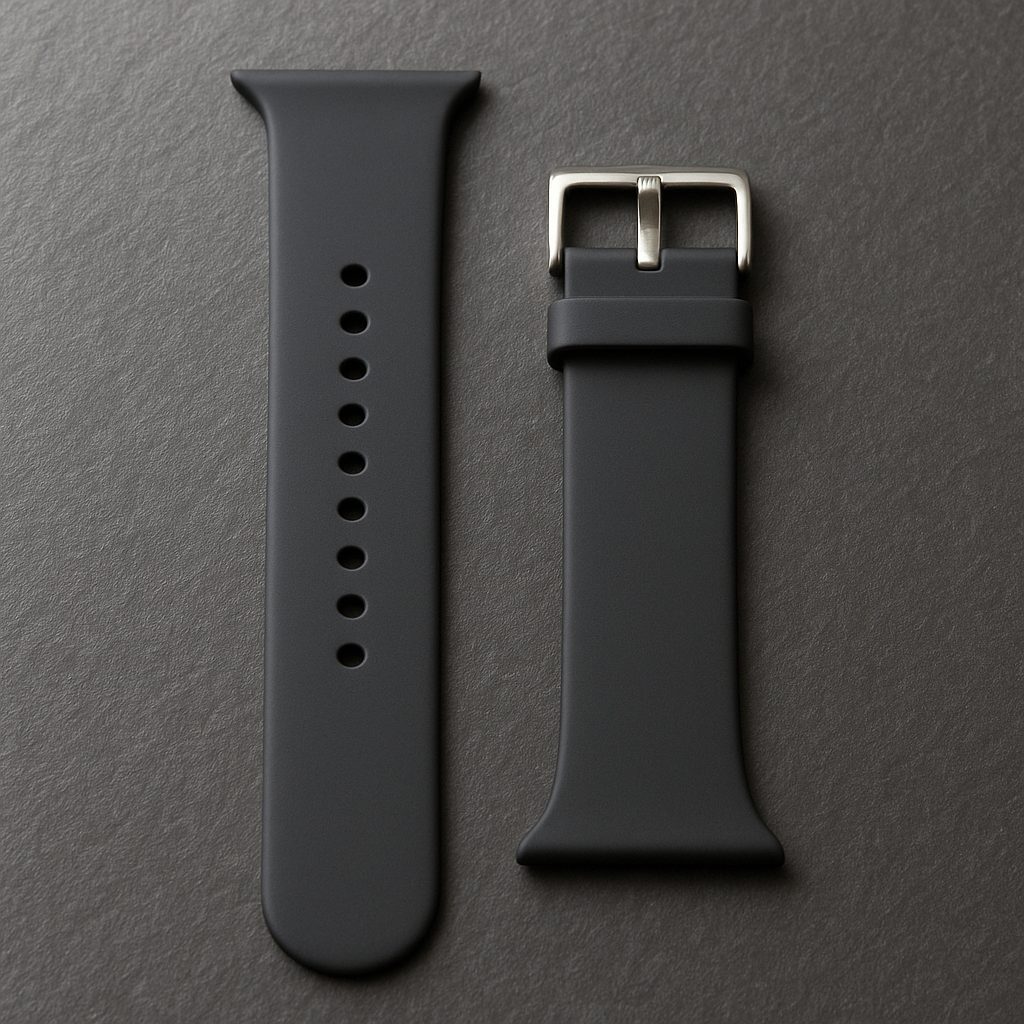
Silicone and rubber bands are popular choices for water activities. They are completely waterproof, easy to clean, and resilient against the elements. Here are some advantages:
- Durability: These materials resist wear and tear, making them suitable for frequent use.
- Comfort: Flexible and soft on the skin, they provide a comfortable fit during physical activities.
- Quick-drying: Water does not seep into the material, allowing for rapid drying after swimming.
Metal Bands
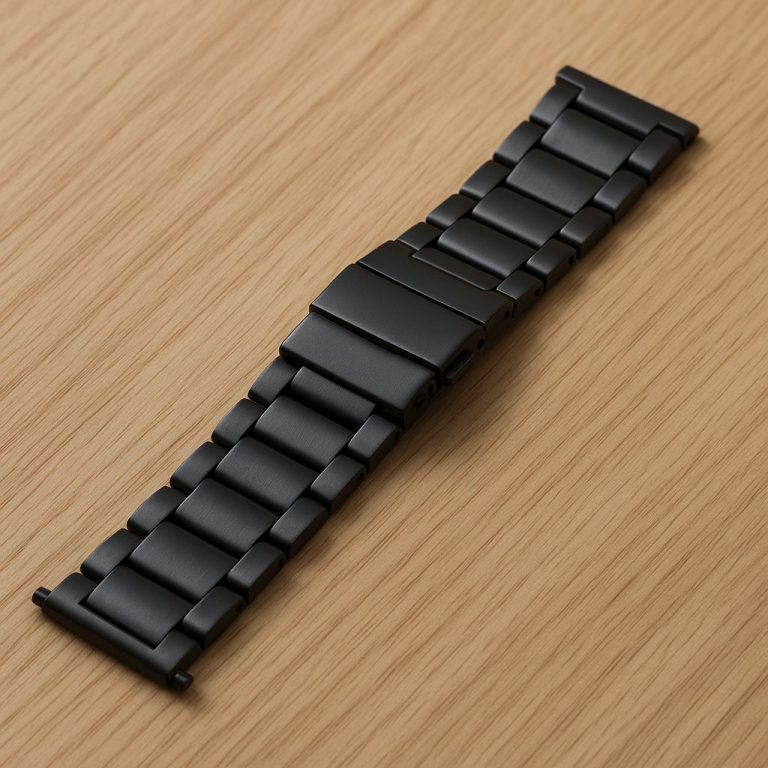
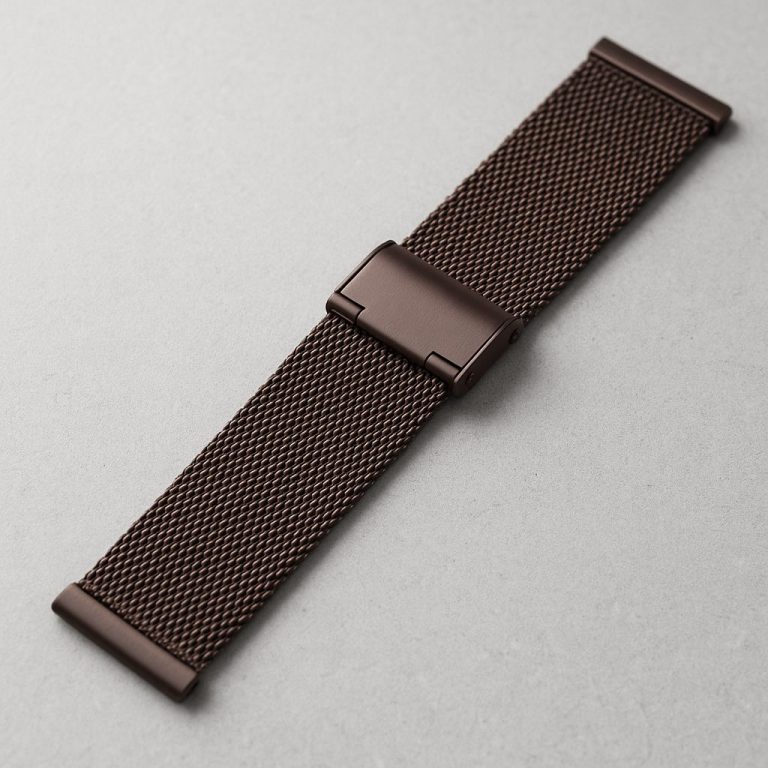
Metal watch bands, commonly made from stainless steel, combine durability with a classic aesthetic. While they can be water-resistant, they are generally heavier and may not be as comfortable in water as other materials. Key points to consider include:
- Corrosion Resistance: Stainless steel is resistant to rust and corrosion, but frequent exposure to saltwater can still cause damage.
- Weight: Metal bands can be heavier, which might not be ideal for swimming.
- Maintenance: Regular cleaning is necessary to prevent tarnishing and maintain the band’s appearance.
Factors to Consider When Choosing a Water-Resistant Band
When selecting a watch band for swimming, consider the following factors:
Comfort
Comfort is vital, especially if you wear your watch for extended periods. Ensure the band fits well and does not chafe against your skin while swimming.
Maintenance
Different materials require varying levels of care. Fabric bands may need more frequent washing to avoid odors, while silicone and rubber bands are typically easier to maintain. Metal bands require regular cleaning to prevent corrosion.
Style and Versatility
Your watch band should reflect your personal style and be versatile enough to transition from the pool to daily wear. Consider options that match your aesthetic without compromising functionality.
Durability
Choose a band that can withstand the rigors of swimming. Look for materials known for their resilience to saltwater and chlorine, particularly if you swim regularly in pools or oceans.
Conclusion
Selecting the right watch band for swimming involves understanding the materials and their water resistance capabilities. Fabric options, primarily made from nylon, provide comfort and quick-drying properties. Silicone and rubber bands offer excellent waterproof characteristics and durability, while metal bands, although stylish, may require more maintenance. By considering factors like comfort, maintenance, style, and durability, you can choose a watch band that meets your needs for swimming and beyond.