Why some watch bands look better in photos than on the wrist
Why Watch Bands Can Look Different in Photos and Real Life
A watch band that appears sleek and stylish in a product image sometimes feels less impressive once fastened on your wrist. This difference is especially noticeable when ordering online and comparing the manufacturer’s photos to your own experience. The reasons for this gap between expectation and reality go beyond lighting or camera quality—subtle factors in design, material behavior, and presentation all contribute.
How Photography Shapes Perception
Studio photography is carefully constructed to show watch bands at their best angles. Controlled lighting, strategic watch positioning, and sometimes even light retouching can dramatically enhance the appearance of details, colors, and finishes. This approach can make metal bracelets appear shinier and more uniform, leather bands look smoother and richer in color, and fabric or silicone bands display a flawless surface. However, these methods don’t always capture how bands look under natural light or how they sit on a moving wrist.
Lighting and Surface Reflection
Lighting plays a significant role in how watch bands appear in photos. Soft light can minimize shadows and highlight desirable features, such as the brushed finish on a metal bracelet or the subtle texture of a leather strap. In contrast, harsh lighting in real environments—such as sunlight or fluorescent office lights—can exaggerate imperfections or flatten colors.
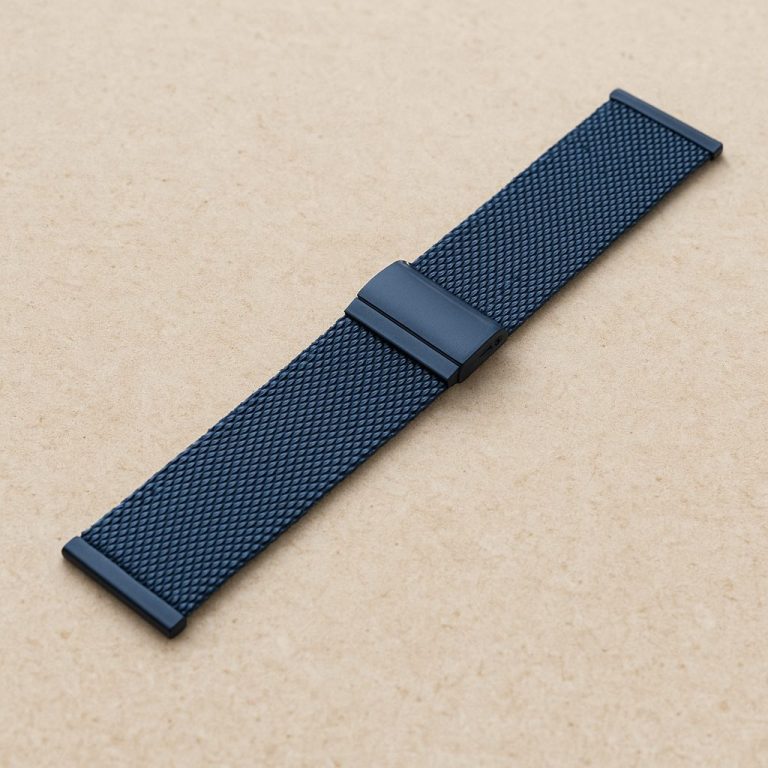
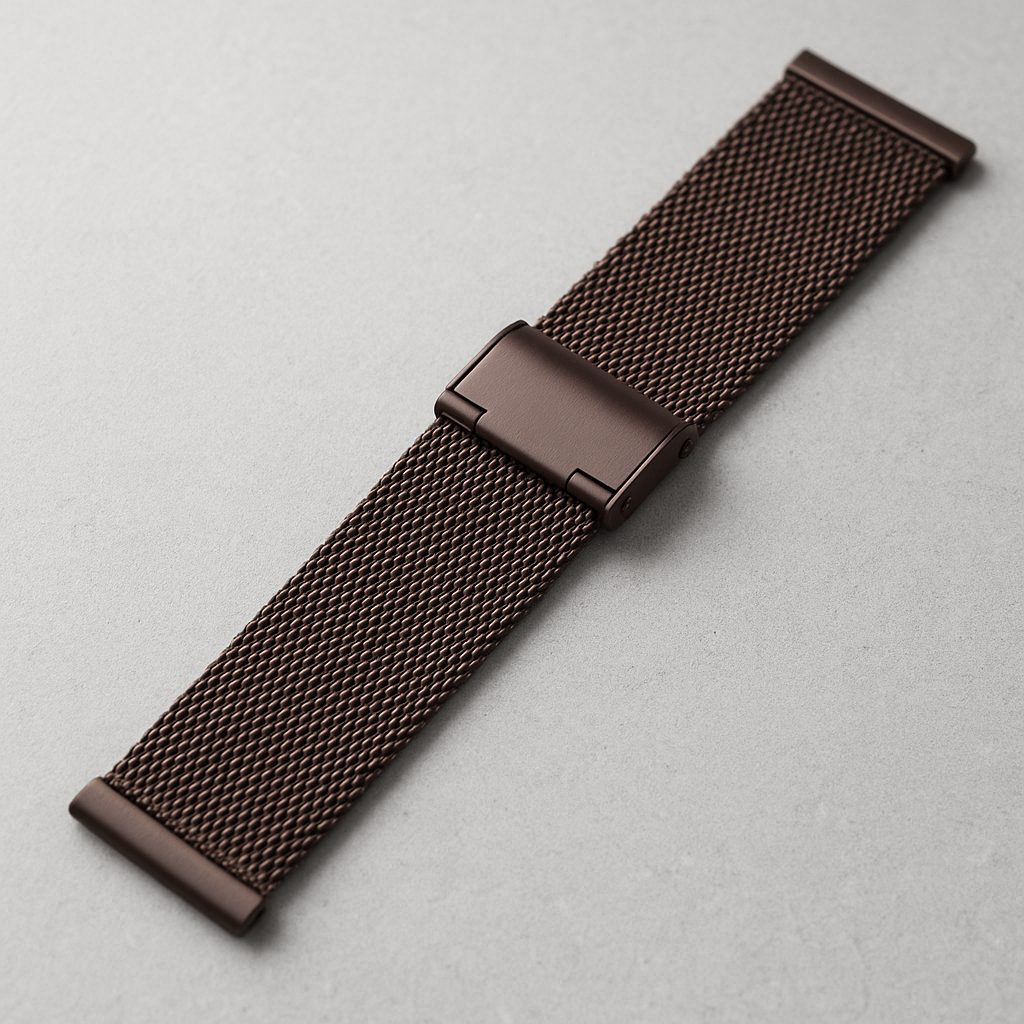
Metal bands, most commonly made from stainless steel for durability and corrosion resistance, often show reflections and gleaming highlights in professional images. On the wrist, these reflections can be less pronounced, and small scratches or fingerprints may become visible.
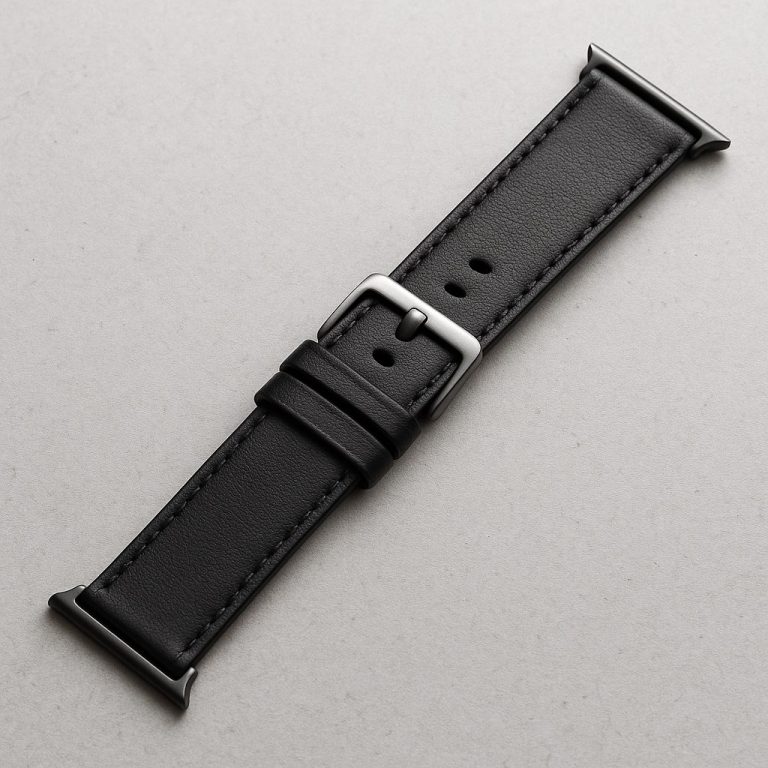
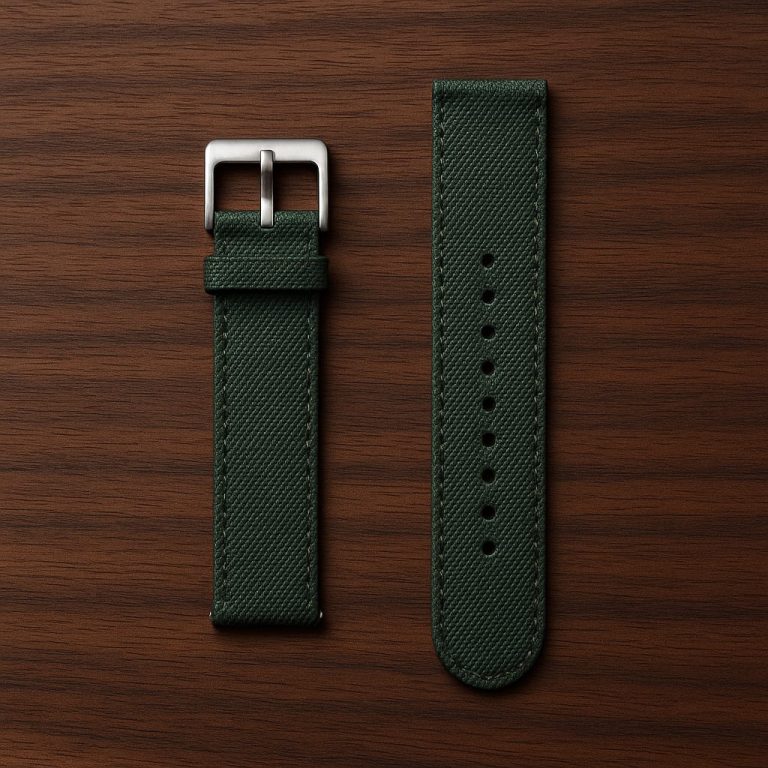
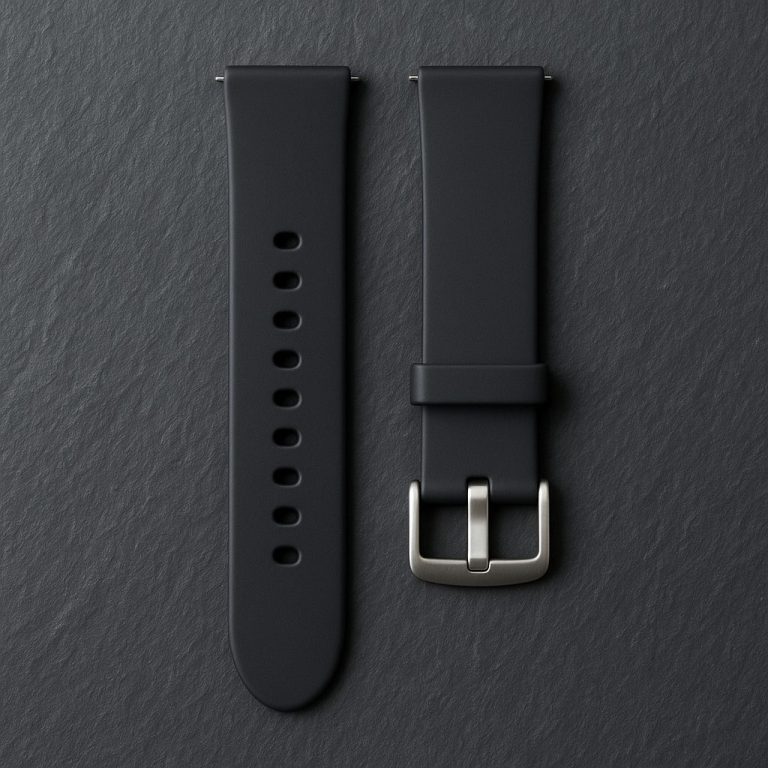
Leather bands are frequently photographed to capture their grain and patina. In reality, light may reveal natural creases or uneven texture that add character but may not match the smoothness seen online. Silicone bands, with their matte finish, can appear vibrantly colored in studio setups but may look duller in ambient light.
Angle and Watch Fit
Photographers typically display watch bands in a straight, symmetrical layout, or form a perfect, circular shape that rarely matches how a band curves around an actual wrist. When worn, the band’s fit is influenced by wrist size, bone structure, and how tightly it is fastened. This can cause gaps, pinching, or bulging that were not visible in staged photos.
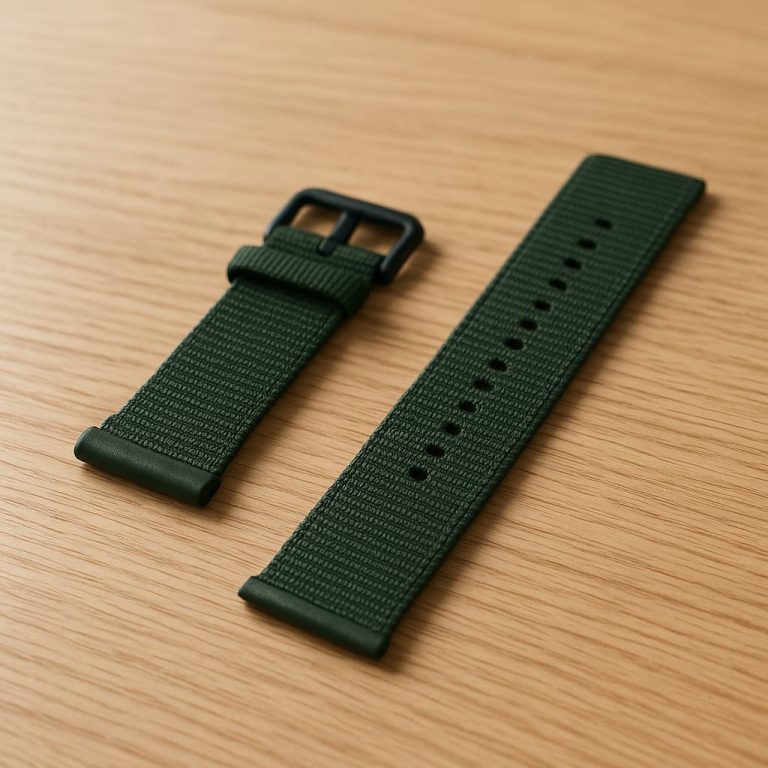
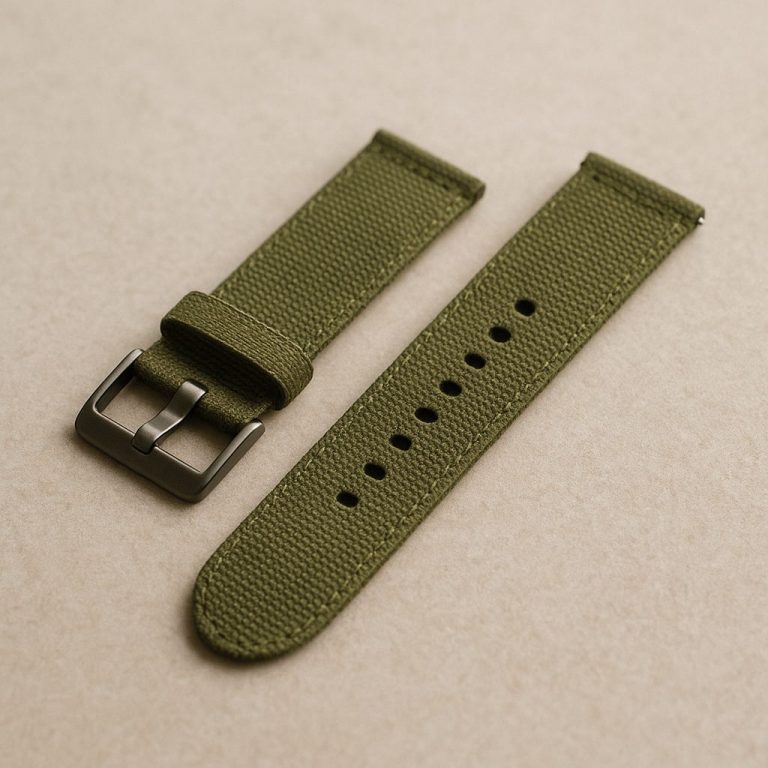
For example, a metal bracelet may look seamless in a catalog image but reveal links at awkward angles on a slim wrist. Leather bands that appear crisp and structured when new may crease or warp slightly where they are buckled, especially if the wearer’s wrist is smaller than average. Fabric straps—mostly made from woven nylon or blends—often display varied texture and flexibility. Photos may emphasize a tight, dense weave, but in person, the band may feel softer or more elastic, depending on thickness and weave style.
Material Behavior and Real-World Wear
The physical properties of a band’s material influence its appearance and comfort once on the wrist. These differences are often subtle in photos but become more noticeable with daily use.
| Material | Photographed Appearance | Worn Appearance |
|---|---|---|
| Metal | Polished, uniform, reflective | May show fingerprints, less shine, visible gaps or flex |
| Leather | Even color, smooth surface | Shows creases, may develop patina, color may soften |
| Fabric (Nylon) | Tight weave, vivid color | Texture varies, can appear softer, weave detail more apparent |
| Silicone | Matte, bright color, flawless finish | Can attract dust, color may look muted, surface marks visible |
Shape and Structure Changes
The way a band sits on the wrist can change its overall shape. Metal bracelets depend on link articulation; if the links are large or inflexible, the band may not curve smoothly around smaller wrists, resulting in a less appealing profile. Leather straps can stiffen or soften over time, and their edges may lift slightly with repeated bending. Fabric straps, especially those using looser weaves or higher elasticity, may stretch and contour differently than expected. Silicone bands, which are often uniform and flexible, may bunch up or show slight warping where they curve around the wrist or where the clasp presses against the skin.
The Role of Color and Texture in Perception
Colors tend to appear more saturated and uniform in controlled photography, while real-life lighting can reveal subtle shifts in hue and texture. This effect is especially noticeable with fabric bands, where the underlying weave can scatter light differently in photos versus in person. Nylon bands, for example, may have a glossy or matte finish depending on the weave, affecting how they look under various lighting conditions.
Leather’s surface can also be deceptive. A smooth, glossy finish may hide natural grain or small imperfections that become clear with close inspection. Silicone bands, known for solid, uniform colors, can sometimes pick up dust or lint that dulls their appearance—something rarely shown in marketing images.
Wrist Size, Proportion, and Band Design
The relative size of the watch case, band width, and wrist shape can all affect how a band looks when worn. A band that looks balanced on a display cushion or in a flat-lay photo may appear too wide, too narrow, or awkwardly proportioned once fastened to a real wrist.
For example, wide metal bracelets may overpower a slender wrist, while narrow fabric straps can seem insubstantial on larger wrists. Buckle or clasp design, which is often minimized in photos, may become more prominent and affect how the band sits against the skin.
Practical Ways to Assess Watch Bands Before Choosing
To get a realistic sense of how a watch band will look on your wrist, focus on images or sources that show the band worn by people with similar wrist sizes or shapes. Pay attention to photos taken in natural light and at multiple angles, especially those that reveal how the band curves and attaches to the watch case.
If possible, try to find user-submitted photos or in-store displays where bands have been handled or worn. Pay attention to how the material reacts to movement, the visibility of stitching or hardware, and whether any creasing or stretching is visible. When considering fabric bands, note that nylon or blended weaves can behave differently depending on thickness and elasticity—tightly woven bands typically hold their shape better, while softer or stretchier weaves may contour more closely to the wrist.
Understanding the Gap Between Photos and Reality
Watch bands often look better in photos than on the wrist because of controlled lighting, idealized positioning, and the inherent differences in how materials react to real-world conditions. Recognizing these factors helps set expectations and allows for more informed choices, whether selecting a band online or evaluating one in person.