Why some watch bands feel more connected to a specific watch than others
When a Watch Band Feels Like It Truly Belongs
A person swaps a metal bracelet for a fabric strap on their favorite watch, hoping for a fresh look. But something feels off—the watch appears less balanced, and the overall style seems disconnected. Despite being a good technical fit, the new combination lacks the sense of unity the original pairing offered. This experience reflects a common phenomenon: some watch bands feel deeply connected to a specific watch, while others, even if compatible, simply do not.
What Creates a Sense of Belonging Between Watch and Band?
The feeling that a watch band “belongs” to a particular watch is shaped by more than just physical compatibility. Several factors—design harmony, historical context, functionality, and material character—work together to create a sense of unity. When these elements align, the watch and band seem inseparable. When they clash or feel unrelated, the pairing can appear forced or mismatched.
Design Harmony: Shape, Proportion, and Detail
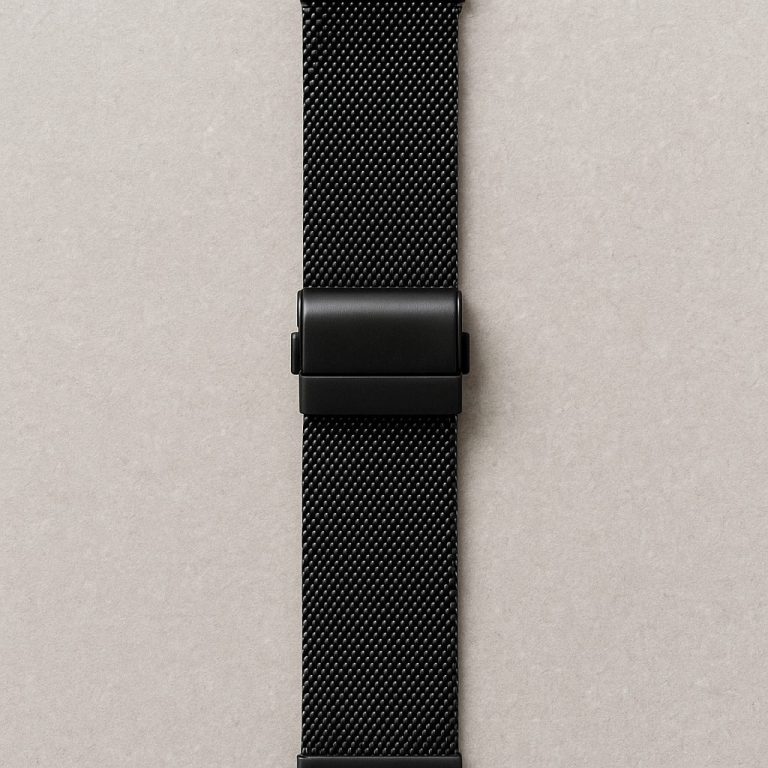
Visual balance is crucial. A watch with a large, angular case may look best on a substantial metal bracelet, as the weight and shape of the band match the presence of the watch head. In contrast, a slim, minimalist watch often pairs more naturally with a thin leather strap or a sleek mesh bracelet. Proportion matters—if the width, thickness, or taper of the band conflicts with the watch’s size or style, the connection feels weak.
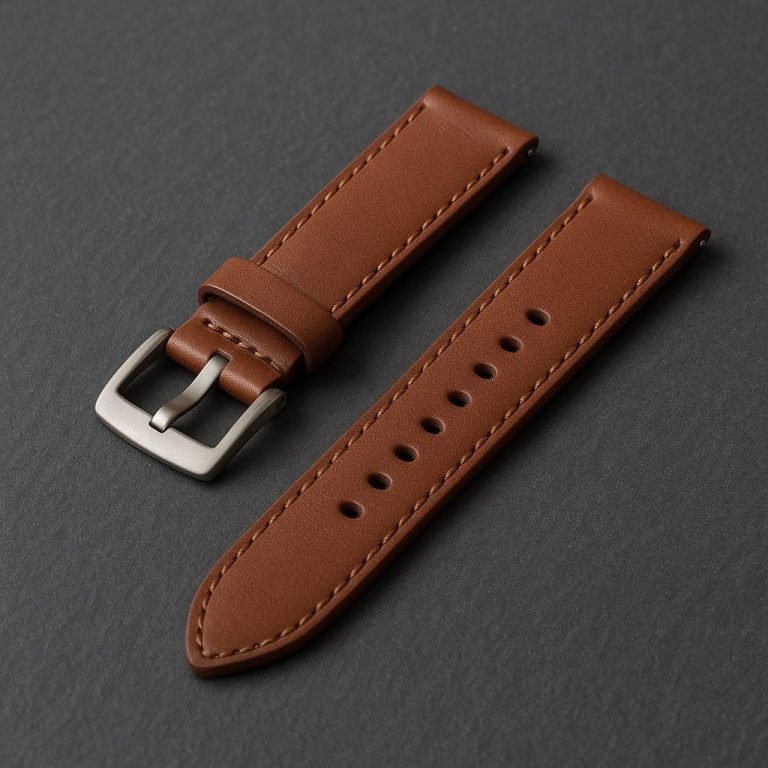
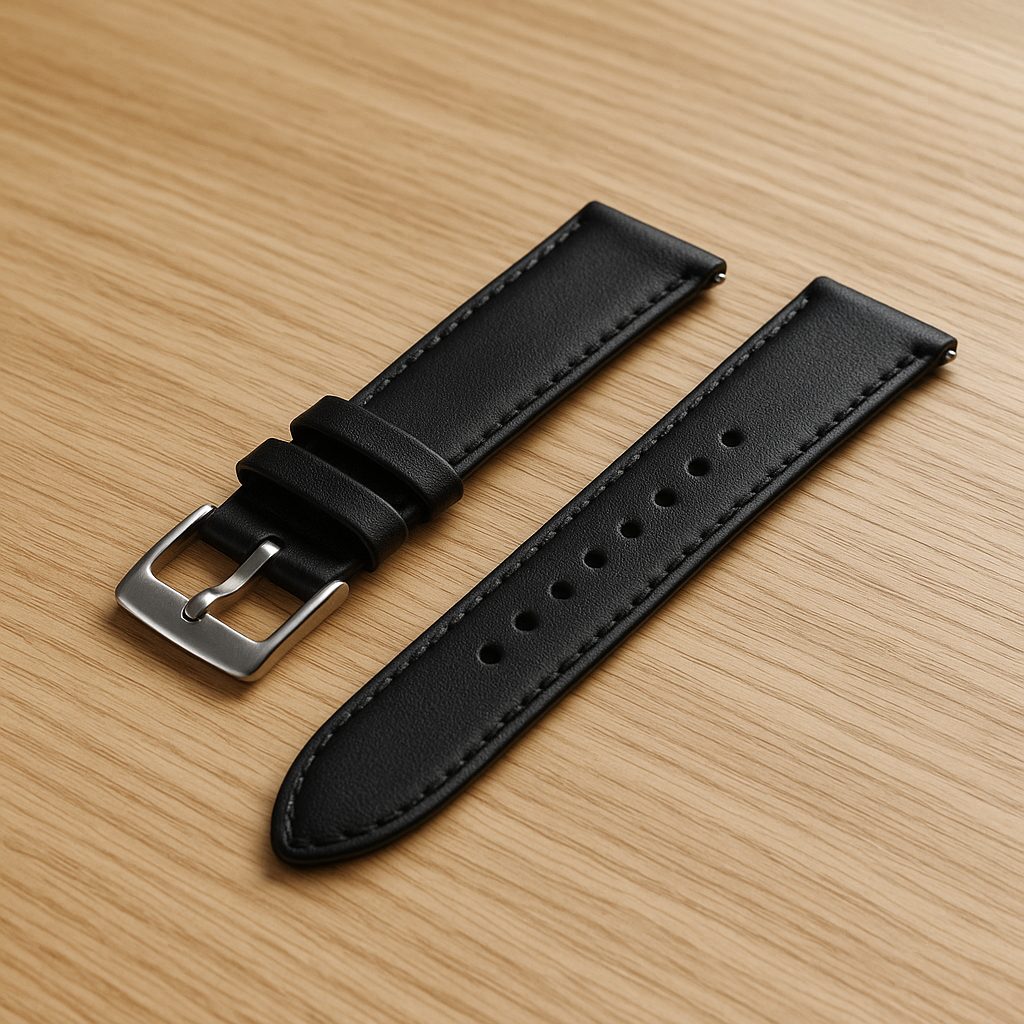
Small details, like the finish of a metal band (brushed, polished, or matte) or the stitching on a leather strap, can echo or contrast with design cues on the watch case or dial. When these details reinforce each other, the pairing feels deliberate and cohesive. Mismatched finishes or clashing details can break the sense of connection, even if the band physically fits.
Historical and Stylistic Consistency
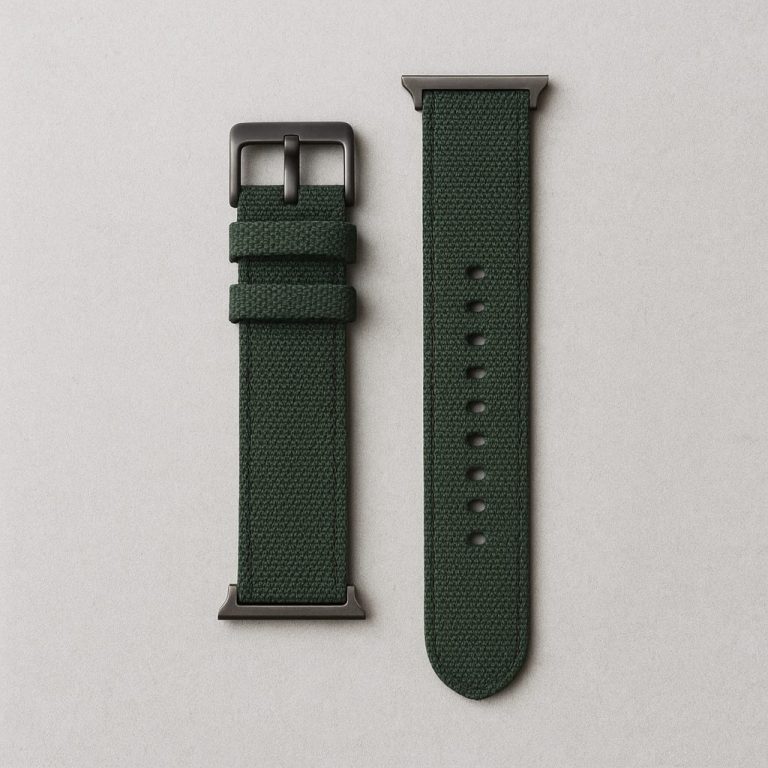
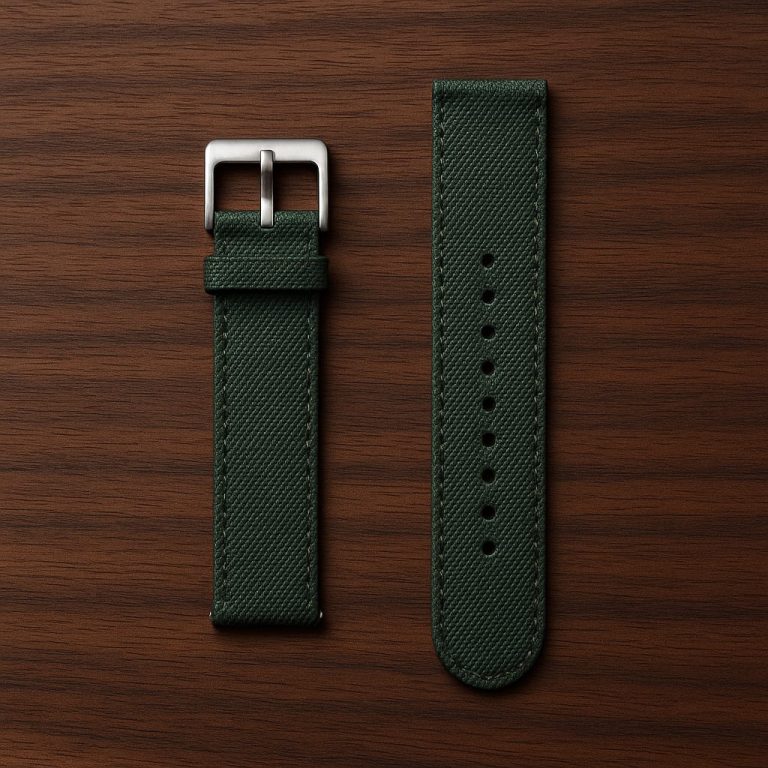
Certain watches are rooted in specific traditions—such as military, diving, or dress styles. Bands that reflect or respect this heritage tend to feel more connected. For example, a fabric strap made from tightly woven nylon, similar to those used on field watches, often enhances the utilitarian character of a simple, rugged watch. Vintage-inspired watches typically feel at home on leather straps with classic stitching or a time-appropriate metal bracelet.
When a band’s style aligns with the watch’s intended character or historic use, there is a strong sense of belonging. Conversely, placing a highly technical silicone band on a formal dress watch may feel out of place, even if the colors match. The pairing can come across as visually confusing or inconsistent with the watch’s intended purpose.
Material Qualities and Sensory Experience
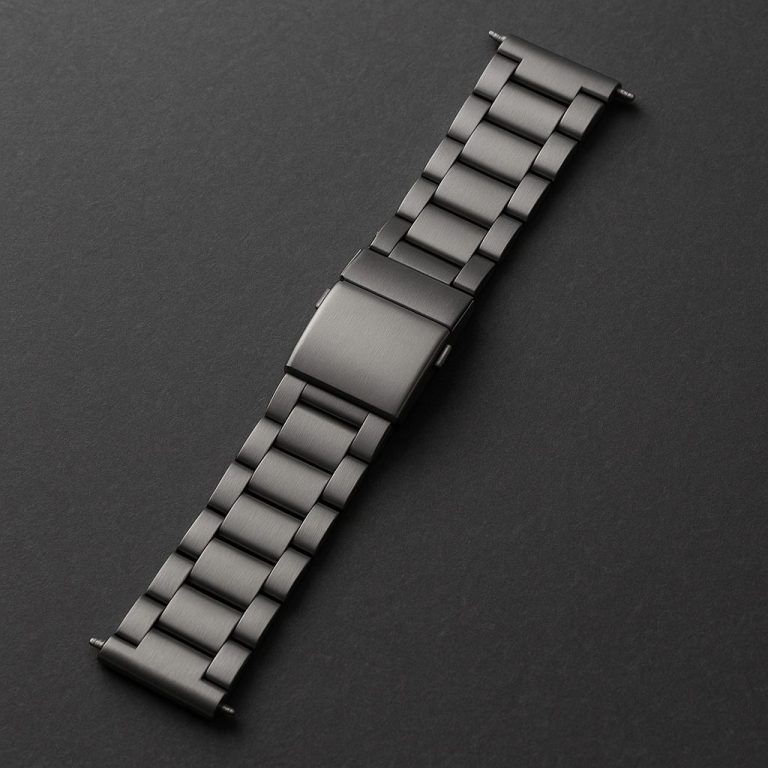
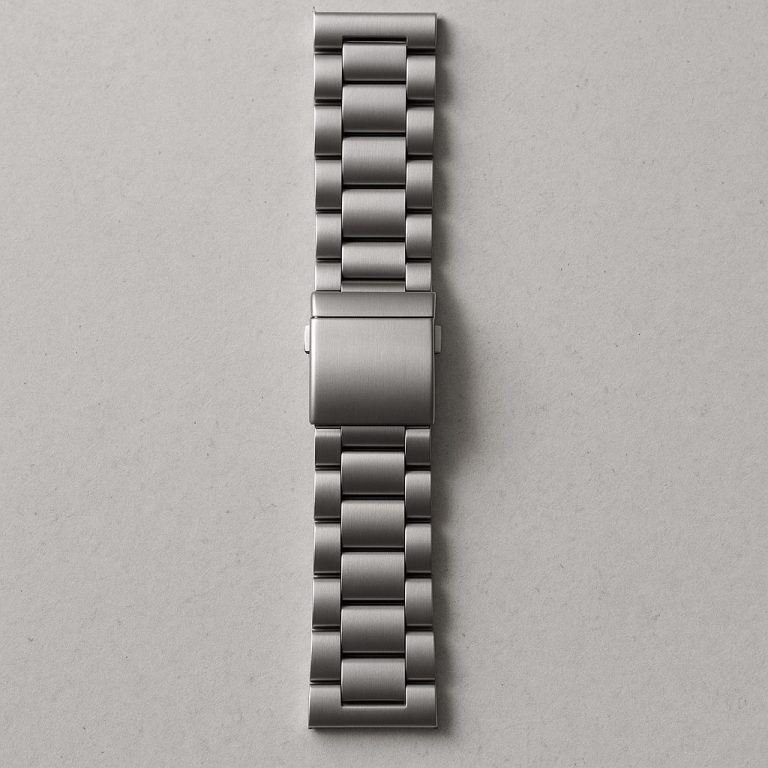
Material choice is another key factor. Metal bands—often made from stainless steel due to its durability and resistance to corrosion—convey solidity and permanence. They frequently feel most connected to watches with robust, metallic cases, especially when the finishing and color tones match. Leather straps offer warmth and flexibility, and their surface texture can either complement the dial’s finish or contrast with the case for added interest. The type of leather, its thickness, and even the scent can reinforce a sense of luxury or vintage character.
Fabric bands, commonly made from nylon or nylon blends, bring a casual or utilitarian feel. The weave density, thickness, and elasticity can influence how closely the band seems to “fit” the spirit of the watch. For example, a dense, smooth-woven band may suit a modern, clean-lined watch, while a thicker, textured fabric might feel more at home on a rugged field watch.
Silicone bands, known for their flexibility and resistance to moisture, are closely linked with watches designed for active or aquatic use. Their tactile qualities, such as a soft touch or smooth finish, reinforce the sense that they belong on sports or fitness-oriented models. When fitted to a watch with similar functional intent, the connection feels natural. When paired with a watch outside this context, the combination can feel forced.
Functional Alignment and Practical Use
Functionality also matters. A band designed for specific activities—such as a water-resistant silicone band for swimming, or a rugged, secure fabric strap for field use—feels more at home when the watch itself is intended for those situations. The sense of connection grows when the band’s strengths directly support the watch’s purpose.
For example, a metal bracelet with solid, articulated links provides the necessary support and balance for a heavy watch, preventing it from shifting uncomfortably on the wrist. In contrast, a thin leather strap might not offer the same support or durability for demanding environments, making the pairing feel less appropriate.
Side-by-Side: What Makes a Pairing Feel Right?
| Watch Character | Band Material | Connection Feels Strong When… |
|---|---|---|
| Rugged field or tool watch | Fabric (nylon), thick leather | Band echoes watch’s utilitarian purpose and matches case ruggedness |
| Dress watch | Leather, slim metal bracelet | Band maintains elegant proportions and understated finishes |
| Dive or sports watch | Silicone, metal bracelet | Band supports water resistance, balance, and robust appearance |
| Modern minimalist watch | Sleek mesh metal, smooth leather, dense fabric | Band reinforces clean lines and contemporary style |
Personal Experience and Emotional Connection
Sometimes, a sense of belonging develops through personal history. A watch and band that have been worn together during important moments can feel inseparable, even if the pairing isn’t the most traditional. Signs of wear, the way the band has shaped to the wrist, or the memories attached to a specific combination can reinforce the feeling that the two simply go together.
This emotional component means that even unconventional pairings can feel “right” to an individual, based on their own experiences and associations. However, when most people comment that a band seems especially suited to a particular watch, it’s usually a blend of design, material, function, and story working in harmony.
Making Informed Choices for a Cohesive Pairing
The feeling that a watch band truly belongs to a specific watch comes from a mix of visual, material, historical, and functional harmony. When selecting or swapping bands, considering these factors helps create a pairing that feels unified and intentional. Observing how the watch and band relate in proportion, texture, color, and context can guide choices that result in a strong sense of connection—making the combination feel like more than the sum of its parts.