Exploring sustainable materials in watch band production
Understanding Sustainable Materials in Watch Bands
The growing awareness of environmental issues has prompted many industries to explore sustainable practices, and watch band production is no exception. Sustainable materials not only minimize environmental impact but can also enhance the overall quality and appeal of the product. This shift towards sustainability in materials reflects a broader trend in consumer preferences, where individuals increasingly seek eco-friendly options in their everyday items.
Types of Sustainable Materials
In the production of watch bands, several sustainable materials are gaining traction. These materials can be categorized into natural, recycled, and innovative synthetic options.
Natural Materials
Natural materials are derived from renewable resources and often have a smaller ecological footprint compared to synthetic alternatives. Some commonly used natural materials include:
- Leather: When sourced from responsible tanneries, leather can be a sustainable option. Vegetable-tanned leather, in particular, uses natural tannins and minimizes harmful chemicals.
- Wood: Wood watch bands can be crafted from sustainably harvested trees, providing a unique aesthetic while being biodegradable.
- Bamboo: This rapidly renewable resource is lightweight and strong, making it an excellent choice for watch band production.
Recycled Materials
Recycled materials help reduce waste and the demand for new resources. Some examples include:
- Recycled plastic: This material is often transformed from post-consumer waste, reducing landfill contributions. It can be molded into various styles and colors.
- Recycled metals: Metals such as aluminum or stainless steel can be recycled multiple times without losing quality, making them a sustainable choice for watch bands.
Innovative Synthetic Options
Advancements in technology have led to the creation of synthetic materials that mimic the properties of traditional materials while being more sustainable. Examples include:
- Bio-based plastics: These are derived from renewable resources like corn or sugarcane and can serve as alternatives to conventional petroleum-based plastics.
- Eco-friendly textiles: Fabrics made from organic cotton, hemp, or Tencel can be used in fabric watch bands. These materials often require less water and fewer chemicals during production.
Fabric Watch Bands
Fabric watch bands are popular for their comfort and versatility. Most are made from nylon or nylon blends, which provide durability and a range of design possibilities. Variations in weave density, thickness, elasticity, and texture contribute to the overall feel and look of these bands. This diversity allows consumers to choose bands that fit their personal style and comfort preferences.
Metal Watch Bands
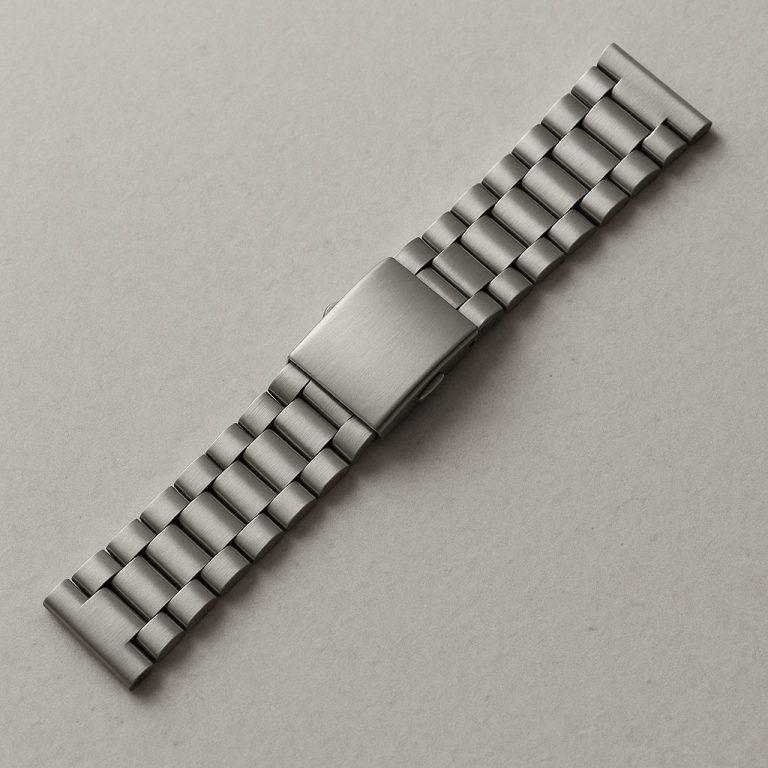
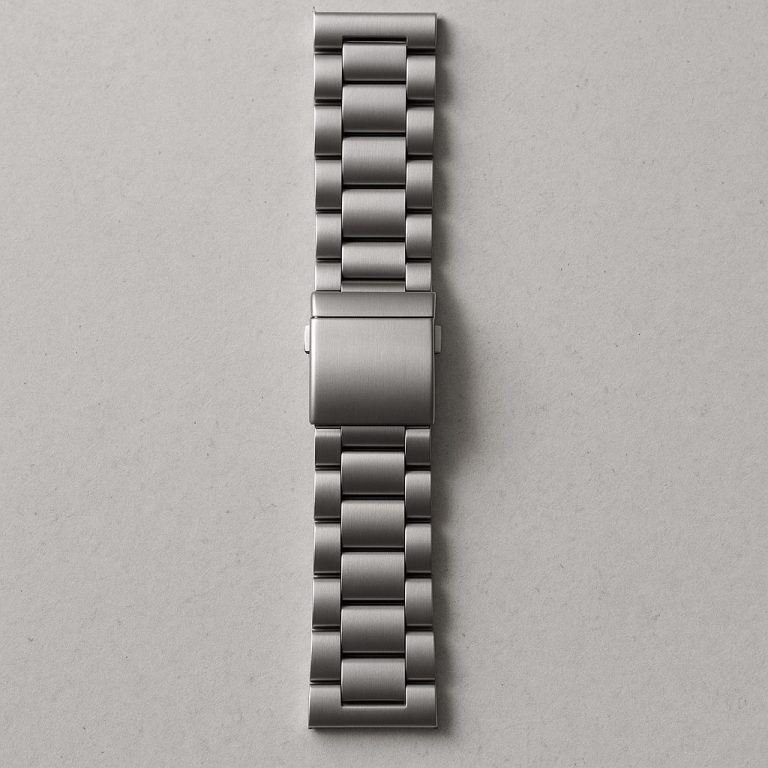
Metal watch bands are often synonymous with durability and elegance. Stainless steel is the most commonly used material due to its corrosion resistance and strength. Metal bands can also be crafted from recycled metals, contributing to sustainable practices. Their long lifespan and recyclability make them a responsible choice for consumers looking to reduce their environmental impact.
The Benefits of Sustainable Materials
Choosing sustainable materials for watch bands comes with several advantages:
- Environmental Impact: Sustainable materials typically have a lower carbon footprint and reduce waste, contributing to a healthier planet.
- Durability: Many sustainable materials, such as recycled metals and high-quality leather, offer excellent longevity, reducing the need for frequent replacements.
- Consumer Demand: As more individuals prioritize sustainability, brands that offer eco-friendly options can enhance their appeal and customer loyalty.
Making Informed Choices
When selecting a watch band, consider the materials used and their impact on the environment. Look for certifications or labels that indicate responsible sourcing or production practices. Brands that prioritize transparency often provide information about their materials and processes, helping consumers make informed decisions.
In addition to material choices, consider the overall life cycle of the watch band, including its end-of-life disposal options. Some materials are biodegradable, while others may be recyclable, further influencing your decision.
Conclusion
Exploring sustainable materials in watch band production opens up a world of options for environmentally conscious consumers. With various natural, recycled, and innovative synthetic materials available, individuals can find styles that match their aesthetics while supporting sustainability. As the demand for eco-friendly products continues to grow, understanding these materials can empower consumers to make choices that align with their values.