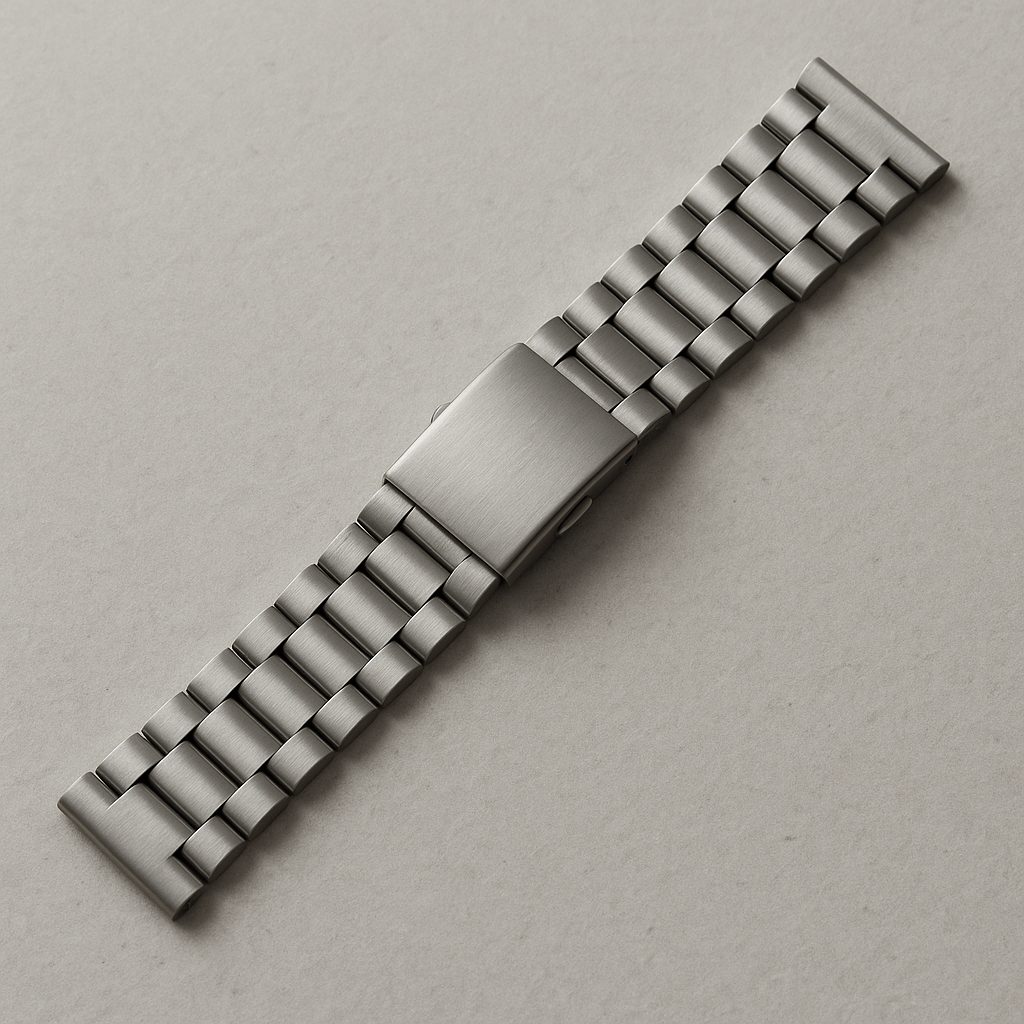
How to identify the correct width for a replacement watch band
Finding the Right Width for Your Replacement Watch Band
Choosing a replacement watch band can be a straightforward task, but it often becomes complicated when the width isn’t right. An ill-fitting band can affect not only the comfort of wearing the watch but also its overall appearance. Knowing how to accurately measure your watch’s lug width—the space where the band attaches—can save you time and frustration.
Understanding Lug Width
Lug width refers to the distance between the lugs of the watch case, measured in millimeters. This measurement is crucial because it determines the width of the watch band that will fit your timepiece. If the band is too wide, it won’t fit properly; if it’s too narrow, it may look awkward and could even fall off. Here’s how to go about measuring it correctly:
How to Measure Lug Width
To measure the lug width, you will need a few basic tools:
- A ruler or caliper (digital calipers are more precise)
- A piece of paper or a notepad
- A pen or pencil
Follow these simple steps:
- Remove the existing watch band from the lugs if it’s still attached. This will give you a clear view of the space between the lugs.
- Using the ruler or caliper, measure the distance between the inside edges of the lugs. Make sure to measure at the widest part for an accurate reading.
- Record the measurement in millimeters. Common lug widths typically range from 16mm to 24mm, but it’s essential to get the precise measurement for your specific watch.
Adjusting for Different Bands
Keep in mind that different styles of bands may have slight variations in how they attach to the watch. For example, some bands feature quick-release mechanisms, which might require slightly different measurements. Additionally, if you are considering a band with padding or extra material, it may be wise to account for that when selecting the width.
Material Considerations
The material of the watch band can also influence your decision. Here’s a quick look at the primary materials and aspects to consider:
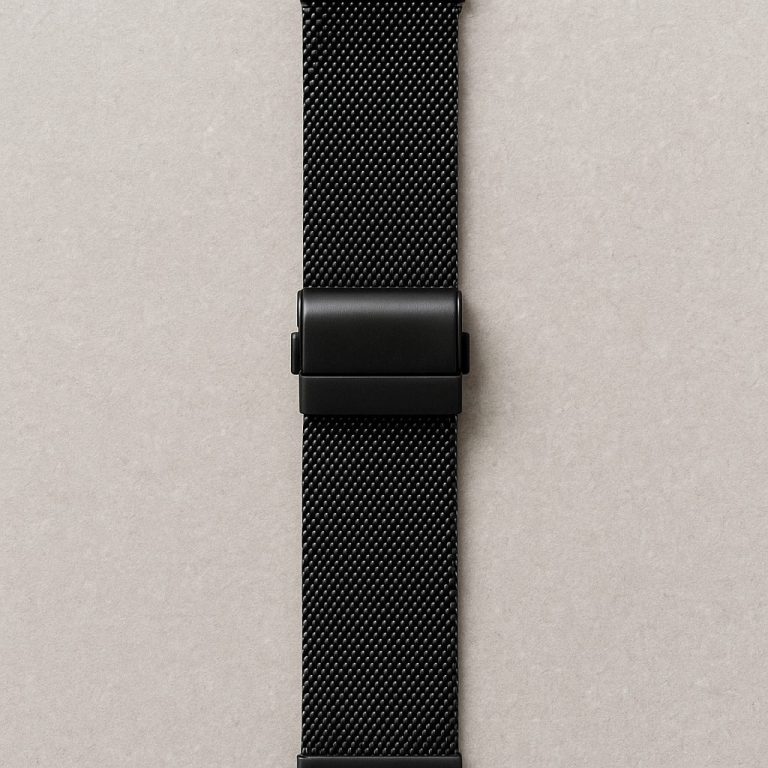
- Metal: Typically made from stainless steel due to its durability and corrosion resistance. Metal bands can add significant weight to the watch, so consider your comfort preferences.
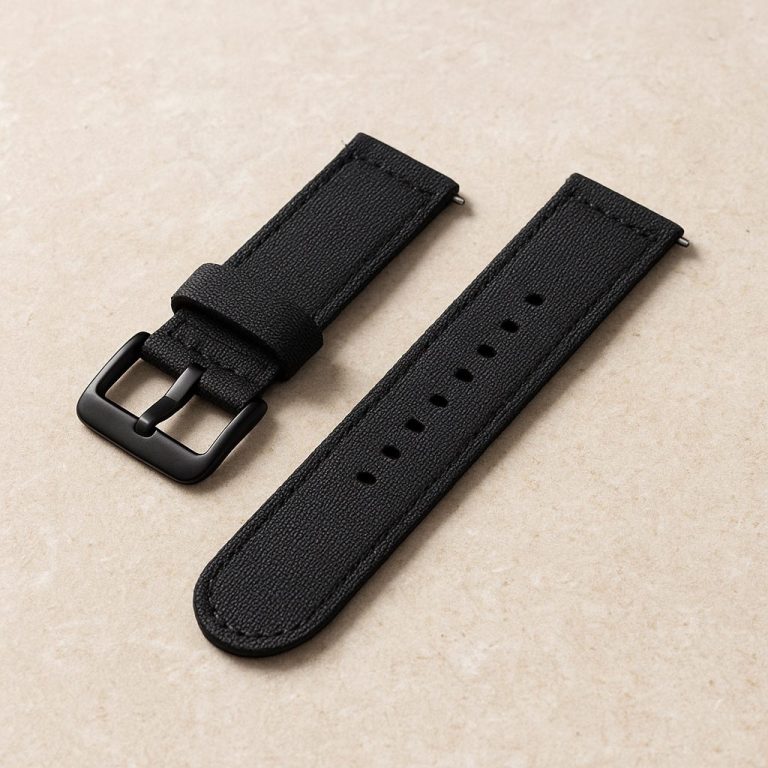
- Leather: Leather bands often come in various thicknesses and finishes. If you choose a leather band, ensure it fits snugly without being overly tight, as leather can stretch over time.
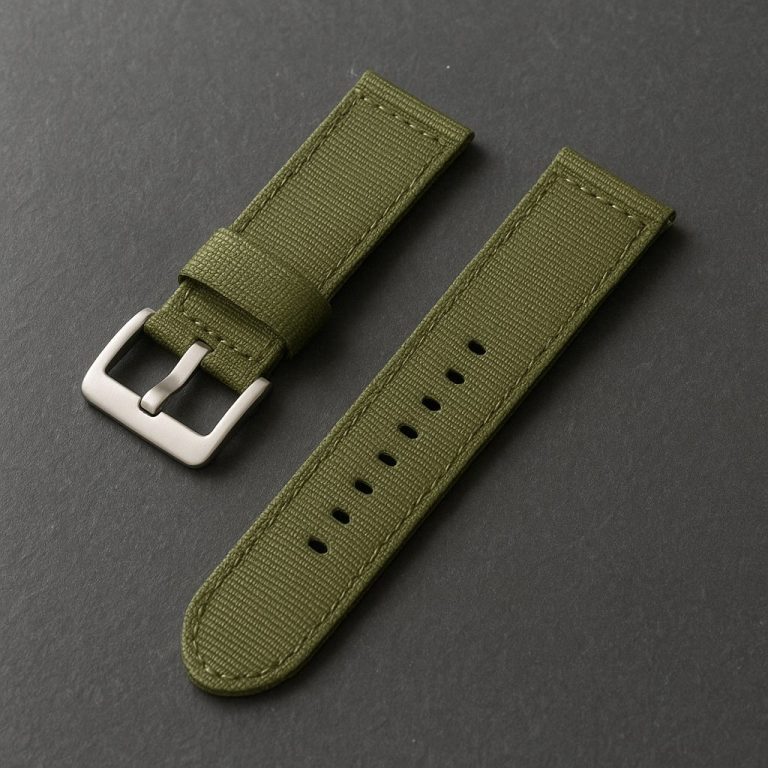
- Fabric: Most fabric bands are made from nylon or nylon blends. They can vary in weave density, thickness, and elasticity. A thicker band may provide more comfort but could be less flexible.
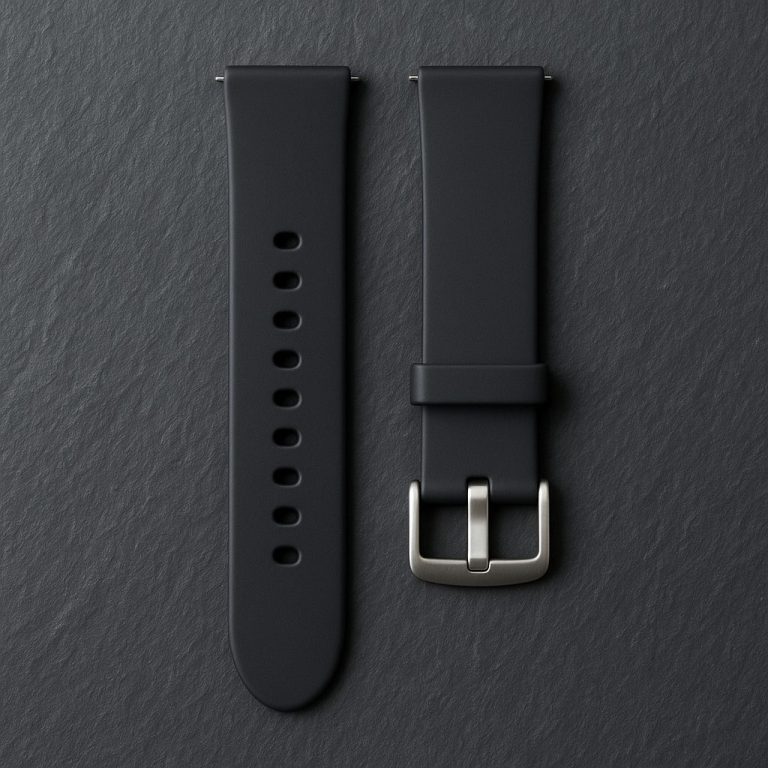
- Silicone: Silicone bands are often soft and flexible, making them a popular choice for sports or casual wear. They typically offer a snug fit and are easy to clean.
Practical Tips for Choosing a Replacement Band
When selecting a replacement watch band, consider the following practical aspects:
- Style: Choose a style that complements your watch and fits your lifestyle. A formal watch may require a leather band, while a casual or sports watch might look better with silicone or fabric.
- Comfort: Pay attention to how the band feels on your wrist. If possible, try on different materials to see which you prefer.
- Adjustability: Some bands come with adjustable features, which can provide a better fit for different wrist sizes. Look for bands with multiple holes or quick-adjust mechanisms.
Common Mistakes to Avoid
When replacing a watch band, avoid these common pitfalls:
- Not measuring accurately: Always double-check your measurements to ensure the replacement band will fit.
- Choosing the wrong material: Consider the activities you will be doing while wearing the watch. For outdoor activities, a durable silicone or fabric band may be more suitable.
- Ignoring weight: If you prefer a lighter watch, consider materials that won’t add unnecessary bulk.
Final Considerations
Replacing a watch band is a simple yet impactful way to refresh your favorite timepiece. By accurately measuring your watch’s lug width and considering factors such as material and style, you can ensure that your new band will not only fit well but also enhance your overall watch-wearing experience. With the right approach, you’ll find a band that suits both your wrist and your personal style, allowing you to wear your watch comfortably and confidently.