How different watch band widths feel on the same wrist size
How Band Width Impacts the Wearing Experience
After fastening a new watch to your wrist, you might notice that it feels either perfectly balanced, slightly bulky, or unexpectedly delicate, even if the case size hasn’t changed. This difference is often due to the width of the watch band. When the band’s width doesn’t seem to match your wrist or the watch case, it can affect both comfort and appearance throughout the day. Understanding how different band widths interact with a single wrist size can help you make more informed choices when selecting or swapping bands.
The Basics of Watch Band Width
Watch band width is typically measured in millimeters at the point where the band meets the case’s lugs—the small protruding arms on either side of the case. This width directly affects how the watch sits and feels on your wrist, even if your wrist size remains constant. Common widths range from about 16mm to 24mm, but there are options both narrower and wider depending on the watch style and intended use.
Attachment mechanisms such as spring bars or quick-release pins secure the band between the lugs, but the width of the band itself has a more pronounced influence on comfort and aesthetics than the attachment method.
Perceived Size and Balance on the Wrist
The width of a watch band changes the visual balance of a watch on your wrist. A wide band can make the watch appear larger and more prominent, while a narrow band creates a more understated look. With a fixed wrist size, these differences can be felt immediately:
- Wider bands (e.g., 22mm or more) distribute the weight of the watch more evenly, often feeling more secure but potentially bulkier, especially on smaller wrists.
- Narrower bands (e.g., 16–18mm) feel lighter and less obtrusive, but can make a larger watch case seem top-heavy or prone to sliding around the wrist.
For example, someone with a 17cm wrist may find that a 24mm band covers much of the visible wrist area, giving a bolder appearance and a snug fit that may feel restrictive during movement. The same wrist paired with a 16mm band will have more visible skin, with the watch sitting less securely and possibly rotating during activities.
Comfort and Movement During Daily Activities
Comfort is affected by more than just the material of the band—it’s also about how the width interacts with your wrist size and shape. On a wrist of average circumference, a band that is too wide might press into the skin along the edges, especially if worn tightly. This can become noticeable when typing, bending the wrist, or during exercise.
Conversely, a narrow band may cause the watch case to shift from side to side, particularly if the watch itself is heavy or has a large diameter. This movement can be distracting or uncomfortable over time, especially if the case’s underside is relatively flat and lacks curvature to match the wrist.
Material Considerations with Different Widths
Material choice interacts with width to affect flexibility, breathability, and how the band conforms to your wrist. Here’s how major categories behave across varying widths:
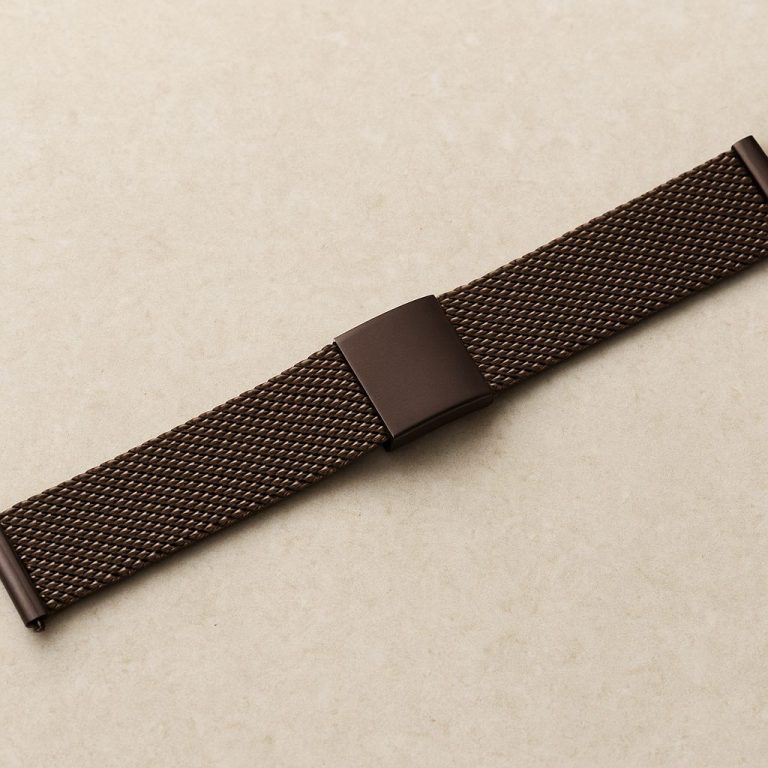
- Metal bands (most often stainless steel) tend to be less flexible, and wide metal bracelets can feel especially rigid on smaller wrists. A narrower metal band offers more articulation and may be more comfortable for all-day wear on average-sized wrists.
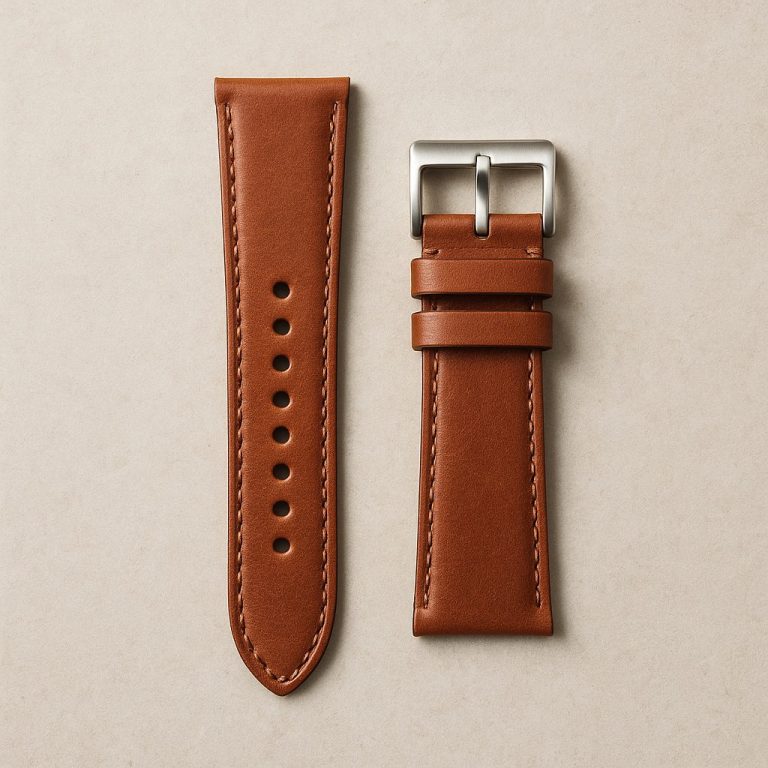
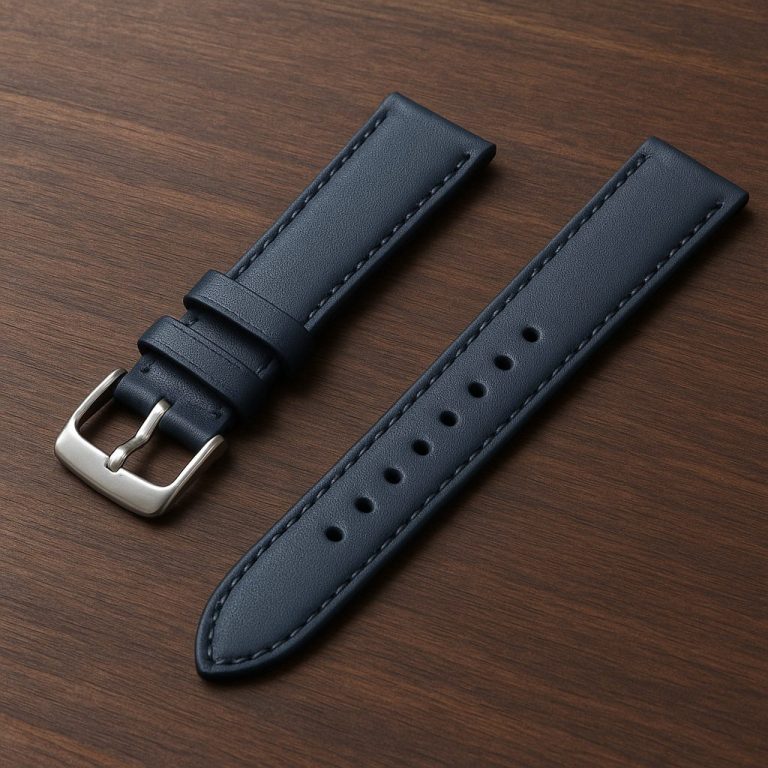
- Leather bands are more adaptable. Wider leather straps can feel supportive but may trap more heat, while narrow leather bands flex more easily and warm up to the skin faster.
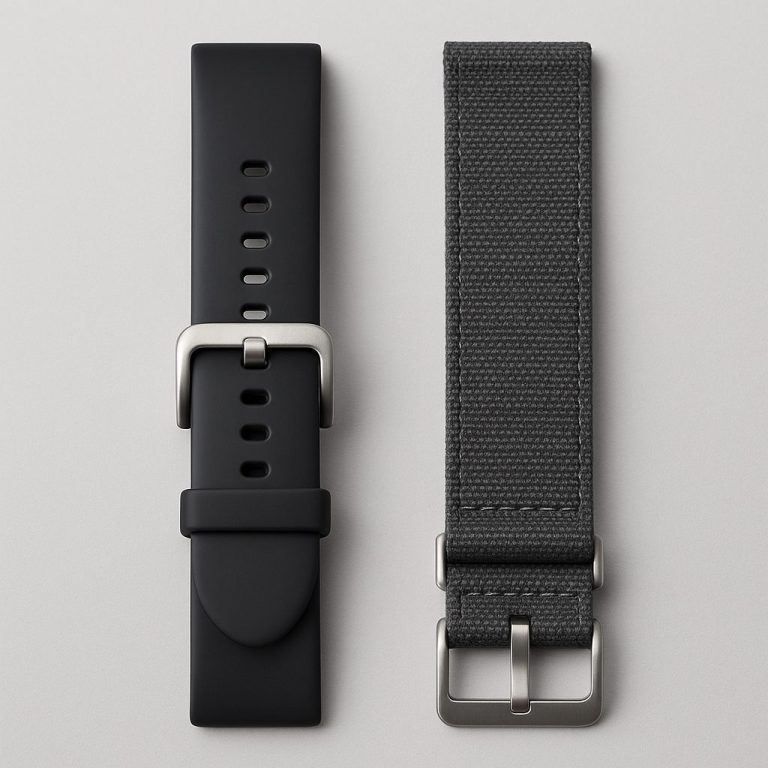
- Fabric bands (usually nylon or nylon blends) vary in thickness and weave. A thick, densely woven wide strap may feel stiff at first, but becomes more pliable with wear. Narrow, finely woven straps are often lighter and more breathable, reducing the potential for sweat buildup.
- Silicone bands are generally soft and flexible. Wider silicone bands may provide a more stable fit for active use, but can also feel warmer or stickier in hot conditions. Narrow silicone bands minimize skin contact, which sometimes improves comfort during prolonged wear.
These differences become noticeable once the watch is worn for several hours. For example, during a long workday, a wide metal bracelet may feel heavier and restrict wrist movement more than a similarly wide leather or silicone band.
Visual Proportion and Style
Aside from comfort, aesthetic proportion plays a role in how a watch looks on your wrist. A band that’s too wide for your wrist size can overpower the overall appearance, making the watch seem outsized. Too narrow, and the watch case might look unbalanced or awkwardly perched.
The general approach is for the band width to be about half the diameter of the watch case, but personal preference and wrist shape can influence this. For those with slender wrists, slightly narrower bands may create a more proportional look, while broader wrists can accommodate wider bands without disrupting the visual balance.
Fabric bands, such as those made from woven nylon, allow for a softer visual transition due to their texture and flexibility. A wide, thickly woven nylon strap can create a bold, practical look, while a narrow, elastic fabric strap offers a subtler appearance that complements smaller wrists.
Stability and Security on the Wrist
Band width also affects how securely the watch stays in place. A wider band covers more surface area, helping to anchor the case and minimize rotation or sliding. This feature is especially noticeable during physical activity. For instance, a wide silicone band can help keep a sports watch stable during running or gym sessions, while a narrow leather strap may allow more movement.
However, if a wide band is too rigid or lacks adjustability, it might not contour well to the wrist, leading to pressure points. Meanwhile, a narrow band is easier to adjust for a snug fit but might sacrifice stability, especially with a heavy or oversized case.
Comparison Table: How Band Widths Feel on the Same Wrist Size
| Band Width | Security | Flexibility | Visual Impact |
|---|---|---|---|
| 16–18mm (Narrow) | Less secure, more movement | Generally more flexible | Delicate, minimal presence |
| 20mm (Medium) | Balanced stability | Moderate flexibility | Proportional, classic look |
| 22–24mm (Wide) | Very secure, less movement | Can feel rigid, especially in metal | Bold, prominent on wrist |
Choosing a Width That Feels Right
Matching band width to your wrist size is largely about balancing comfort, security, and style. If you notice your watch shifting too much or feeling top-heavy, a slightly wider band can help. If the band edges dig into your skin or feel restrictive, a narrower or more flexible option might be better.
Trying different widths with the same watch case and wrist size is the most reliable way to find your preference. Materials also play a significant role—what feels comfortable in leather or silicone may not feel the same in metal or fabric. Adjust your choice based on not only the width measurement but also how the band’s thickness, flexibility, and texture suit your daily routine and personal style. This approach ensures that both comfort and appearance align with your needs every time you wear your watch.