How to handle color fading on fabric watch bands
Addressing Color Fading on Fabric Watch Bands
Fabric watch bands are popular for their comfort and style, but they can suffer from color fading over time. This is particularly noticeable with bands made from nylon or blends of nylon, which are commonly used due to their durability and lightweight nature. Understanding how to care for and maintain these bands can help preserve their appearance and longevity.
Causes of Color Fading
Color fading on fabric watch bands can occur for several reasons:
- Exposure to Sunlight: Prolonged exposure to UV rays can cause dyes in fabric to break down, leading to fading.
- Moisture: Sweat, rain, and washing can affect the dye and fiber integrity, which may accelerate color loss.
- Detergents and Cleaning Products: Some cleaning agents can be too harsh and strip color from the fabric.
- Wear and Tear: Regular friction and handling can contribute to the degradation of the fabric’s surface and color.
Preventing Color Fading
Taking proactive steps can help minimize fading and extend the life of fabric watch bands:
- Limit Sun Exposure: Try to avoid wearing the watch in direct sunlight for extended periods. When not in use, store the watch in a dark, dry place.
- Keep It Clean: Regular cleaning can prevent dirt and moisture buildup. Use a damp cloth to wipe the band and allow it to air dry completely. Avoid soaking it in water.
- Choose Gentle Cleaning Products: If a deeper clean is necessary, use mild soap and water. Avoid bleach and harsh detergents that can damage the fabric.
- Rotate Bands: If possible, rotate your fabric band with other materials, such as metal or silicone. This minimizes wear on any single band.
Repairing Faded Fabric Bands
If a fabric watch band has already started to fade, there are a few options for restoring its appearance:
- Fabric Dye: Consider using fabric dye specifically designed for synthetic materials. Follow the manufacturer’s instructions carefully to ensure even application and avoid further damage.
- Patch or Sew: For bands that have faded in specific areas, consider sewing on a patch or using decorative stitching to cover the faded spots.
- Replacement: If the band is significantly faded or damaged, replacing it may be the most practical option. This can be an opportunity to explore different colors or styles.
Understanding Fabric Types
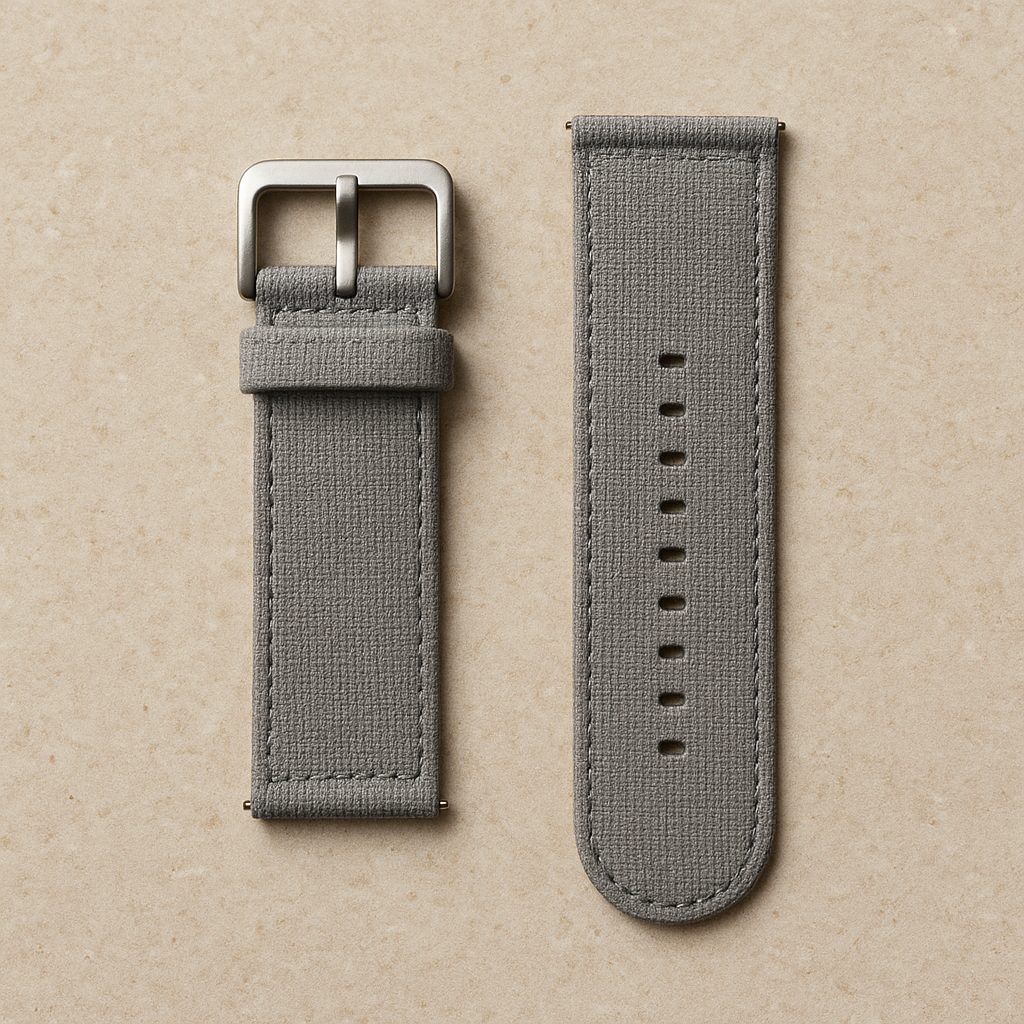
Most fabric watch bands are made from nylon or blends that may include other fibers. The construction of the fabric can influence how it ages:
- Weave Density: Tighter weaves tend to be more durable and less prone to fading than looser weaves.
- Texture: Smooth textures may show fading differently than textured finishes, which can help disguise some wear.
- Thickness: Thicker bands often have greater durability but can also be heavier and less breathable.
- Elasticity: Bands with some stretch may fit more snugly but can also be more prone to wear and tear over time.
Real-World Example of Care
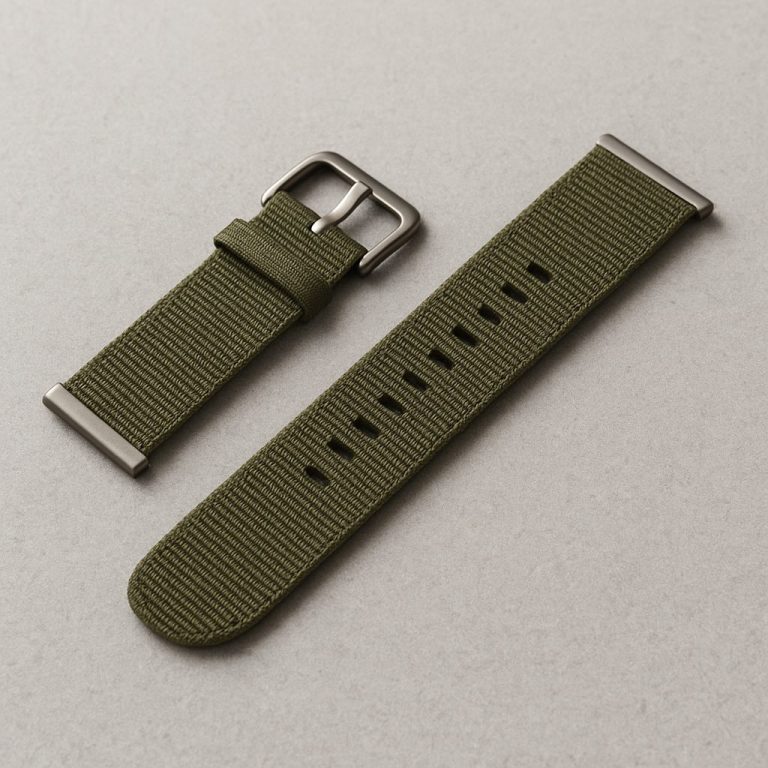
For instance, imagine a nylon strap worn during outdoor activities. After a few months of consistent wear, the bright color begins to dull. To address this, the wearer could take the following steps:
- After each use, clean the band with a damp cloth to remove sweat and debris.
- Store the watch in a shaded area when not in use.
- After a few months, if fading becomes noticeable, the user may apply a fabric dye to refresh the color.
Final Thoughts
Color fading on fabric watch bands is a common issue, but it can be managed with proper care and maintenance. By understanding the causes and taking active steps to prevent fading, you can extend the life of your fabric watch bands and keep them looking their best. Whether you opt to repair, refresh, or replace a faded band, being proactive ensures that your watch remains a stylish accessory for years to come.