How to fix a broken watch band: DIY solutions
Repairing a Broken Watch Band: Practical Solutions
Imagine checking the time, only to find that your watch band has snapped or come loose. Whether it’s a beloved timepiece or a practical accessory, a broken watch band can be frustrating. Fortunately, there are a variety of DIY solutions to help you fix it without needing to visit a jeweler or watch repair shop.
Assessing the Damage
Before attempting any repairs, it’s important to assess the extent of the damage. Watch bands can break for several reasons, including wear and tear, accidental pulls, or faulty clasps. Understanding the specific problem will guide your repair options.
Common Issues with Watch Bands
- Broken Links: Often found in metal bands, these can occur due to excessive force or wear.
- Loose or Broken Clasps: Sometimes the clasp can become loose or break entirely, making it difficult to secure the watch.
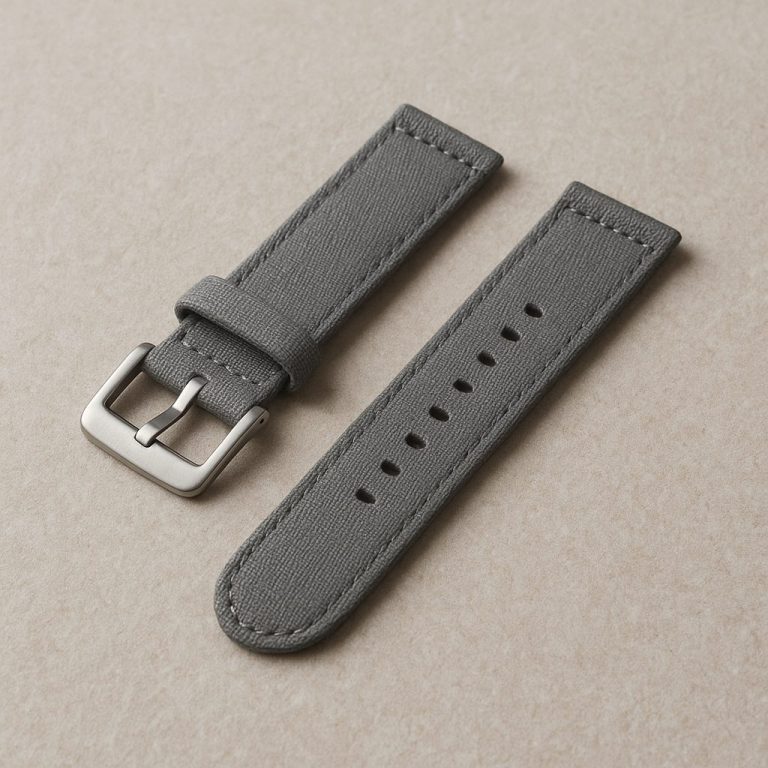
- Frayed Fabric: Fabric bands, typically made from nylon or other materials, may fray or tear over time.
- Cracked Leather: Leather bands can develop cracks, especially if they are exposed to moisture.
- Worn Silicone: Silicone bands can become discolored or lose their elasticity, leading to breakage.
DIY Repair Methods by Material Type
Different materials require different approaches to repair. Here’s a breakdown of solutions based on the type of watch band.
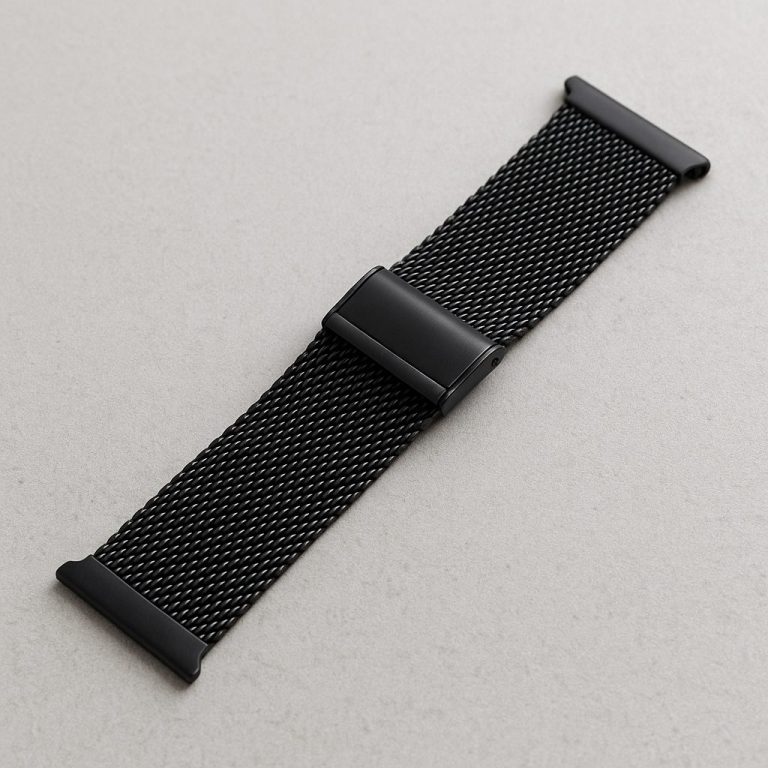
Metal Bands
Metal watch bands, often made from stainless steel due to its durability, can be repaired in the following ways:
- Replacing Links: If a link is broken, you can usually replace it by purchasing a compatible link set. Use a pin tool to remove the damaged link and insert the new one.
- Fixing Clasps: If the clasp is loose, check for screws that may need tightening. If it’s broken, consider replacing the clasp entirely.
Example: If you notice a link has fallen off your watch, gather the tools needed, such as a pin removal tool, and follow the instructions of the link replacement kit to reattach it.
Leather Bands
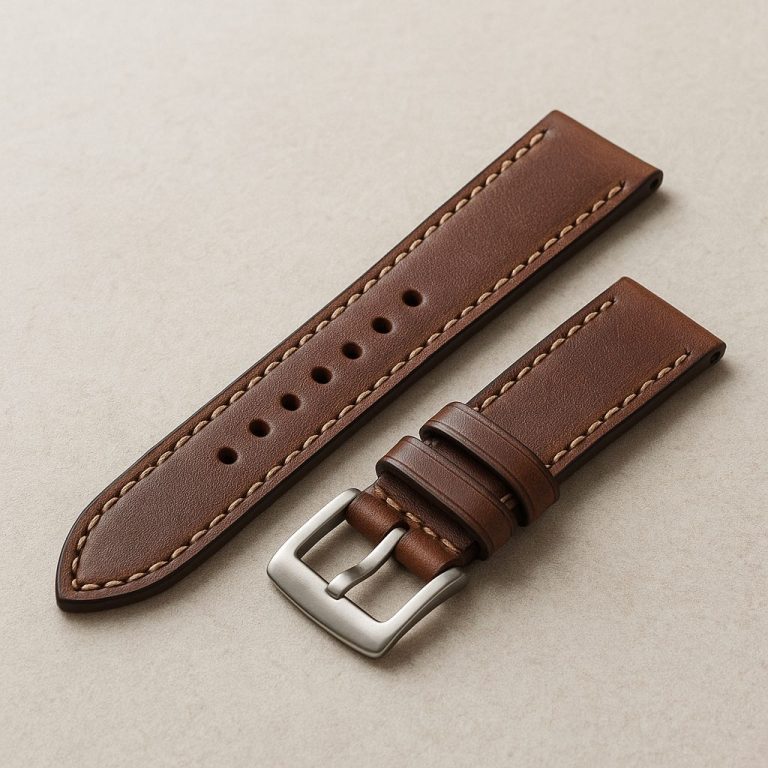
Leather bands can often be repaired with basic tools:
- Using Leather Glue: For small cracks or tears, apply a strong leather adhesive. Clamp the area until the glue sets.
- Adding a Patch: If the damage is significant, consider sewing or gluing a leather patch over the damaged area.
For instance, if you have a cracked leather band, clean the area well, apply glue, and allow it to dry under a weight to ensure a firm bond.
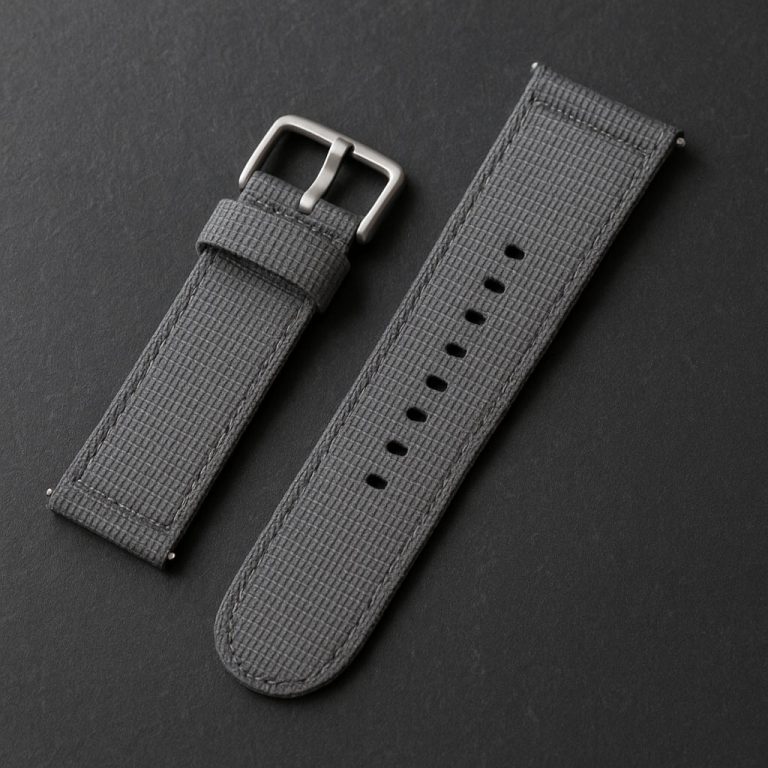
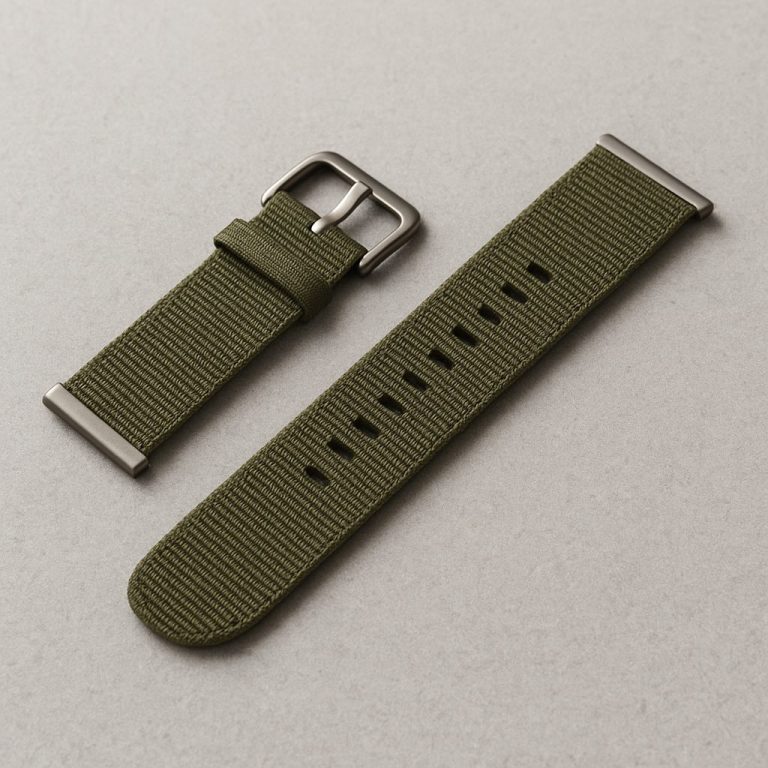
Fabric Bands
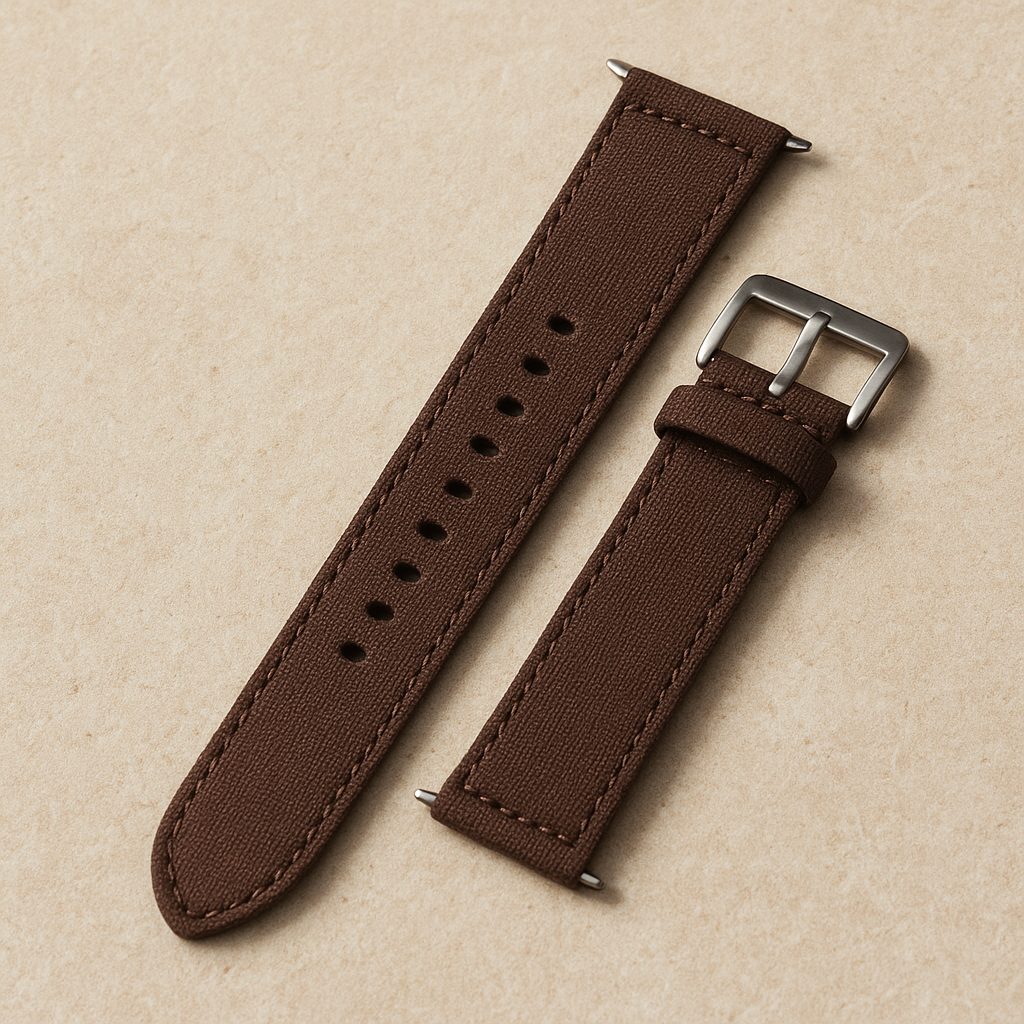
Most fabric watch bands are made from nylon or blends, which can be repaired as follows:
- Sewing Frayed Edges: Use a needle and thread to sew up frayed edges. You can use a zigzag stitch to help prevent further fraying.
- Using Fabric Glue: For small tears, fabric glue can be an effective and quick solution.
As a practical tip, if a frayed edge is bothering you, simply sew or glue it to prevent it from worsening and prolong the life of the band.
Silicone Bands
Silicone bands are popular for their comfort but can be prone to wear:
- Replacing Sections: If a silicone band has stretched or torn, consider cutting the damaged portion away and using a silicone adhesive to bond new material in place.
- Using a Connector: If the band has separated, look for silicone connectors that can help reattach the two parts.
For example, if you notice your silicone band has lost its shape, cutting the excess material and reattaching with a connector can restore its functionality.
Preventative Measures for Longevity
While repairs can extend the life of your watch band, taking preventative measures can help avoid future problems:
- Regular Cleaning: Dirt and sweat can degrade materials, so clean your watch band regularly.
- Proper Storage: Store your watch in a dry area to prevent damage from humidity or extreme temperatures.
- Gentle Handling: Avoid pulling or stretching the band excessively when putting it on or taking it off.
When to Seek Professional Help
While many repairs can be handled at home, some situations may warrant professional assistance. If you’re dealing with a high-value watch or complex issues like internal mechanisms, consulting a professional can save you time and prevent further damage.
Understanding how to effectively handle a broken watch band can empower you to maintain your timepiece in good condition. With the right tools and techniques, many repairs are straightforward and can be accomplished at home, extending the life of your watch band significantly.