What to do if my watch band doesn’t fit the lugs on my watch?
Why Watch Bands Sometimes Don’t Fit the Lugs
Changing a watch band is a common way to refresh the look or comfort of a watch, but problems can arise when a new band doesn’t fit the existing lugs—the metal projections on each end of the watch case where the band attaches. This situation can be frustrating, especially if the band is too wide, too narrow, or uses a different attachment system. Understanding why this happens and how to address it can help avoid damaging the watch or band and ensure a secure, comfortable fit.
Identifying the Mismatch: Lug Width and Band Size
The most frequent issue is a mismatch between the lug width and the width of the new watch band. Lug width is the distance, measured in millimeters, between the inside edges of the two lugs. Most watches are designed for bands that fit this width precisely.
If the new band is too wide, it won’t fit between the lugs. If it’s too narrow, it may slide or shift, looking awkward and possibly risking the band coming loose. Sometimes, the issue is not just width but the shape or thickness of the band at the attachment point.
| Lug Width (mm) | Compatible Band Width (mm) | Common Problems |
|---|---|---|
| 18 | 18 | Band too thick or too thin |
| 20 | 20 | Incorrect attachment style |
| 22 | 22 | Band ends not matching lug shape |
Measuring Lug Width Accurately
To avoid sizing problems, measure the lug width with a ruler or caliper. Hold the tool against the inside of the lugs, measuring straight across. Most watches use even sizes like 18mm, 20mm, or 22mm, but some have odd or fractional sizes. If the measurement falls between standard widths, finding a band that fits exactly may require special ordering or modification.
Attachment Mechanisms: Spring Bars and Quick-Release Pins
Even if the band fits the lugs by width, problems can arise with how the band attaches. Most watches use spring bars—small, spring-loaded metal rods that fit inside holes in the lugs and pass through the ends of the band. Some newer bands use quick-release pins, which integrate a small lever for tool-free installation and removal.
If your watch uses spring bars but the new band is designed for a different attachment style, or vice versa, you may not be able to install the band without modification. Additionally, some watch cases have fixed bars or special integrated lugs that require a specific type of band end.
Shape and Thickness of Band Ends
A band may have the correct width and attachment style but still not fit if its ends are shaped differently from the space between the lugs. Some watches have straight lugs, while others curve or angle inward. Bands with thick or padded ends, especially in leather or silicone, might not fit between lugs with limited clearance.
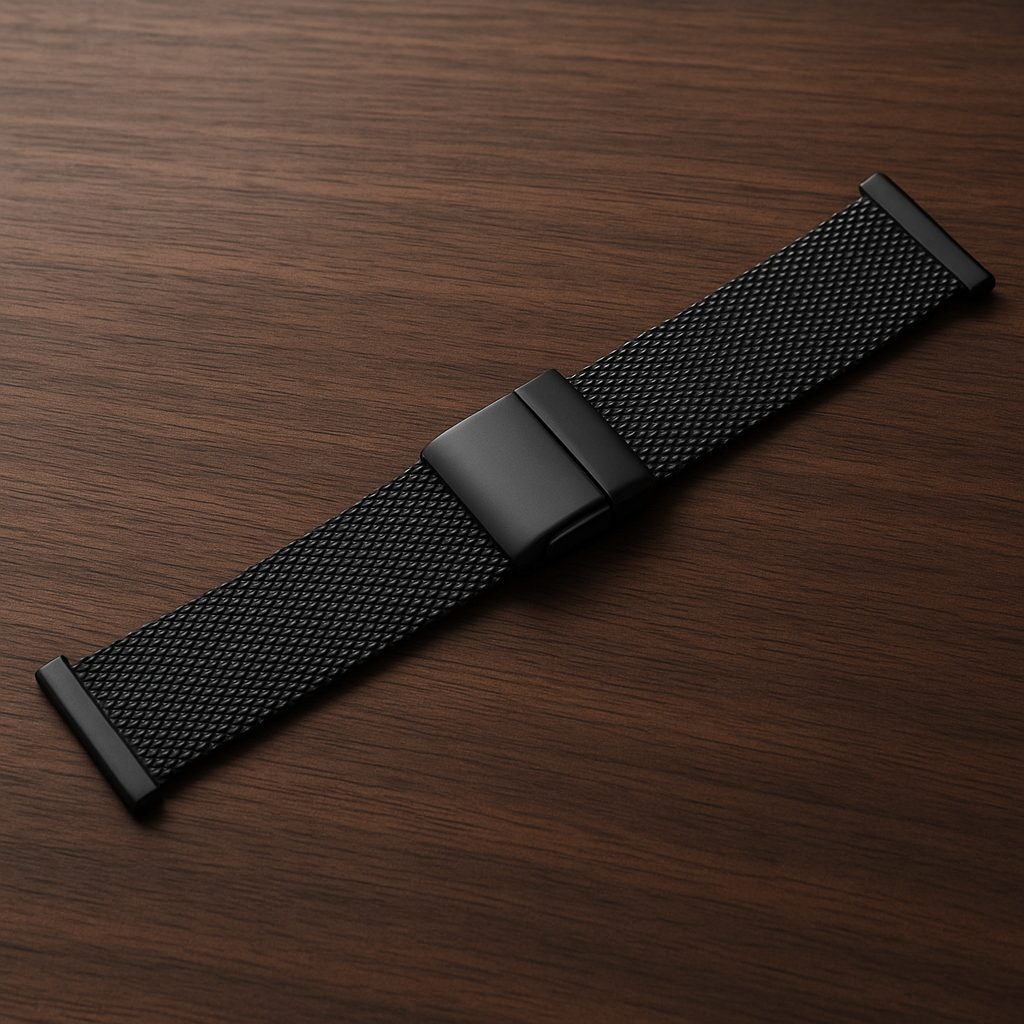
For metal bands, the end links—the connecting piece between the band and the spring bar—must also match the shape and contours of the case. Stainless steel is the most common material for metal watch bands, valued for its durability and resistance to corrosion, but the shape and fit of the end links are more critical than the material itself in this context.
Material Differences and Fit Considerations
The flexibility and thickness of the band material can affect compatibility with lugs. Here’s how different materials can present unique fitting challenges:
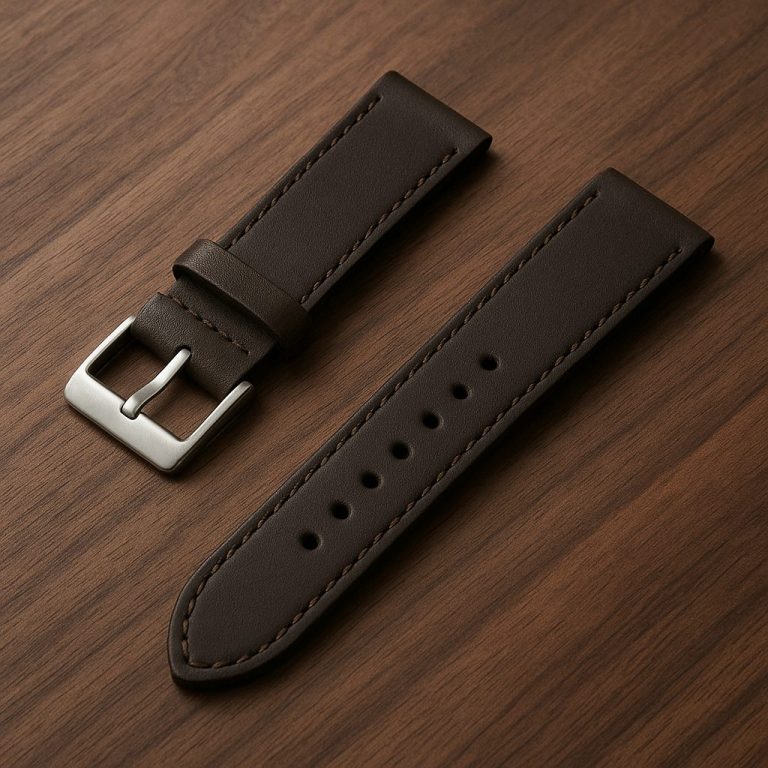
- Leather: Leather bands can vary in thickness, especially near the ends. Some are padded or stitched for reinforcement, making them bulkier. If the band is too thick, it may not fit between tight lugs or around spring bars. Trimming or skiving the leather is possible but should be done carefully to avoid weakening the band.
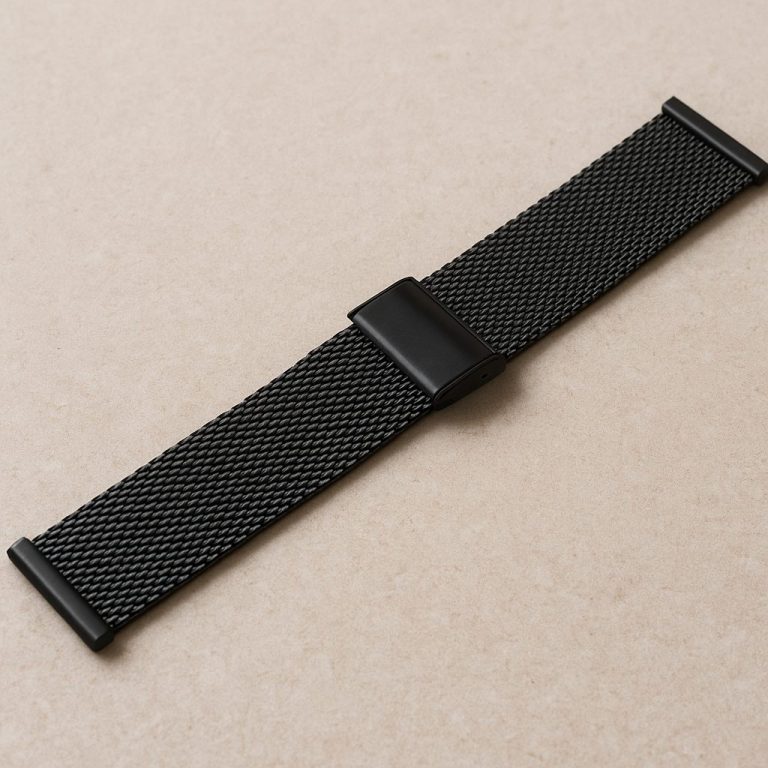
- Metal: Metal bands use rigid end links, which must match the lug width and sometimes the curvature of the watch case. A mismatch can leave gaps or make attachment impossible. Adjusting metal end links is complex and may require specialized tools.
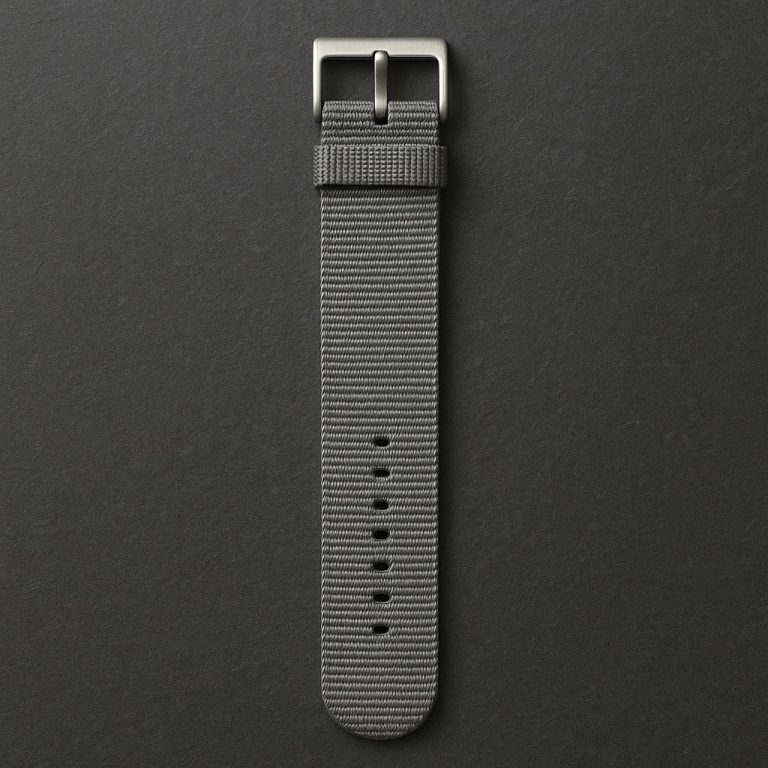
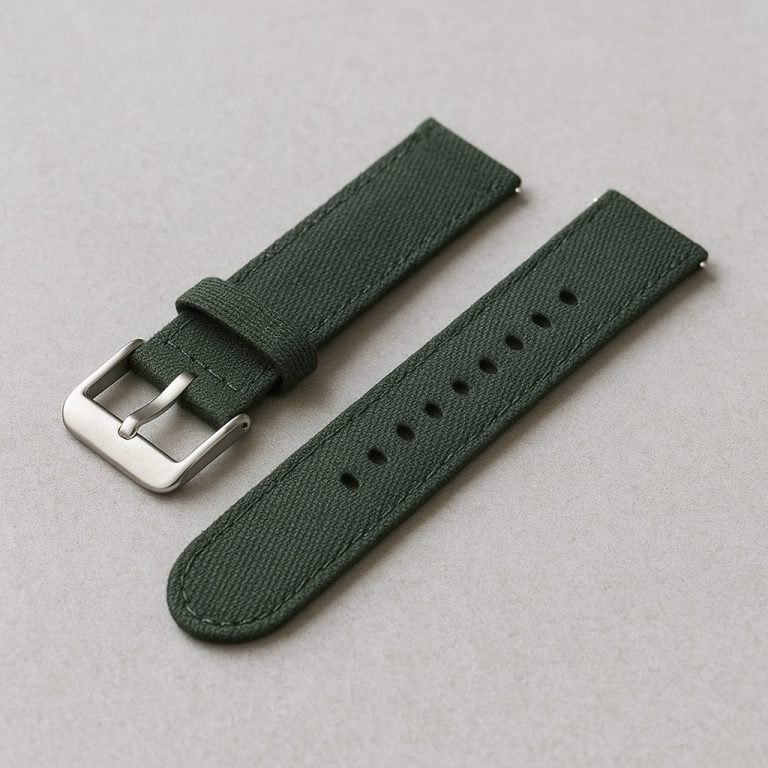
- Fabric: Most fabric bands are made from nylon or nylon blends, with variation in weave density, thickness, and texture. Some are thin and flexible, fitting easily through narrow lugs, while others have thicker, denser weaves that may not fit tight spaces. If the end is too thick, try compressing the fabric or seeking a band with a slimmer weave.
- Silicone: Silicone bands can be soft and elastic, but some feature molded or reinforced ends for strength. These thicker ends can pose fitting issues, especially with small or tightly spaced lugs.
What to Do When the Band Doesn’t Fit
If you discover your new watch band doesn’t fit the lugs, consider the following approaches:
- Check the sizing: Verify the lug width and the band width. Sometimes, small differences can be managed, but a large mismatch usually requires a different band.
- Consider modification: For leather bands, careful trimming at the ends may help. For fabric bands, compressing the end or choosing a thinner weave can make installation easier. Metal bands and end links generally can’t be modified without special skills.
- Use adapters: Some watches with unusual lug designs accept adapters that convert the lugs to a standard width or attachment system. This can open up more band options.
- Choose a compatible attachment system: Make sure the band’s attachment mechanism matches your watch—spring bar, quick-release, or fixed bar. If your band uses quick-release pins but your watch accepts only standard spring bars, the pins can sometimes be swapped with standard spring bars of the correct length.
- Seek professional help: A watch repair specialist or jeweler can often adjust bands, fit adapters, or recommend solutions for difficult cases. This is especially helpful when dealing with metal bracelets or integrated lug designs.
Dealing with Odd Lug Sizes
If your watch has an uncommon lug width, such as 19mm or 21mm, options can be limited. Some people use a band 1mm narrower than the lug width, but this may leave visible gaps. For a secure and clean appearance, look for bands specifically made for less common sizes, or consult a professional about custom modification.
Practical Outcome
When a watch band doesn’t fit the lugs of your watch, identifying the root cause—whether it’s width, attachment style, material thickness, or lug shape—will guide you to the best solution. Accurate measurement, attention to attachment mechanisms, and understanding material differences can help you select or adapt a band for a secure, comfortable fit without risking damage to your watch or strap.