How repeated minor adjustments affect the lifespan of watch band closures
Band Closures and Everyday Adjustments
A person working at a desk frequently loosens and retightens their watch band throughout the day—perhaps after washing their hands, during exercise, or just for comfort. Over time, the clasp or buckle starts to feel less secure, or the holes in a leather strap become stretched and misshapen. These subtle changes in watch band closures are the result of repeated minor adjustments, and they can affect the overall lifespan of the closure mechanism.
How Minor Adjustments Affect Closure Mechanisms
Every time a watch band is adjusted—tightened, loosened, or unclasped—the closure mechanism experiences mechanical stress. While a single adjustment has minimal impact, repeated movements over weeks or months can gradually wear down the components. This process varies depending on the type of closure and the material of the band.
Common Types of Watch Band Closures
The most widespread closure mechanisms include:
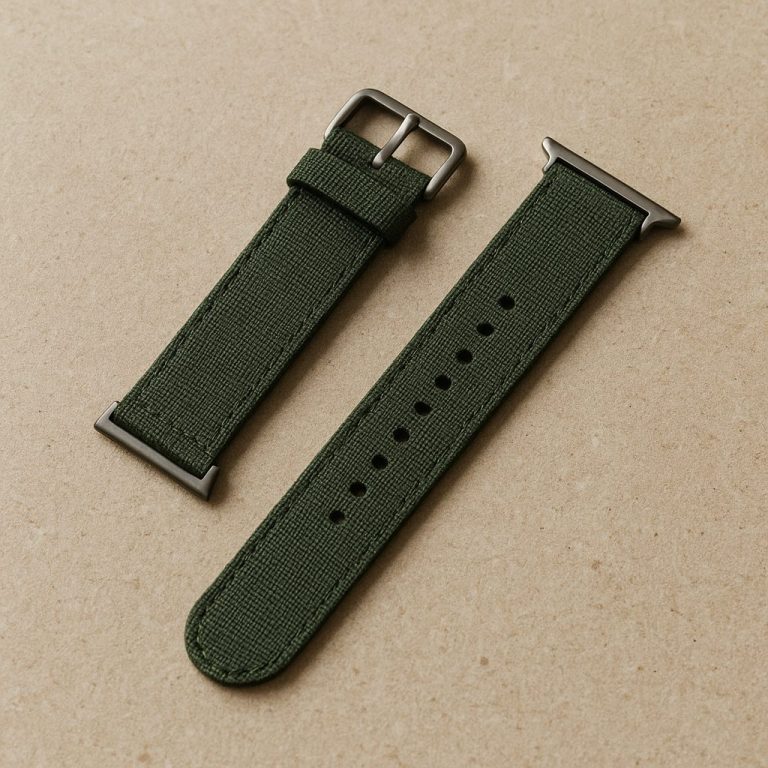
- Pin Buckles: Typically found on leather, silicone, and many fabric bands. The tang (metal pin) inserts into holes along the strap.
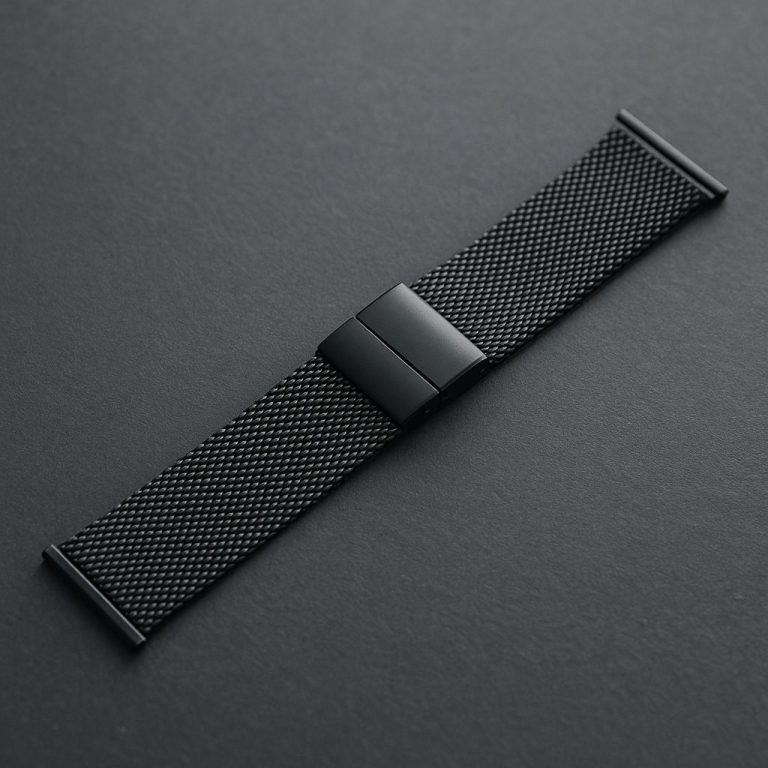
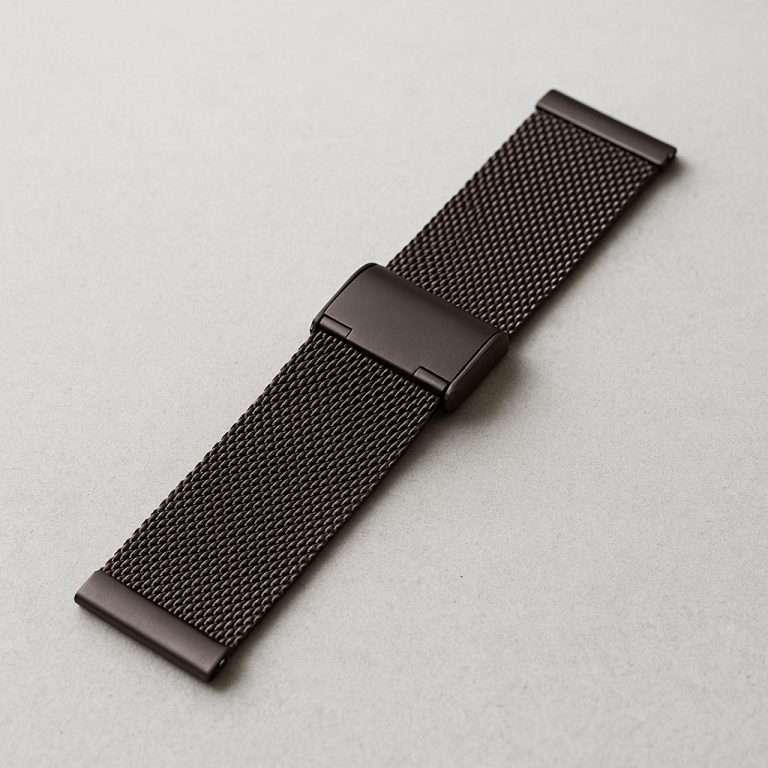
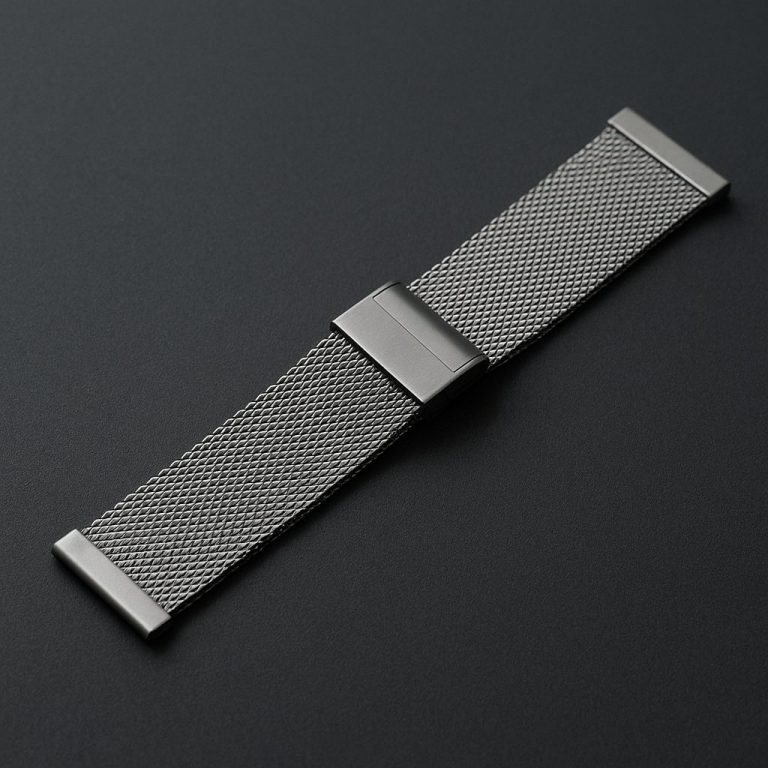
- Deployant Clasps: Common with metal bracelets and sometimes used on premium leather or silicone bands. These fold and lock into place using spring-loaded mechanisms.
- Hook-and-Loop Fasteners: Often used on nylon or other fabric bands for easy, incremental adjustment.
- Button or Push-Button Clasps: Usually seen on some metal bracelets, using small spring-loaded buttons to release the closure.
Each type responds differently to frequent minor adjustments.
Material Matters: How Closures Wear Over Time
Different watch band materials interact with closures in distinct ways when repeatedly adjusted:
- Leather Bands: Frequent tightening and loosening can stretch the holes and soften the leather around them. Over time, the holes may elongate or tear, and the band may crease or crack where it bends around the buckle. Even high-quality leather bands will eventually show wear if adjusted often.
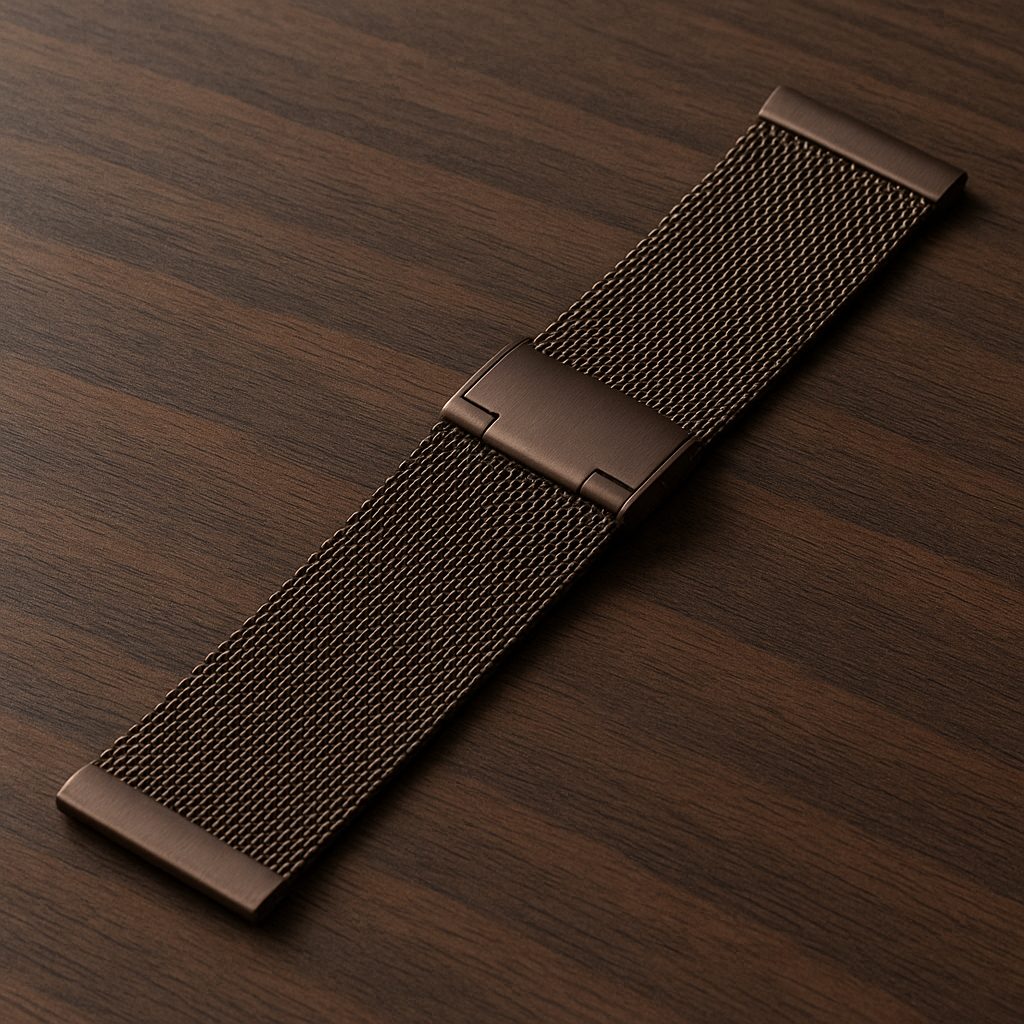
- Metal Bracelets: Most metal watch bands use stainless steel due to its durability and corrosion resistance. The closure, often a deployant or push-button clasp, may become loose if the internal springs or folding parts are repeatedly stressed. Fine tolerances can wear down, causing rattling or accidental openings.
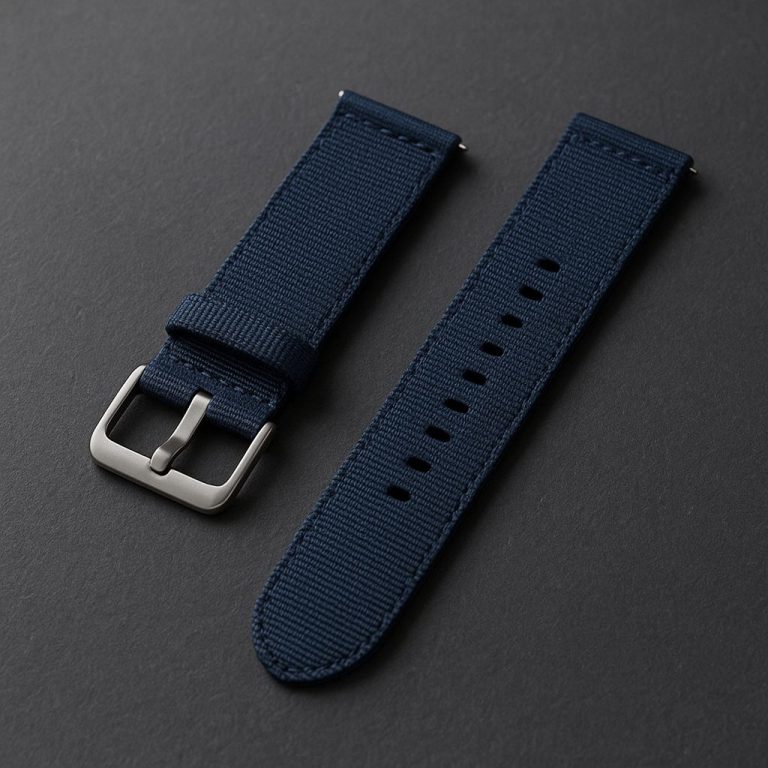
- Fabric Bands: Most fabric bands are made from nylon or blends that vary in weave density, thickness, and elasticity. Repeated adjustment can fray the edges near adjustment holes or cause hook-and-loop sections to lose grip as fibers break down. A densely woven nylon band tends to last longer than a loosely woven or elastic type when subjected to frequent movement.
- Silicone Bands: Silicone is flexible but can stretch or develop small tears at the pin holes if continually adjusted. The material is less prone to fraying than fabric but can deform, especially where the closure pin presses into the same spot repeatedly.
Table: Impacts of Frequent Minor Adjustments on Closure Lifespan
| Band Type | Closure Type | Main Wear Points | Common Effects |
|---|---|---|---|
| Leather | Pin Buckle | Holes, bend at buckle | Stretched holes, cracked leather |
| Metal (Stainless Steel) | Deployant, Push-Button | Springs, hinges, latching surfaces | Loose clasp, accidental openings |
| Fabric (Nylon blends) | Pin Buckle, Hook-and-Loop | Hole edges, Velcro surface | Fraying, loss of grip |
| Silicone | Pin Buckle, Deployant | Pin holes, buckle contact area | Deformation, tearing |
Factors Influencing the Rate of Wear
The effect of repeated minor adjustments on closure lifespan depends on a few key factors:
- Frequency of Adjustment: Bands that are adjusted several times per day will show wear more quickly than those that remain in a fixed position.
- Force Used: Pulling the closure tightly or twisting it during adjustment increases stress on the mechanism and the band material.
- Environmental Exposure: Moisture, sweat, and dirt can accelerate wear, especially on leather and fabric closures.
- Closure Design: Simpler designs (such as pin buckles) have fewer moving parts to fail, but they may still wear the band itself. Complex clasps may develop issues with springs or hinges over time.
Signs of Closure Fatigue and When to Take Action
Repeated minor adjustments can cause subtle but noticeable changes:
- Closure feels looser or less secure than when new
- Pin holes in leather or silicone bands become oval-shaped or unusually large
- Fabric bands begin to fray or the hook-and-loop section loses its grip
- Metal clasps start to rattle or do not snap shut firmly
If any of these issues appear, consider changing your adjustment habits or having the closure serviced or replaced. For bands with buckles, moving to a different hole occasionally can slow the wear on any single section. For hook-and-loop closures, keeping the fastener clean of lint and debris can help extend its effective life.
Extending Closure Life Through Mindful Adjustments
While some wear is unavoidable, a few simple habits can slow the process. Adjust the band gently and avoid forcing the closure. With leather and silicone bands, rotate between two holes if possible, rather than always using the same one. For fabric bands, especially those made from dense nylon, minimize excessive pulling and keep the closure surfaces free of debris. Metal clasps benefit from occasional cleaning and careful handling during adjustment, which helps preserve the action of springs and hinges.
By recognizing the ways minor daily adjustments affect watch band closures, it’s possible to extend the lifespan of both the band and its closure, maintain a secure fit, and reduce the need for premature repairs or replacements.