How clasp position on the wrist affects balance and comfort
Why Clasp Position Matters During Everyday Activities
A wristwatch that constantly rotates, shifts, or pinches during daily tasks—such as typing at a desk, carrying bags, or exercising—often owes these issues to the position of its clasp on the wrist. While the choice of watch band material and size are important, the precise placement of the clasp can have a surprising impact on both comfort and the way a watch balances during movement.
How Clasp Position Influences Balance
The clasp acts as a weight and anchor point for the watch band. Its placement changes the way the entire watch sits on the wrist. If the clasp is positioned directly opposite the watch case (at the center of the underside of your wrist), it distributes weight more evenly and helps prevent the watch case from sliding off-center. When the clasp sits too close to the side of the wrist, it can cause the watch to tilt, rotate, or feel unstable.
For example, metal bracelets typically use a deployant clasp, which has noticeable weight. If the clasp is misaligned—perhaps because a link has been added or removed only from one side—the watch may constantly slide toward the heavier side, requiring frequent adjustment. Similarly, a fabric strap with a large buckle can cause the watch to shift if the buckle sits off to one side.
Table: Clasp Position and Its Effect on Balance
| Clasp/Buckle Placement | Effect on Watch Balance | Common Observations |
|---|---|---|
| Centered under wrist | Even weight distribution | Watch stays upright, minimal sliding |
| Off-center toward pinky | Unbalanced, pulls watch case outward | Watch rotates away from top of wrist |
| Off-center toward thumb | Unbalanced, pulls watch case inward | Watch rotates toward inner wrist |
Comfort Factors Related to Clasp Placement
Comfort is affected not just by the tightness of the band, but by where the clasp or buckle sits in relation to the anatomy of your wrist. Bony areas near the wrist joint, sensitive nerves, and movement during wrist flexion can all influence how the clasp feels throughout the day.
When the clasp or buckle is centered on the underside of the wrist (directly opposite the watch face), pressure is spread across softer tissue, reducing the risk of pinching or digging in. If the clasp sits to one side—often a result of uneven adjustment, band length mismatch, or specific wrist shape—it can press against the ulna (the bone on the pinky side), or against tendons, leading to discomfort, redness, or even numbness during extended wear.
Material Differences and Clasp Effects
The impact of clasp position varies by watch band material. Each material interacts differently with the skin and the weight of the clasp itself:
- Metal bracelets: Most commonly made from stainless steel for durability and resistance to corrosion. The deployant clasp has significant weight, making balanced placement essential for stability. Extra-long or short links on one side can make the clasp shift off-center, causing the watch to rotate.
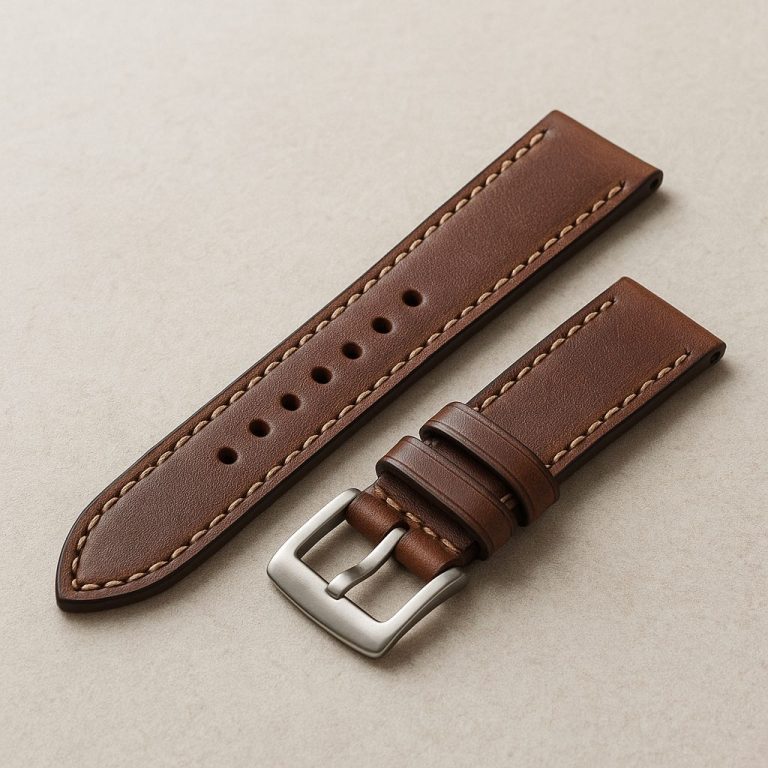
- Leather straps: Lighter than metal, but thicker leathers can have stiff buckles. An off-center buckle can press into the wrist, especially if the strap is not broken in or if the holes do not line up for a centered fit.
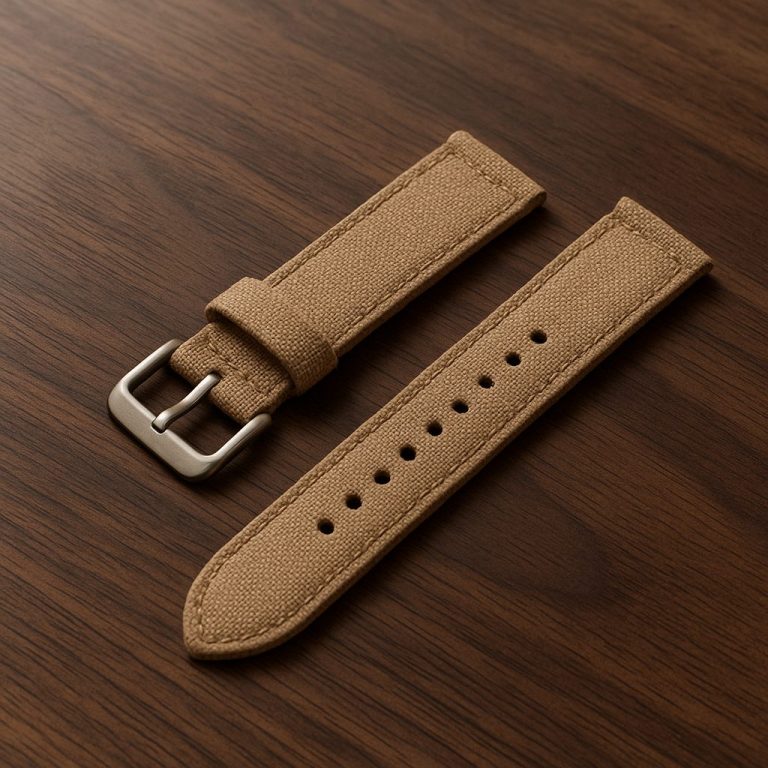
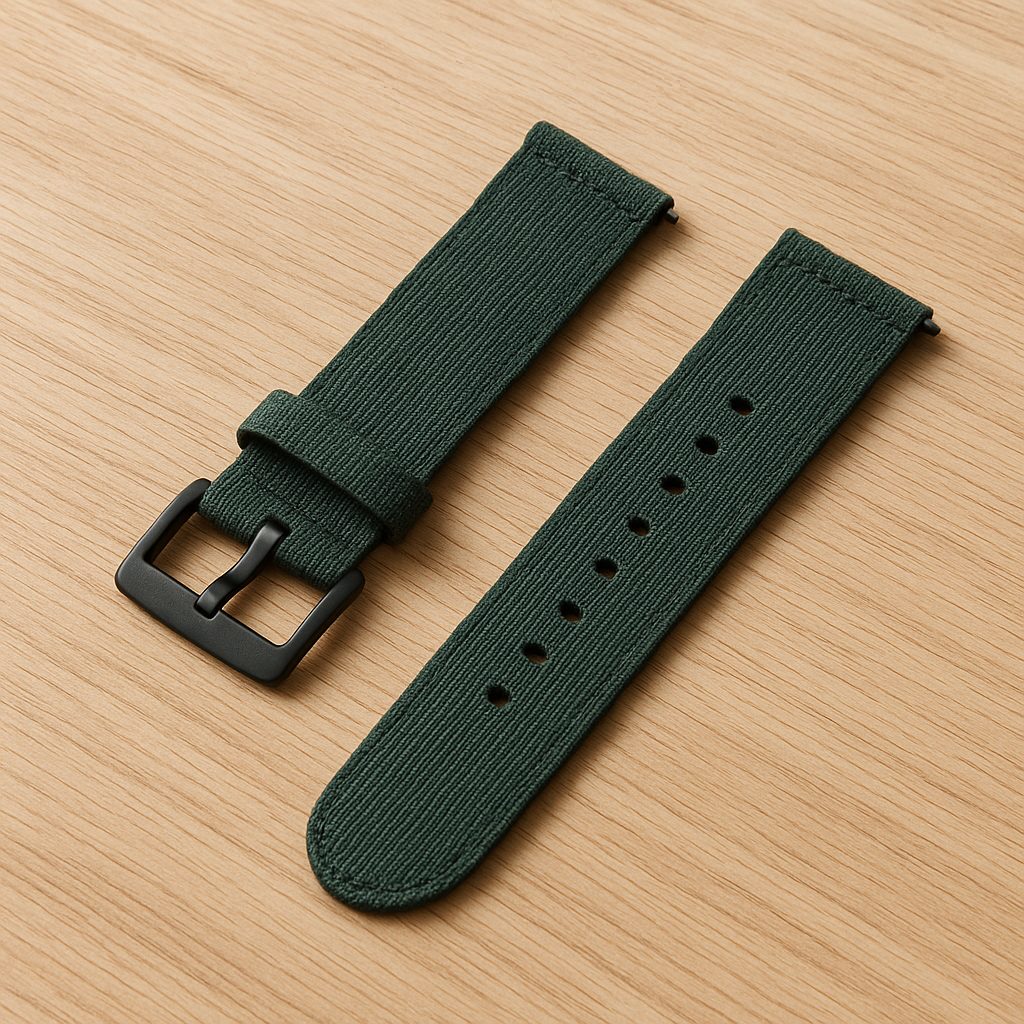
- Fabric bands: Usually made from nylon or nylon blends, which can vary in thickness, weave pattern, and flexibility. A bulky buckle or hook-and-loop closure can create a pressure point if not centered. Thin, dense weaves are typically smoother, while thicker or more elastic fabrics may shift less but can be bulkier under a clasp.
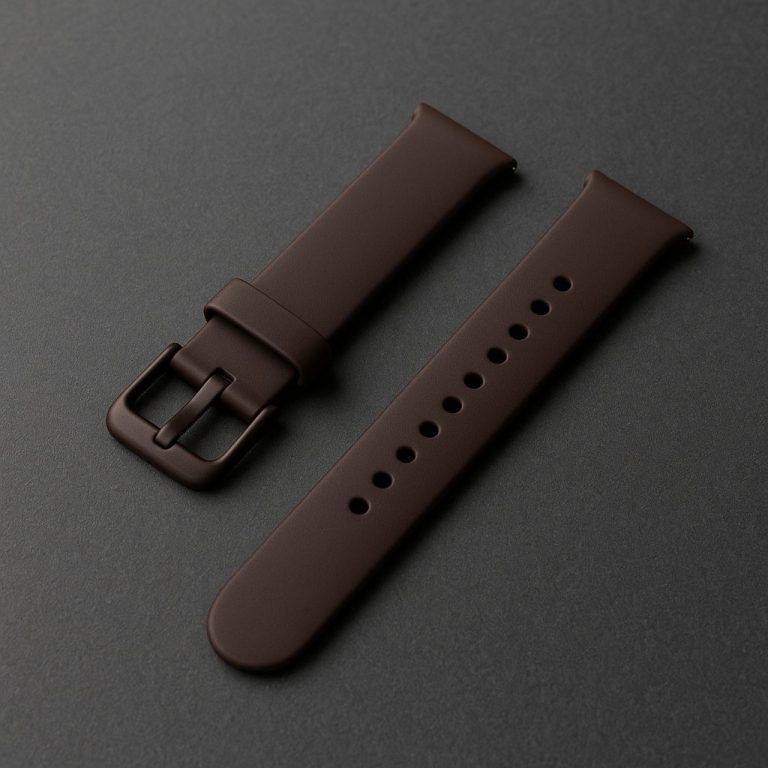
- Silicone bands: Flexible and comfortable, but the material can grip the skin, so an off-center clasp or buckle may tug or pull during movement. Silicone bands often use pin buckles, and their position should be checked to avoid uneven pressure.
Adjusting for Optimal Clasp Placement
Getting the clasp or buckle into the best position may require minor adjustments and experimentation. For metal bracelets, links can often be removed from either side of the clasp to achieve a centered placement. For leather, fabric, or silicone bands, using the closest hole that allows the clasp to sit directly beneath the wrist is usually most comfortable. If a strap is too long or too short on one side, a watch technician can sometimes punch a new hole or trim excess material (in the case of fabric or silicone) for a better fit.
Quick-release pins or spring bars attach the band to the lugs on the watch case, but the key adjustment for clasp placement is in the band length distribution on either side of the case. Ensuring that both sides are as even as possible helps the clasp land at the underside of the wrist, improving comfort and balance.
Practical Example: Typing and Wrist Movement
During desk work, an off-center clasp can become noticeable as the wrist rests on a surface. If the clasp sits directly under the wrist, pressure is spread more evenly, reducing discomfort. When the clasp is shifted toward the thumb or pinky side, it can dig into the desk, leading to soreness or even marks on the skin after long typing sessions. Adjusting the band so the clasp sits squarely at the underside can make a significant difference in daily comfort, especially for tasks that require frequent wrist movement.
When to Consider Adjustments
Signs that the clasp position may need adjustment include:
- Watch face frequently rotating off-center
- Pressure points or irritation on one side of the wrist
- Difficulty keeping the watch stable during activity
- Discomfort when resting the wrist on a hard surface
Making small adjustments to the strap length or moving the clasp to a more central location can often resolve these issues. In some cases, selecting a different closure style (such as a hook-and-loop fastener for fabric bands) may also help, as these allow for more precise placement and adjustment.
Finding the Right Clasp Position for Your Wrist
Small details in clasp placement can have a noticeable impact on both balance and comfort when wearing a watch. Paying attention to where the clasp sits, making minor adjustments, and considering the material of your watch band can help ensure a more comfortable and stable fit throughout the day. A centered clasp usually provides the most natural and comfortable experience, reducing the need for frequent readjustment and minimizing discomfort during everyday activities.