What are common misconceptions about waterproof watch bands?
Common Misconceptions About Waterproof Watch Bands
Many people assume that a waterproof watch band means it can withstand any water exposure without damage. This belief can lead to improper care and maintenance of the watch and its band. Understanding the nuances of waterproofing in watch bands is essential for preserving their longevity and functionality.
Water Resistance vs. Waterproof
One of the most significant misconceptions is the confusion between “water-resistant” and “waterproof.” While the term “waterproof” suggests that an item can completely resist water intrusion, this is rarely the case with watch bands. Most watch bands labeled as water-resistant can withstand some exposure to water but may not be entirely impervious.
For example, a watch band may be designed to resist splashes or brief submersion but could be damaged if exposed to prolonged water contact, such as swimming or showering. It’s crucial to check the manufacturer’s specifications to understand the limits of water resistance.
Material Matters
The material of a watch band plays a significant role in its water resistance. Here’s how various materials typically perform:
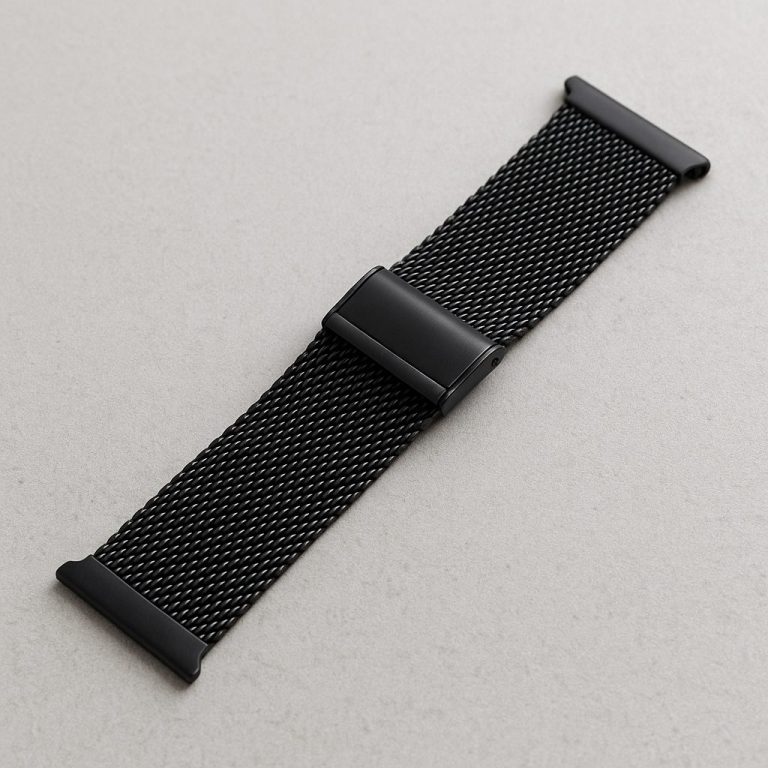
- Metal: Stainless steel is commonly used due to its strength and corrosion resistance. However, the finish and any additional coatings can affect how well it withstands water.
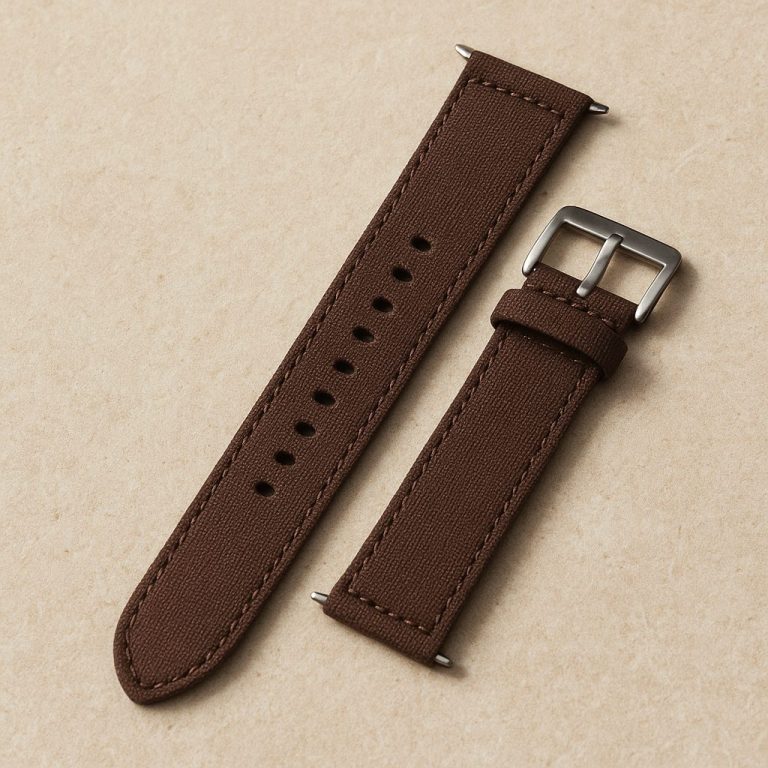
- Leather: Leather bands are generally not water-resistant. Excess moisture can lead to deterioration, discoloration, and a shorter lifespan.
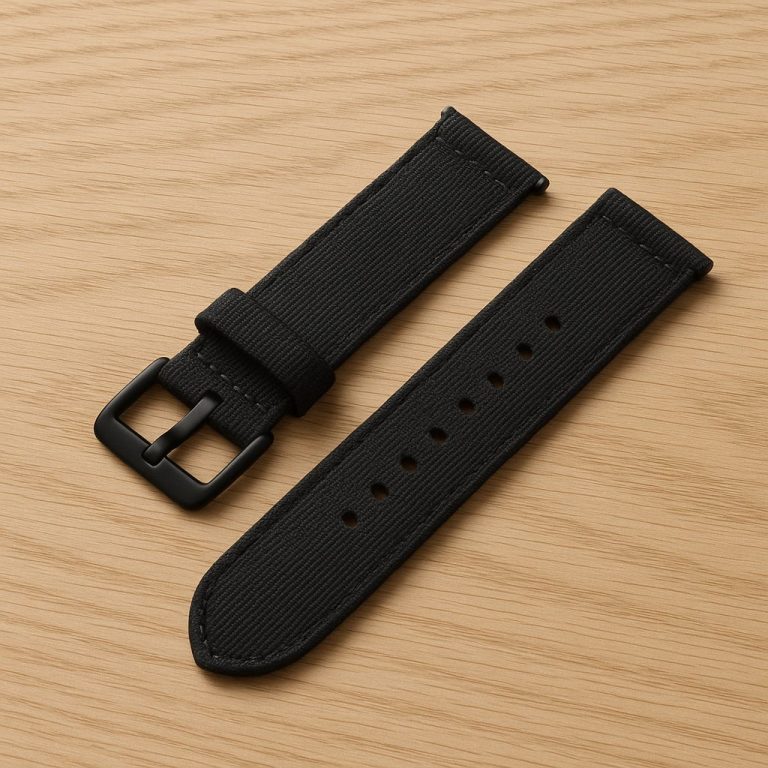
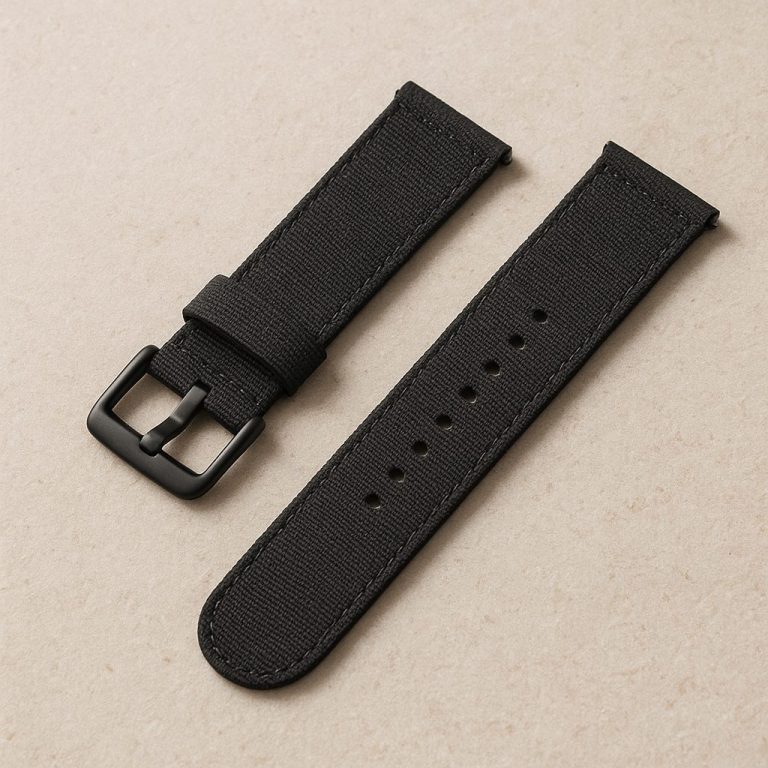
- Fabric: Most fabric bands are made from nylon or blends, which can vary in water resistance based on their weave density and treatment. While some may dry quickly after water exposure, others can absorb moisture, leading to mold or mildew.
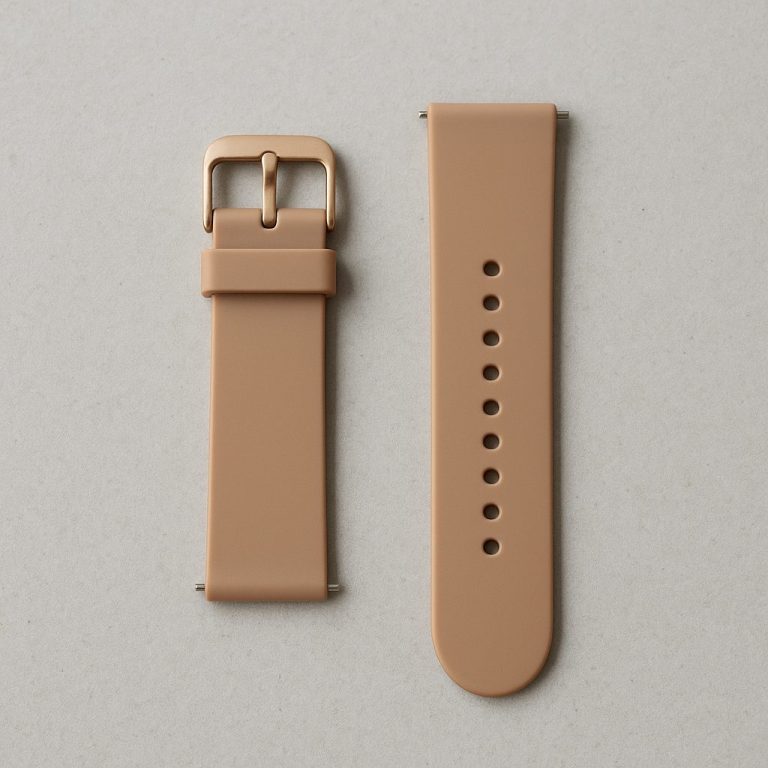
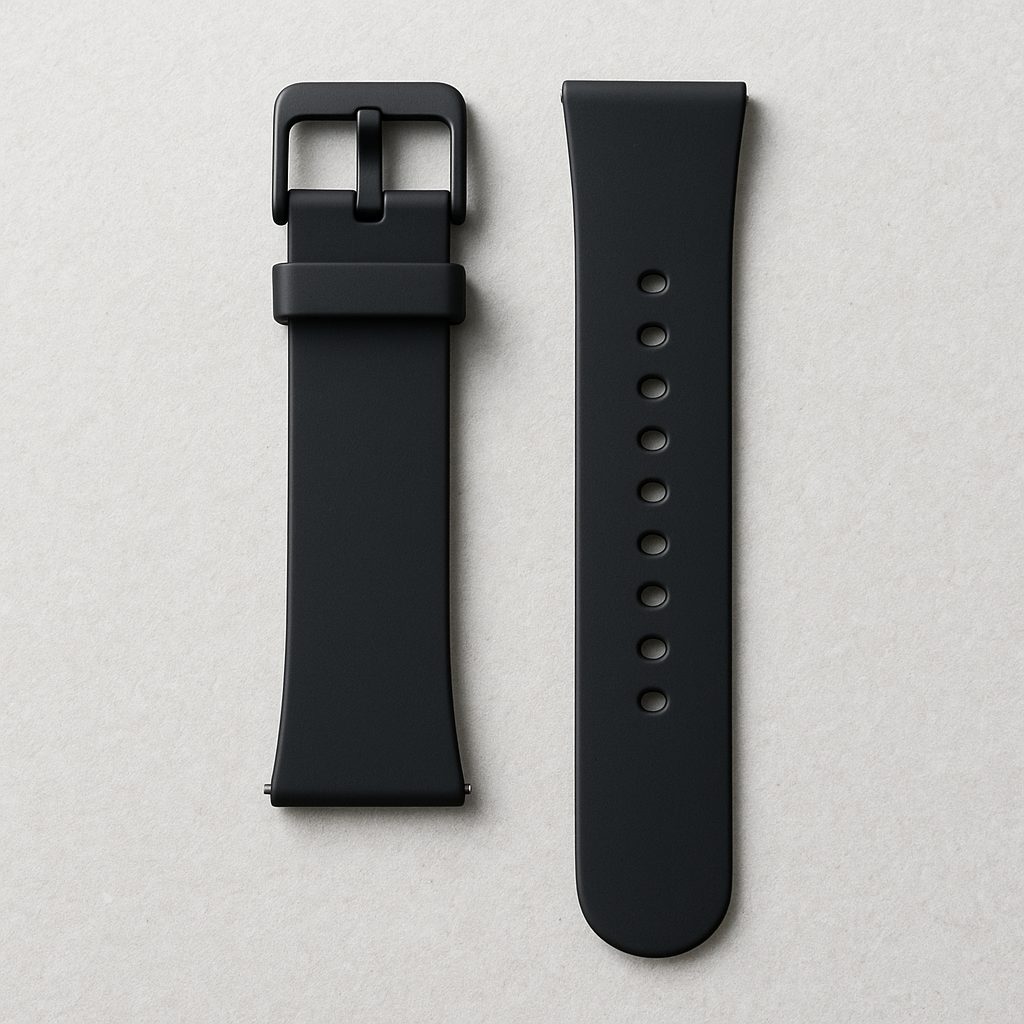
- Silicone: Often considered a highly water-resistant option, silicone bands are typically designed to withstand moisture without degrading. They are easy to clean and dry quickly, making them suitable for active lifestyles.
Care and Maintenance Misunderstandings
Another misconception is that waterproof bands require little to no maintenance. While these bands may be more resilient to water, they still need proper care to ensure their longevity. Here are some practical tips for maintaining different types of waterproof watch bands:
- After exposure to saltwater or chlorinated water: Rinse the band with fresh water to remove any residues that can cause damage over time.
- Fabric bands: Regularly clean them with a damp cloth and mild soap to prevent buildup of dirt and moisture.
- Metal bands: Polish stainless steel bands with a soft cloth to remove water spots and restore shine.
- Silicone bands: Wipe them down with a damp cloth. Avoid harsh chemicals that can degrade the material.
Waterproofing Features
Some watch bands come with additional features that enhance their water resistance. For instance, bands with sealed seams or specialized coatings can offer better protection against water intrusion. However, even with these features, it is essential to be mindful of the conditions under which the watch is worn.
For example, wearing a silicone band while swimming in the ocean may be acceptable, but exposure to saltwater for extended periods can still cause deterioration. Always refer to the manufacturer’s guidelines for specific recommendations regarding water exposure.
Attachment Mechanisms and Their Role
The attachment mechanism of a watch band can also influence its overall water resistance. Bands that utilize spring bars or quick-release pins may provide a more secure fit, reducing the chances of the watch becoming dislodged in water. However, if these mechanisms are not properly secured or undergo wear and tear, they can compromise the watch’s water resistance.
Always check that the attachment mechanism is functioning correctly and consider replacing it if you notice any signs of damage or wear. Regular inspections can prevent accidental loss or damage during water exposure.
Real-World Application
When selecting a watch with a waterproof band, consider your lifestyle and the activities you engage in. If you swim regularly, for instance, opt for a silicone or fabric band specifically designed for such conditions. Conversely, if you primarily wear your watch in dry environments, a metal or leather band might suffice, provided you take care to avoid moisture.
Ultimately, understanding the limitations and maintenance needs of waterproof watch bands can prevent misunderstandings and ensure that your timepiece remains in good condition for years to come.
Key Takeaway
Being aware of the distinctions between water-resistant and waterproof, as well as the effects of different materials and maintenance practices, is vital for anyone who relies on a watch. By adopting a mindful approach to care and usage, watch owners can enjoy their timepieces without the worry of damage from water exposure.